
[2026 Spring Auction Summary] Has the contemporary ink painting market recovered? The three major auction houses' resumption of dedicated Chinese contemporary painting and calligraphy auctions has attracted much attention.
In the spring auctions of 2026, the Chinese contemporary ink painting sector will usher in the most comprehensive recovery in nearly five years, which is the most widely recognized in the industry. China Guardian, Beijing Poly and Xiling Yinshe, three leading auction houses in the north and south, will simultaneously hold special auctions on contemporary Chinese paintings and calligraphy. After years of silence, Chinese contemporary paintings and calligraphy will officially move from a partial recovery to the restart of the sector.
The seeds of this market trend were sown as early as the autumn auction of 2025.
As a market bellwether, China Guardian has demonstrated the solid demand for contemporary ink painting through its steady and rational sales performance over several consecutive seasons: the "Chinese Contemporary Painting and Calligraphy" auction in the Autumn 2025 achieved a total sales volume of RMB 33.7479 million with 195 lots and a sell-through rate of 98.97%; together with the Spring 2025 and Spring 2026 auctions, this auction has achieved a near-full sell-through rate for three consecutive seasons.
The consistently stable transaction data has broken the long-standing stereotype of contemporary ink painting being "illiquid," and also confirms that after several years of deep adjustment, the market bubble is gradually being cleared, and genuine demand for collecting is being released.
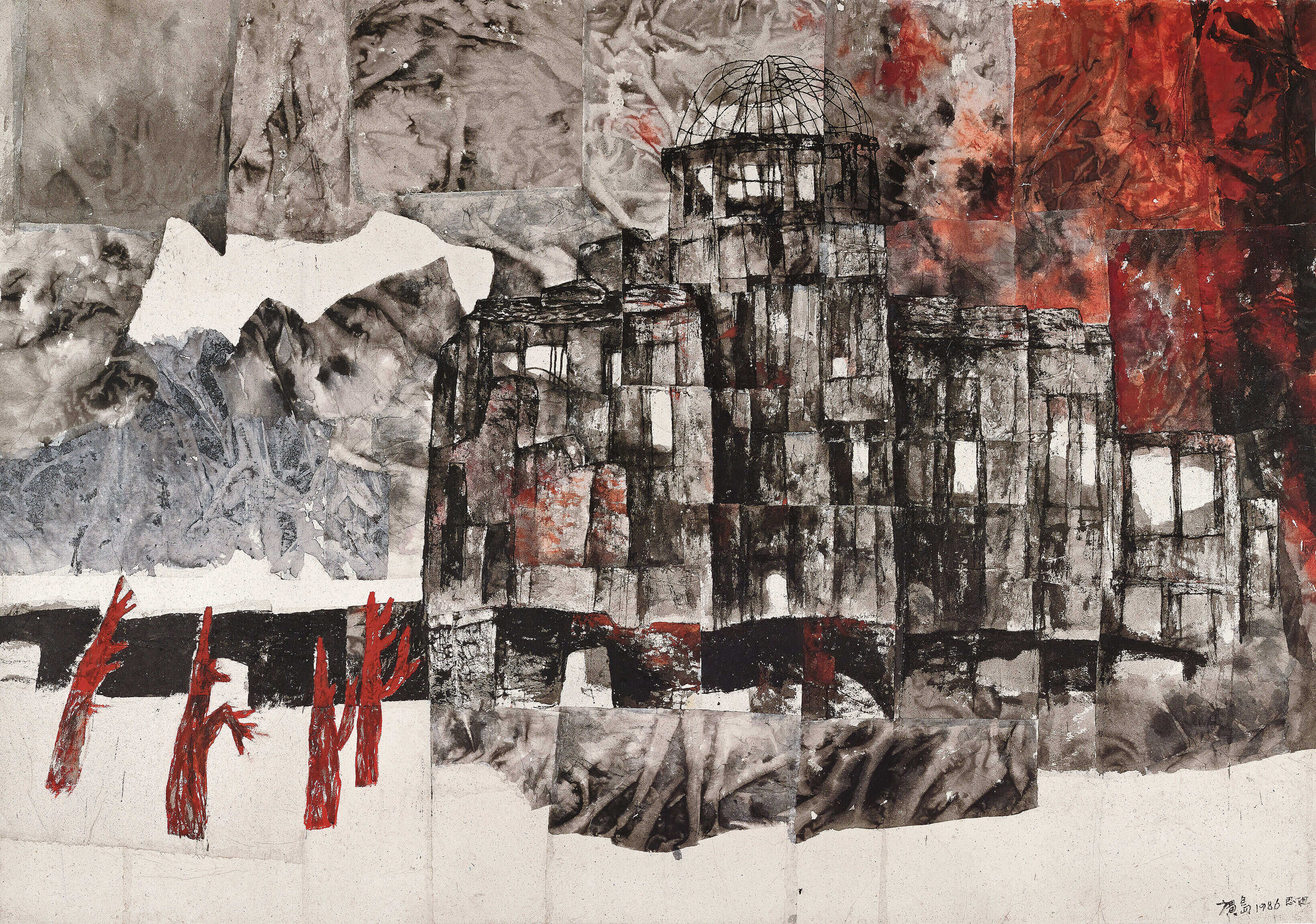

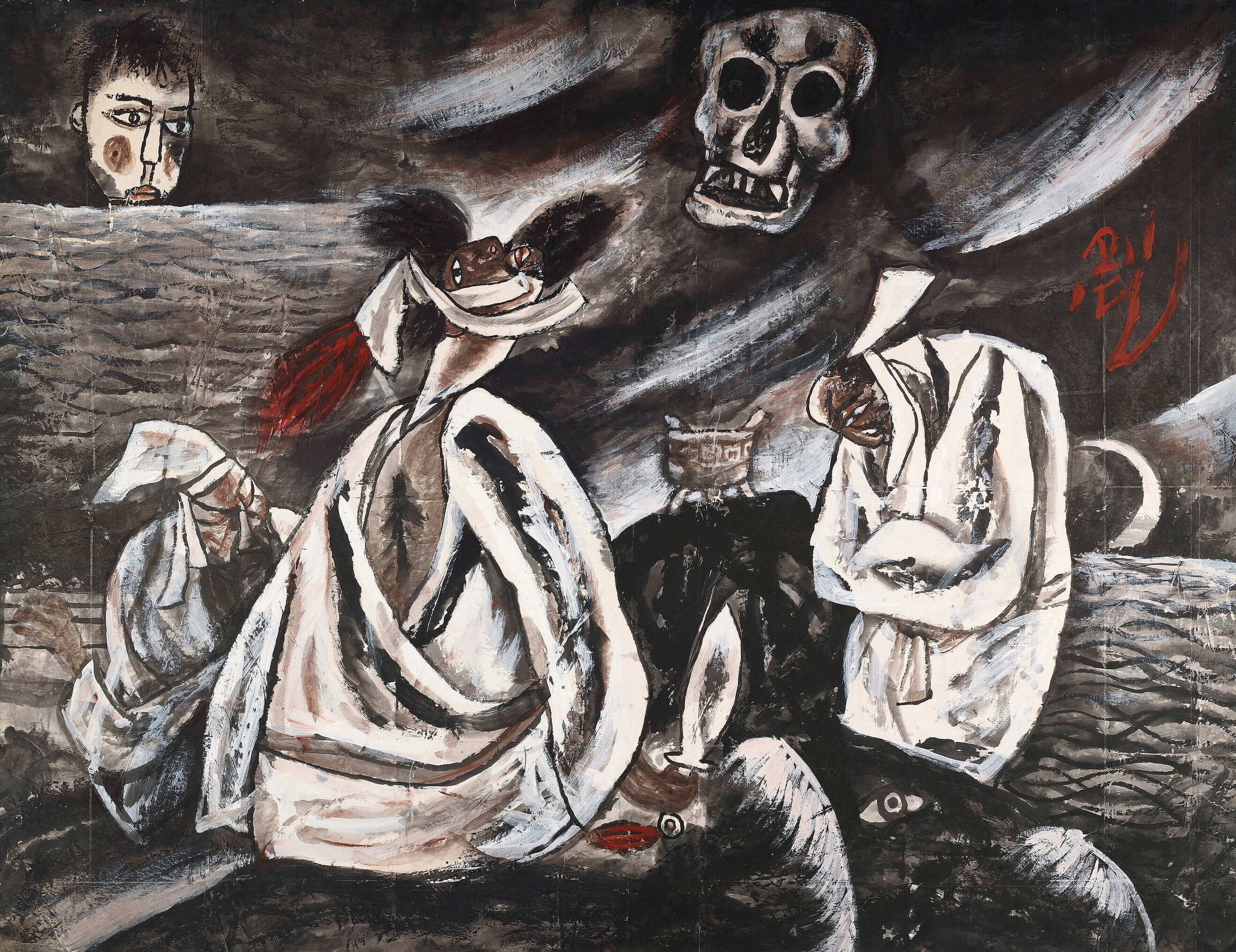
Even more significant was the record-breaking sale of Zhou Sicong's "Hiroshima Landscape" at the 2025 Autumn Auction. This representative work, created in 1986, ultimately changed hands for 15.525 million yuan, not only firmly placing it among the artist's top auction records but also opening up a multi-million yuan price range for contemporary ink painting through its narrative dimension within the global post-war art scene. Prior to this, the high-price range for contemporary ink painting had long been dominated by established traditional artists, with creators possessing both academic depth and contemporary concepts struggling to break through price barriers. The sale of "Hiroshima Landscape" completed a reconstruction of pricing logic—ink paintings with art historical value, historical narrative, and individual artistic expression now officially possess the ability to connect with the contemporary art collection system and challenge high prices.
If the 2025 autumn auctions were merely a preliminary test for leading auction houses, then the 2026 spring auctions evolved into a collective resonance across the entire industry. China Guardian continued to deepen its involvement in the "Chinese Contemporary Painting and Calligraphy" track, Beijing Poly restarted its independent "Chinese Contemporary Ink Painting" auction, and Xiling Seal Art Society launched its first dedicated auction of contemporary painting and calligraphy works. These three leading institutions, echoing each other from the top-tier players to regional hubs, formed a united force, jointly confirming the industry consensus that the sector has bottomed out and is recovering.
Unlike the past when auction houses focused on localized market trends,This round of recovery exhibits clear structural characteristics:Top-tier masterpieces are commanding premiums that have broken through recent ceilings, mid-priced artists are attracting high attention, and the collector base is undergoing a transformation.
This article takes three core auctions—China Guardian, Poly Auction, and Xiling Auction—as samples for in-depth analysis.The three core themes of price tier restructuring, the divergence in cross-exhibition performances by leading artists, and the shift in underlying market logic provide collectors and industry practitioners with a framework for market judgment.
I. Sector Overview: The coordinated efforts of three markets in the north and south validate the structural recovery.
This round of recovery in contemporary ink painting is not a general price increase, but a structural recovery driven by high-quality works and led by top-tier artists. The three auctions, due to differences in their selection strategies, academic support, and collector base, exhibit a clear gradient in popularity, thus providing a complete slice for observing the overall picture of the sector.
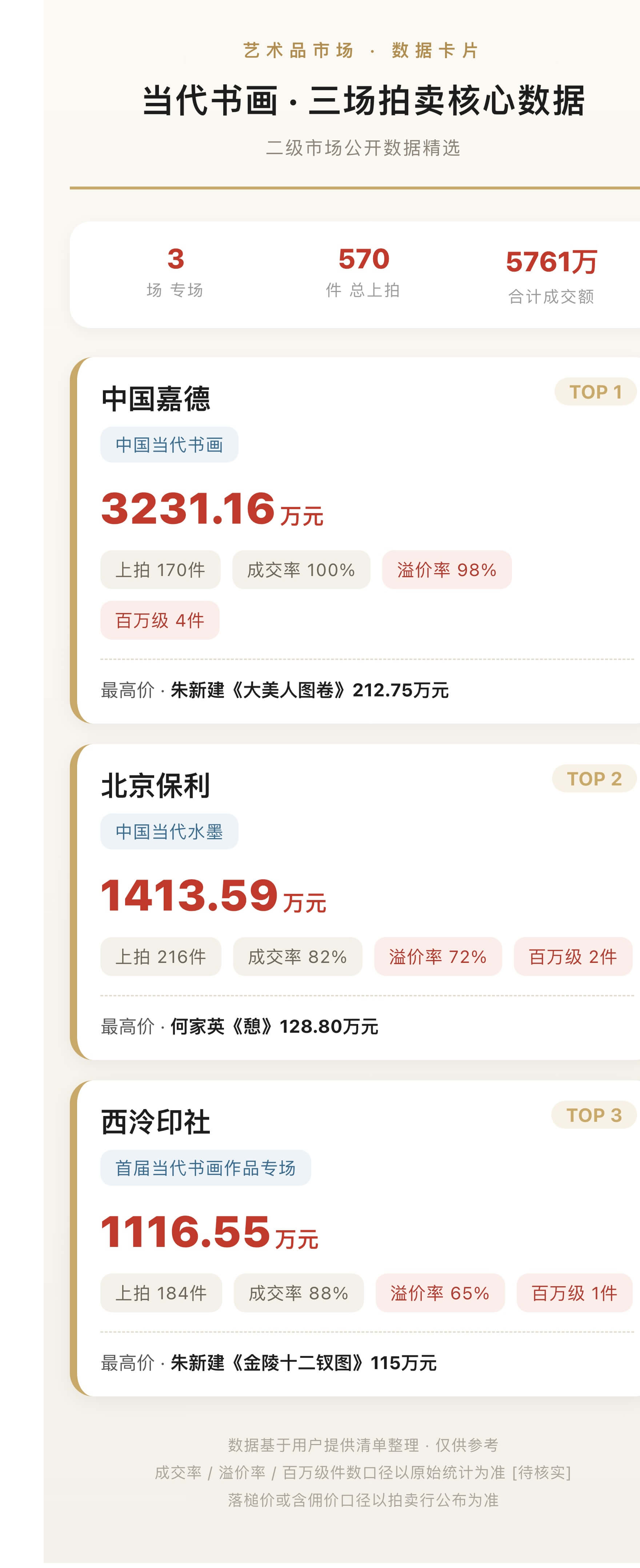
The data intuitively presents three core conclusions.:
First, the popularity of top-tier special events has made a substantial breakthrough.China Guardian's auction achieved a 100% sell-through rate and 98% of the lots exceeded their estimates, making it one of the most anticipated contemporary Chinese painting and calligraphy auctions in the past five years. The near-"white glove" sales figures demonstrate this success.After years of in-depth adjustments, high-quality artists have been fully accommodated, and the demand side is very well supported.
Second, the market trend is typically driven by "high-quality products" rather than a broad-based rally.Poly Auction and Xiling Auction both had lower sales rates and premium rates than China Guardian Auction. The core difference lies in the concentration of the quality of the lots. China Guardian Auction featured high-quality lots by two core IPs, Zhu Xinjian and Zhou Sicong, while the other two auctions had slightly weaker top lots, resulting in a gradient difference in overall popularity.
Third, a basic consensus has been reached in the industry.From Beijing to Hangzhou, from comprehensive leaders to regional leaders, the simultaneous increase in investment in the contemporary ink painting sector by these three auction houses is the clearest industry signal: as market front-end observers, auction houses have collectively judged that the sector has entered a recovery cycle and are making early moves to secure their positions in the field.
II. Price Map: From Anchor Point to Incremental Growth
The most fundamental change in this round of market activity is the reshuffling of the pricing system for contemporary ink painting. The previous single logic of "pricing based on reputation" has been broken, replaced by a multi-dimensional pricing system based on "academic value + liquidity + scarcity," ultimately forming a clear four-tier structure.
(I) Absolute Anchor Point: Zhu Xinjian's Cross-Field Dominance
Zhu Xinjian is the only artist in this round of market activity to achieve cross-regional and cross-auction house verification, and alsoIt is widely recognized as the "anchor of fluidity" in the contemporary ink painting sector. However, its performance exhibited subtle differences across three different sessions.This reflects the different aesthetic preferences and product selection logic of different markets.
1. Guardian's home ground
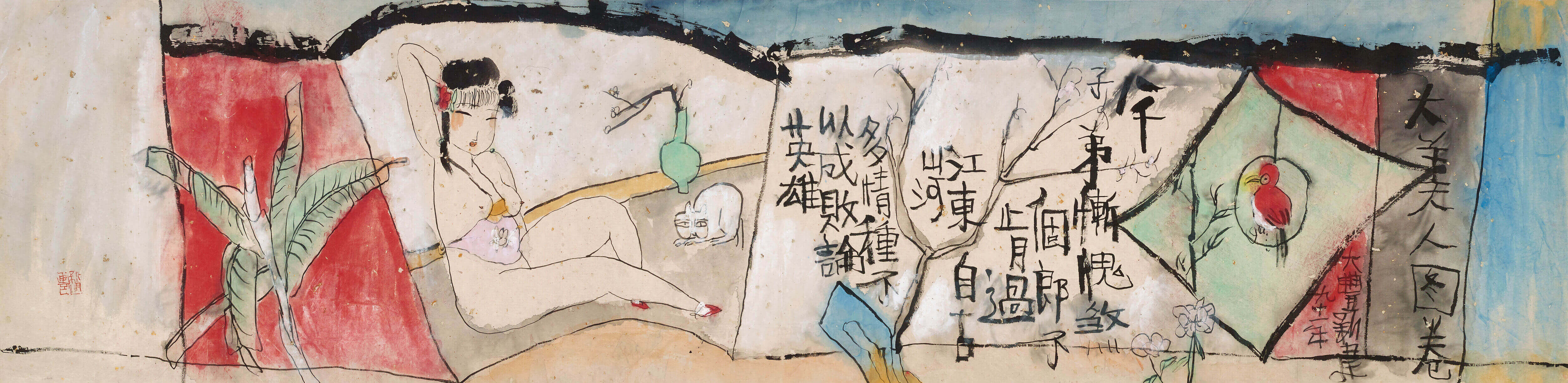
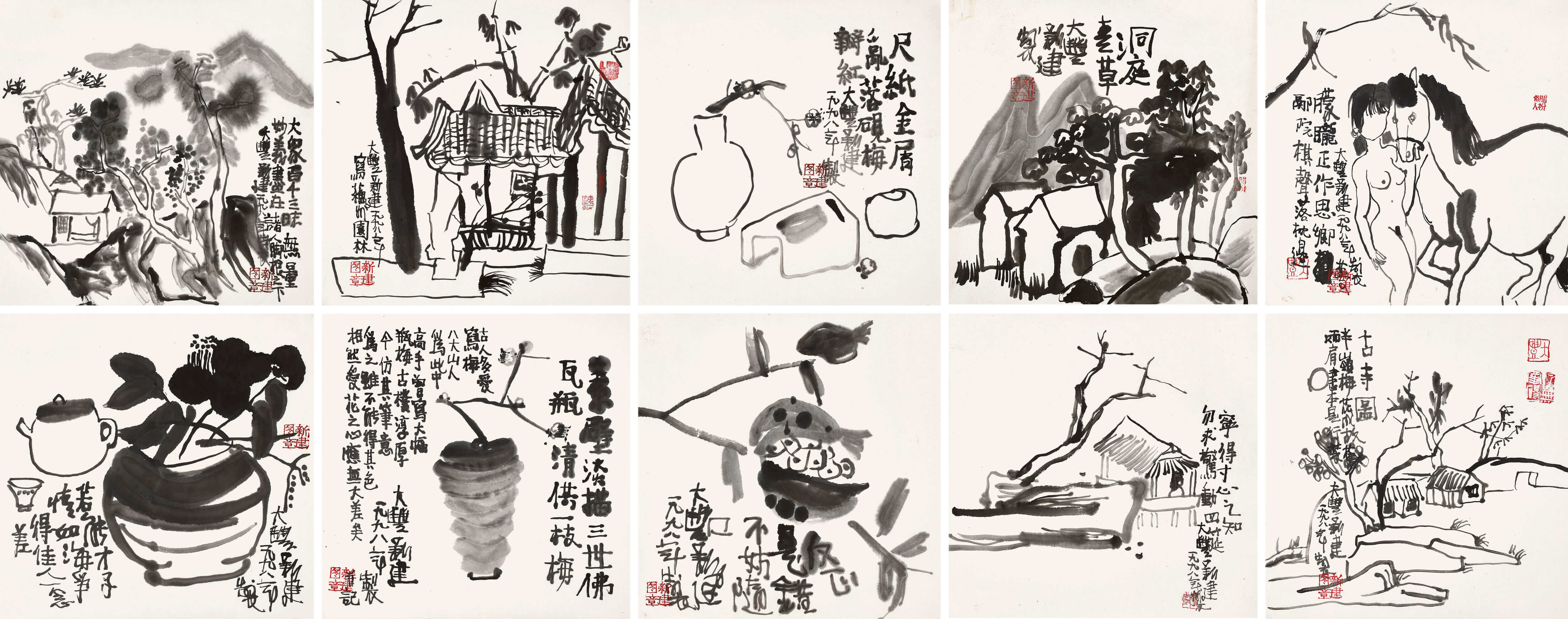
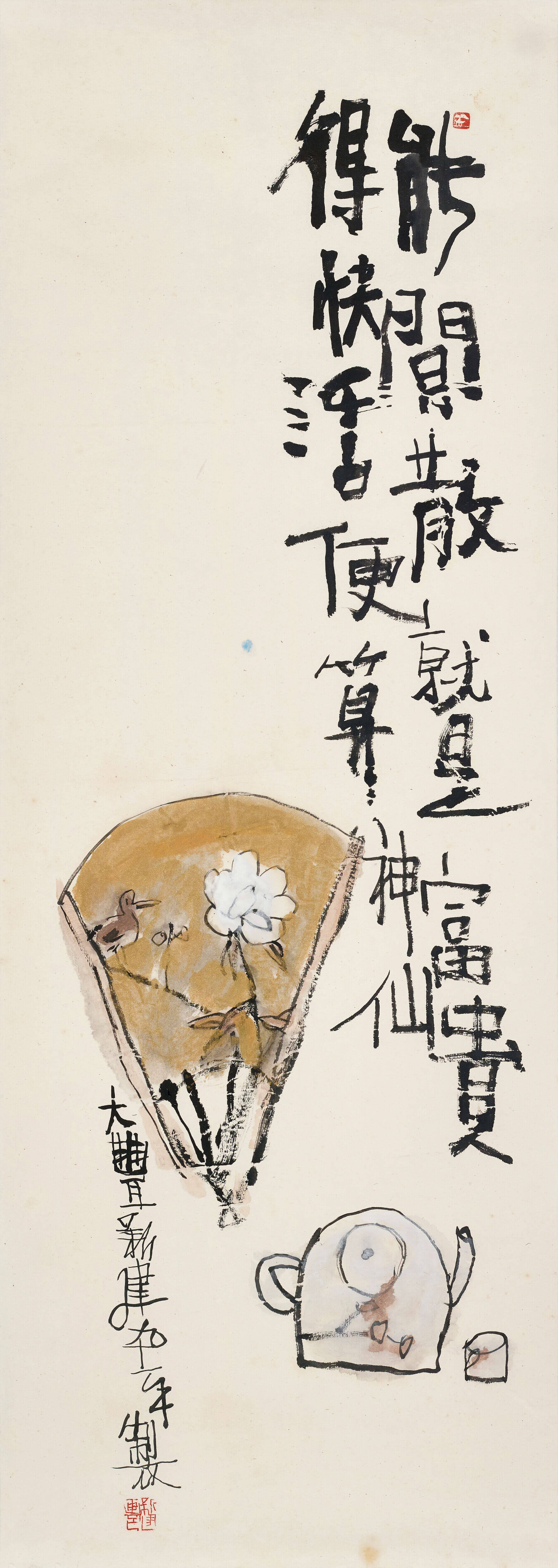
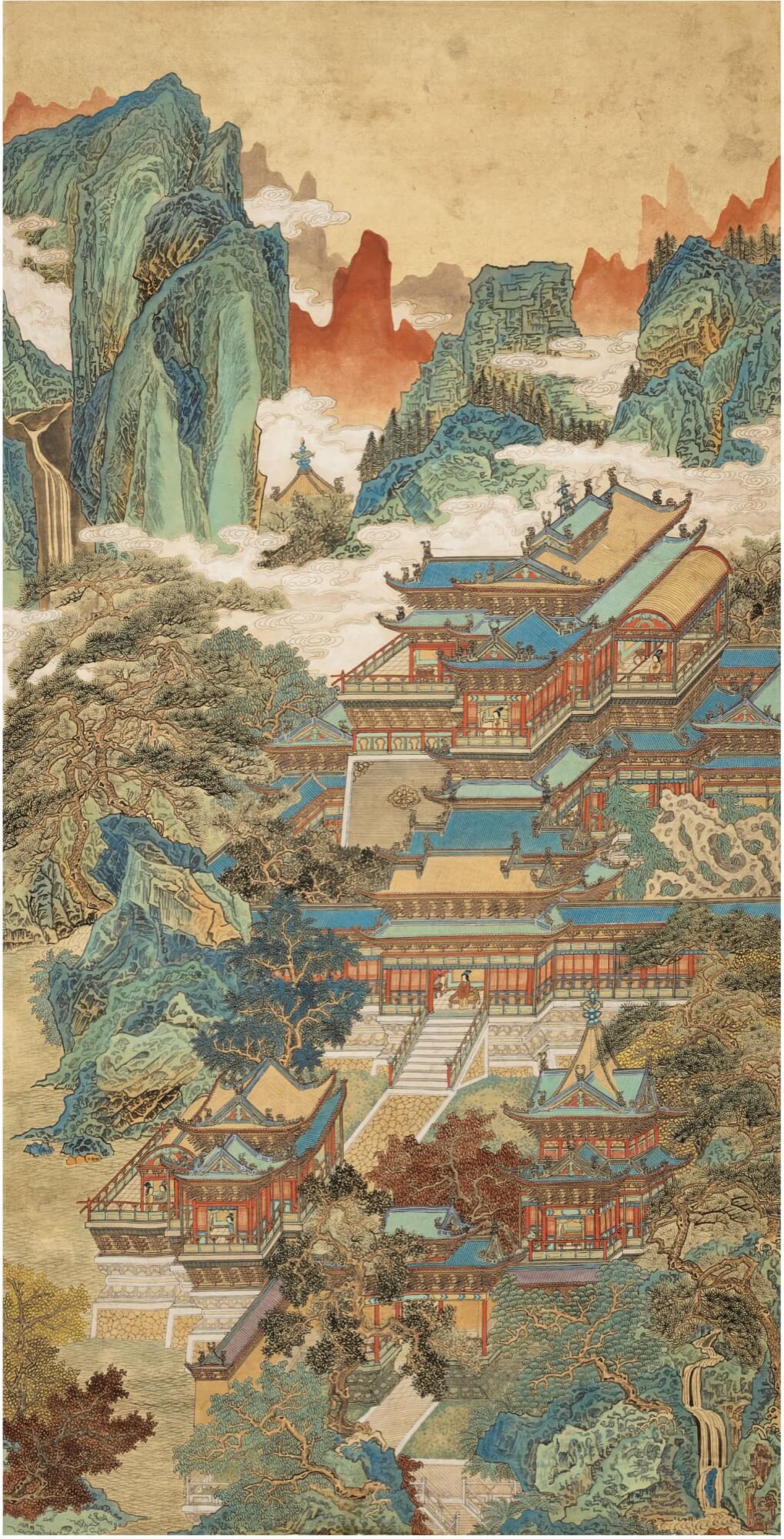
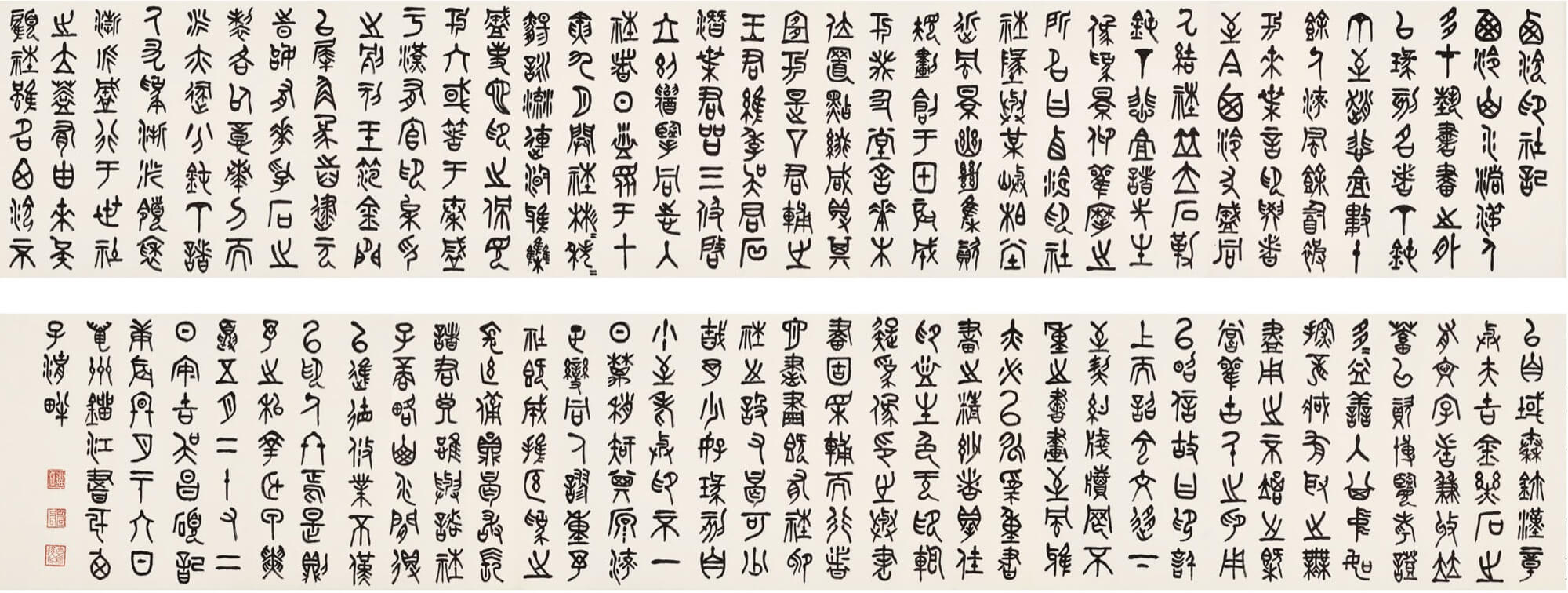
At the China Guardian auction, Zhu Xinjian was the undisputed star of the entire event: he occupied three of the top 10 spots, with "The Great Beauty Scroll" taking the top spot at 2.1275 million yuan, "Scattered Gold Flakes on a Foot of Paper" tying for second place at 1.38 million yuan, and "Wealth and Prosperity" entering the mid-to-high price range at 517,500 yuan.
The pricing logic best reflects its market acceptance: both top-tier works were auctioned without reserve, yet still fetched million-dollar prices, entirely driven by genuine market demand and without any artificial inflation of estimated prices. This confirms the market consensus:Zhu Xinjian's fine works are the closest category to "hard currency" in contemporary ink painting, leading the pack in terms of circulation and marketability.
2. Xiling: A Special Event Supported by Regional Cultural Context
At the inaugural Xiling Seal Society Contemporary Painting and Calligraphy Auction, Zhu Xinjian's "Twelve Beauties of Jinling" sold for 1.15 million yuan, the only item to reach the million-yuan mark and setting a new price ceiling for the entire auction. The work was estimated at only 300,000-500,000 yuan, ultimately selling for more than double its estimate, demonstrating its outstanding premium pricing power.
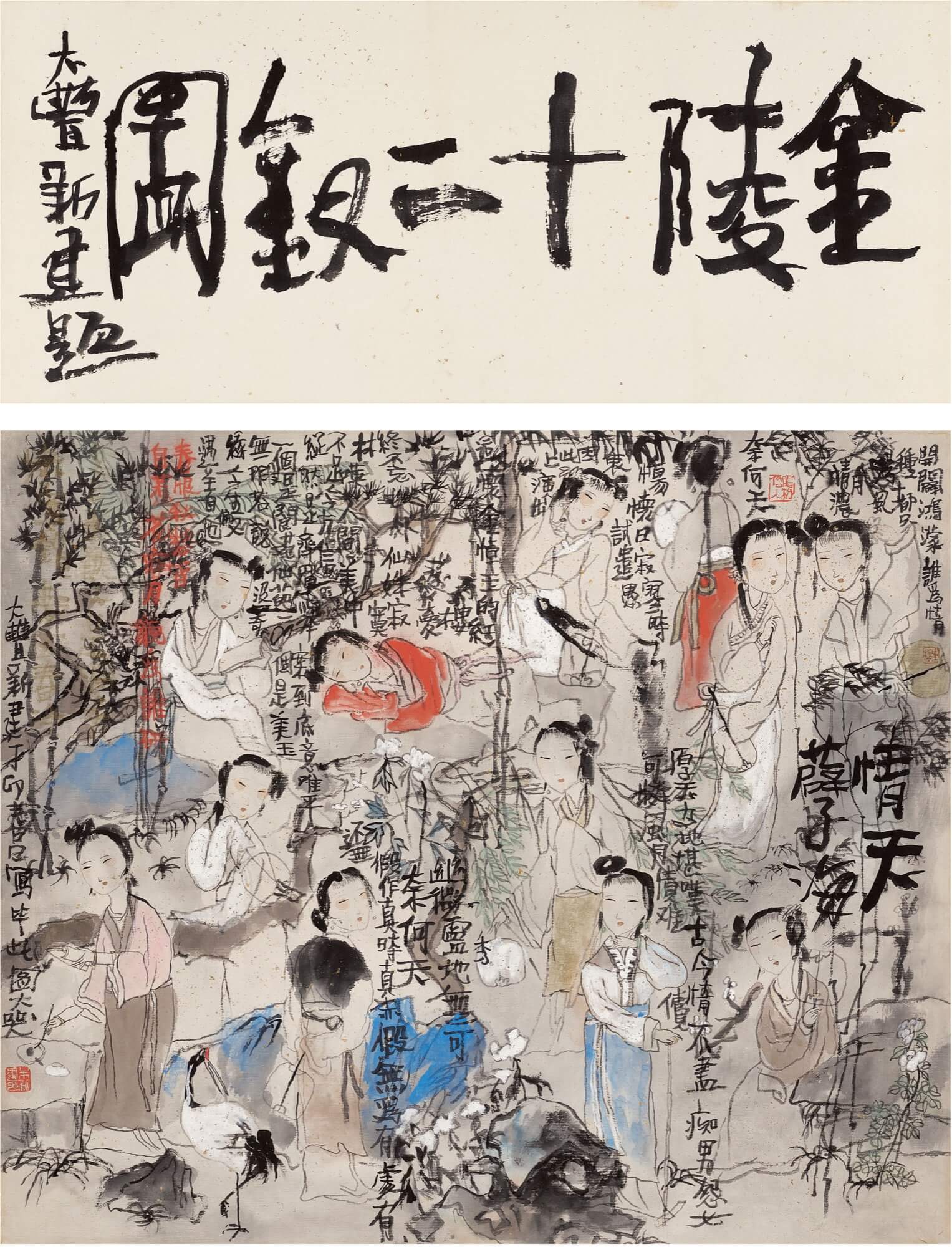
Unlike China Guardian's nationwide market, Xiling Auction's main market is in the Jiangsu and Zhejiang regions. Zhu Xinjian, as an artist from Nanjing, is a core representative of contemporary literati painting within the New Jinling School of Painting. This sense of regional cultural identity adds extra collectible value to his works. This demonstrates that Zhu Xinjian's market reach extends beyond core collectors in the north, and he also possesses strong appeal within the Jiangsu and Zhejiang region.
3. Poly's Absence: Market Segmentation Behind the Divergence in Product Selection Strategies
It is worth noting that in Beijing Poly's newly revived contemporary ink painting auction, no landmark works by Zhu Xinjian appeared; the top lots were mainly by He Jiaying and Fan Zeng. This is not accidental, but rather a clear divergence in the auction houses' selection strategies:
Poly Auction's contemporary ink painting auction leans more towards the logic of "extending traditional calligraphy and painting," focusing on academic realism and well-known traditional masters, which aligns with the aesthetic habits of traditional calligraphy and painting collectors; while Zhu Xinjian's new literati painting, on the other hand, is more geared towards younger collectors and cross-disciplinary contemporary art collectors.
This differentiation precisely illustrates that a segmented market is emerging within contemporary ink painting, with different styles corresponding to different collector groups, and it is no longer a single aesthetic system.
4. Zhu Xinjian, as the artist with the highest marketability, still has a multi-million dollar price ceiling to break.
Historically, Zhu Xinjian's highest publicly auctioned work is 6.325 million yuan (a triptych titled "Void Earth," sold at Xiling Yinshe in 2014), which has not yet broken the 10 million yuan mark. Compared to artists of similar stature, his marketability, number of works offered at auction, and sales rate are all firmly in the top tier of contemporary ink painting, but there is still significant room for the highest price per piece to rise.
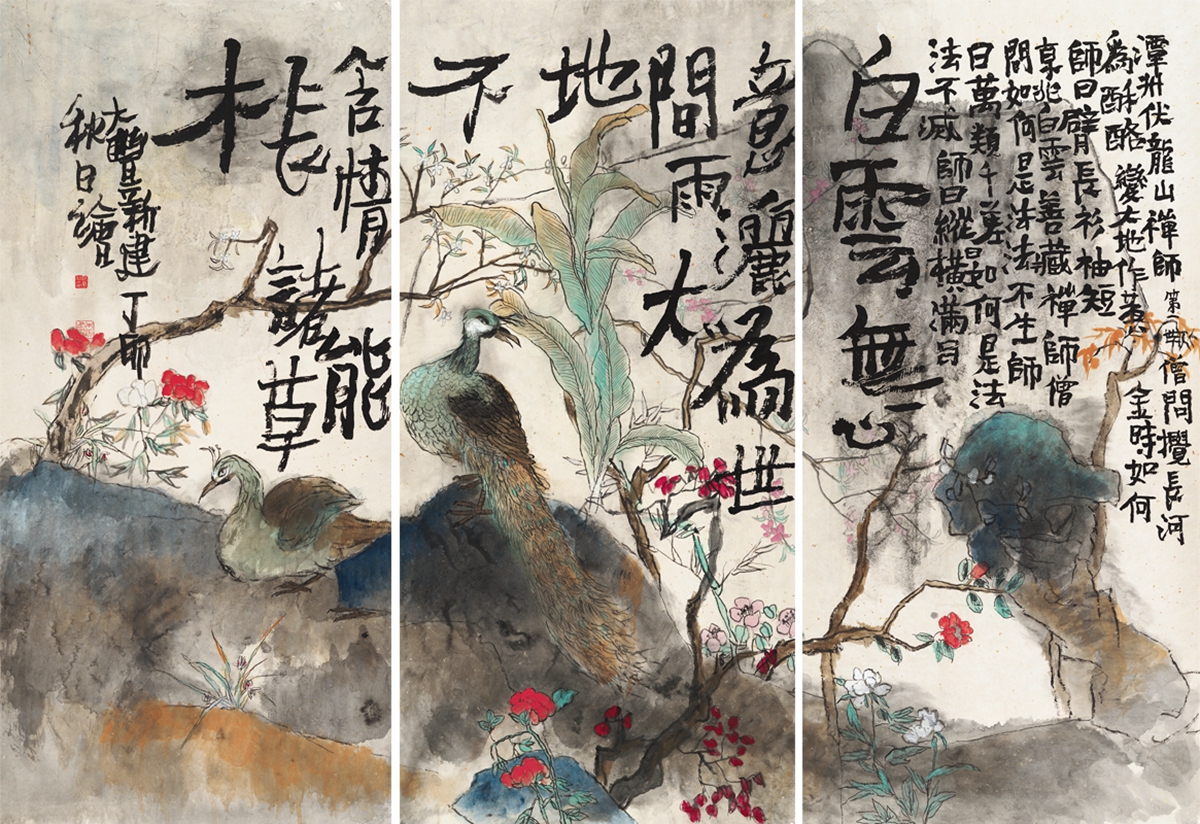
In this round of spring auctions, the prices of top-quality works remained stable in the range of 1 million to 2 million yuan, and high premiums were maintained, essentially solidifying the bottom price foundation. With the overall recovery of the sector and the continued entry of cross-industry collectors, it is highly likely that representative works will reach tens of millions of yuan, which is also the most noteworthy price breakthrough point for the sector in the next 2-3 years.
(II) Value Reassessment: Zhou Sicong's Leap in Academic Pricing
If Zhu Xinjian is the "anchor of traffic" for market consensus, then Zhou Sicong is the core example of "value reassessment" in this round of market activity.Pricing logic is breaking out of the traditional framework of "outstanding female painters" in the calligraphy and painting circle and entering the global evaluation system of postwar art, thus opening up the price ceiling.
1. Guardian Special Topic
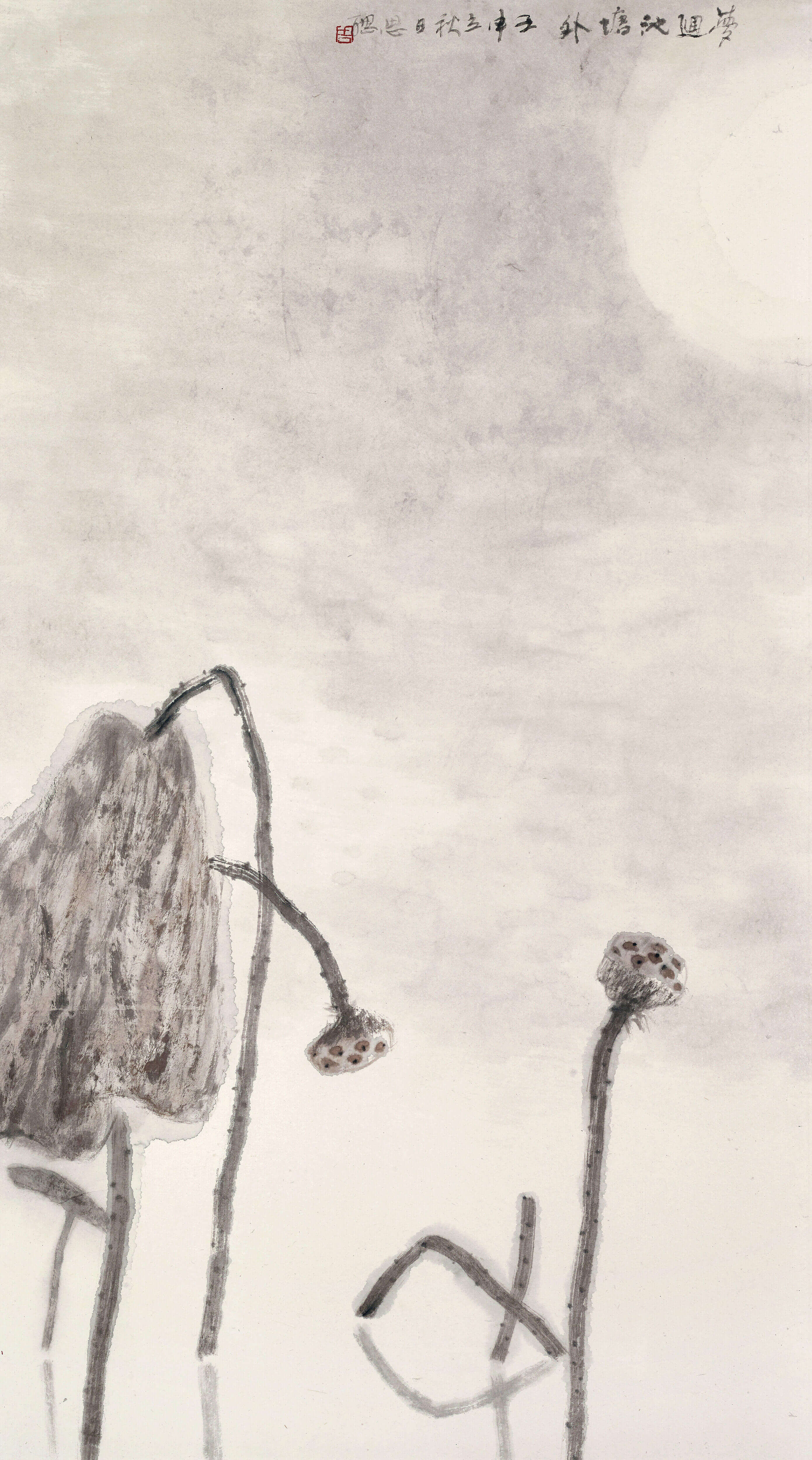
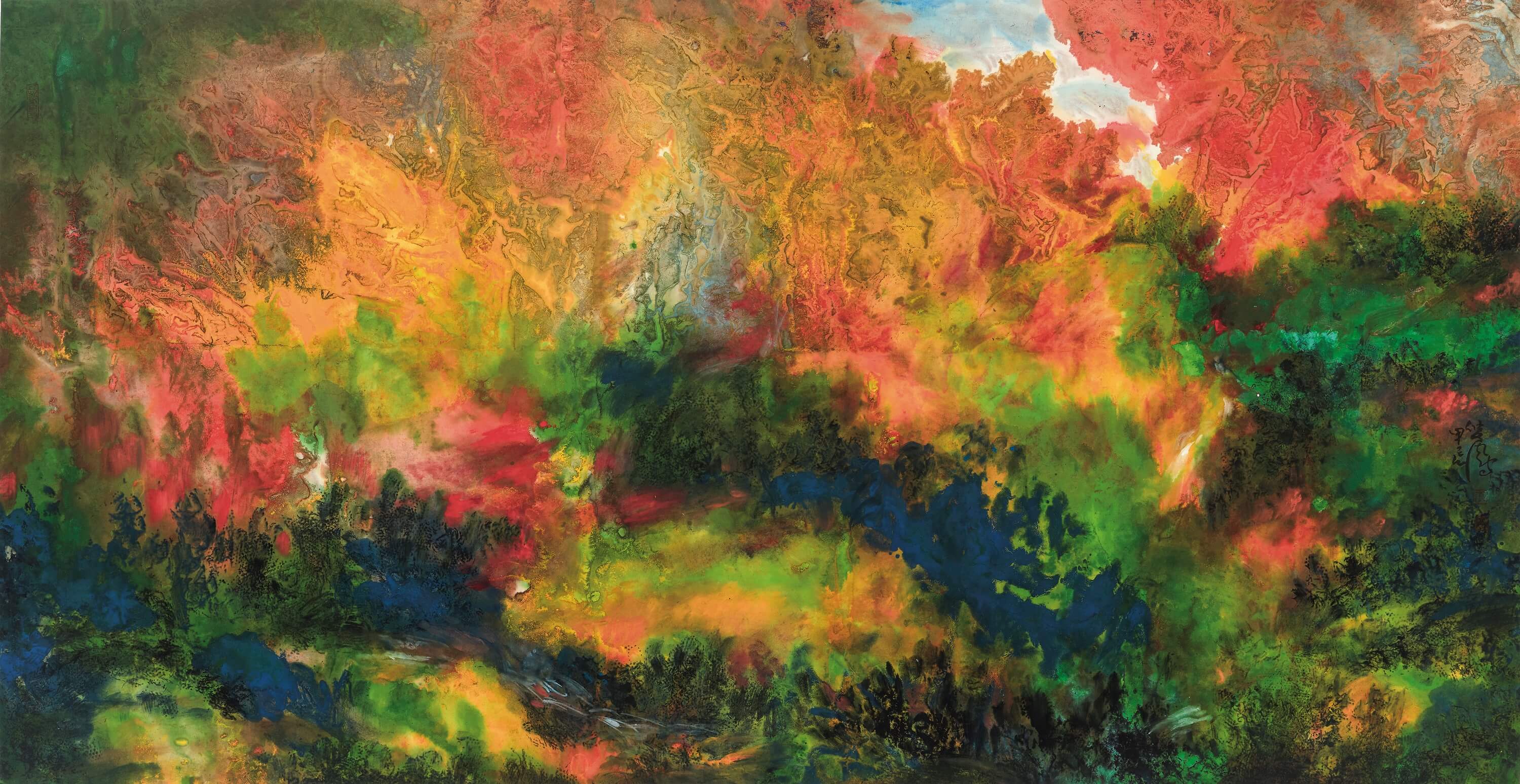
The most notable event at this Guardian auction was the exceptionally high level of attention given to the Zhou Sicong themed painting. Bidders were extremely active, with the rare and large-scale "Autumn Forest with Firewood" selling for 862,500 yuan, and "Dreaming Back to the Pond" selling for 483,000 yuan.
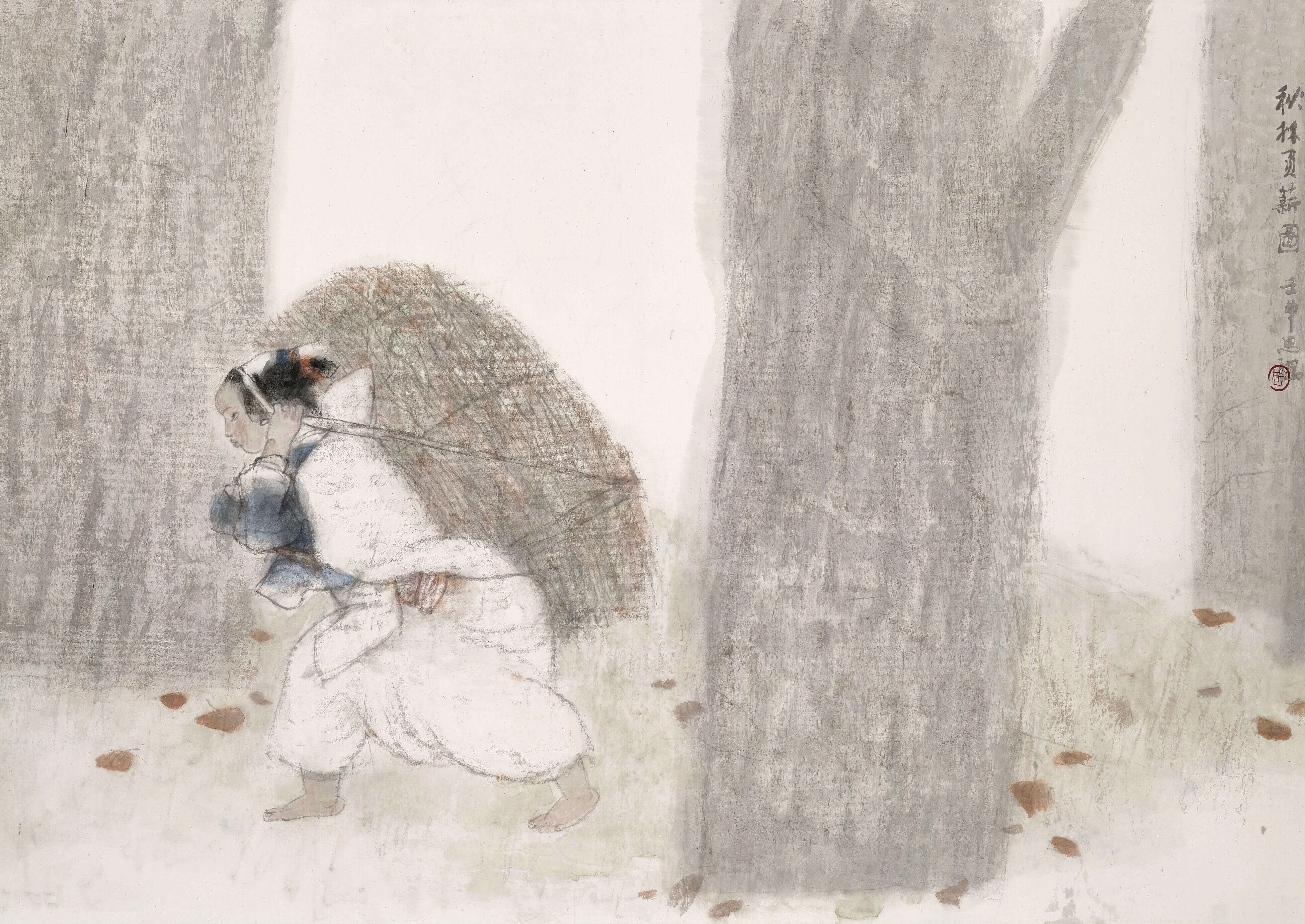
Such a high premium is definitely not the work of traditional calligraphy and painting collectors.Looking at the composition of the buyers at the auction, a large number of bidders came from the contemporary art collecting circle. They judged Zhou Sicong's value by the standards of global postwar art, believing that his "Miners' Picture" series belonged to the same thematic dimension as the works of Bacon and Kiefer, and that the current price was far from matching his status in art history.
This difference in pricing across different circles means that the traditional calligraphy and painting circle prices works based on "reputation + size," while the contemporary art circle prices works based on "historical significance in art history + scarcity of the work." The price difference between the two represents the potential for value revaluation and appreciation.
2. The core benchmark of the contemporary ink painting ten-million-yuan club
Zhou Sicong is currently the only artist in the contemporary ink painting field with multiple works sold for tens of millions of yuan. His high-priced works constitute the price ceiling of the sector and establish a high value for the entire industry.
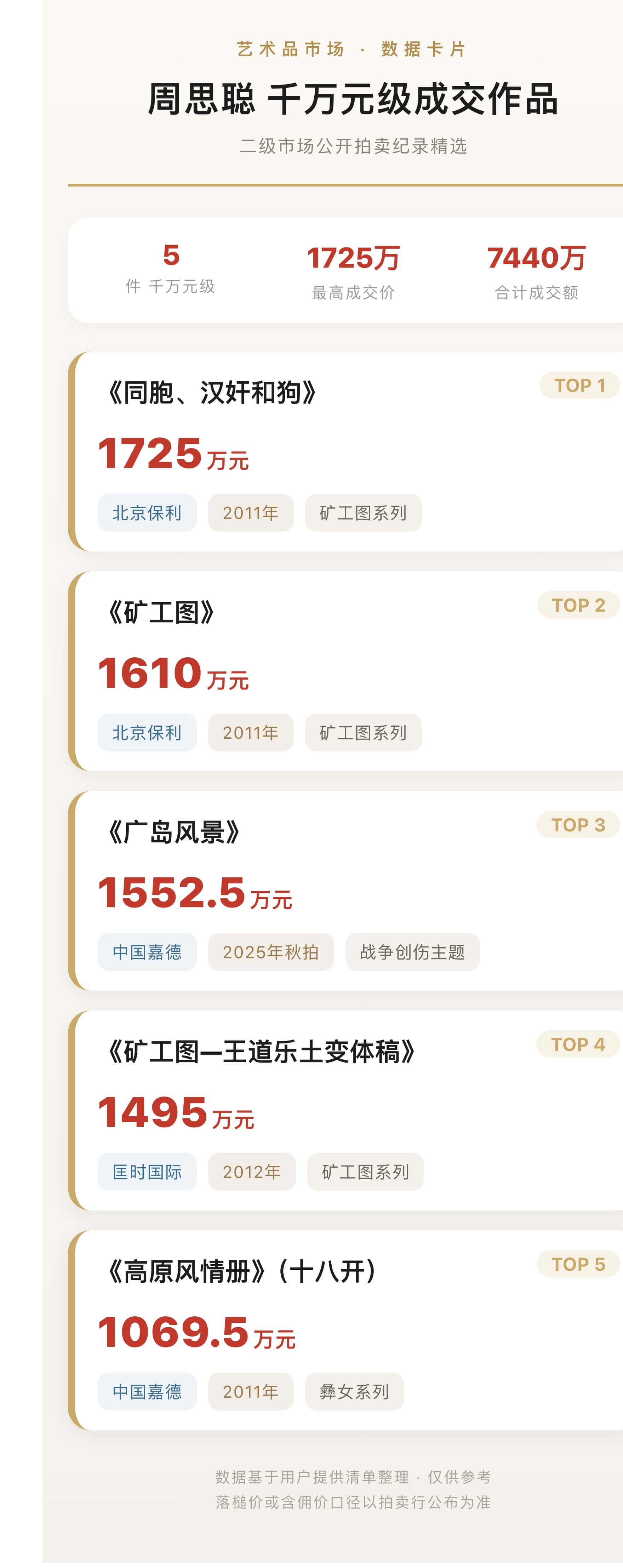
The existence of works worth tens of millions has significance for the sector far beyond a single high price.It provides a clear price anchor for mid-range works—since representative works from the peak period are worth tens of millions, the price center of fine works and small-to-medium-sized fine works from the same period has an upward reference.
The fact that "Hiroshima Scenery" sold for 15.525 million yuan at the China Guardian auction in 2025 directly drove up the collective premium of Zhou Sicong's small and medium-sized works in this round of spring auctions, is the most direct verification.
3. Poly and Xiling are absent from Zhou Sicong's contract.
Unlike Zhu Xinjian's active presence across various auction sectors, Zhou Sicong's market performance exhibits a strong regional focus: only China Guardian has a dedicated section for him in this round of spring auctions, while Poly Auction and Xiling Auction have no core representative works up for auction.
There are two reasons behind this: First, Zhou Sicong's valuation was primarily driven by the Beijing market.Through years of continuous cultivation of collectors' understanding through the "Sounds of the Century" special project and academic exhibitions, China Guardian has completed the iteration of collectors' knowledge.Other markets still perceive him as a traditional figure painter and have not yet followed the pricing logic of postwar global art.
Secondly, Zhou Sicong's collection of fine works is small in number and comes from a concentrated source.Most of the high-quality works are concentrated among collectors in the north, Southeast Asia and their families, and other auction houses have a greater difficulty in collecting them.
This regional perception gap presents a window of opportunity for collectors: once the Beijing market has completed its first round of value reassessment, a catch-up rally in regional markets such as Jiangsu and Zhejiang is highly likely to follow. Investing in assets with perceived differences in recognition in advance is a typical profit-making strategy in this cycle.
(III) Ballast Stone Team: The Stable Base of Fan Zeng, Huang Yongyu, and He Jiaying
The second tier consists of three evergreen figures in the market: Fan Zeng, Huang Yongyu, and He Jiaying. They share common characteristics: high public recognition, a broad collector base, and a mature pricing system, making them "stabilizers" in the contemporary ink painting sector.
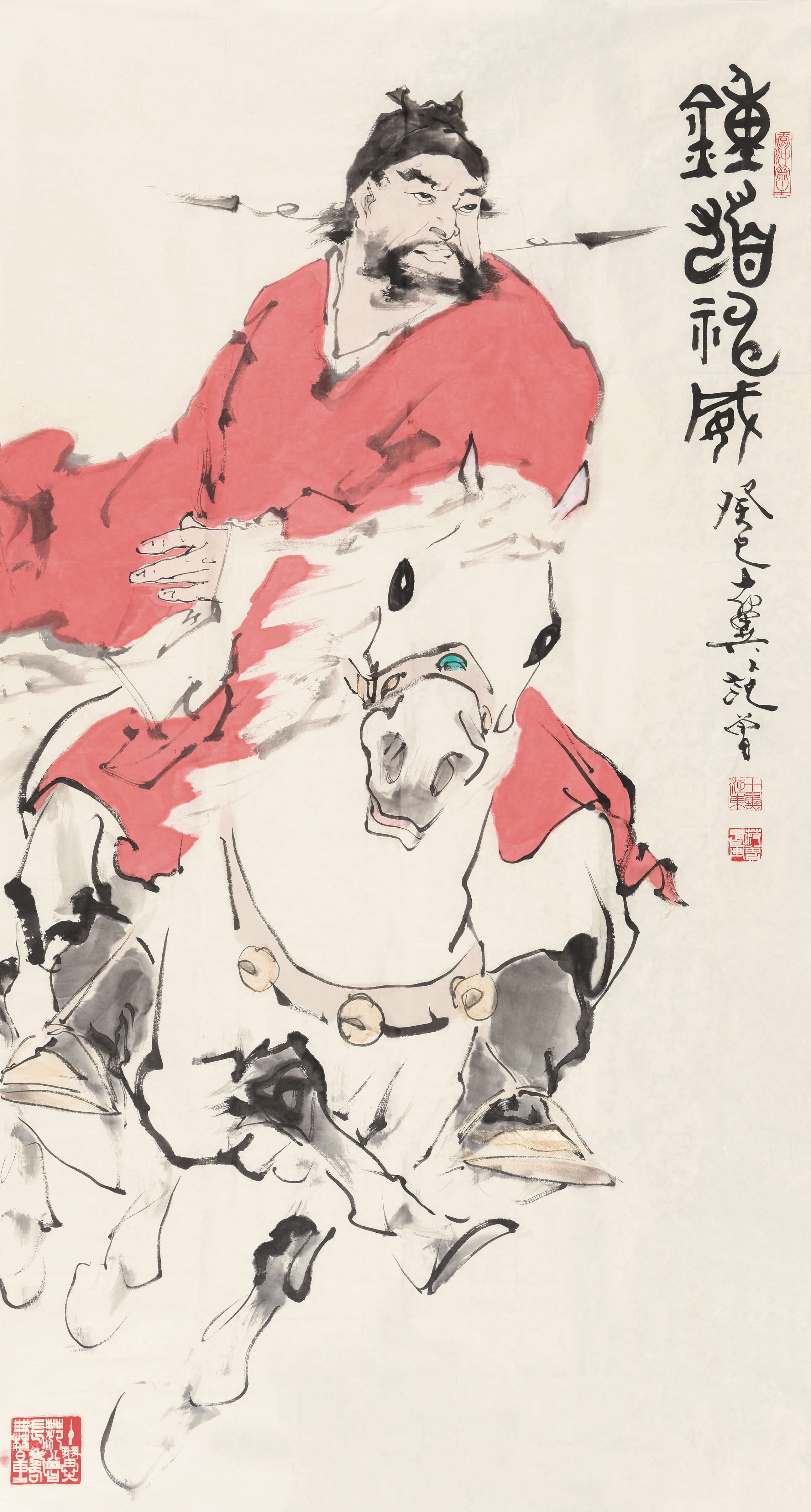
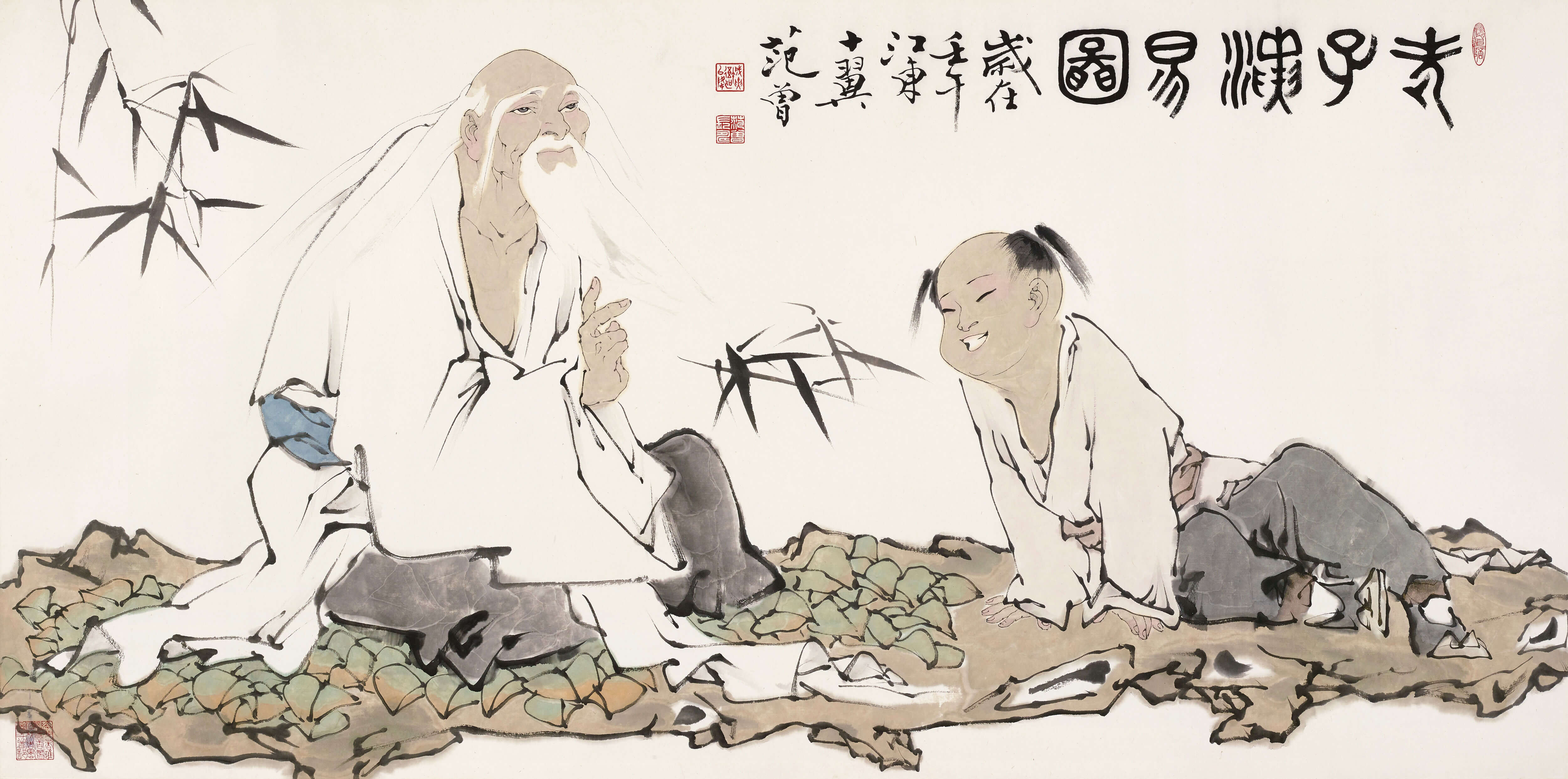
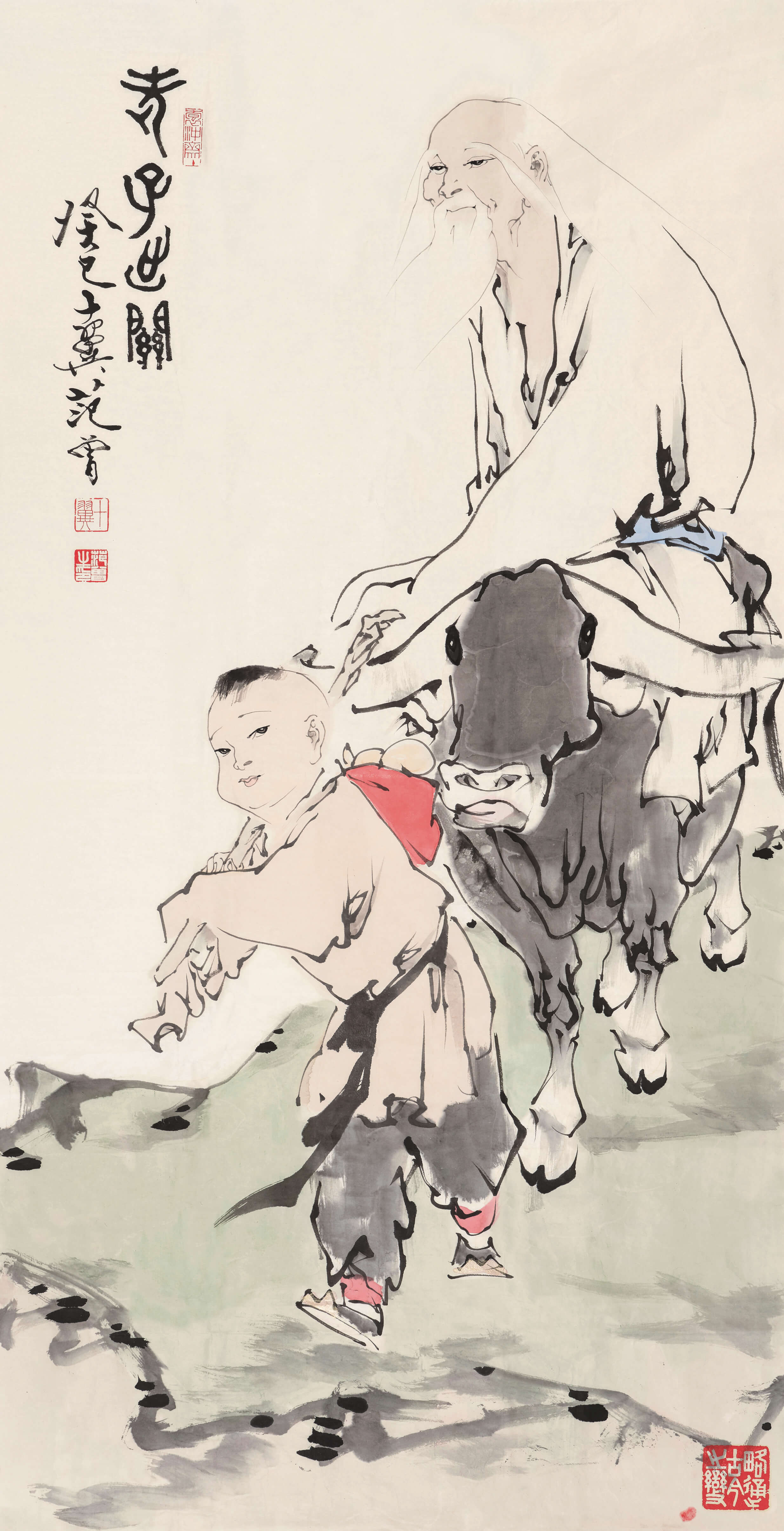
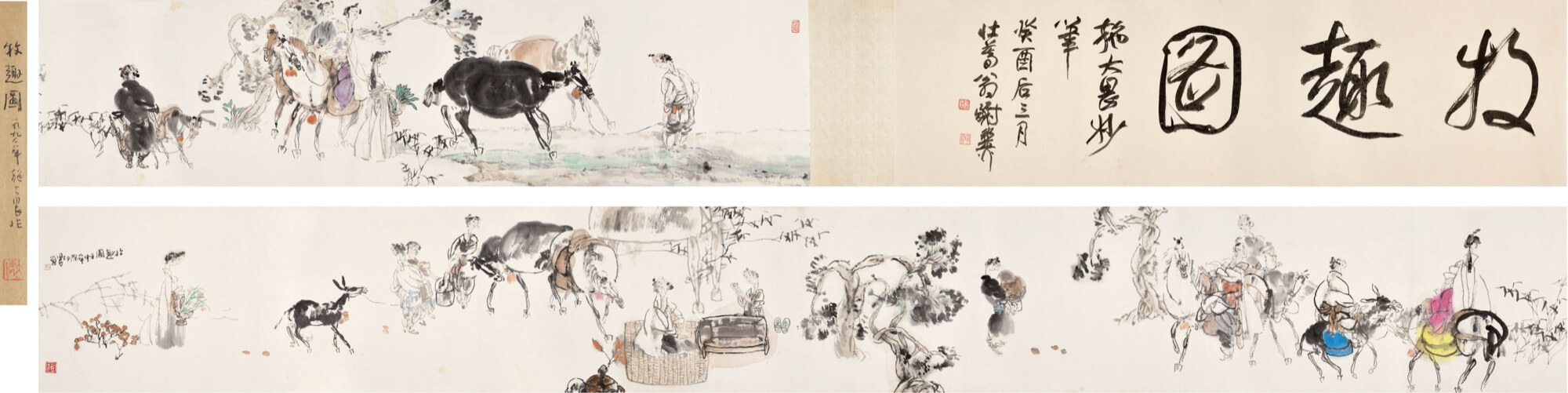
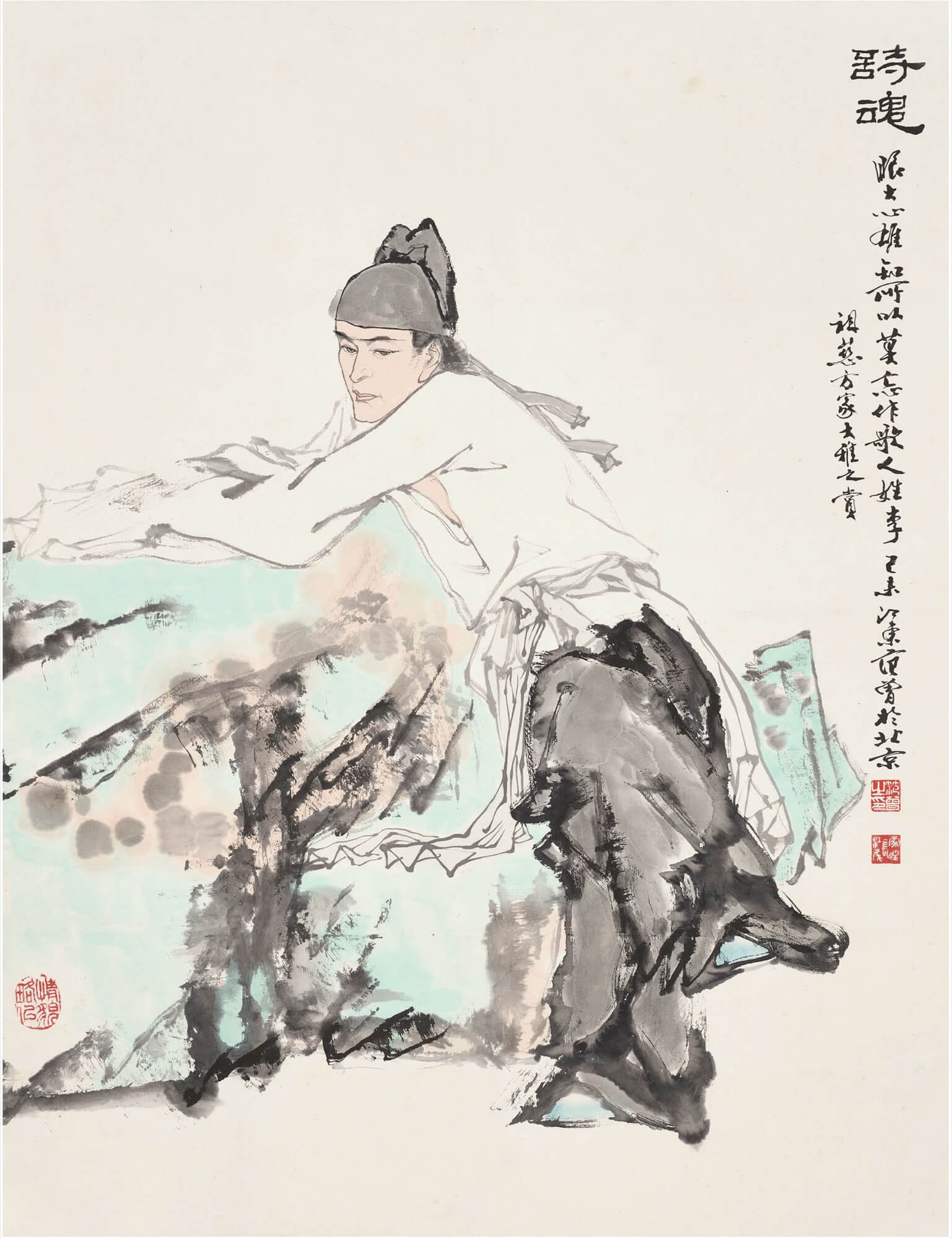
Fan Zeng: All three auctions saw works sold, making him the only artist to achieve full coverage across all three auction houses. His works were sold at China Guardian ("Laozi Interpreting the I Ching") for 575,000 yuan, Poly Auction ("Zhong Kui's Divine Power") for 1,035,000 yuan, and Xiling Auction ("Poetic Soul") for 201,250 yuan, covering a price range from hundreds of thousands to millions of yuan. His works appeal to both traditional collectors and general collectors, making him a highly sought-after artist among collectors.
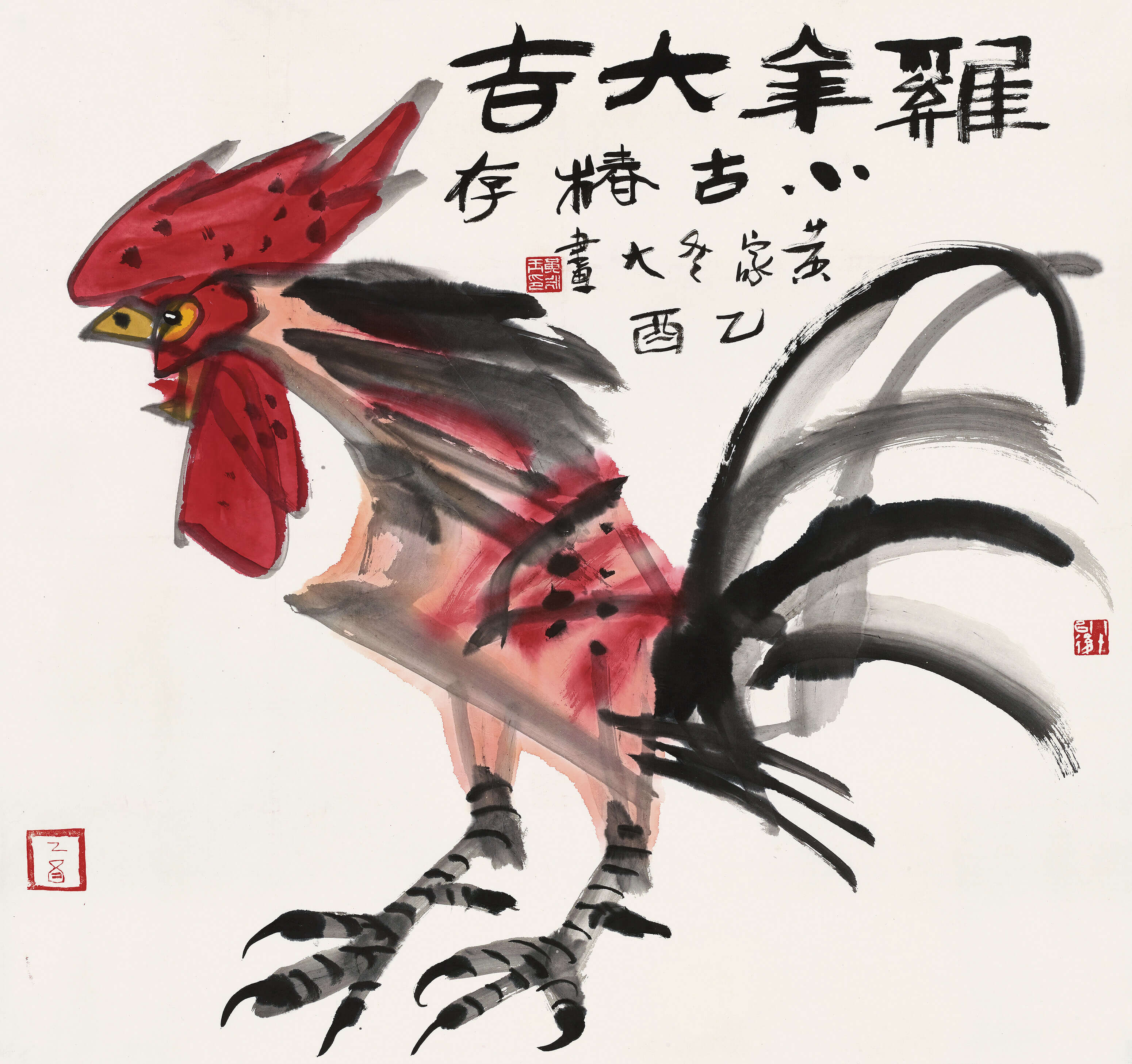
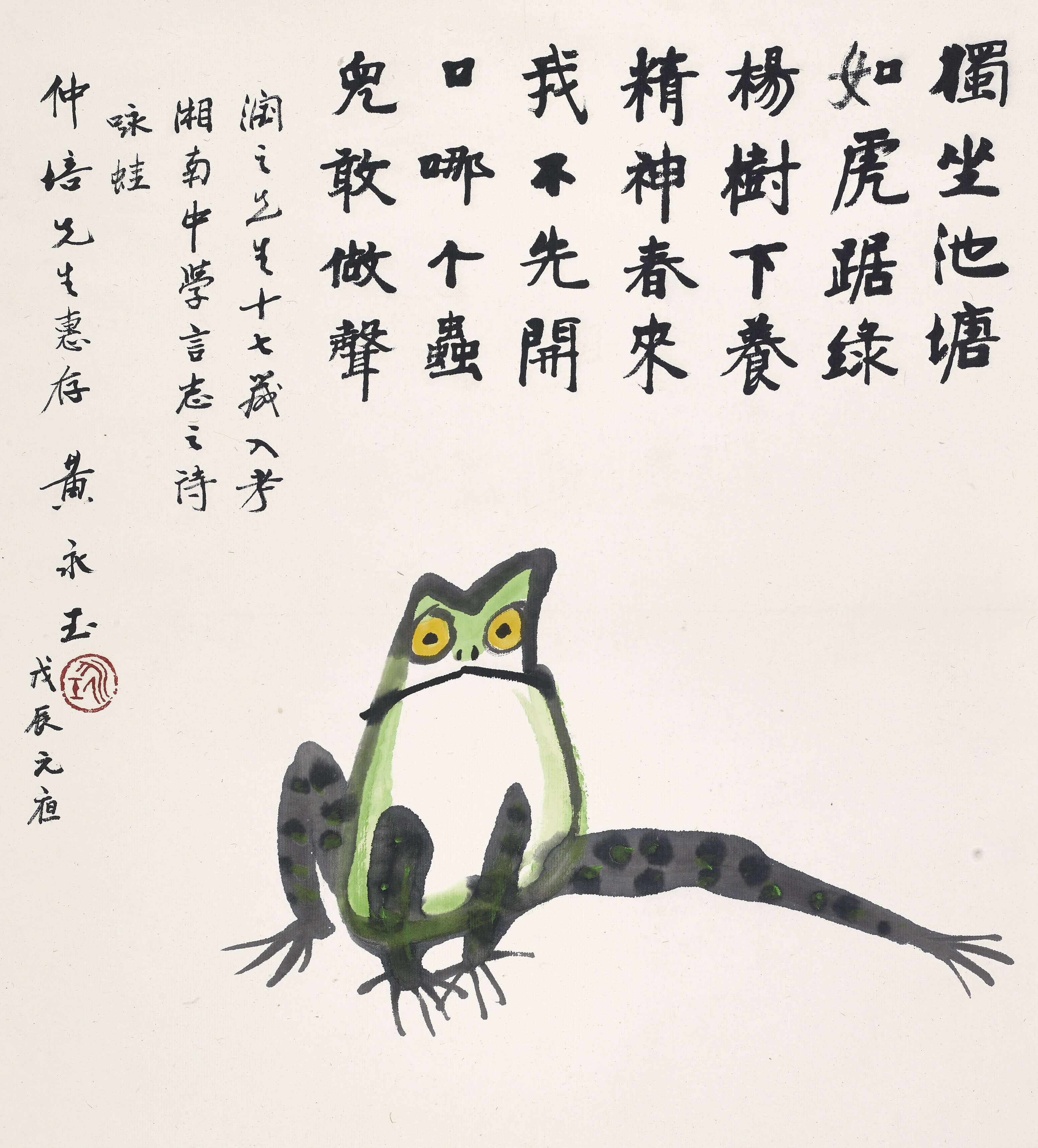
~Huang Yongyu: He also appeared in all three auctions, with most of his works priced between 300,000 and 600,000 yuan, exhibiting excellent liquidity. His works feature popular themes and are highly recognizable, possessing both decorative qualities and appealing to new collectors, thus contributing significantly to market liquidity.
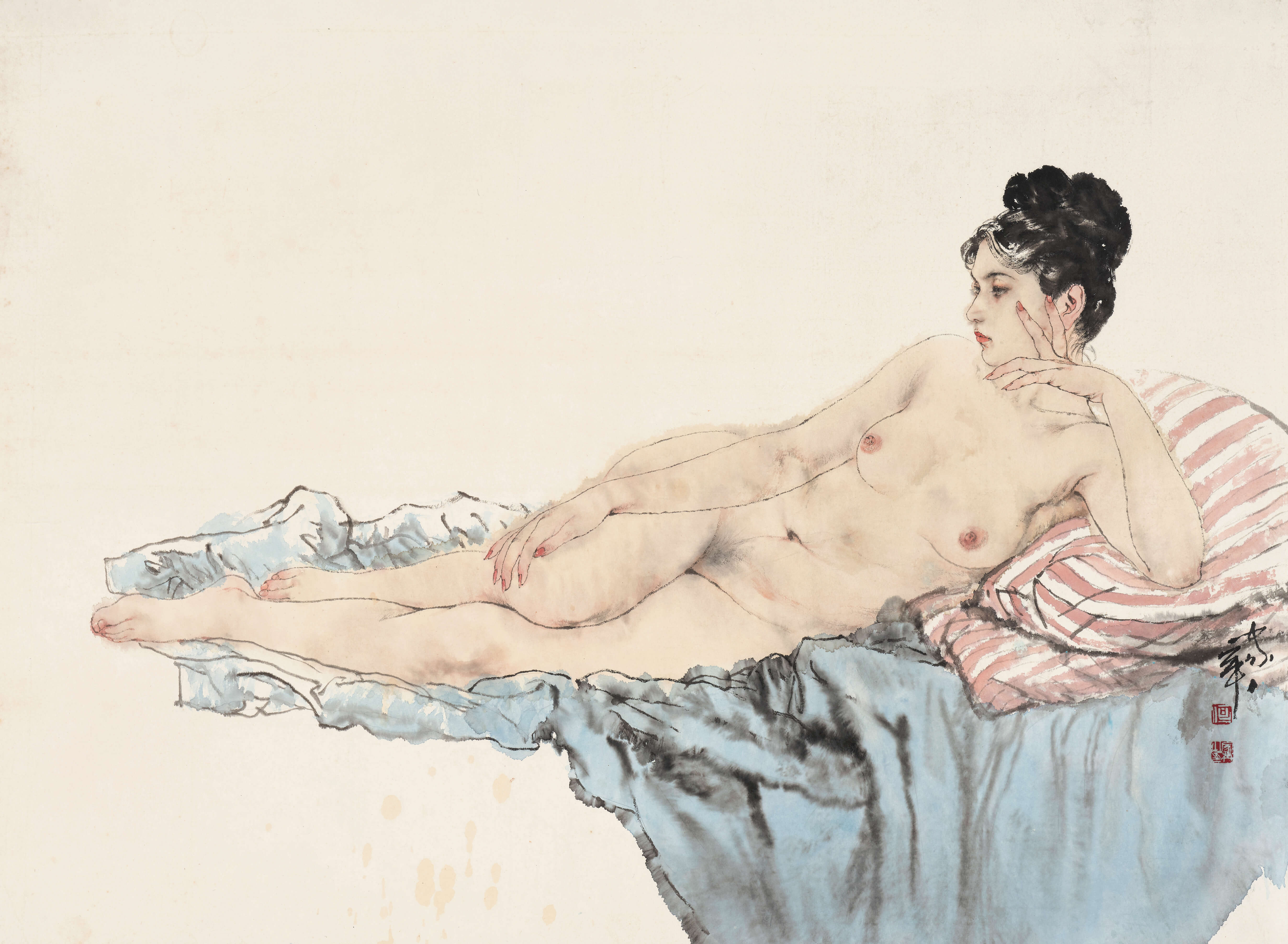
~He Jiaying: The pillar of the Poly Auction, his work "Rest" won the overall championship with 1.288 million yuan. As a benchmark of academic realist figure painting, his works have the broadest base of traditional Chinese painting and calligraphy collectors, with a mature pricing system and little fluctuation, making them a core holding for conservative collectors.
III. Underlying Logic: Collector Replacement and Aesthetic Shift Driving This Round of Recovery
This current revival of contemporary ink painting is not essentially a short-term rebound driven by speculative investment, but rather a medium- to long-term turning point brought about by the evolution of collector demographics and the reconstruction of aesthetic standards. These two core changes determine that the sustainability of this trend will be far stronger than in the past.
1. The main buyers have shifted from "expert resellers" to "end-user collectors".
Several industry insiders confirmed that the most significant change in this auction was the sharp decline in the participation of traditional secondary market experts, with the main bidding force shifting to end-user individual collectors who were collecting for their own use.
The past slump in the contemporary ink painting market was largely due to speculative trading by experts, resulting in insufficient genuine demand from collectors and inflated prices without any support. In the current market upturn, however, buyers are focused on genuine collecting, leading to more rational bidding and longer holding periods, resulting in a more solid price floor.
This structural change means that contemporary ink painting is shifting from a "speculative commodity" to a "collectible commodity," and the underlying support for the market is shifting from financial speculation to real demand, significantly improving its sustainability.
2. Cross-industry capital inflow: Contemporary art collectors reconstruct aesthetic standards
The largest influx of funds in this round of market activity came from cross-disciplinary collectors who were originally deeply involved in oil painting and classical and contemporary art. Their entry not only brought fresh capital but also reshaped the aesthetic standards of contemporary ink painting.
Traditional Chinese painting and calligraphy collectors value "the reputation of the artist, the skill of the brushwork, and the size of the piece" when selecting works; while contemporary art collectors from other fields place more emphasis on "academic status, historical narrative, rarity of the work, and the artist's personal style".
This shift in aesthetic tastes directly led to two outcomes: first, artists like Zhou Sicong, who combined contemporary relevance with academic merit, were revalued; second, artists like Zhu Xinjian, with their distinctive styles and strong personal identities, received high premiums. Meanwhile, those "famous painters" with traditional styles and lacking personal flair did not benefit from this revival.
3. Upgraded Operating Model: Auction Houses Shift from "Selling Goods" to "Value Discovery"
Another important driver of this round of market activity is the upgrading of auction house operating models. In the past, contemporary Chinese painting and calligraphy auctions were mostly a "hodgepodge" model, where once all the items were collected, they were put up for auction; but now, leading auction houses are shifting towards "specialized and academic" operations.
The most typical example is China Guardian's "Echoes of the Century" special exhibition on Zhou Sicong and Lu Chen, which has been running for many years, accompanied by academic exhibitions and research publications, gradually popularizing the value of the artists and cultivating collectors. This model is no longer about short-term sales, but about long-term value discovery, driving market value through academic endorsement, and forming a positive cycle of "academic research - market verification - price increase".
For practitioners, this means the era of extensive management is over, and future competitiveness will come from in-depth research and precise discovery of the value of artists.
IV. Advice for Collectors
1. Core allocation anchored to top performers: Prioritize high-quality works by Zhu Xinjian and Zhou Sicong; the former provides liquidity, while the latter offers long-term appreciation potential. Selection criteria prioritize: whether the artist is in their prime, whether there are authoritative publications, and whether the provenance is clear.
2. Invest in emerging talents in undervalued sectors: Allocate a portion of your portfolio to third-tier artists such as Li Laoshi, Zeng Mi, Tong Zhongtao, Peng Xiancheng, and Jia Pingxi to capitalize on their rising value. Focus on their representative works, award-winning pieces, or high-quality works with exhibition records.
3. Avoid the illusion of a general price increase: Don't assume that all contemporary ink paintings will rise in price. Ordinary works without academic support and with similar styles will still have very poor liquidity. This round is a market driven by high-quality works; it's better to buy expensive masterpieces than cheap mediocre ones.
Conclusion
The three auctions in the spring of 2026 together marked the beginning of the revival of the contemporary ink painting sector. This was not a simple market rebound, but rather the result of the combined effects of changes in collector structure, reconstruction of aesthetic standards, and upgrades in operating models. It was a landmark turning point for the sector, moving from the periphery to the mainstream.
For collectors and professionals in the field, the most important thing right now is not to chase short-term trends, but to understand long-term trends: contemporary ink painting is breaking free from its subservient position to traditional calligraphy and painting, and is growing into an independent, cross-sectoral collecting field with its unique Eastern language and contemporary relevance. Whoever can understand the new pricing logic first will gain an advantage in this cycle.
Sales performance of the three special sessions
At 10:00 AM on May 27, 2026, China Guardian's "Contemporary Chinese Painting and Calligraphy" auction was held in Beijing as scheduled.This auction featured 170 lots, achieving a total sales amount of 31.2766 million yuan and a 99% sell-through rate. 98% of the lots sold above their estimates, while 1% sold within their estimates. Three lots achieved sales exceeding one million yuan.Zhu Xinjian's "Great Beauty Scroll" sold for 2,127,500 yuan.
Top-selling item in this session:
Zhu Xinjian's "Great Beauty Scroll" was hammered down at 1.85 million yuan, and sold for 2.1275 million yuan including commission, becoming the top-selling item of the auction.
Top 2 in sales this session:
Li Laoshi's "Jing Ke Assassinating the King of Qin" was hammered down at 1.2 million yuan, and sold for 1.38 million yuan including commission.
Top 3 transactions in this session:
Zhu Xinjian's "Scattered Gold Flakes on a Foot of Paper" was hammered down at 1.2 million yuan, and sold for 1.38 million yuan including commission.
Several artists broke auction records
Other items sold at auction:
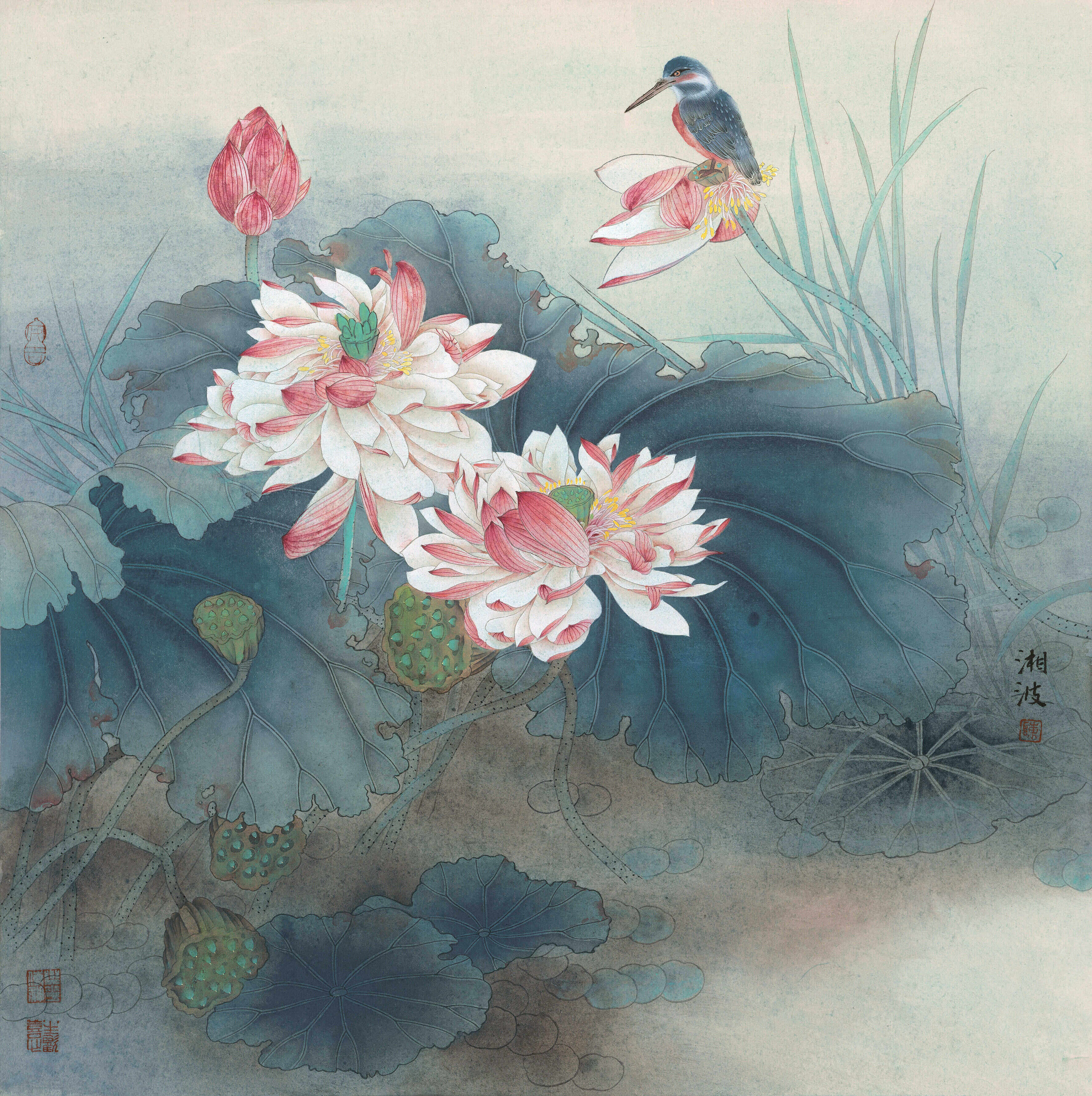
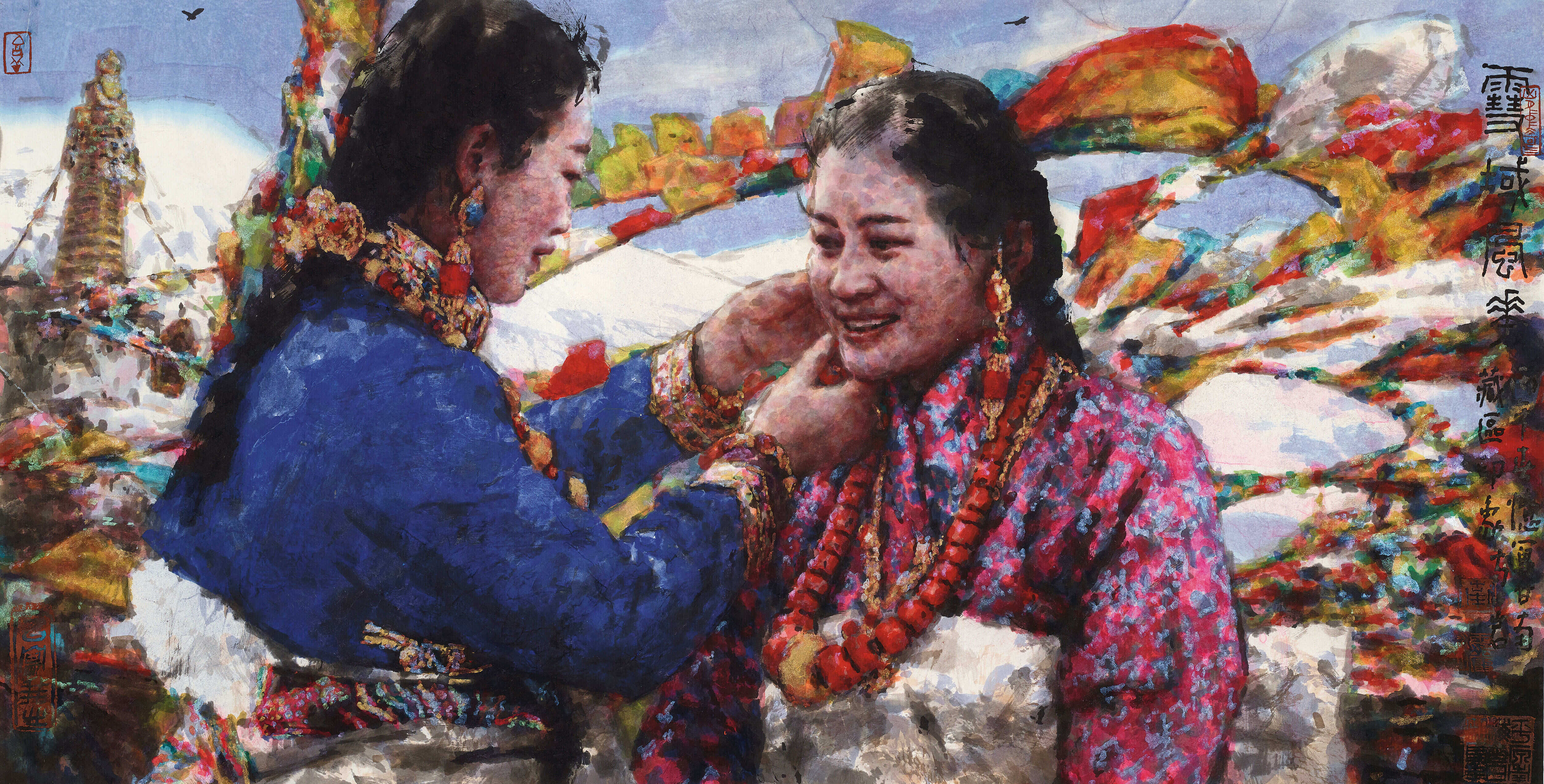
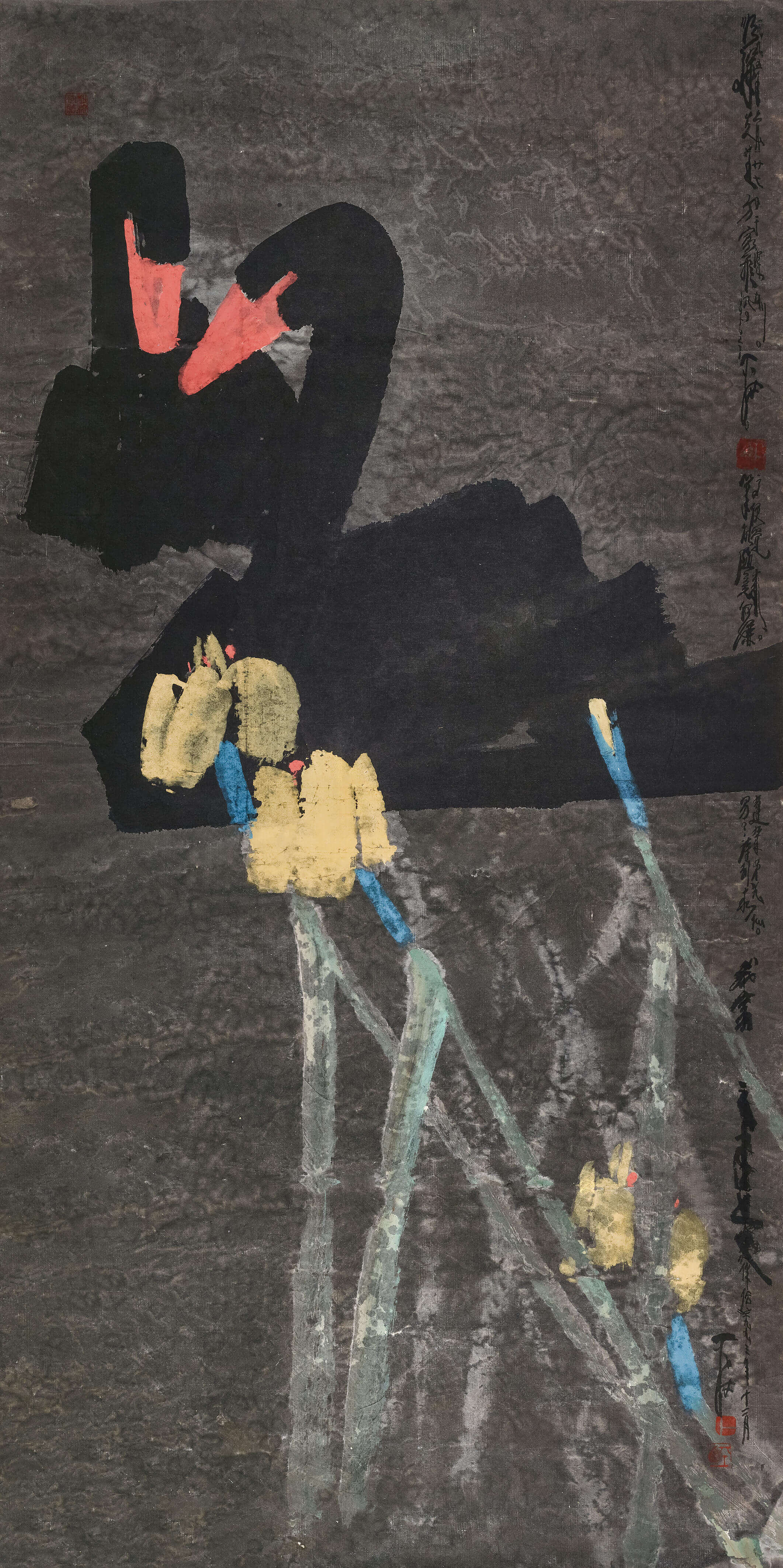
Besides the top three most expensive lots, the auction also includes masterpieces by numerous artists, including Zhou Sicong, Fan Zeng, Nan Haiyan, Huang Yongyu, and Zhu Xinjian.
At 7:00 PM on July 20, 2026, Poly's "Chinese Contemporary Ink Painting" auction was held in Beijing as scheduled.The auction featured 216 lots, achieving a total sales volume of RMB 14,135,900 and a total sell-through rate of 82%. Among these lots, 72% sold above their estimated prices, while 10% sold within their estimated prices.He Jiaying's "Resting" sold for 1.288 million yuan, becoming the top-selling item at the auction.
Two million-dollar lots were sold in total.Among them, He Jiaying's "Rest" was sold for 1.288 million yuan and Fan Zeng's "Zhong Kui's Divine Power" was sold for 1.035 million yuan.
Top-selling item in this session:
He Jiaying's "Rest" was hammered down at 1.12 million yuan, and sold for 1.288 million yuan including commission.
Top 2 in sales this session:
Fan Zeng's "Zhong Kui's Divine Power" was hammered down at 900,000 yuan, and sold for 1,035,000 yuan including commission.
Top 3 transactions in this session:
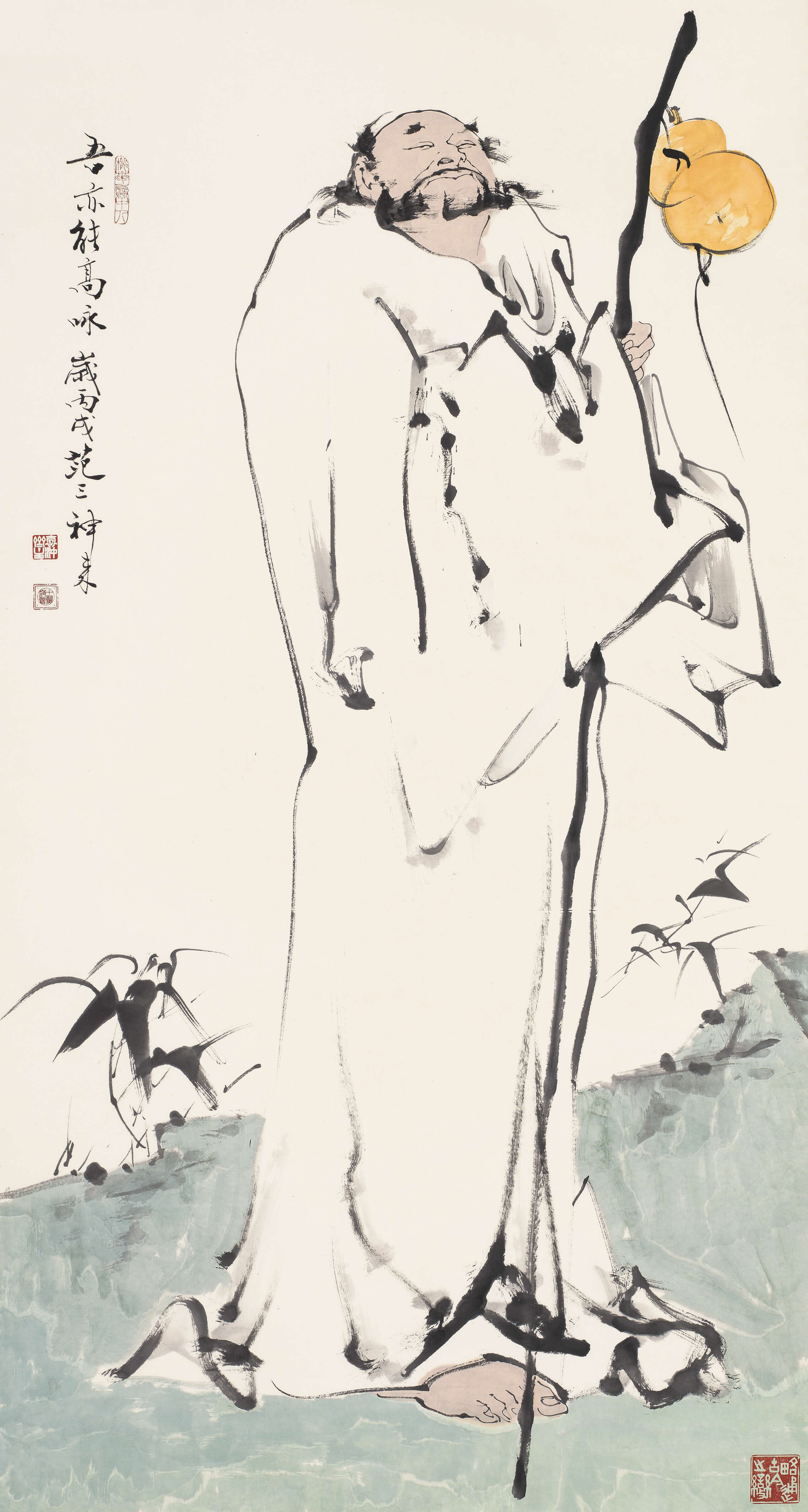
Fan Zeng's "I Too Can Sing Loftily" was hammered down at 750,000 yuan, and sold for 862,500 yuan including commission.
Other items sold at auction:
Besides the top three most expensive lots, the auction also includes masterpieces by numerous artists, including Fan Zeng, Zhang Shuangfeng, Yang Jun, Huang Yongyu, Qi Haifeng, and Shi Guoliang.
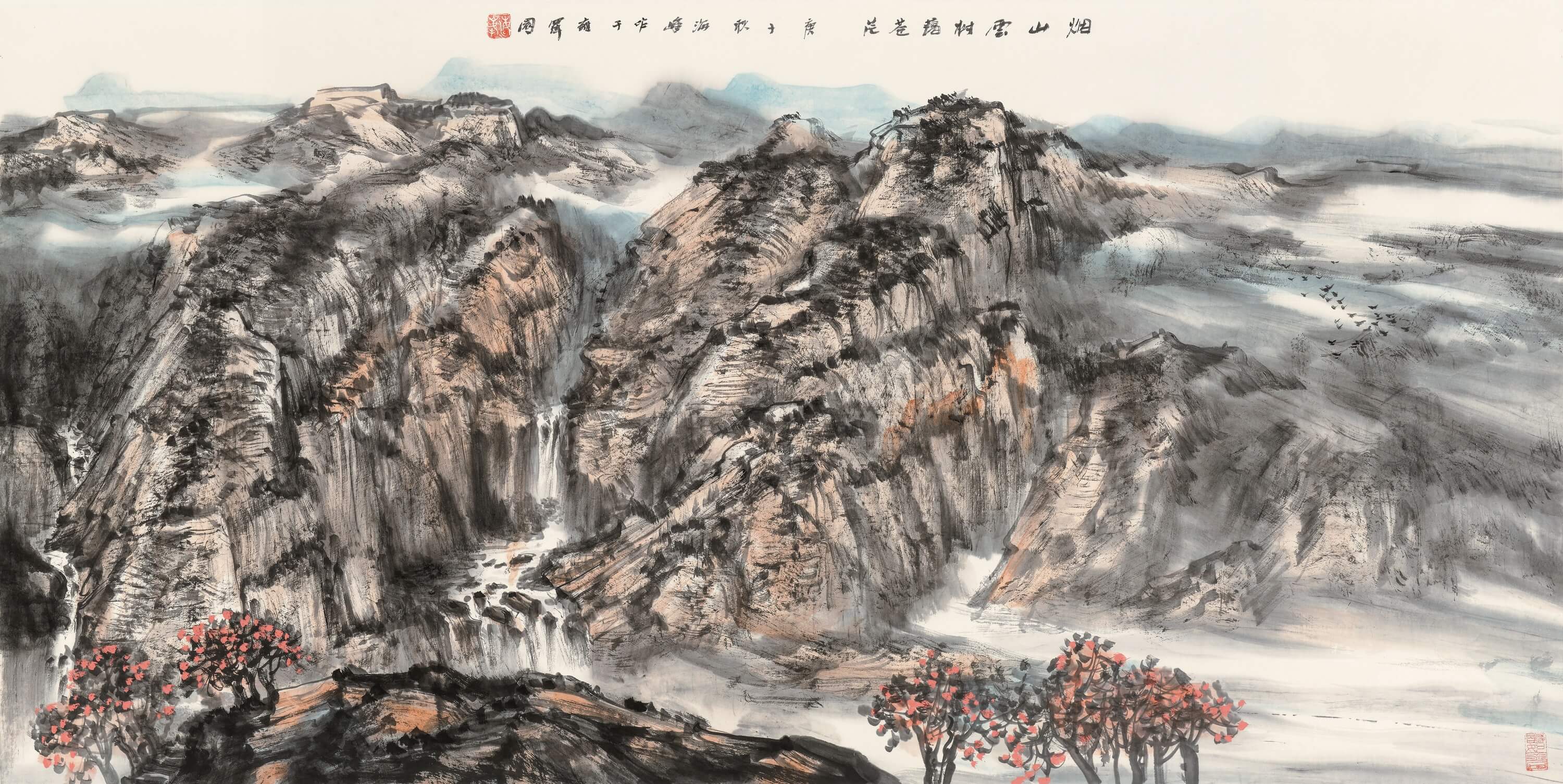
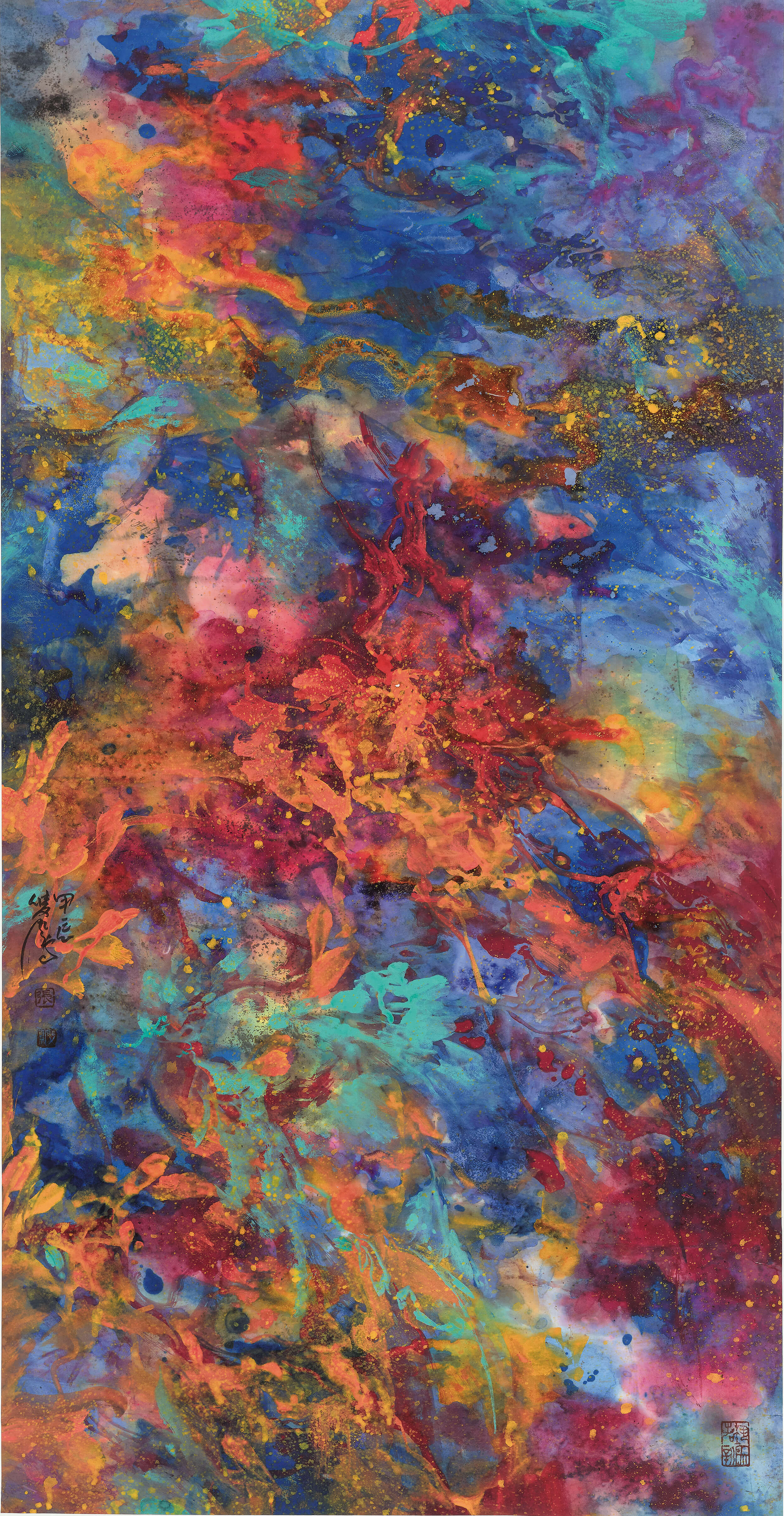
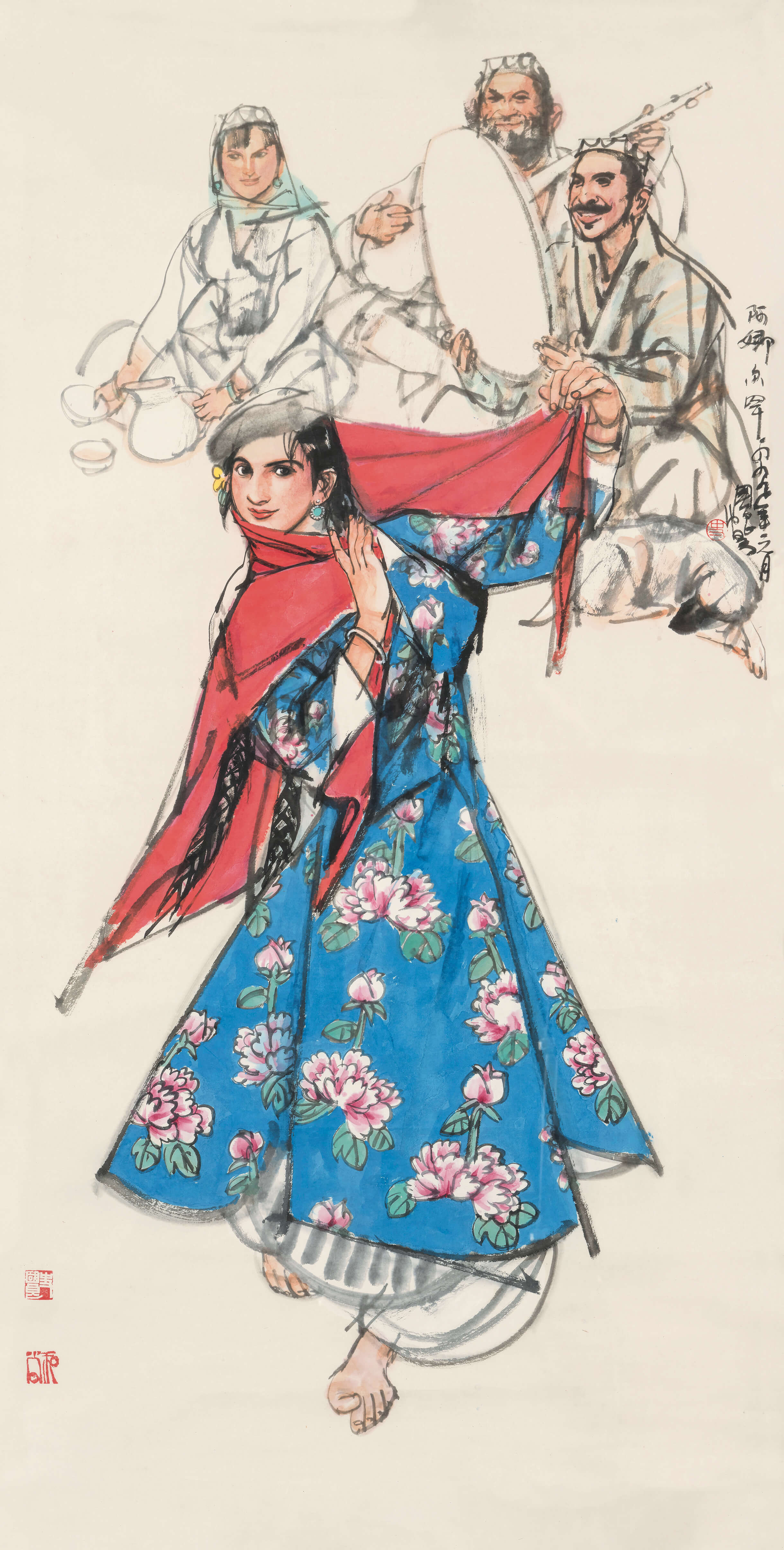
At 8:00 PM on July 11, 2026, the "First Contemporary Calligraphy and Painting Exhibition" of Xiling Seal Society was held in Hangzhou as scheduled.This auction featured 184 lots, achieving a total sales amount of 11.1655 million yuan and a sell-through rate of 88%. 65% of the lots sold above their estimates, while 23% sold within their estimates. One lot achieved a sale price exceeding one million yuan.Zhu Xinjian's "Twelve Beauties of Jinling" sold for 1.15 million yuan, becoming the top-selling item at the auction.
Top-selling item in this session:
Zhu Xinjian's "Twelve Beauties of Jinling" was hammered down at 1 million yuan, and sold for 1.15 million yuan including commission.
Top 2 in sales this session:
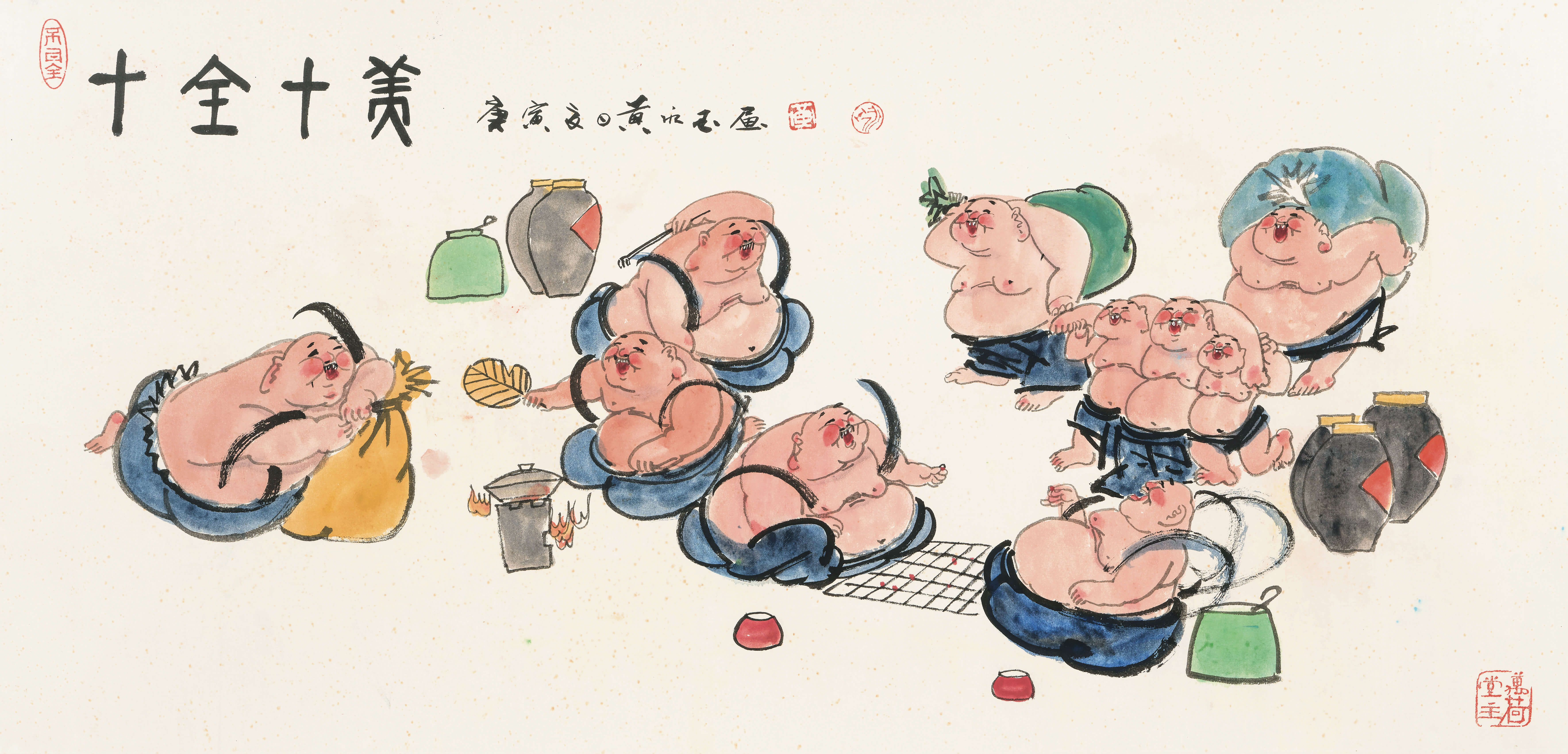
Huang Yongyu's "Painting of Contentment" was hammered down at 660,000 yuan, and sold for 759,000 yuan including commission.
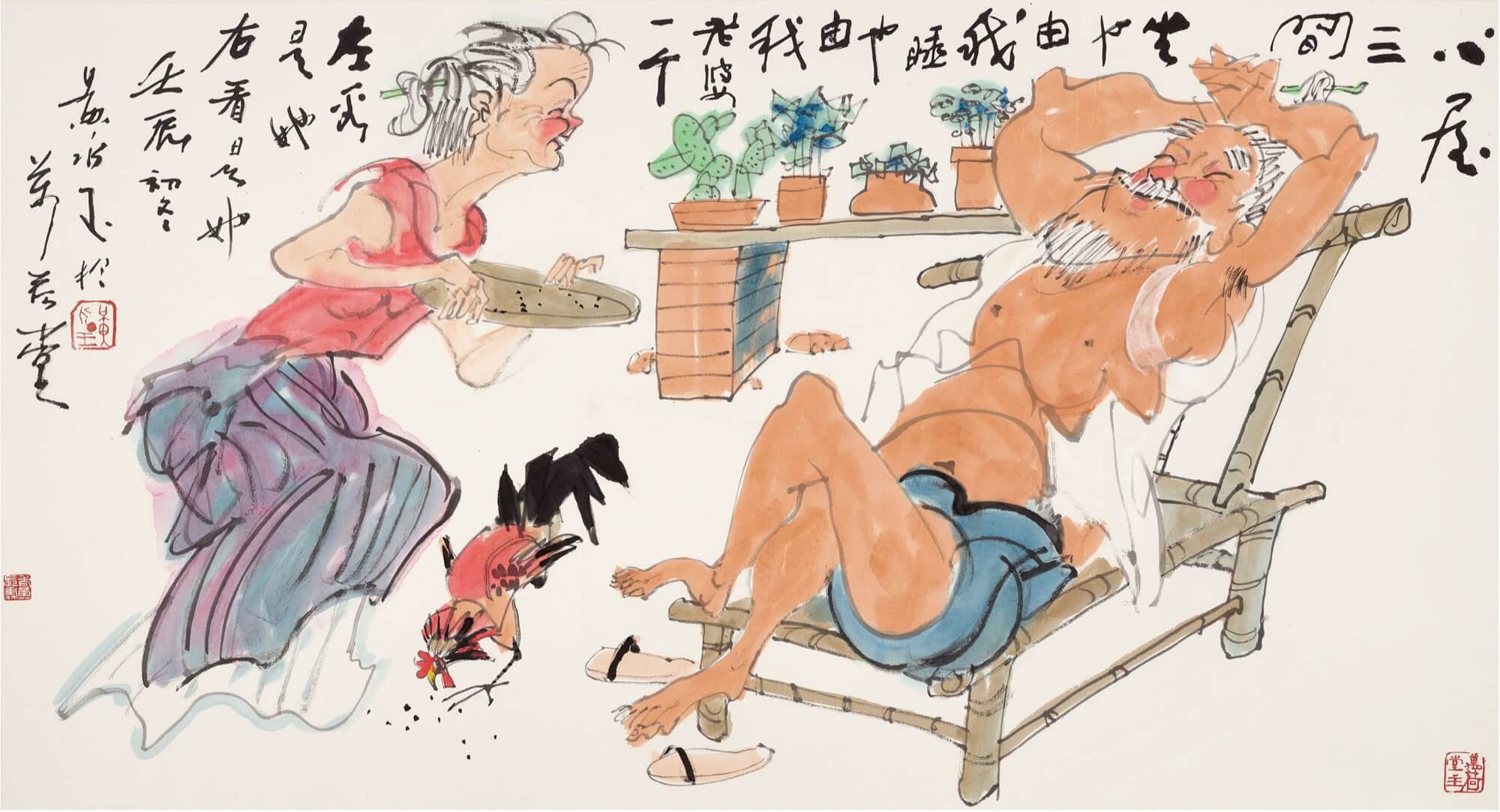
Top 3 transactions in this session:
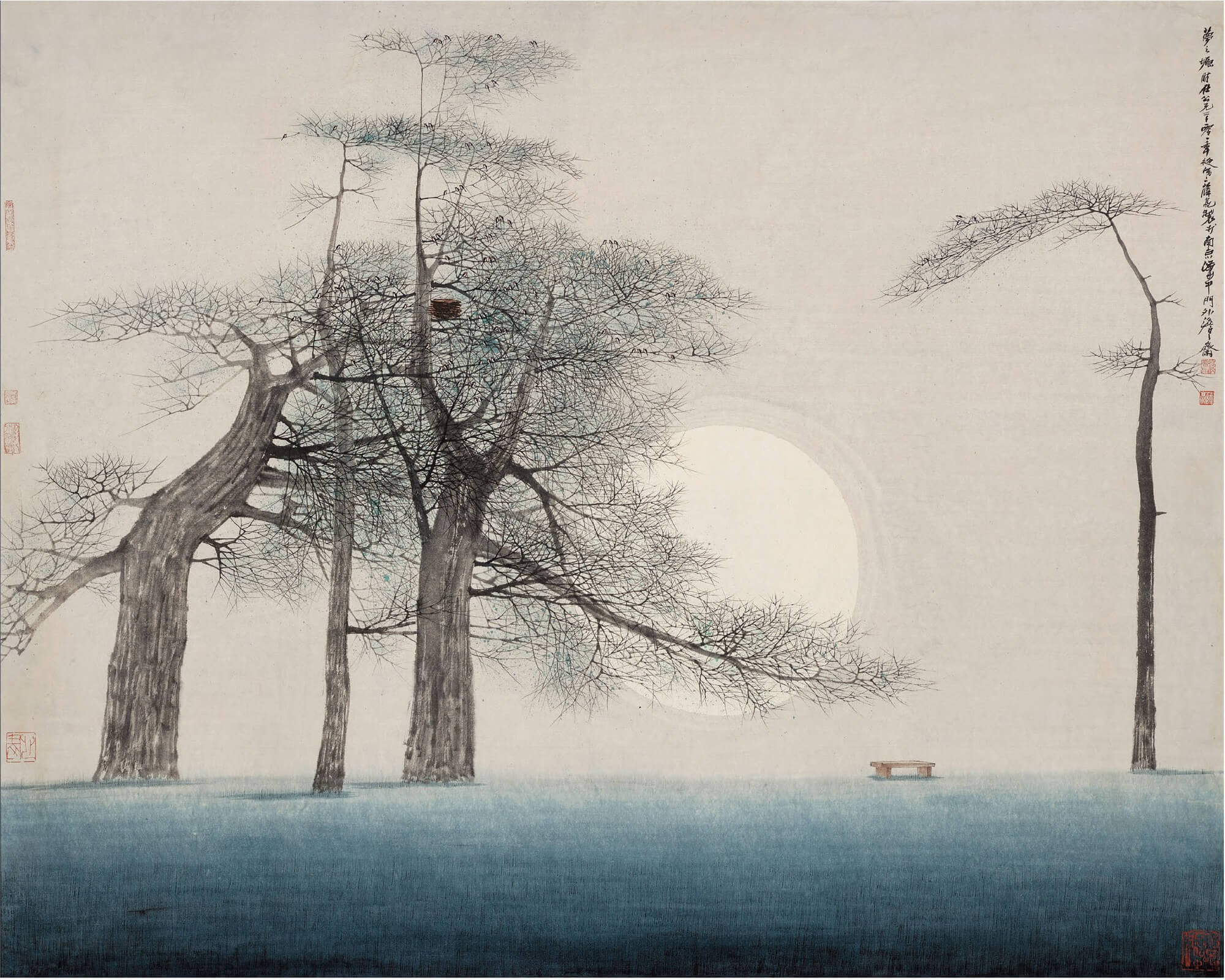
Xue Liang's "Dreamland" was hammered down at 600,000 yuan, and sold for 690,000 yuan including commission.
Other items sold at auction:
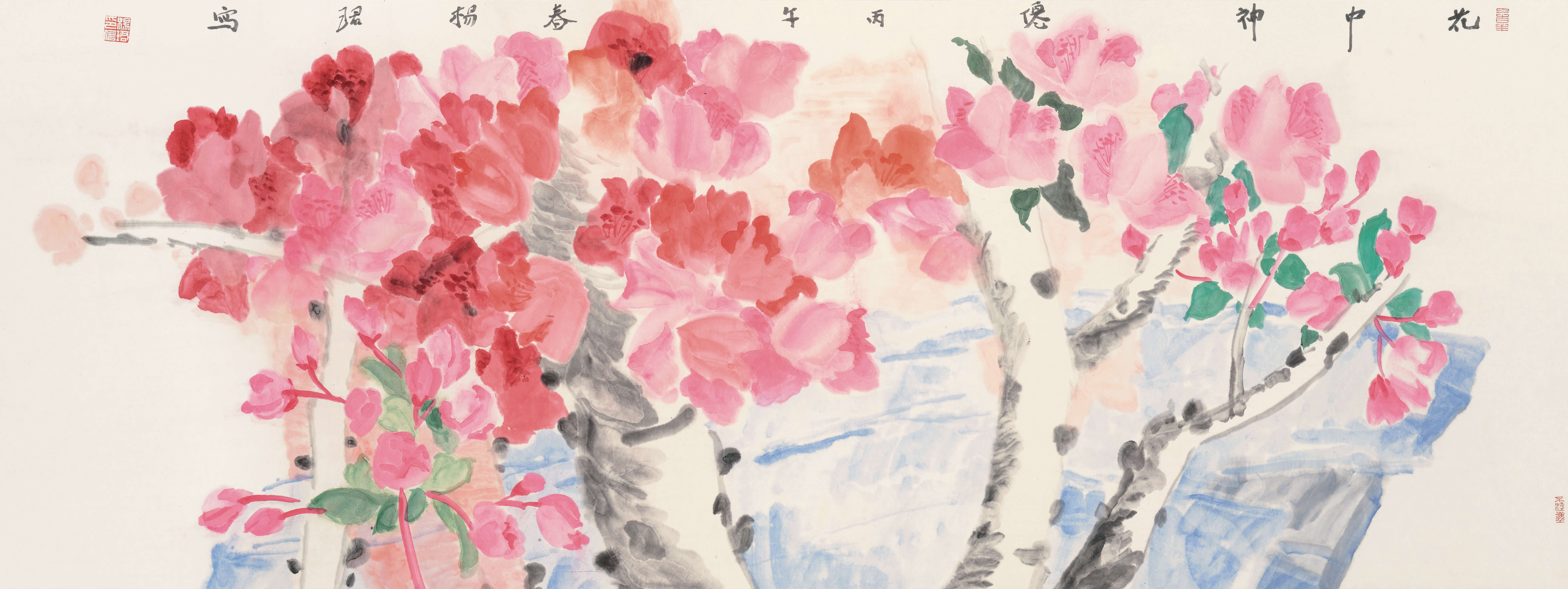
Besides the top three most expensive lots, the auction also includes masterpieces by numerous artists, including Tong Zhongtao, Fang Zengxian, Zeng Mi, Huang Qiuyuan, Liu Jiang, Xie Zhiliu, Shi Dawei, and Fan Zeng.
Stay tuned to ArtPro for the latest updates on the global art market.