
What Makes an Icon | Chen Man: A true icon that endures has roots within and a soul without.
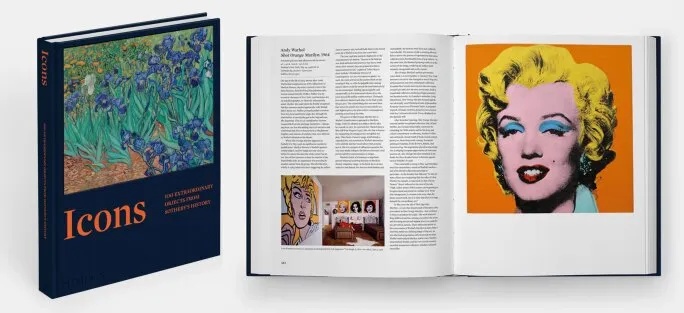
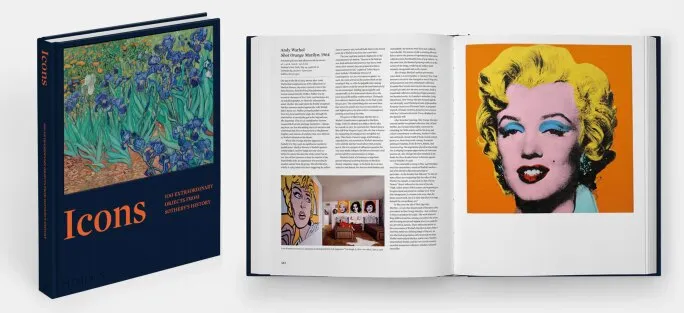
This year, Sotheby's released "Icons: 100 Extraordinary Objects from Sotheby’s History," reviewing 100 iconic art treasures from its history, and launching a series of exhibitions around the theme of "Icons" in multiple cities around the world."What Makes an Icon" seriesDialogues and in-depth interviews. In Asia, we invite representative creators from different fields to share their understanding of topics such as "ICON," art, and the changing times.
Guest in this issue
Chen Man, a contemporary Chinese photographer and visual artist.

From the golden age of magazines to the era of social media, from commercial photography to artistic creation, from documenting the people of our time to exploring digital art and AI expression, Chen Man has always been active across different cultures, media, and visual contexts. She has not only documented countless figures remembered by the times, but has also shaped many visual memories belonging to this era.
In this interview, Chen Man discussed her understanding of "ICON", how images participate in the formation of cultural symbols, the relationship between popular and classic, and the connection between art and life, Eastern aesthetics and future creation.
The following is the full content of this interview:
Q1: Different people have different understandings of "icon"—it can be a person, a painting, a photograph, or a cultural symbol of an era. In your opinion, what kind of person, work, or image can be called a true icon? What are the most important qualities it should possess?
A(Chen Man, the following text is omitted): ICON is never a glamorous shell built on traffic. As the Tao Te Ching says, "The greatest sound is silent, the greatest form is formless." A symbol that can truly stand the test of time must have roots inside and a soul outside.
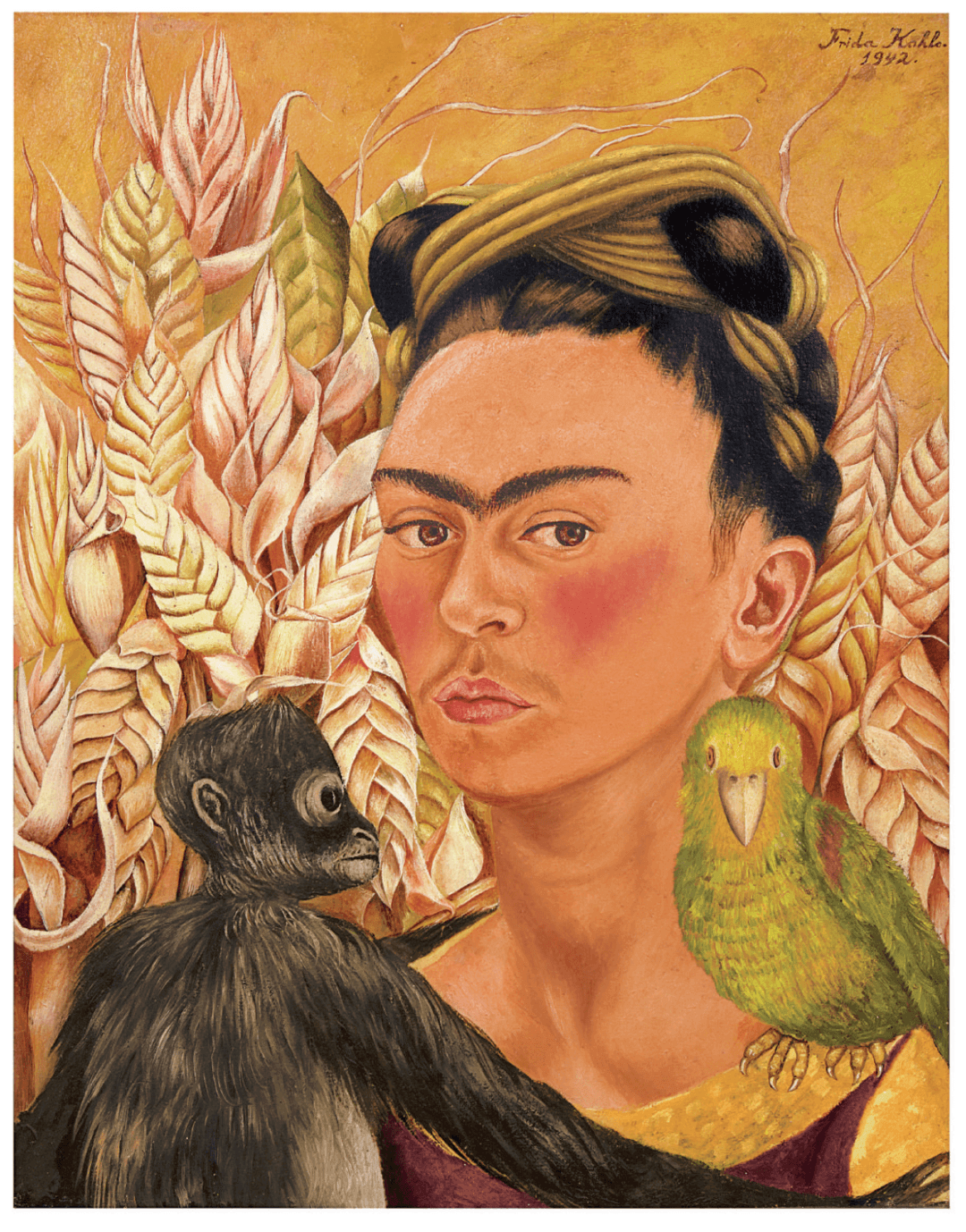
first,It possesses a unique core identity.Whether it's a person or a work, one shouldn't follow trends or drift with the tide. For example, Gong Li, whom I've worked with, doesn't conform to the market's defined female archetype; she possesses the restrained yet powerful vitality of an Eastern woman.The essence of an icon is to fully reveal one's life experiences and spiritual beliefs.Looking at Frida Kahlo, the scars and thorns in her self-portraits infuse her suffering and national identity into the images, and even a century later, everyone who sees her portrait instantly empathizes. Heidegger said, "Man dwells poetically," and the essence of an icon is to fully reveal one's life experiences and spiritual beliefs, without pretense or self-emasculation.
SecondlyIt possesses universal appeal that resonates with the times. It must be rooted in its own culture while also breaking down regional barriers.Song Dynasty landscape paintings are an Eastern icon, with blank spaces concealing the Chinese worldview of "harmony between man and nature"; the reason why Marilyn Monroe's photo of her skirt blowing in the wind has become an icon for a century is not just because of her beauty, but because she released the relaxation and softness of women who were suppressed after the war.
third,It possesses enduring spiritual extension. A fleeting trend is merely a hot topic, while an icon is a symbol that can be repeatedly interpreted by future generations and constantly generate new understandings.Just as Confucius is a civilization icon, his thoughts from two thousand years ago can still be applied to life today.

Q2: You've photographed many people who are considered "icons" by the public, and created many classic images that have become part of the collective memory of an era. From the perspective of a photographer and creator, how does a person grow from a "star" into a true cultural icon? What role does visual expression play in this process?
A:Between celebrities and cultural icons lies a two-way convergence of "self" and "era." Celebrities gain public recognition through professional commercial packaging, but to become cultural symbols, the core lies in possessing stable and unique spiritual qualities that resonate with the aesthetics of the times and the emotions of the masses, thus creating an irreplaceable personal brand.
Images are merely objective records and presentations of a person's temperament, appropriately amplifying their personal style to help this quality be seen by more people.
Q3: You've witnessed the transition from the magazine era to the social media era, and have long been active in business, fashion, and artistic creation. Today, it seems easier than ever for an image to be seen and disseminated. In your opinion, how have the ways in which icons are formed changed with the times?
A:In the era of print media, creating iconic figures was a process of deliberate, gradual refinement. All visual presentations underwent repeated polishing by teams, editors, and artists before being slowly rolled out. In contrast, in today's social media age, everyone has an outlet for expression, and algorithms amplify dissemination efficiency, allowing for attention-grabbing without relying on traditional media. Icons are no longer standardized templates but rather segmented and multifaceted. The two stages differ only in their mediums and communication logic: slow refinement allows for meticulous detail and accumulation, while rapid dissemination offers a fast-paced inclusiveness and renewal.
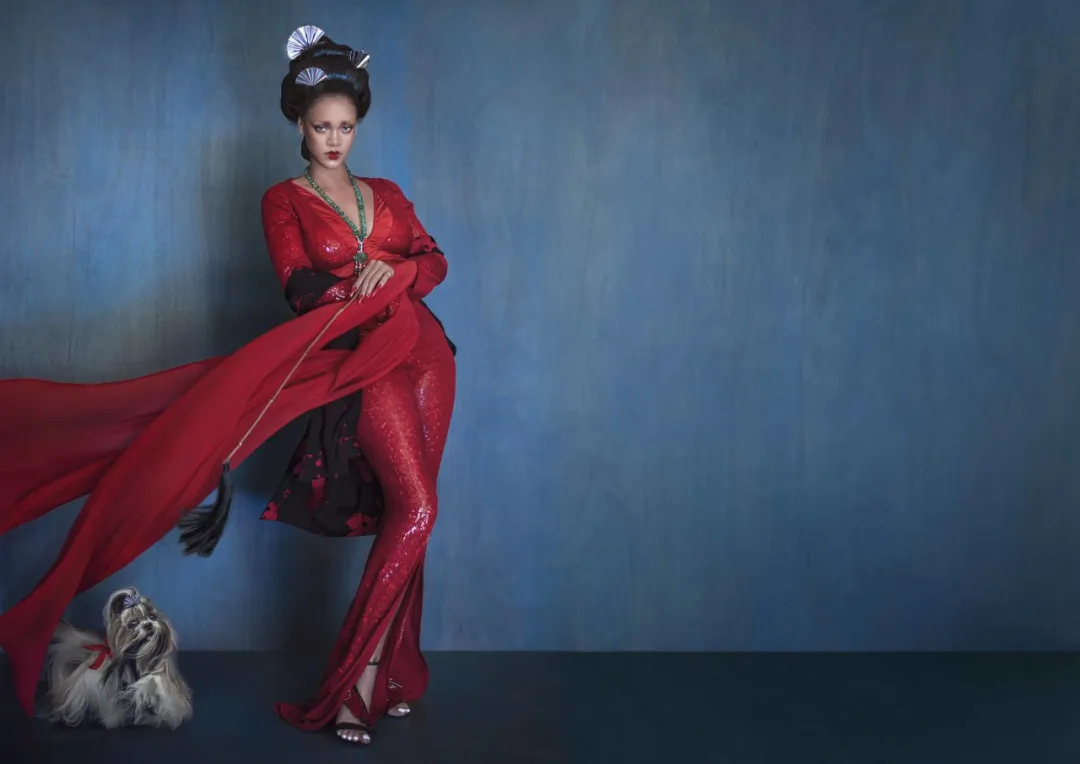
Photography: Chen Man
Q4: Today, much content can spread rapidly in a short period, even becoming an overnight sensation. But it seems that fewer and fewer things are truly remembered in the long run. What are your thoughts on the relationship between "popularity" and "icon"? Can popularity itself become an icon?
A:In my years of creation and observation,Popularity is a fleeting trend, while icons are the enduring essence of an era. All icons were once popular, but most fleeting trends never become icons.
Popular trends are more like a collective following of current public aesthetics and emotions, satisfying the immediate sense of novelty, and are forgotten once the hype fades. But the true icons that remain are those that, within a trend, embody the attitudes, cultural emotions, and spirit of a generation. Therefore, trends themselves can become icons.
Q5: You have worked extensively across different cultural and aesthetic contexts and have photographed many international artists. In different cultural backgrounds, East and West, what are the differences in how an image or work is remembered, disseminated, and even becomes an icon?
A:I believe the fundamental difference in the underlying logic of icon creation between the East and the West stems from the philosophical foundations of the two civilizations:The East emphasizes "harmony between man and nature, and introspection," while the West emphasizes "human awakening and outward expression," representing different paths of development.But now, with globalization and social media blurring boundaries, these two paths are beginning to converge. When I photograph international artists, I incorporate Eastern elements; when I photograph domestic artists, I also draw inspiration from the avant-garde style of Western individual expression. But regardless of East or West, the important thing is to enable everyone to understand the emotions behind the performance.
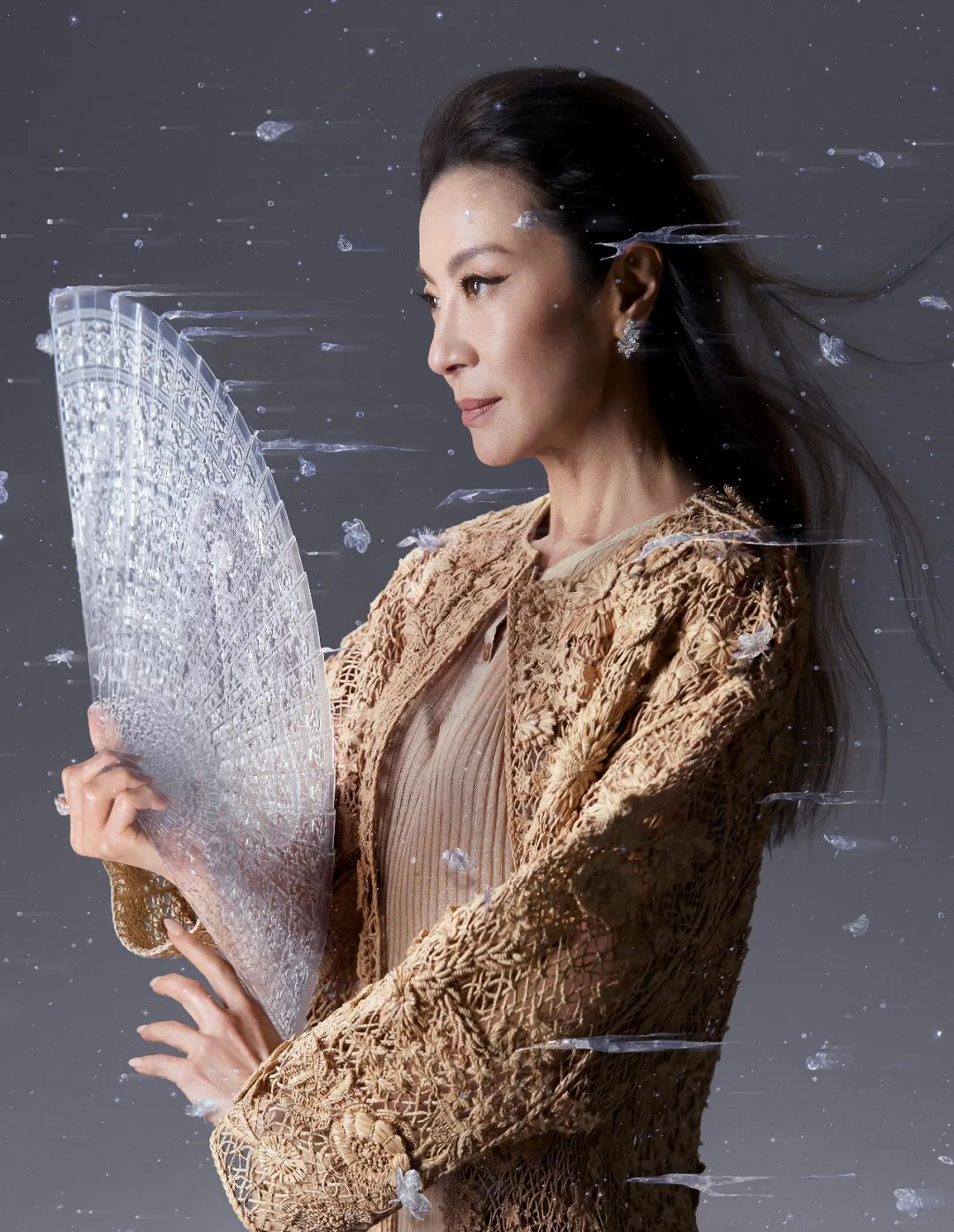
Photography: Chen Man
Q6: What role does art play in your life today? Besides the creation itself, how do you usually come into contact with art? In Sotheby's "Icons" book, or in other art fields you are interested in, is there a particular work or artist that has truly influenced your way of seeing the world or creating art?
A:Art has become a natural part of my daily life. I take out my phone to take pictures in my daily life and when I travel. I also take a second look when I pass by old craft stalls. Recording the little things in life is the most relaxed way for me to interact with art.
I greatly admire Muqi, the artist behind "Six Persimmons." His use of a few strokes and subtle blank spaces creates an Eastern aesthetic, resulting in a simple yet captivating painting. This minimalist aesthetic unconsciously influences my photography, preventing me from piling up complex elements and allowing for a more relaxed feel in my images.
Q7: Over the years, you have consistently kept pace with the times, exploring different media such as photography, video, digital art, and AI. If you were to make some bold predictions now, what do you envision the icons of the future to look like? What qualities would they possess that would differ from those of today?
A:The Book of Changes says, "When things reach an extreme, they change; when they change, they become accessible; when they become accessible, they endure." Media are constantly evolving, but the core spirit of an icon remains unchanged; only the medium and form of expression change.
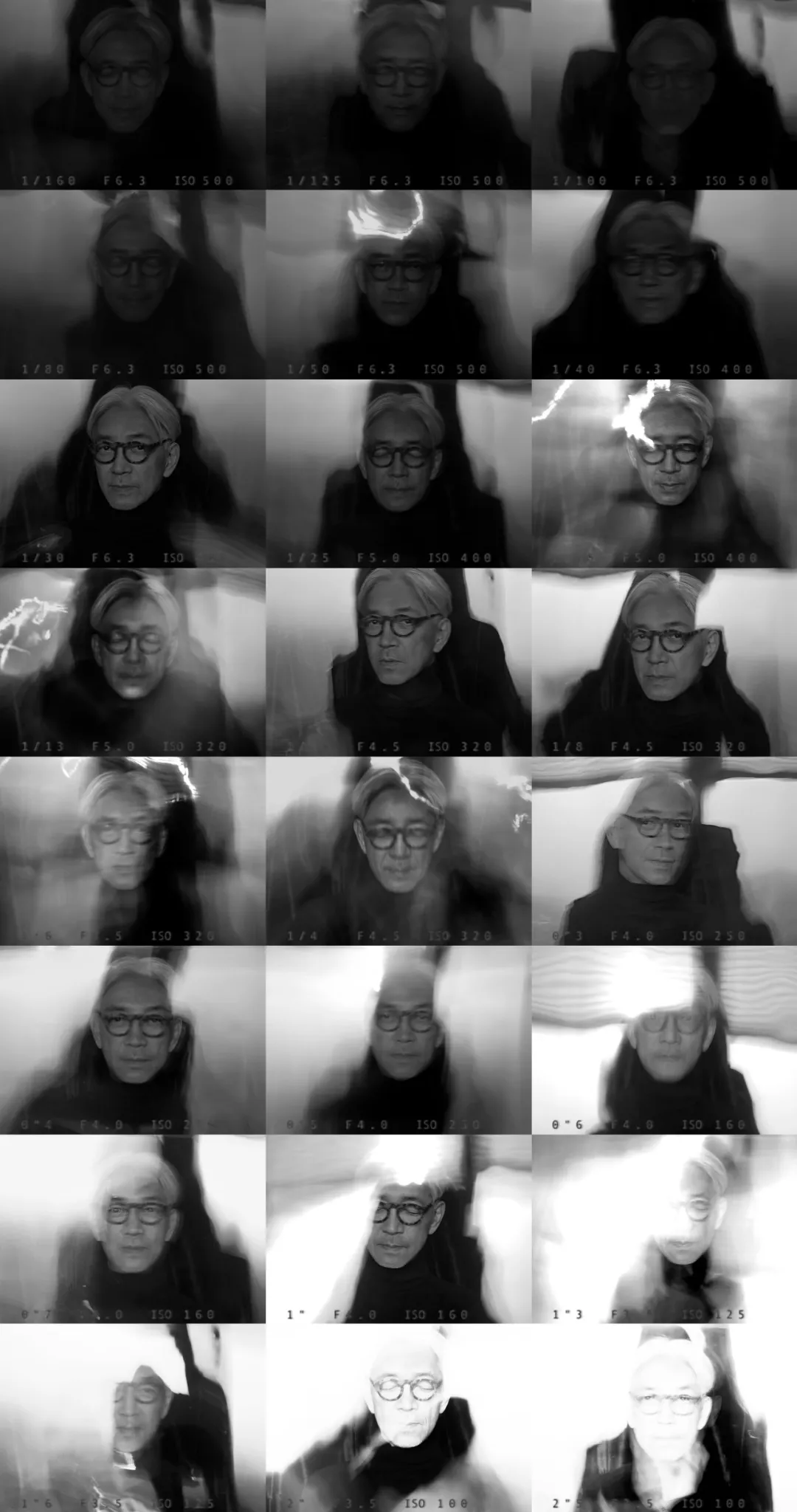
Photography: Chen Man
Q8: You have created many visual images that are remembered by time. For yourself, what do you hope your work will bring to the public? Is it a visual style, a way of seeing the world, or a kind of cultural memory or emotional resonance belonging to this era?
A: I hope to leave this era with an unaltered memory of Eastern emotions. Visual style is just the outer garment; emotional resonance is the core.Whether ordinary people or celebrities, everyone on camera is human: there is confusion, resilience, tenderness, and pride. I don't deliberately create a perfect filter, but rather capture people's most authentic emotions. Just like Wang Yangming's saying, "Everyone has their own compass needle," viewers see themselves in the characters they see on screen.
Some people, after seeing my works featuring traditional Chinese style, have rediscovered their love for traditional handicrafts; others, after seeing my portraits of women, have accepted their own imperfections; and overseas viewers, through my photographs, have come to understand the introverted and romantic nature of Eastern people. This kind of empathy that transcends geographical and social boundaries is something more precious than visual style.
Q9: From hosting, writing, film and television, to recent visual art creations, art exhibitions, novel writing, and attention to new forms such as short dramas, what drives you to continuously create across different media and identities? What do you hope to bring to the audience through these works? Have you ever thought about what kind of Cai Kangyong you hope people will remember through these works?
A:Making life a little easier is the starting point for everything I do. Of course, compared to air conditioners or painkillers, what I make is far less functional and insignificant.
I really have nothing worth remembering. If someone takes better care of themselves because of my reminder, then everything I've done will have some value.
Whether it's remembered or has value, none of that matters.If you can experience joy and be grateful for life while you're alive, that's enough.
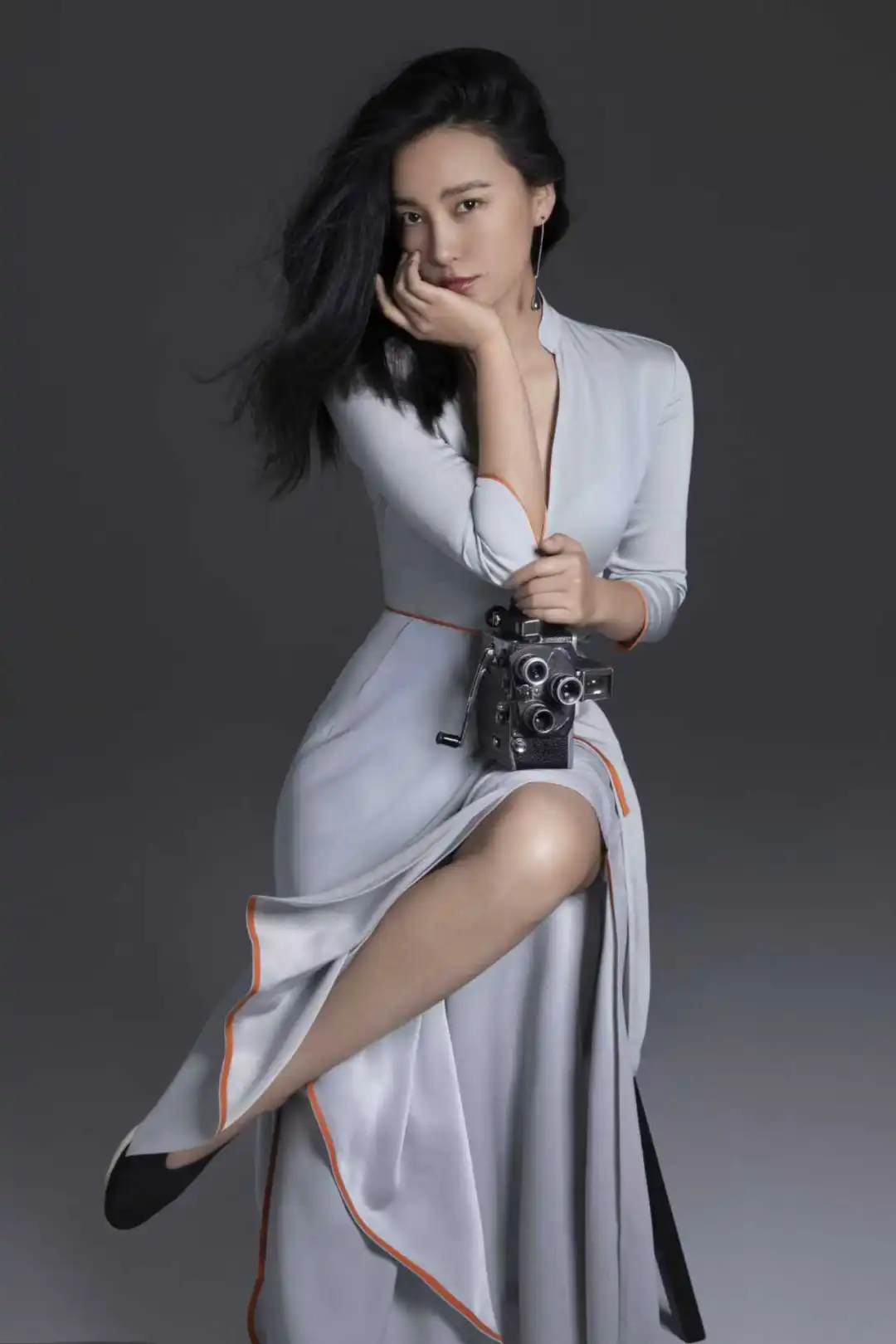
If photography is a form of documentation, then Chen Man's creative work is more like a process of constantly searching for the emotions and spiritual portraits of the times.
From figures to images, from Eastern aesthetics to contemporary visual expression, she always seems to focus not on the superficial "style," but on the deeper relationship between people and the times.
Regarding "what is an icon", Chen Man's answer may not be complicated:It's not a manufactured hype, but a spiritual force that transcends time and is constantly being reinterpreted and felt. What truly endures is never just an image, but a continuously evolving resonance.
Stay tuned to ArtPro for the latest updates on the global art market.