
[2026 Autumn Auction] Christie's Hong Kong: Basquiat's masterpiece "Ancient Scientists" leads the evening sale.

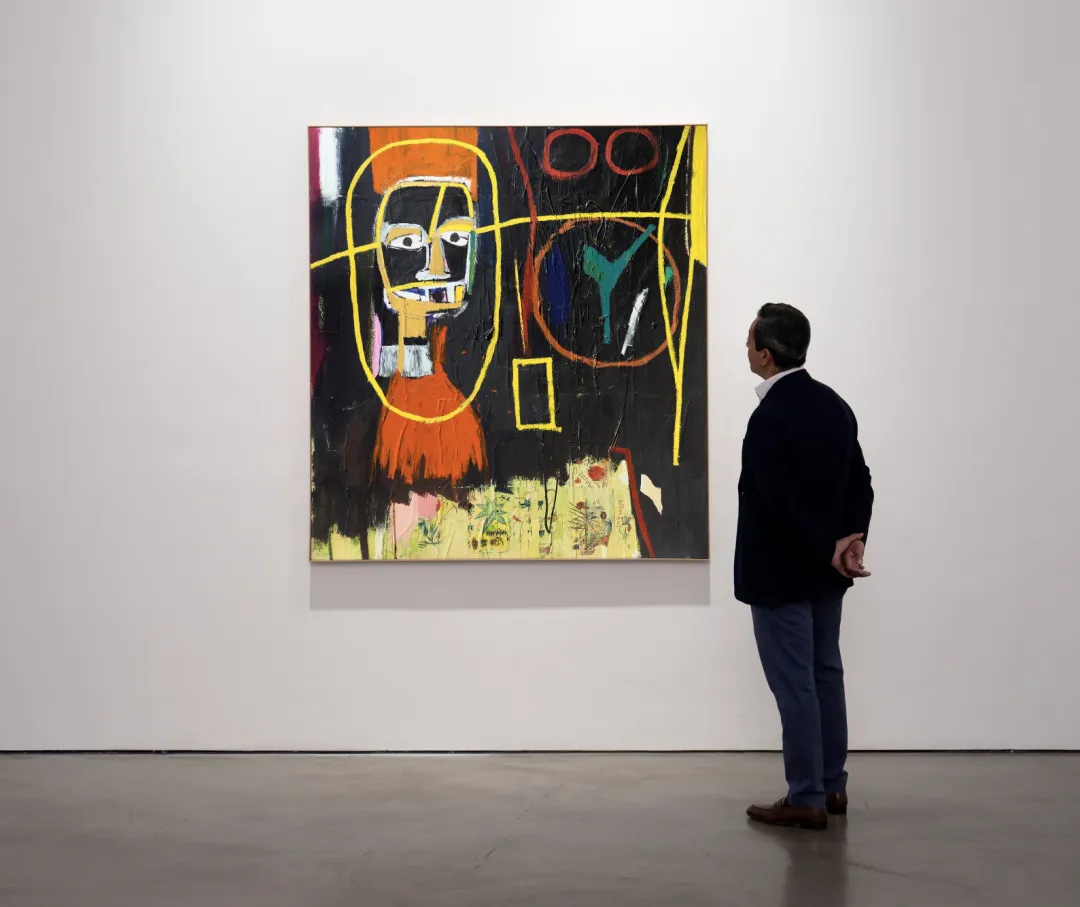
In September, Christie's Hong Kong 20th and 21st Century Evening Sale will present Jean-Michel Basquiat's important masterpiece, "Ancient Scientist".
Created in 1984, this work comes at a crucial time when Basquiat was frequently traveling the world and expanding his artistic horizons—from Hawaii, Italy, Spain to California, he encountered ancient civilizations, Pacific Island cultures, Renaissance art, natural history, and popular culture, and integrated these seemingly disparate knowledge systems into his unique visual language.
The figures in "Ancient Scientists" are not only scholars and scientists, but also seem to be priests and prophets in mythology, reflecting the artist's ongoing exploration of history, knowledge, and identity.
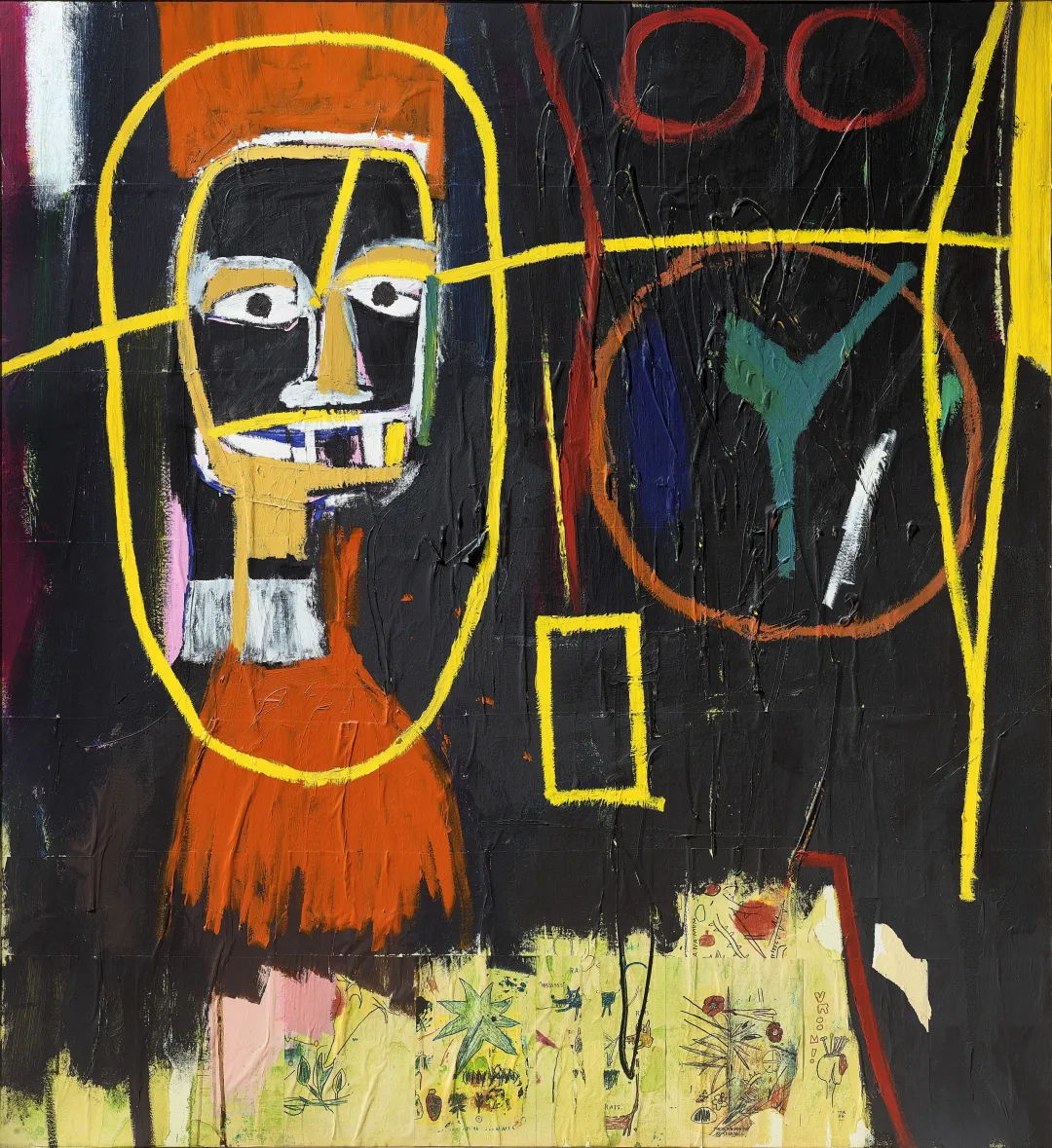
Jean-Michel Basquiat (1960-1988)
Ancient Scientists
Acrylic, oil pastel, photocopying and paper collage, canvas
169 x 156 cm.
Made in 1984
Estimate: HKD 56,000,000 - 76,000,000
Jean-Michel Basquiat was deeply influenced by the cultural atmosphere of downtown New York City in the 1970s and 1980s (including jazz, early punk, street art, performance art, and poetry readings); he turned his attention to a wider range of subjects for his paintings. His interests encompassed anatomy, astronomy, botany, history, exploration, colonialism, literature, music, poetry, art, and sports.
Like his idol Leonardo da Vinci, Basquiat used canvas and painting to challenge and refine these ideas in order to explore the place of a Black man in a white-dominated world; these ideas are vividly reflected in his works, such as "Ancient Scientists".
In the same year he created the work, Basquiat held his first museum-touring solo exhibition, "Jean-Michel Basquiat: Paintings 1981–1984," at the Fruitmarket Gallery in Edinburgh. The exhibition then toured to the Institute of Contemporary Arts in London and the Museum Boijmans Van Beuningen in Rotterdam until 1985.
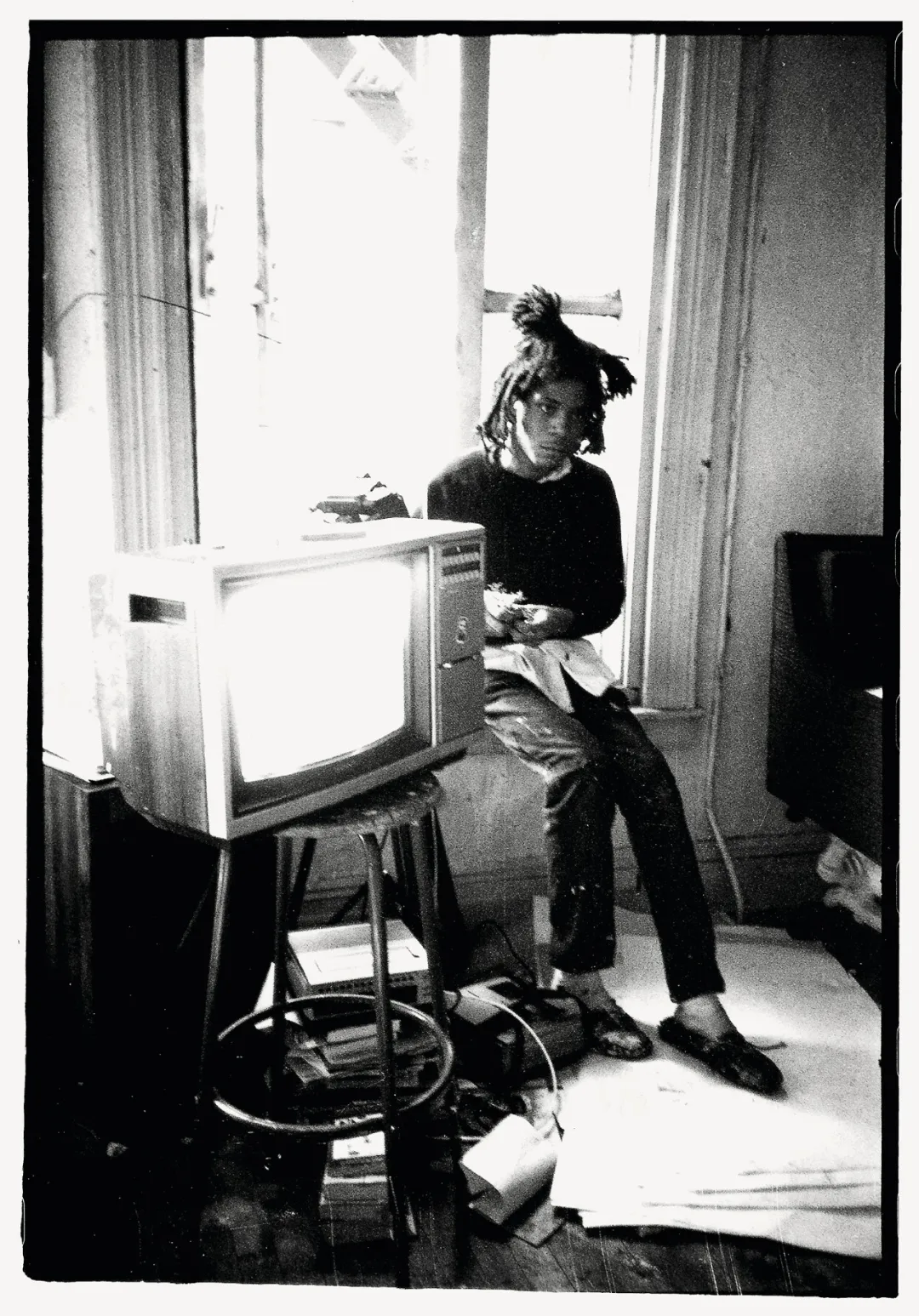
Jean-Michel Basquiat in his New York studio, photographed in 1983.
Image source: Roland Hagenberg
The embodiment of a scientist
The scientist figures in *Ancient Scientists* can be seen, to some extent, as a self-projection of Basquiat. The artist has long focused on historical figures considered producers of knowledge and cultural authorities, with a particular interest in scientists, inventors, and historical figures. In his work, figures such as Charles Darwin, Leonardo da Vinci, and Galileo Galilei, and the knowledge systems they represent, have repeatedly served as important sources of inspiration.
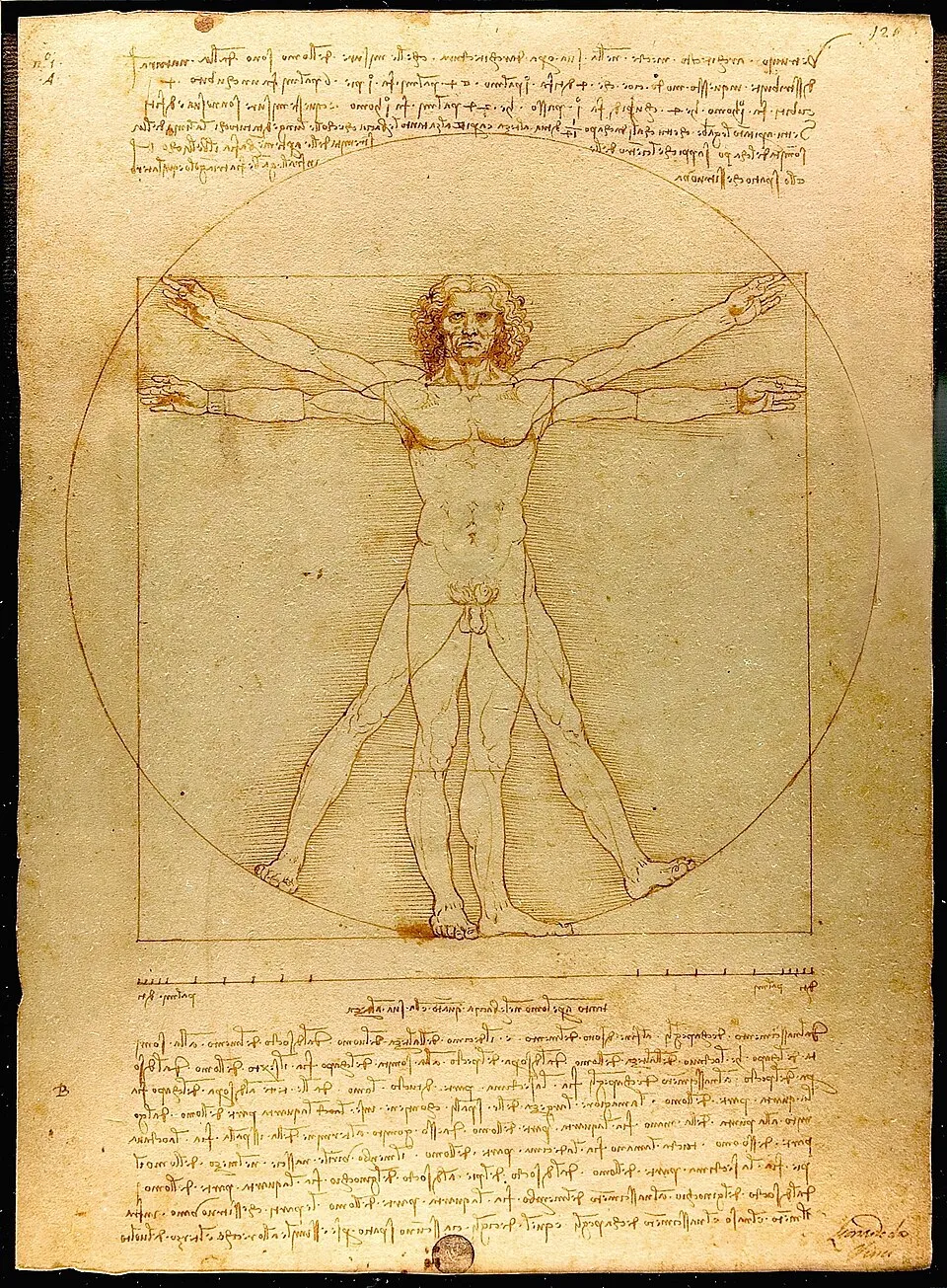
Leonardo da Vinci (1452-1519), *Vitruvian Man*, Accademia Gallery, Venice, Italy
As an African American artist active within the mainstream white art system, Basquiat both respects these historical figures and, through appropriation and reshaping their images, rethinks who deserves to be written into history and how knowledge and power are constructed. "Ancient Scientists" continues the artist's ongoing focus on knowledge, discovery, and the spirit of exploration.
Human Anatomy: How to Deconstruct the World
Human anatomy is a recurring and important theme in Basquiat's work. During his hospitalization at age seven after a car accident, his mother gave him a copy of *Gray's Anatomy*. From then on, human skeletons, organs, muscles, and anatomical diagrams gradually became one of Basquiat's most representative visual languages. For Basquiat, anatomy is a method of understanding the world, revealing the human body's internal structure by peeling away skin and appearances. Basquiat also frequently deconstructs established concepts behind history, culture, and power systems to explore their deeper essence. The striking skeletal imagery in *Ancient Scientists* continues this perspective, replacing external appearances with skeletons to demonstrate the artist's ongoing reflections on the essence of life, the construction of knowledge, and human existence.
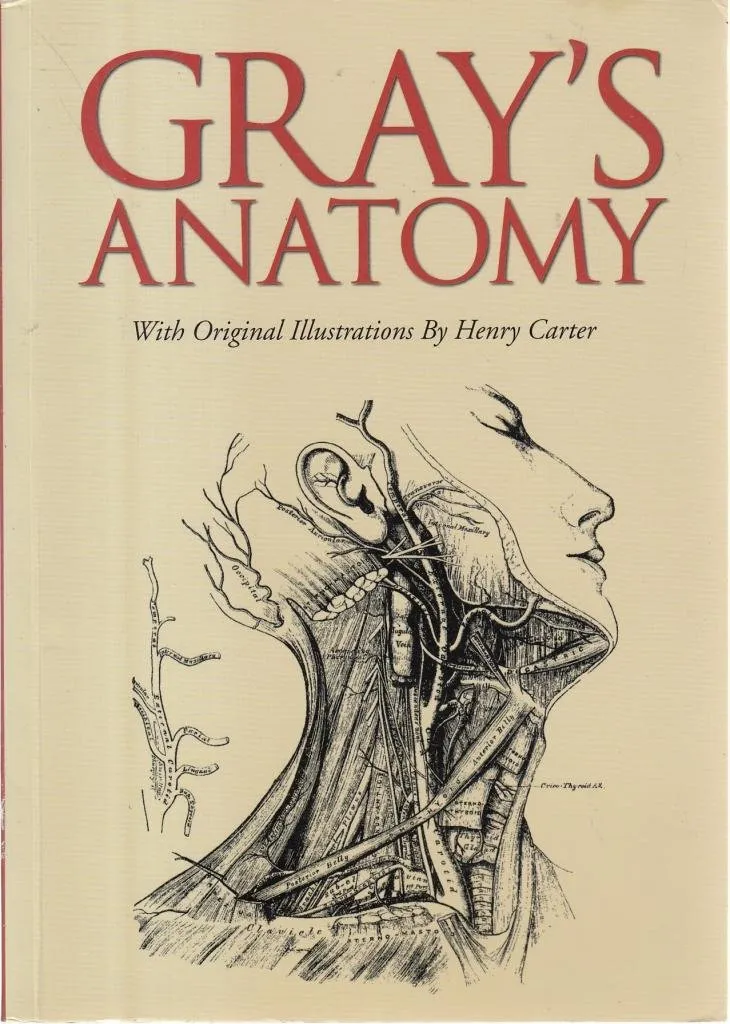
Gray's Anatomy
Masks and Dual Identities
Basquiat's scientists are not traditional Western authorities of knowledge. The heads of the figures in his paintings evoke his iconic crown imagery and echo the distinctive, geometric shapes of African masks. By juxtaposing representative figures of Western scientific history with African and Afro-Caribbean cultural traditions, he re-examines the power structures in historical narratives and gives new visibility to marginalized cultural and intellectual traditions.
As an artist with a Haitian father and a Puerto Rican mother, Basquiat has always focused on issues of identity, cultural belonging, and historical narrative. The mask-like heads hidden beneath layers of paint are among the most intriguing elements of his work. Their form evokes African masks and also recalls Picasso's significant role in drawing inspiration from African art to usher in modernism. Basquiat elevates the mask beyond a mere source of reference for modernism, reclaiming African culture's place in art history.
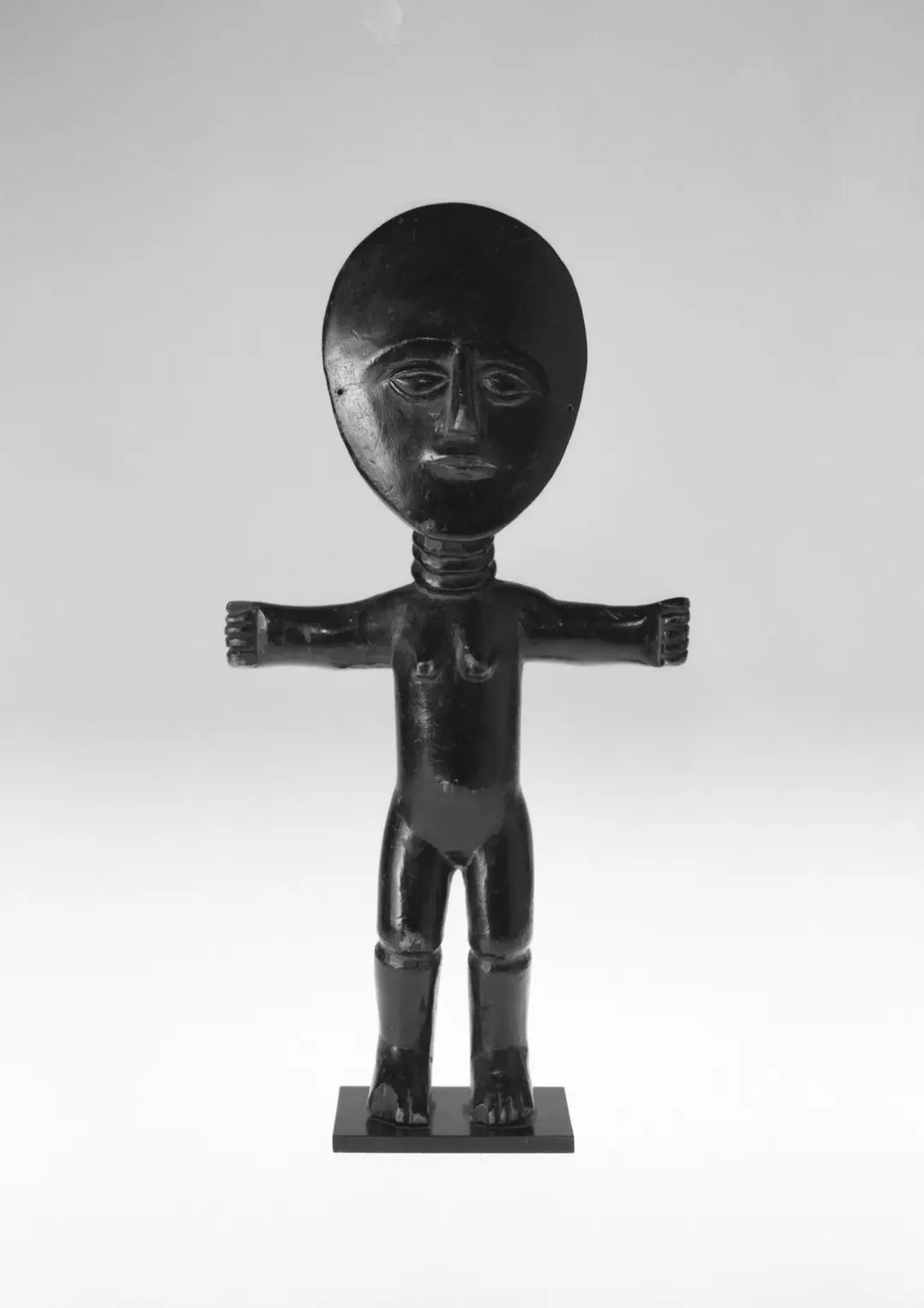
Fertility Doll (Akuaba), Brooklyn Museum, New York
The female form is a recurring motif in his work, and he directly references Venus from classical mythology, such as in his 1982 Untitled (Venus) and the Venus figure in his Modena series. It is said that this series was inspired by his then-girlfriend, Suzanne Mallouk, whom Basquiat called "Venus," infusing the work with strong personal emotion and mythological tension.
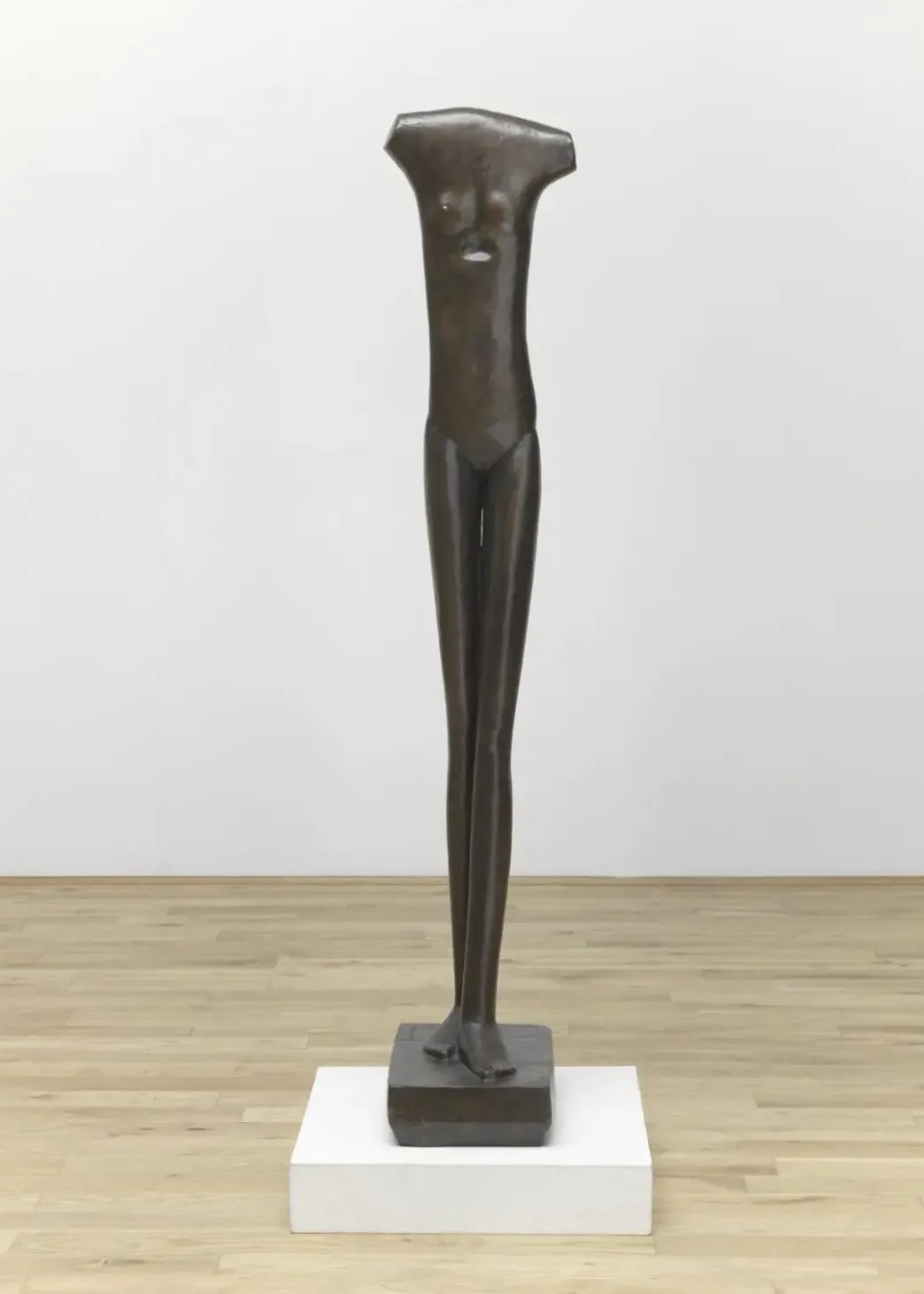
Alberto Giacometti (1901-1966), *Walking Woman I*, Tate Britain, London
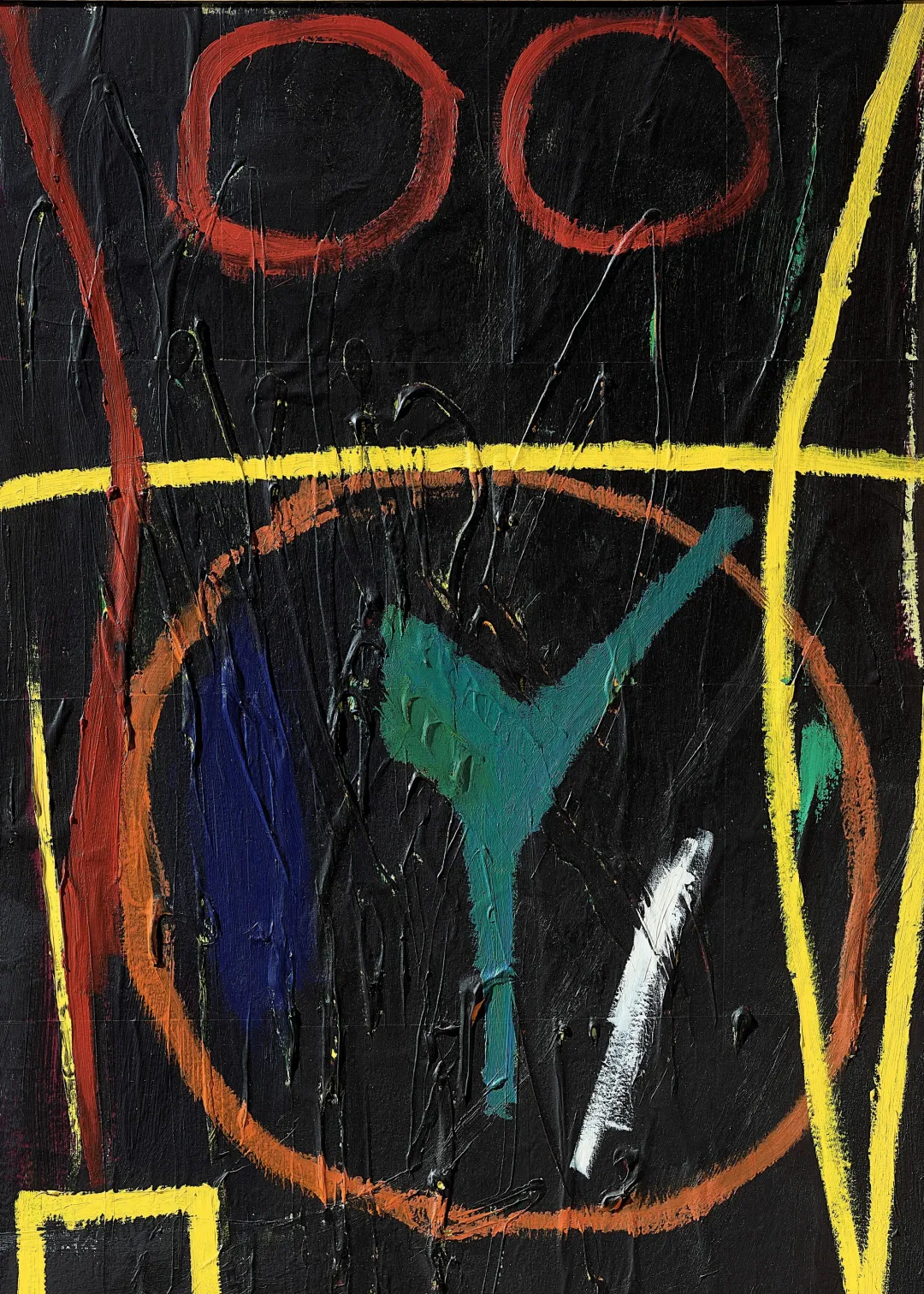
Jean-Michel Basquiat, *Ancient Scientists* (detail)
Botanical Imagery: Poisonous Plants and Alchemy
Basquiat incorporates plant images into his paintings using a Xerox Collage technique, giving them the qualities of specimens, catalogues, or scientific archives. "Ancient Scientists" is filled with botanical imagery such as thorns, leaves, and flowers, including highly poisonous plants like Solanum sodome (also known as "Sodom apple") and Nerium oleander. These images are closely related to the artist's extensive travels in 1984, during which he visited places like Hawaii, experiencing the unique natural environments and plant worlds, and incorporating these images into his increasingly rich visual vocabulary.
However, Basquiat's interest in these plants extends beyond natural history. Poisonous plants symbolize both the power and danger inherent in nature, and suggest the complex relationship between appearance and essence. By juxtaposing botanical illustrations, human anatomy, scientific symbols, and mythological imagery in the same frame, the artist blurs the lines between scientific research and mystical exploration.
Within this framework, "Ancient Scientists" seems to transform into an imaginary space situated between a laboratory and a mythological world. The traditions of knowledge such as botany, chemistry, medicine, and even alchemy intertwine in the visuals, demonstrating how Basquiat integrates seemingly unrelated knowledge systems into a single visual universe.
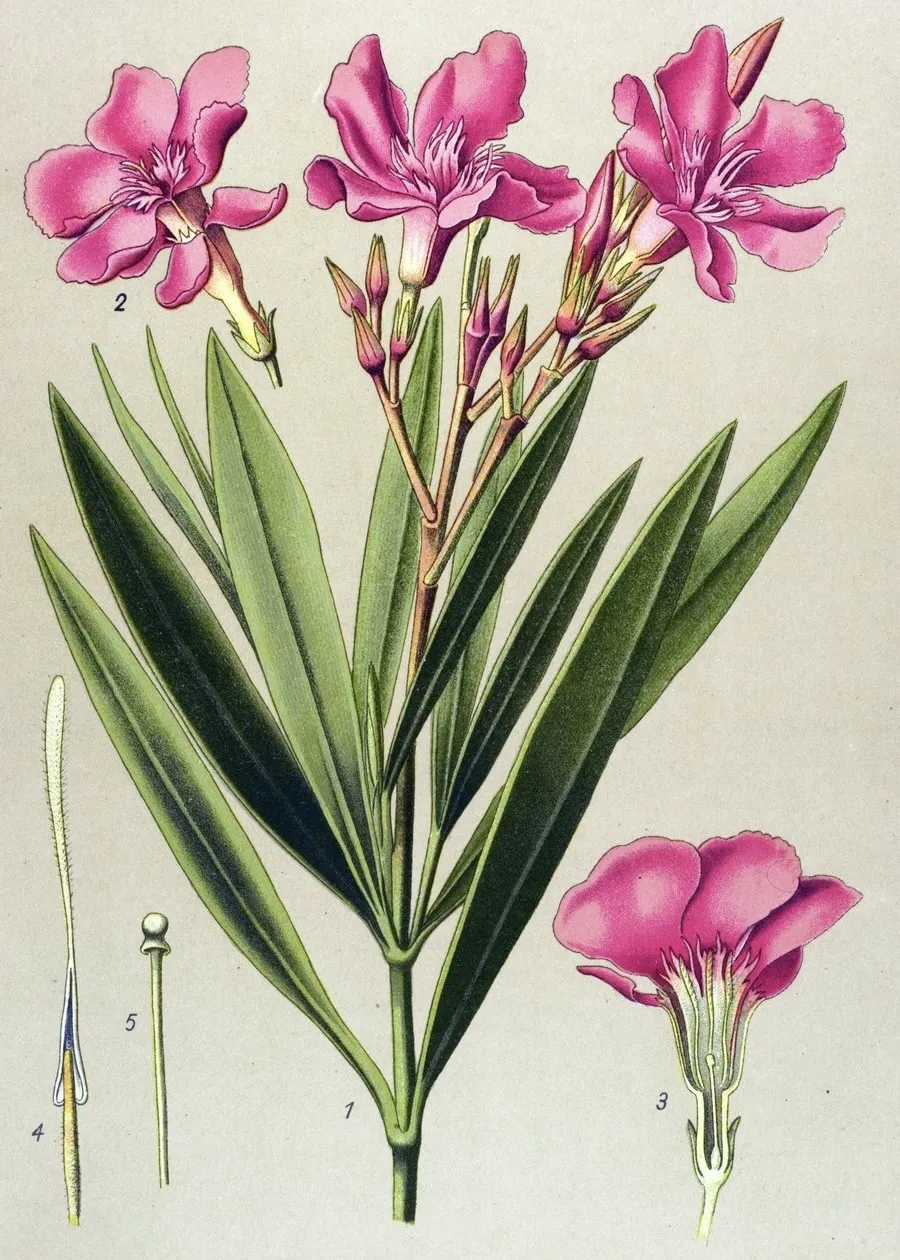
Red oleander
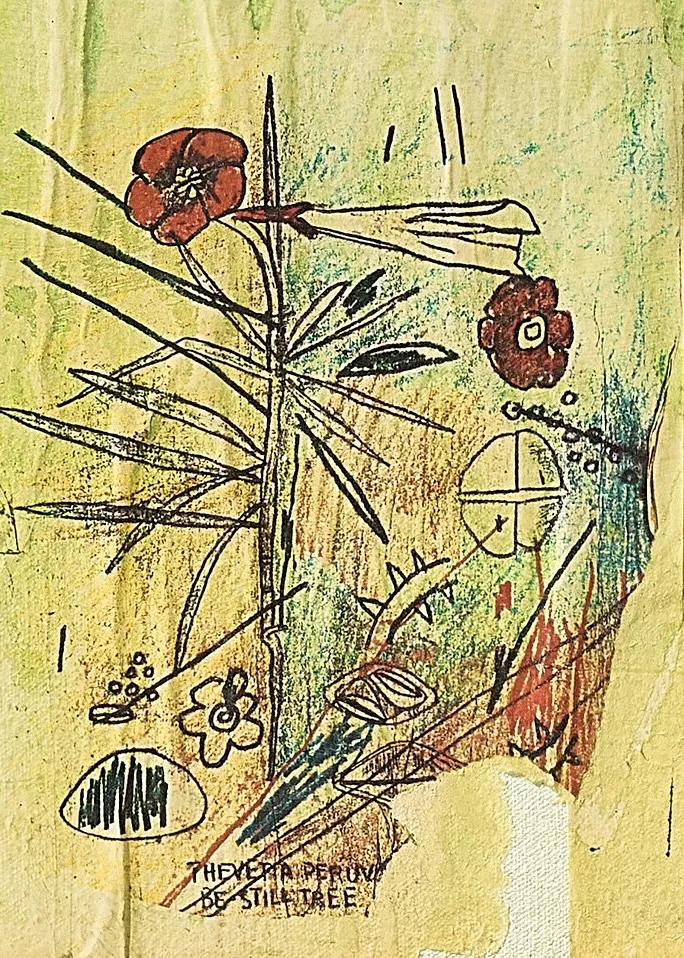
Jean-Michel Basquiat, *Ancient Scientists* (detail)
True art never provides standard answers, but rather, with enduring tension, constantly questions humanity's past, present, and future. "Ancient Scientists" is not merely a work of art, but a thought laboratory transcending time and space, a miniature encyclopedia, encapsulating all the passion and inquiry poured into Basquiat's short but brilliant artistic career. Here, scientific inquiry and mythological imagination stand side by side, and the grand narrative of history and individual identity reflect each other.
Auction Schedule
Evening auctions of the 20th and 21st centuries
September 29
Shanghai Preview
August 29 and 30
4th Floor, No. 1, Zhongshan East Road, Shanghai
Stay tuned to ArtPro for the latest updates on the global art market.