
Exclusive Interview | Artist Sun Jianwen's first solo exhibition witnesses a decade of growth and development
In the context of contemporary Chinese art, "youth" isn't simply a marker of age; it signifies an unfinished process of self-construction and exploration fraught with uncertainty. Outstanding young artists often reflect both their own life experiences and the spirit of their times. Their works often sit at the intersection of self-narrative and cultural critique—embracing sincere expression while also incorporating profound responses to social and philosophical questions.
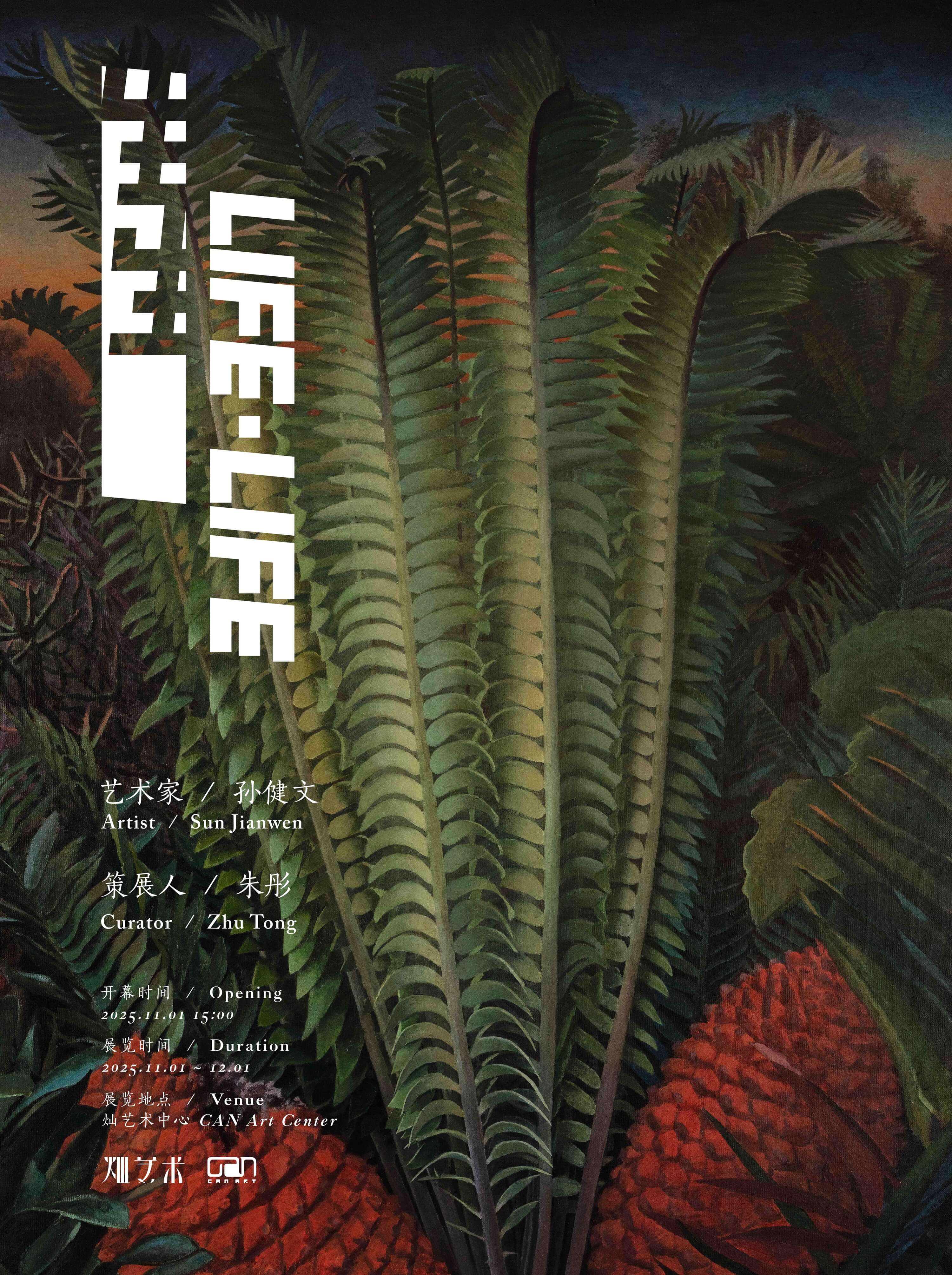
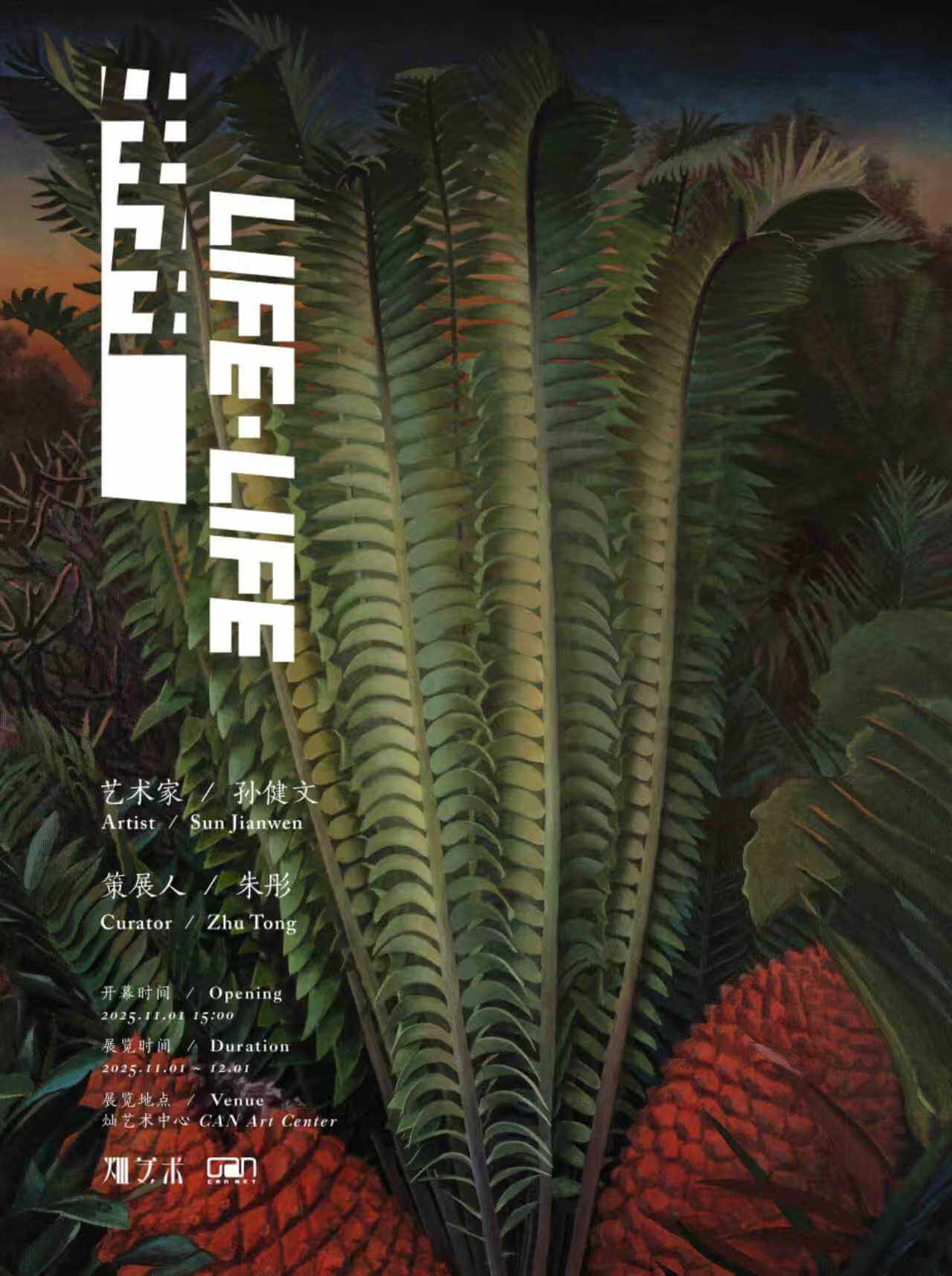
Sun Jianwen, born in 1995, willHe held his first solo exhibition "Life" at the age of 30, an important milestone in his life. The exhibition, held at the Chan Art Center on November 1, is the first systematic presentation of his more than ten years of painting history.Over twenty works woven together the core theme of "Canvas as Soil": This exhibition not only summarizes the stages of his artistic career but also highlights the core of his artistic concept: the canvas is the soil that nurtures life, the place where miracles are born. The works are the spiritual carriers that grow from it. This metaphor elevates his creations beyond simple visual representation to become a site for the generation of vitality.
1. The Beginning of the Artistic Path
Sun Jianwen's artistic journey began with an unconventional decision. At Jilin No. 1 Middle School, he excelled academically, and his teachers believed he had the potential to be admitted to a top 985/211 university. However, nearing his senior year, he resolutely decided to switch to painting, setting his sights on studying at the Central Academy of Fine Arts. This decision baffled and even disapproved his teachers, but ultimately, his parents' support gave him the courage to persevere.
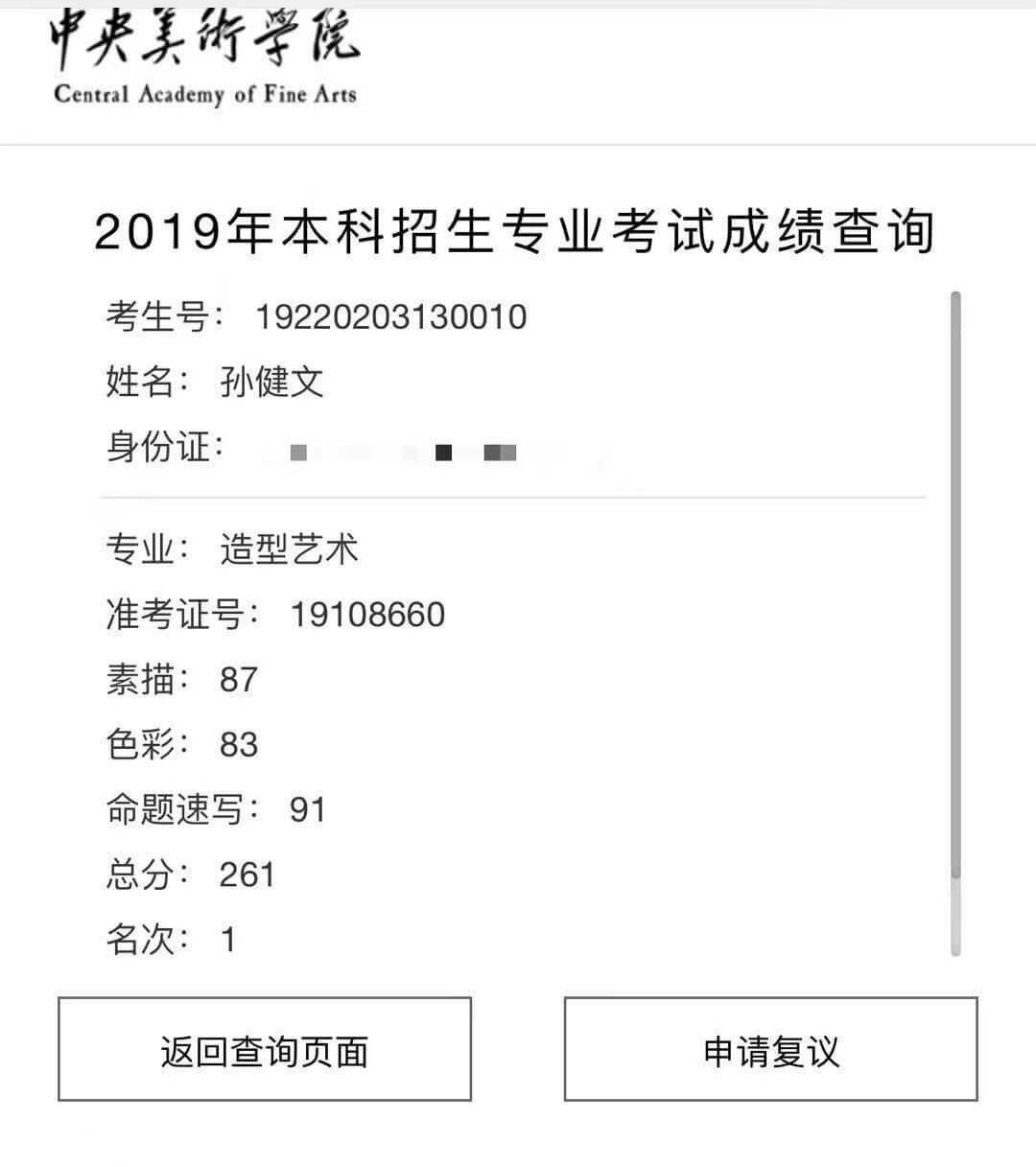
Initially, he studied in a small local studio, relatively isolated from information. He then traveled to Beijing alone to prepare for the entrance exam, moving between various studios over four years. In 2017, he received his small-circle certificate for admission to the Luxun Academy of Fine Arts' sculpture program, but his unwavering commitment to the Central Academy of Fine Arts led him to forgo the opportunity. During this time, he considered studying abroad, but ultimately realized his true feelings: "If I don't get into the Central Academy of Fine Arts, it might prove I don't have a talent for painting." "If studying abroad means escaping the rigors of the Gaokao, how can I pursue the more challenging path of pure art in the future?" Finally, in 2019, he was admitted to the Oil Painting Department of the Central Academy of Fine Arts, placing first in his major. This was not only an academic breakthrough, but also a profound affirmation of his choice.
However, his university years weren't as smooth as expected. The sudden outbreak of the pandemic in early 2020 disrupted everyone's schedule. For him, a student at the Central Academy of Fine Arts, less than half of his four-year course was spent on campus. He recalls that in the early days of the pandemic, like most people, he was in a state of anxiety and panic. His intensive classes and daily studies were abruptly interrupted, replaced by online classes and long periods of confinement at home. Time seemed to stretch, and he describes his state at the time as "a daze of confusion and anxiety."
But it was precisely this external blockage that forced him to turn from the "external world" of art learning to the "inner world", and this change became an important turning point in his creative career. During that long period of loneliness, he gradually turned his attention to himself and began to create self-portraits.This choice wasn't a deliberate plan, but rather a matter of instinct. "What should I depict? The person who knows us best is ourselves." From his initial sketching training to his later philosophical self-questioning, the subject of self-portrait helped him truly cross the threshold from "learning to paint" to "independent creation." He admits, "During that period, I discovered my deep love for post-World War II art. I gradually became influenced by existentialist philosophy, and I also began to frequently ponder many metaphysical propositions."
2. Self-portraits and Humanity: Self-interrogation in the Mirror
For Sun Jianwen, self-portraits are not merely representations of the body or face, but rather an expression of self-existence. "During the pandemic years, my sense of self-existence became particularly acute, and my understanding of the passage of time even more profound." This sensitivity led him to view self-portraits as a crucial avenue for self-exploration. He even confessed that he often struggles with questions like "Why am I 'me,' and why am I male?" and harbors a strong curiosity about gender-related forms of existence, such as the face, body, and sexual organs. These reflections are not based on rational analysis from academic research, but rather are tinged with a uniquely individual obsession and sensibility.
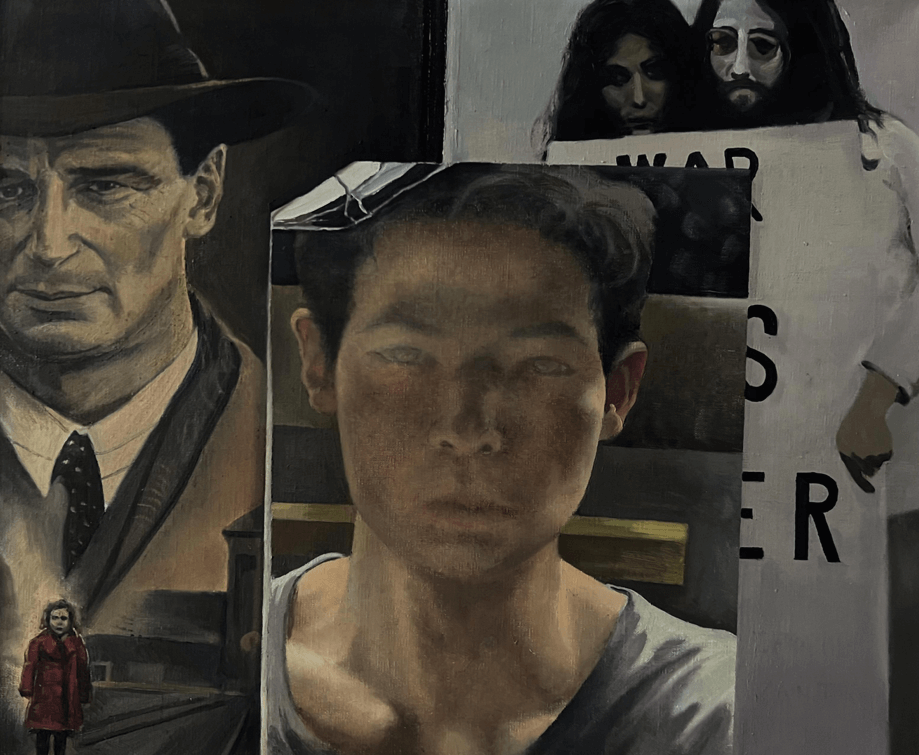
At the same time, his self-reflection didn't become isolated. While confined at home, he watched a large number of films, particularly war-themed films like "Schindler's List" and the anti-war activism of John Lennon and Yoko Ono, which deeply moved him. "What moved me most was the kindness within the complexity of human nature, transcending nationality and skin color. If everyone could be kinder and more loving, wouldn't the world be a better place?" This inspiration gradually shifted his creative focus to examining his own "humanity," and he attempted to translate this emotional resonance into his painting practice.
50×60cm
Oil painting on canvas
2022
In 2020, he completed a series of works depicting his own face and body. In the painting "Self-View in the Mirror," the self-portrait is not presented directly, but rather revealed through the reflection of the mirror - this treatment method itself contains a metaphor: the self is both the subject of cognition and the object of observation; both the gazer and the gazed. This work is not only a creative practice, but also made him realize that the complexity and danger hidden in human nature are the core issues that the self must face. "This exploration of the complexity of human nature fascinates me and also drives me to examine myself more deeply and explore the depths of my heart."
3. The Image of Plants: Seeds of Life Empathy
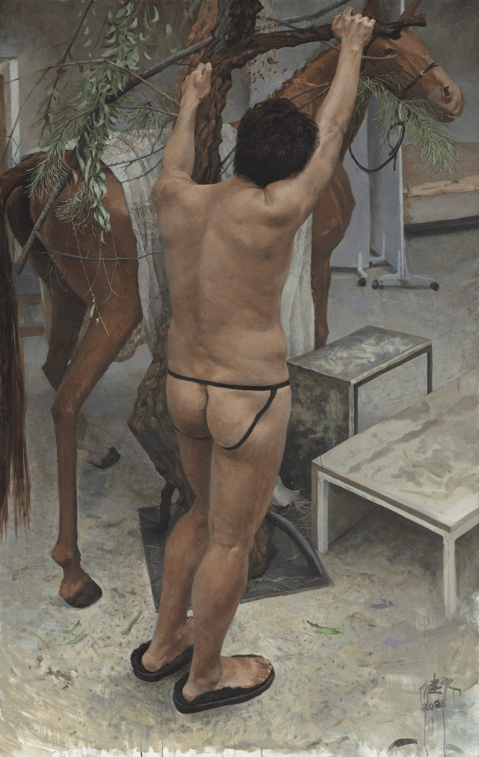
Self-portraits allow Sun Jianwen to confront himself, while plants become an important medium for reconnecting with the outside world. The first time plants entered his creative field was with a certain sense of destiny. His first oil painting study during college, "Study of a Male Body and a Horse," subconsciously included a plant in his depiction. At the time, he had no clear plan for this subject matter, but looking back, he realizes it was perhaps fate: that plant was the earliest "seed" of his concept of "canvas as soil," though it had yet to sprout.
160×210cm
Oil painting on canvas
2020
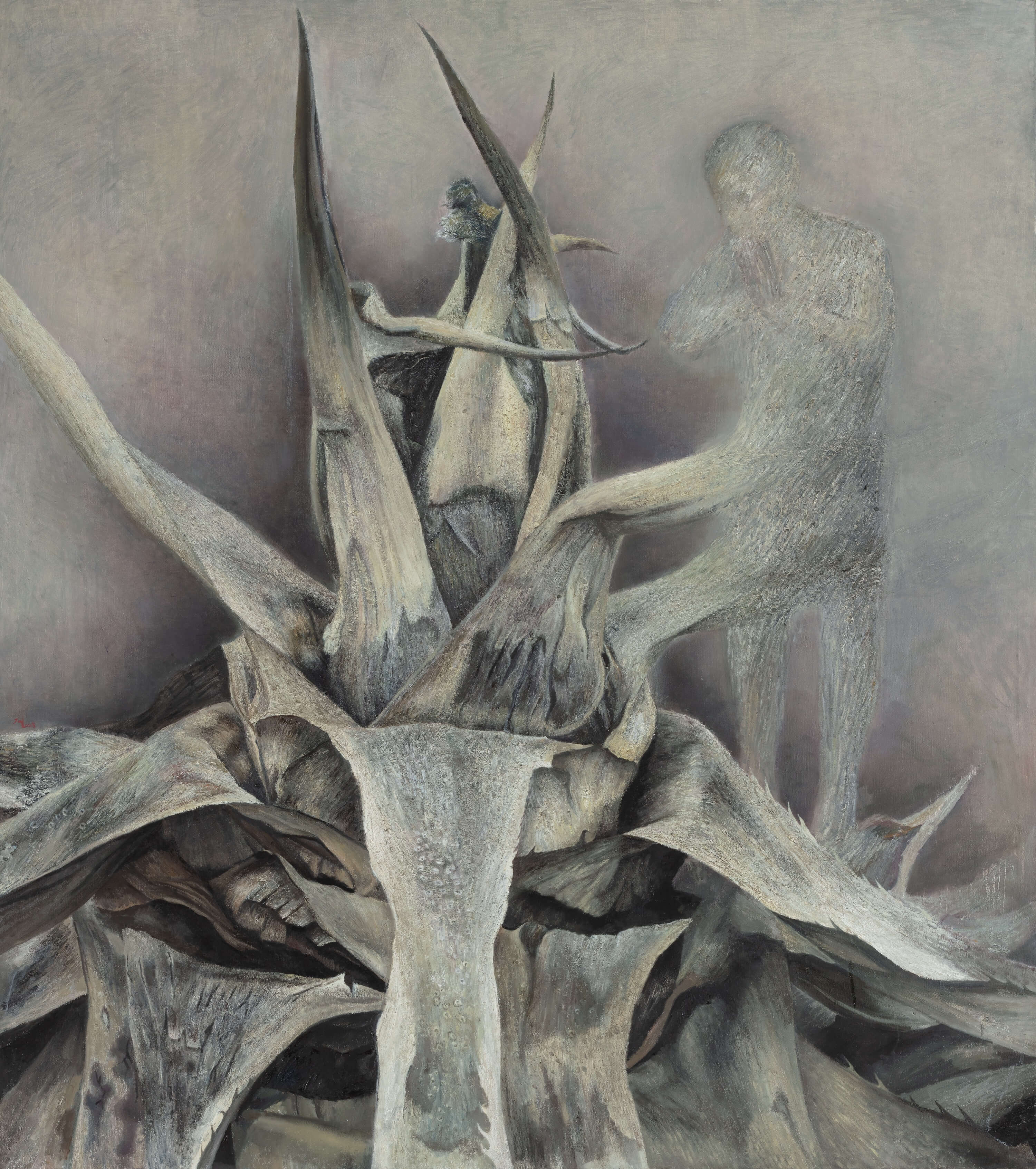
Since then, plant elements have gradually appeared more frequently on his canvases, and they have concentrated on this during his graduation works.The three graduation works he completed (created in 2021-2022) all use plants as the core elements. "The emotions carried by those three works are extremely strong. Now I can say with certainty that I can no longer return to the complex emotions I felt when I finished the paintings."
It was these three graduation works that established a bridge of communication between him and Mr. Li Jianguang—significantly marking the first time his work received the attention and recognition of a gallery. "My graduation work, from the time I started painting to the time I sold my first work, holds special significance. From 2014 to 2023, I had been painting for nine years, starting with my painting training in the studio as a sophomore in high school. Finally, someone recognized and collected my work, and I began to explore my own creative process more deeply."
Sun Jianwen has a particular fondness for plants that grow in the desert. His particular interest in cacti and agave stems not simply from their unusual appearance, but rather from their natural survival logic: their spikes, originally leaves from ancient times, gradually evolved into hardened needles to adapt to the arid environment and retain water. "This evolutionary process itself stems from life's instinctive desire for self-preservation."In his view, desire is not a unique characteristic of humans, but the core driving force for the survival and development of all living things. Desire is the instinct of self-preservation. In this context, plants are no longer a "metaphor of nature" in the traditional sense, but a carrier of "life empathy."He quoted Cézanne’s view that “for a painter, feeling is the basis of everything.” In his eyes, the key to creation is “through which object to carry one’s feelings and thoughts,” and plants happen to be the most suitable carrier.
4. Life Inspiration from Nature
Sun Jianwen's experience of staying at home during the early stages of the pandemic forced him to confront himself for the first time. The subsequent misfortunes and illnesses brought him into direct confrontation with death and nothingness. In the second half of 2022, he contracted the novel coronavirus, and compared to most people around him, his symptoms were particularly severe in the early stages.
During that difficult period, he almost completely stopped creating. "I fell into a double dilemma of physical and mental suffering. I didn't touch the paintbrush for a whole six months." It was not until graduation that he broke through his own difficulties and gradually regained his creative state. The illness not only consumed his physical energy, but also pushed him into the abyss of the spirit. "Every night before going to bed, I seemed to have a premonition that I might not wake up the next day. Every night my heart would start to ache, and I always felt that my life could end at any time." The hospital's examination results showed that there was no organic disease in his heart and lungs, but this constant fear made it difficult for him to fall asleep - he would wake up seven or eight times a night, and later he even began to have obsessive thoughts. "Once fear arises, the brain will involuntarily look for the cause, and all kinds of obsessive thoughts will emerge. Even if you subjectively want to stop, you can't control it."
In fact, as early as the fourth year of his college entrance examination, he had experienced a panic attack. At that time, due to the excessive pressure of preparing for the exam and overwork, he suffered an acute panic disorder. However, because the school entrance examination was approaching, he did not go to the hospital for professional intervention. The double crisis caused by the new crown and the changes in his friends around him completely put him in trouble. "Later, I even had thoughts of suicide. For example, when I saw the window, I would think of jumping down. Only then did I realize that I should go to the hospital." In the end, he went to the hospital for treatment and received drug treatment. After just one or two weeks, the symptoms were significantly relieved, and then gradually returned to normal.
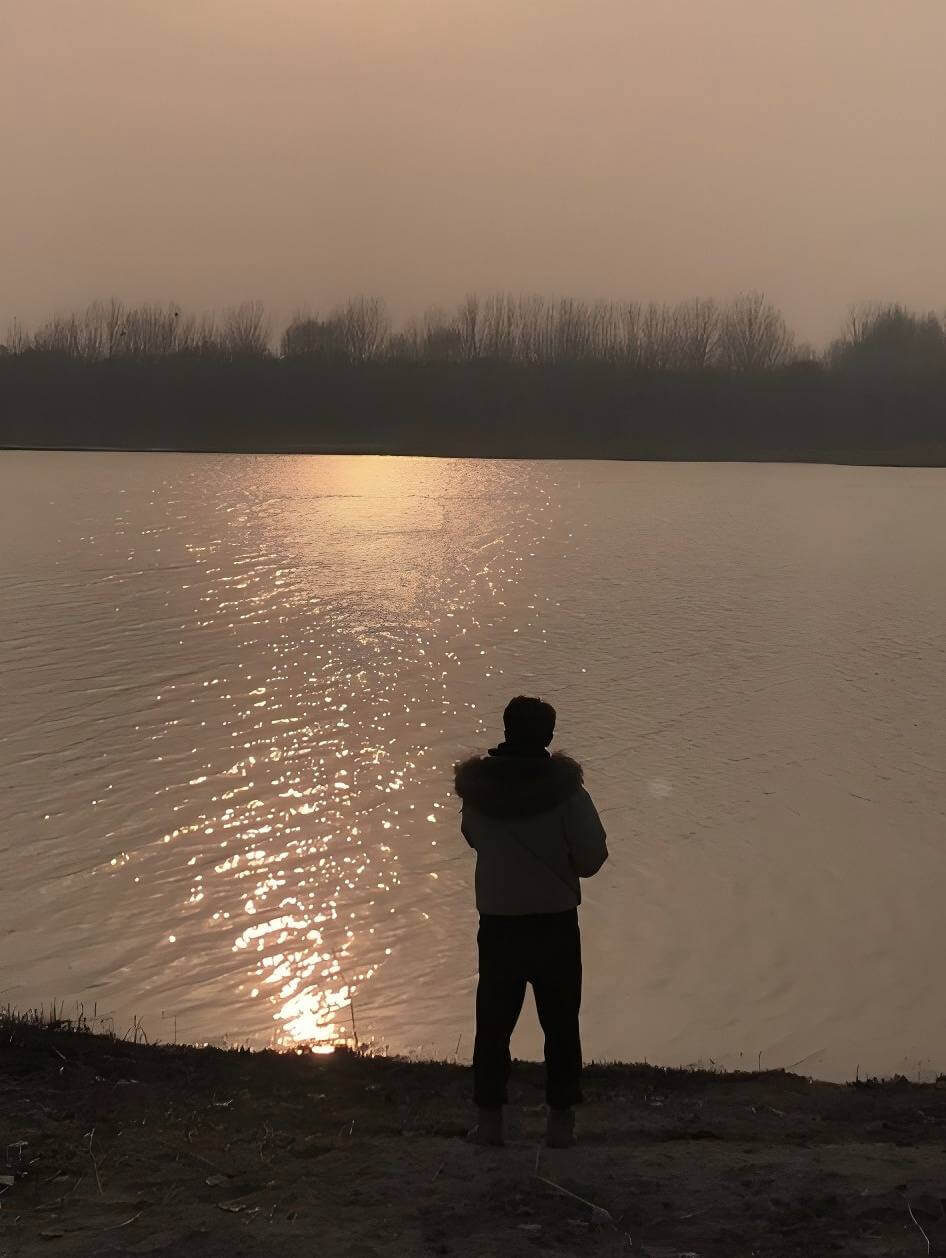
Before seeking medical help, he struggled alone for a long time—daily retreats to Chaobai River Park to escape the oppression of his confined environment. Initially, he would bring books to read, but later, he would simply take walks or sit in meditation. "My mental state had become increasingly abnormal, and many ordinary things would trigger my mood swings." This abnormal state lasted for about four or five months, as if he was trapped in a cycle of self-confrontation, unable to break free.
His time in Chaobai River Park coincided with the period from January to June, when the earth revived and flowers bloomed. This surge of emotion gave him a first-hand experience of the power of nature. He observed the plants in the park daily: green buds gradually sprouted from withered branches, bees began to gather nectar, butterflies fluttered, and ducks and birds over the Chaobai River chirped softly. "Never before have I felt the vitality and power of nature so strongly as I do now. As the earth revives, I can clearly sense an invisible force of nature." This sense of growth and reincarnation, born of nature, offered him crucial insights at a moment of extreme vulnerability.
This experience completely changed his view of nature. "Before, I only had a 'visual perception' of the plants and greenery around me—for example, when I rode my bike through a neighborhood, I could only catch a glimpse of a blur of green. Their presence or absence in my world was insignificant because my mind was always occupied with other things: work to complete, works to be created, information to be researched, friends to meet... there was always an endless stream of trivial things to do. But now, I often ride aimlessly, withdrawing awareness from my brain and focusing on 'observation' itself. In return, I've discovered many details and corners that I had never noticed before."
This change in "observation mode" is essentially a reshaping of perception, which also pushed him to gradually form a new outlook on life. "After that, I began to study the Tao Te Ching and Zhuangzi.He was deeply influenced by the thoughts of Laozi and Zhuangzi. Laozi's "naturalness, following its own course," Zhuangzi's "Free and Unfettered Journey" and "On the Equality of All Things" helped him understand the unity of life and nature. In his view, human creativity is essentially the manifestation of human vitality, no different from the vitality of plants and animals. It's just a matter of expression.

Illness not only reshaped his cognition but also changed his attitude toward life. "In the past, if an insect intruded upon my studio, I might have casually eliminated it—the subject eliminating the object. But now, I see them as my friends, the unity of subject and object, the equality of all life. I either release them with care or let them roam freely. Even if I accidentally step on an ant, I feel guilty and uncomfortable. I've considered becoming a vegetarian, but do plants have no life? Sometimes I can almost hear the grass screaming." This shift in attitude stems not from "morality" or sermons, but from a deep understanding of the essence of life. "Perhaps the compassion in human nature grows more from pain and sorrow. Only by experiencing hardship and pain, and then achieving a certain transcendence, can one truly understand this state of mind."
The compassion that grew from illness gradually infused his creations with deeper spiritual connotations.The plants on canvas no longer merely convey individual emotions but also carry a broader philosophy of life—becoming a medium for his dialogue with nature and resonance with life itself. This experience, far more than a personal psychological transformation, marked a significant turning point in his artistic approach: from his previous self-contemplation to his understanding of nature after illness, his work gradually transitioned from "individual narrative" to "empathy with life." Plants, insects, birds, and the cycle of seasons are not only visual elements in his paintings but also form a crucial foundation for his philosophical reflections.
5. Philosophical Thinking Incorporated into Large-Scale Art
In the years following his graduation project, his exploration of botanical themes continued to deepen. The most striking work in the "Life" exhibition is a large-scale painting measuring over four by five meters. Sun Jianwen blends his own shadow with the roots of a thousand-year-old fir tree, using the roots as the core visual motif while incorporating elements of self-portrait. This creative choice was not accidental, but rather stems from his long-standing reflections on the perception of existence and time, his understanding of Laozi and Zhuangzi's philosophy, and the philosophical dualities of subject and object, identity and difference.
The fir trees are immense and eternal, while the dark background symbolizes death and nothingness, as if to the unknown fate that humanity and all of nature will eventually face. The light, framing the artist's figure, confirms this very existence. "Mayflies live in the morning and die in the evening; humans live for only a hundred years. Trees can live for thousands or even tens of thousands of years, but ultimately, they cannot escape nothingness—this is the law of this space-time universe, the law of increasing entropy."

The enormous scale of this work is driven entirely by inner emotion. "My inner emotions are so overwhelming that they can only be expressed through such a large canvas. A smaller canvas simply cannot carry this intense feeling of existence and nothingness." In terms of composition, this work deliberately elevates the center of gravity, creating a visual sense of oppression by the darkness and nothingness metaphorically represented by the massive tree roots. The human figure appears particularly small within the shadow of the roots. This sense of oppression is a transformation of his real life experience. And the human figure standing tall in the nothingness is an unyielding declaration of existence. "Humanity itself is very small, and nothingness is the ultimate proposition that cannot be avoided. I no longer want to escape its existence, but choose to face it directly, even to merge with it."
Notably, the inspiration for this work stems not only from personal experience but also from a profound memory. He once mentioned that a close painter friend had always aimed to be admitted to the Central Academy of Fine Arts, but ultimately failed to achieve his goal and subsequently passed away suddenly due to illness. This event deeply touched him and made him realize that "nothingness" is not an abstract philosophical concept or a label, but a real and omnipresent reality. Therefore, he had to face and experience nothingness more directly, transforming it into the core theme of his painting.
In his view, nothingness itself is not the same as the feeling of nothingness. The feeling of nothingness often stems from the mind's pursuit of "meaning," a human confusion about the meaning of life. When individuals lose the ability to perceive the value and significance of existence, they fall into a state of nothingness. "Meaning" is essentially a concept constructed by the human brain, an abstract cognition created through linguistic symbols. He draws on Wittgenstein's ideas to support this view: in the language system, people use "meaning" to define "meaning" itself, but "meaning" is ultimately a human construct, not an objective entity. Since "meaning" is not objectively real, the proposition of "meaninglessness" also loses its basis. It is like the colors, lines, and other elements in a painting, which change with time and culture. But nothingness itself is like the blank canvas that supports all of this, the inherent disorder and purposelessness of the universe.
Therefore, he advocates for a more enlightened attitude towards life: "Even if an individual is in a state of 'meaninglessness', they should still do things step by step. Nature always follows its own laws, circulating in a harmonious and authentic way, without any human factors. Humans are also an important part of nature. Therefore, a more natural way of living may not be to ponder the essence of 'meaning', but to focus on the 'feelings' of the present moment and take action; not to passively wait for 'meaning' to find itself, but to actively 'create' it."
Furthermore, this work also embodies his unique understanding of time. Traditionally, time is often viewed as a linear process—past, present, and future progressing in sequence. However, in his eyes, time does not exist; it is an abstract perception of nothingness. Above this nothingness lie various ever-changing entities. In his view, these are not to be feared; they are merely manifestations of the universe. What matters is that life exists and consciousness arises in this process. "Now, my cognition has long since transcended the dilemma of nihilism. I firmly hope to unleash all my energy into creation within my limited life."
This large-scale work is not only the core of the "Life" exhibition, but also the culmination of his artistic thinking to date. It not only responds to his personal experience and reflection on nothingness in his life, but also raises a universal proposition: In the long river of time and the shadow of nothingness, how can humans confirm their own existence? His answer is - through creation.
Conclusion
Sun Jianwen's works, whether in his self-portraits or his botanical compositions, bear a distinct personal stamp, a direct reflection of his life experiences. To understand the uniqueness of his art, it is necessary to examine it within the academic context of contemporary art—examining how he establishes his own coordinates between art historical traditions, the existential circumstances of his contemporaries, and broader intellectual resources. In fact, his work is not simply a personal narrative, but a human response to multiple critical issues, questions that arise both from his own personal experiences and resonate closely with the broader context of art history, social realities, and the characteristics of our times.
The first topic is isolation and self-exploration in the post-epidemic era.During this period, he used self-portraits as a creative breakthrough. By gazing at the body and reflecting on consciousness, he transformed the philosophical question of "Why do I exist?" into the language of painting. This creative path continues the art historical tradition of "self-portraits as self-affirmation and existential inquiry," while also bearing the unique imprint of a contemporary context: isolation and emptiness are no longer abstract emotions, but perceptible visual experiences on canvas.
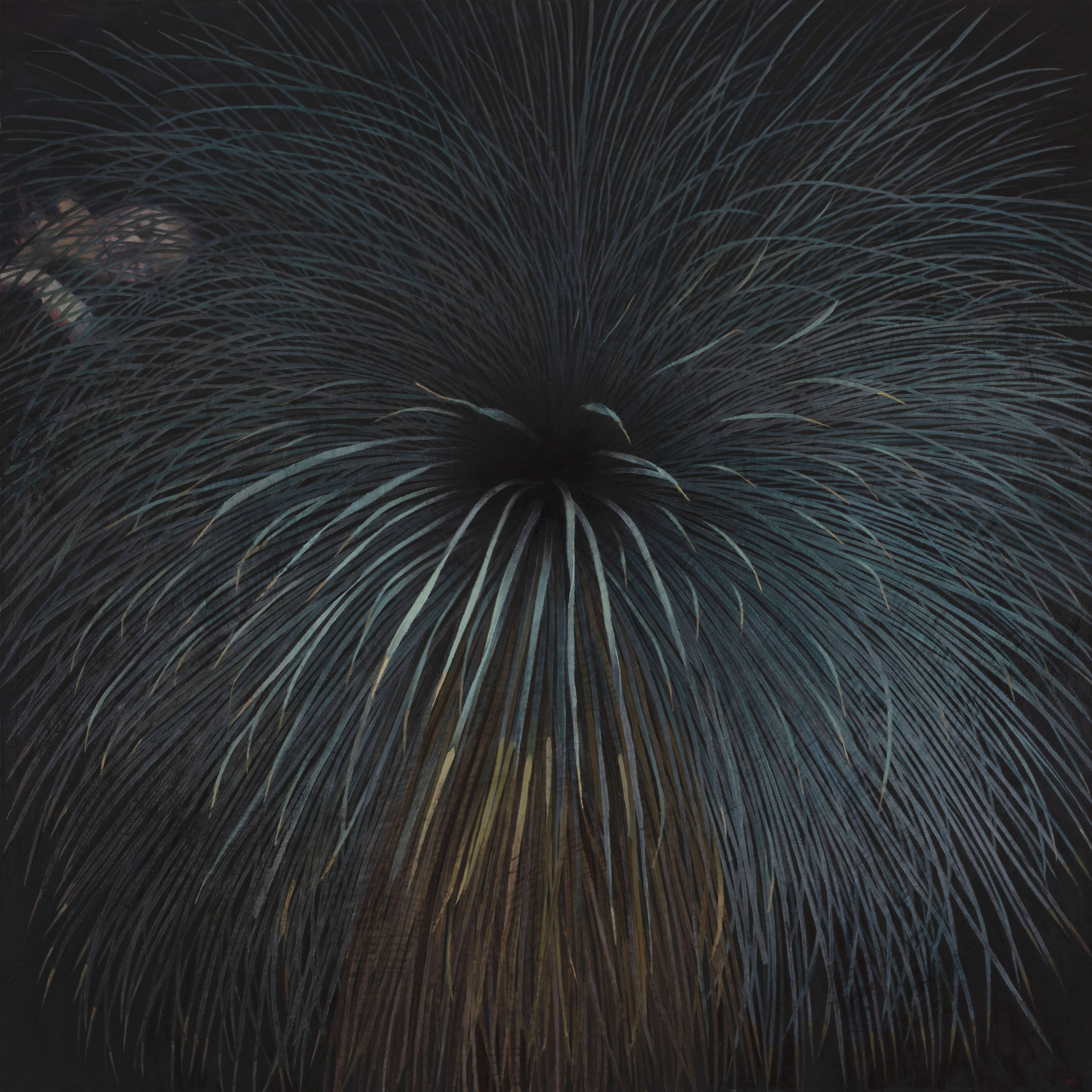
The second topic is the visual presentation of life empathy.In his works, plants are no longer mere embellishments of the natural landscape, but rather visual expressions of the logic of life—the spikes of cacti and the spreading growth of their roots carry the desire for life, the sharp edge of survival, and the instinct for self-preservation. He proposes that "painting plants is no different from painting people," a statement that transcends the cognitive limitations of anthropocentrism. By juxtaposing the living conditions of plants with the human condition, he constructs a vision of "human-plant symbiosis" on canvas. This creative shift not only responds to his personal understanding of nature after his illness but also reflects contemporary art's ongoing focus on ecological issues and the commonality of life.
The third issue is the generation mechanism of suffering and compassion.Physical and mental crises once brought him to the brink of collapse, but they also prompted him to regain inner peace through observing nature. He once said, "This kind of compassion grows from sorrow." This understanding has led to a symbiosis of life's fragility and resilience in his works: painting is no longer just a tool for emotional expression, but a medium for dialogue with pain and reconstruction of self from nothingness. This unique life experience has infused his work with spiritual depth and highlighted the indispensable "vitality" dimension of young art in the current social context.
The fourth topic is the dialectical relationship between existence and nothingness.In his large-scale works of fir tree roots, he blends his own silhouette with the shadows of the roots—darkness symbolizing nothingness, while light and shadow reveal existence. Through his work, he realized that "meaning" is not a pre-determined objective existence, but rather a dynamic generation through the process of action and creation. Thus, painting becomes a "generative practice": amidst the veil of nothingness, through creation, he affirms his own existence and self-worth, actively creating the meaning of life. This creative attitude transcends passive nihilism and presents a positive "philosophy of action."
From these four perspectives, it's clear that Sun Jianwen's work transforms topics like isolation and self, life and empathy, pain and compassion, and existence and nothingness into tangible visual experiences, transforming painting into a platform for philosophical reflection and emotional energy. It's through the interweaving of individual narratives and public issues that his work achieves a universality that transcends personal experience, demonstrating the unique spiritual dimensions and value pursuits of contemporary young artists in the complex social landscape.
Looking back on his creative journey over the past decade, a clear trajectory emerges: from his teenage obsession with the art path to his perseverance during his retakes; from his solitary explorations as a student at the Central Academy of Fine Arts to his self-reflection during the pandemic; from the fear and struggle he experienced after contracting COVID-19 to the vibrant empathy for life in his botanical works; and finally, to his confrontation with time and emptiness in his monumental fir tree root paintings. These experiences ultimately crystallized into his cohesive artistic vision: "the canvas is the soil," and his works are the concrete manifestation of the vitality that grows from this "soil."
Author: Xie Mu
Please continue to follow ArtPro for more latest developments in the global art market.