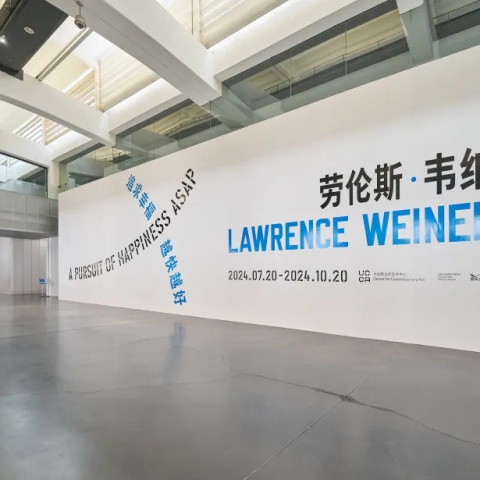

Exhibition | "The pursuit of happiness, the faster the better" - Lawrence Weiner's first major retrospective in China opens at UCCA
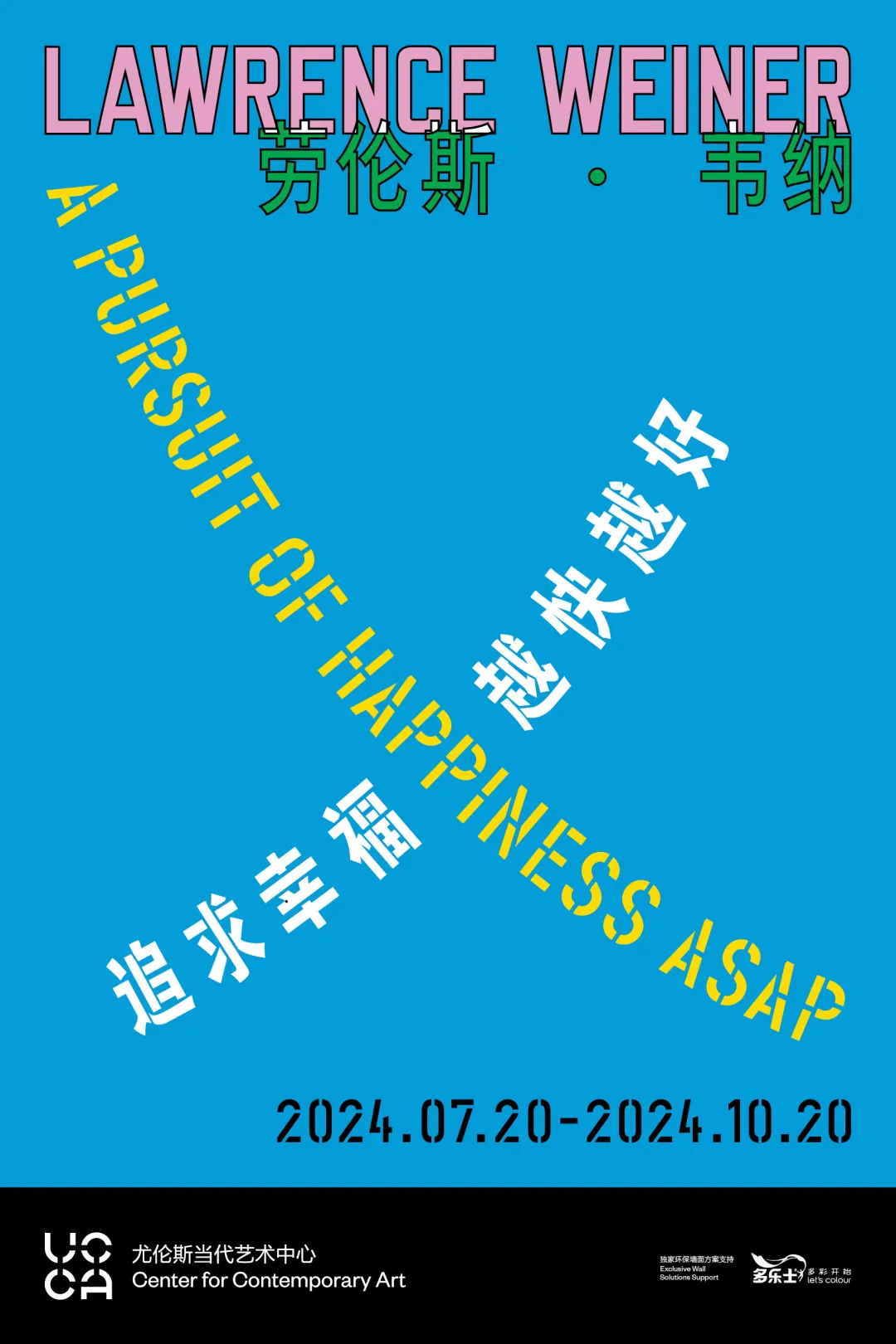
From July 20 to October 20, 2024, UCCA Center for Contemporary Art presents the first major retrospective in China of the world-renowned American artist Lawrence Weiner (1942-2021)."Lawrence Weiner: The pursuit of happiness as quickly as possible"This exhibition is curated by UCCA curatorial consultant Peter Yilley, in close collaboration with the Lawrence Weiner Art Estate. Following UCCA’s commissioning of “Lawrence Weiner: Inviting Light” as one of UCCA’s opening exhibitions in 2007, it is the first time in 17 years that Lawrence Weiner’s groundbreaking artistic practice has been presented at UCCA again.
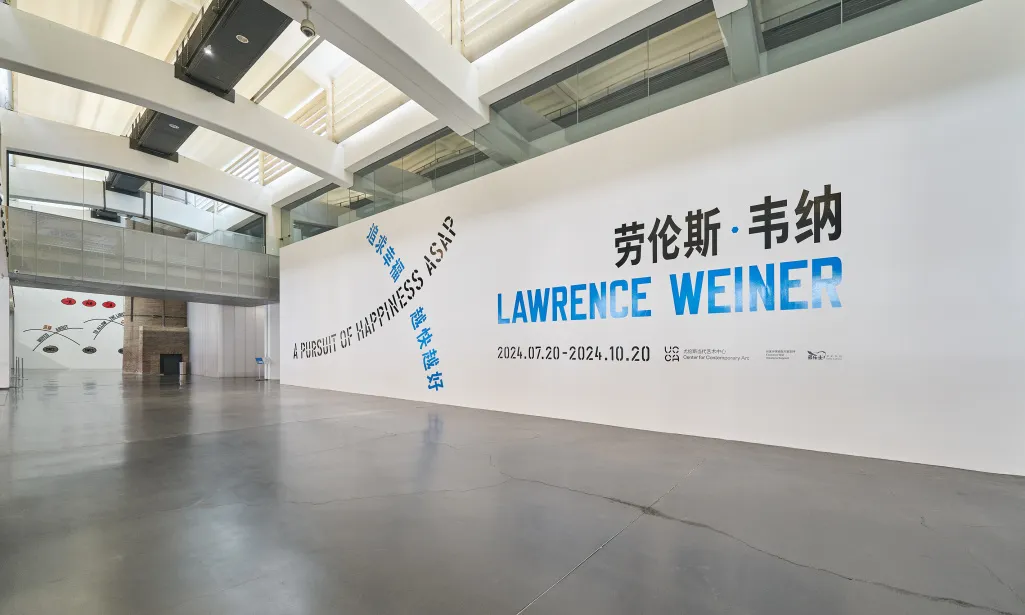
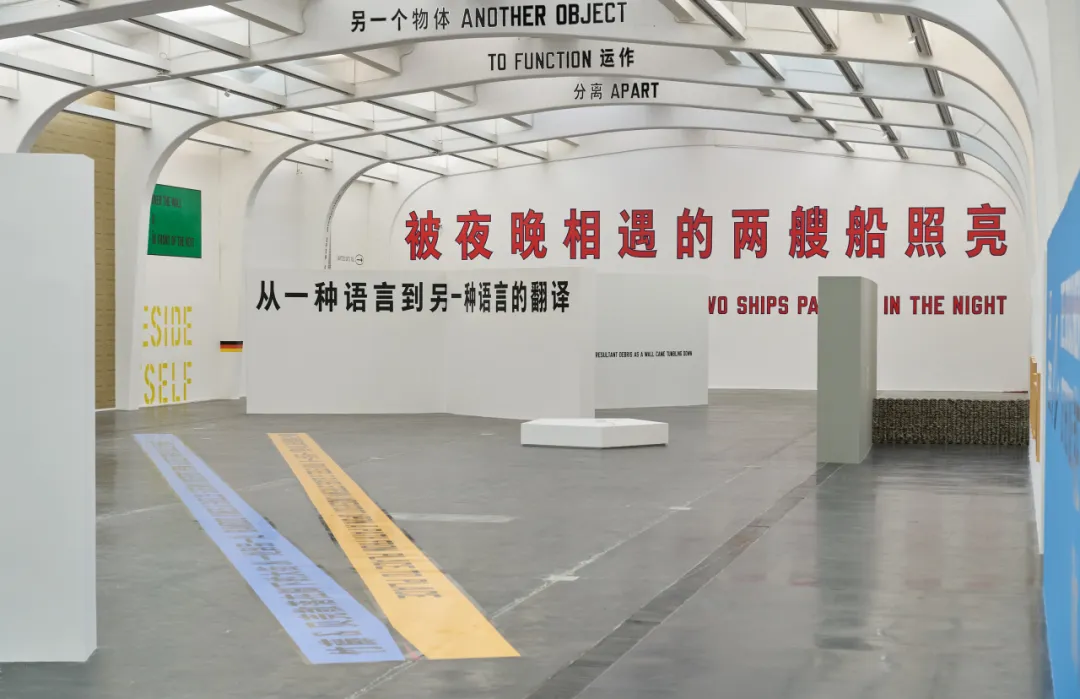
The exhibition selects about 50 language works from Lawrence Weiner's nearly 1,200 works over more than half a century, spanning the artist's entire creative career. The sketches, posters and images on display provide the audience - Weiner calls them the "recipients" of his works - with the most detailed background possible to understand the artist's creative techniques and concepts. Each work is presented in a specific space in the UCCA Grand Hall to show its unique expression, thus inspiring the audience to construct their own interpretation and perception based on the specific context, relationship, arrangement and display of the work.
About the Artist

Although Lawrence Weiner is often closely associated with the development of conceptual art in the United States and Europe, his artistic practice, which uses language as a medium, is unique in its simplicity, accessibility, and openness to the audience. In 1968, after creating a public installation for a campus, Weiner realized that artists could achieve the same effect as physical sculptures by inspiring the audience's imagination and understanding through language and "referential materials", that is, concrete or abstract things pointed to by language, such as actual objects, concepts, actions, or imagined scenes. Weiner thus constructed a groundbreaking core concept of artistic creation, which has become a key shift in the development of contemporary art:
1. Artists can construct works
2. Works can be manufactured
3. The work does not need to be realized
(Each condition has equal status and is consistent with the artist's intention, and it is up to the viewer to decide when receiving the work.)
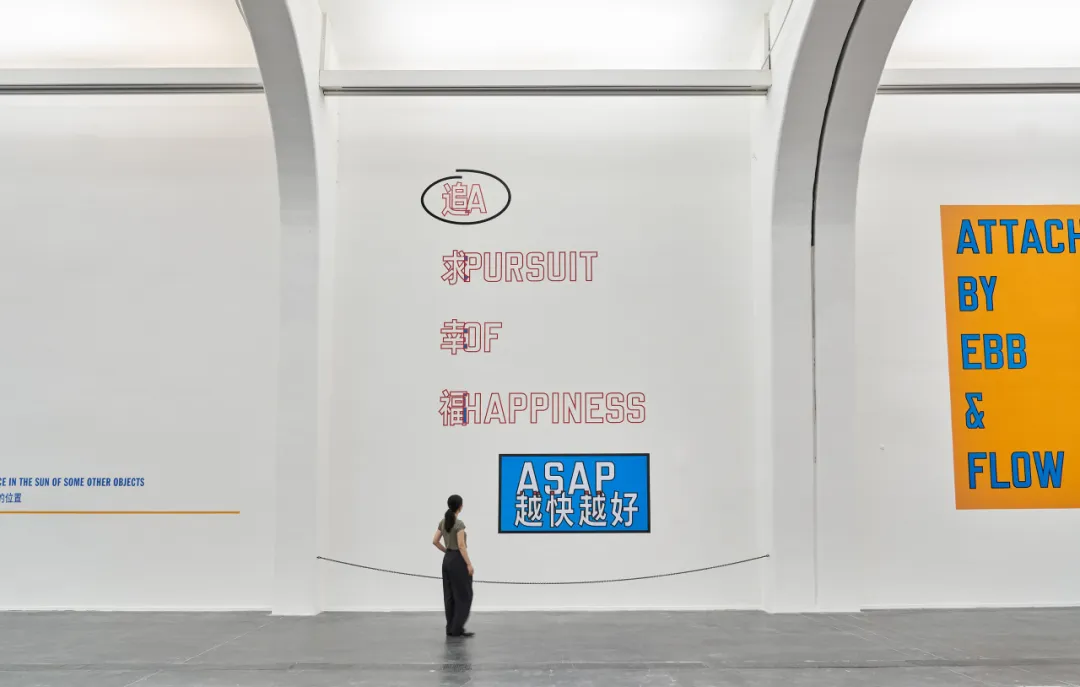
Since then, Weiner has used language as both a medium and a sculptural material, creating what he calls language sculptures that embody "the relationship between objects and their relevance to humans." Although his practice is largely text-based, Weiner makes it clear that he always considers himself a sculptor. "My work is done with language," he said in 2005, "but it's all about material."
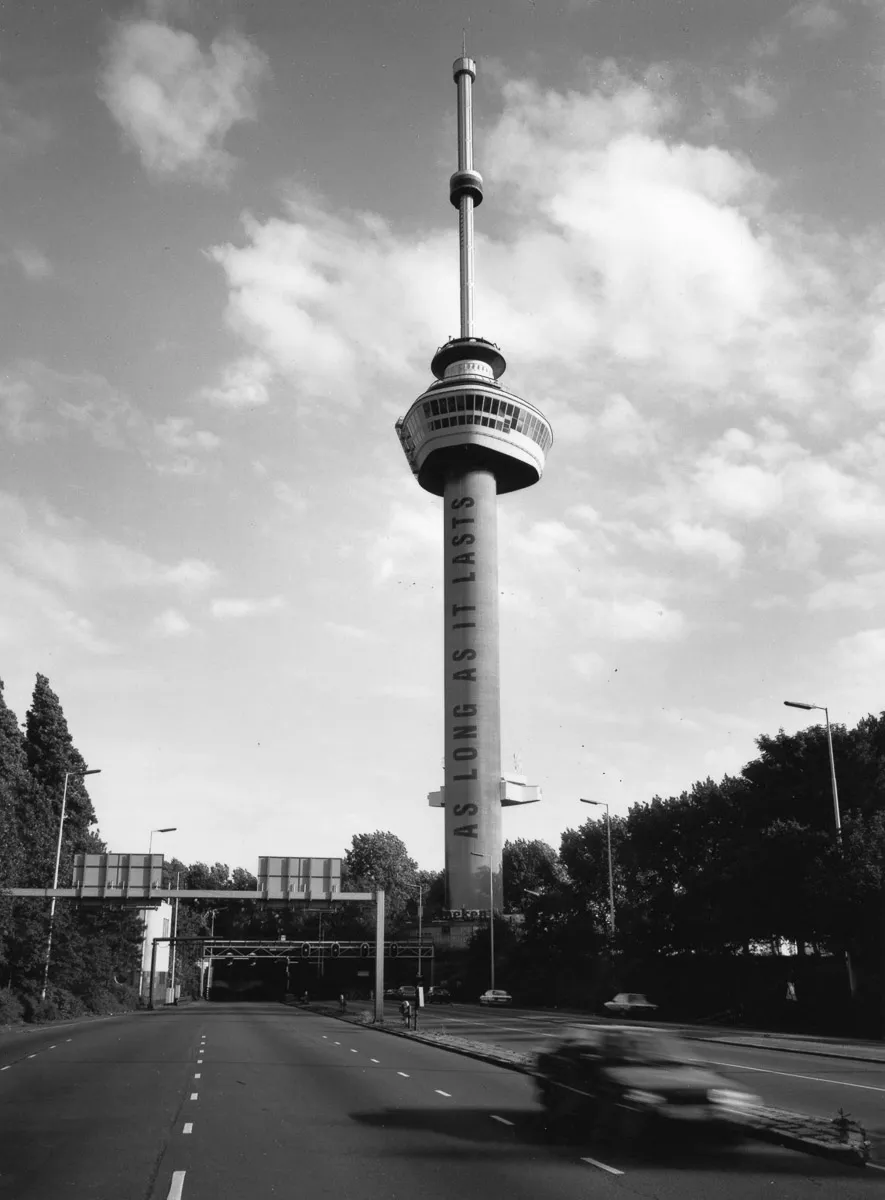
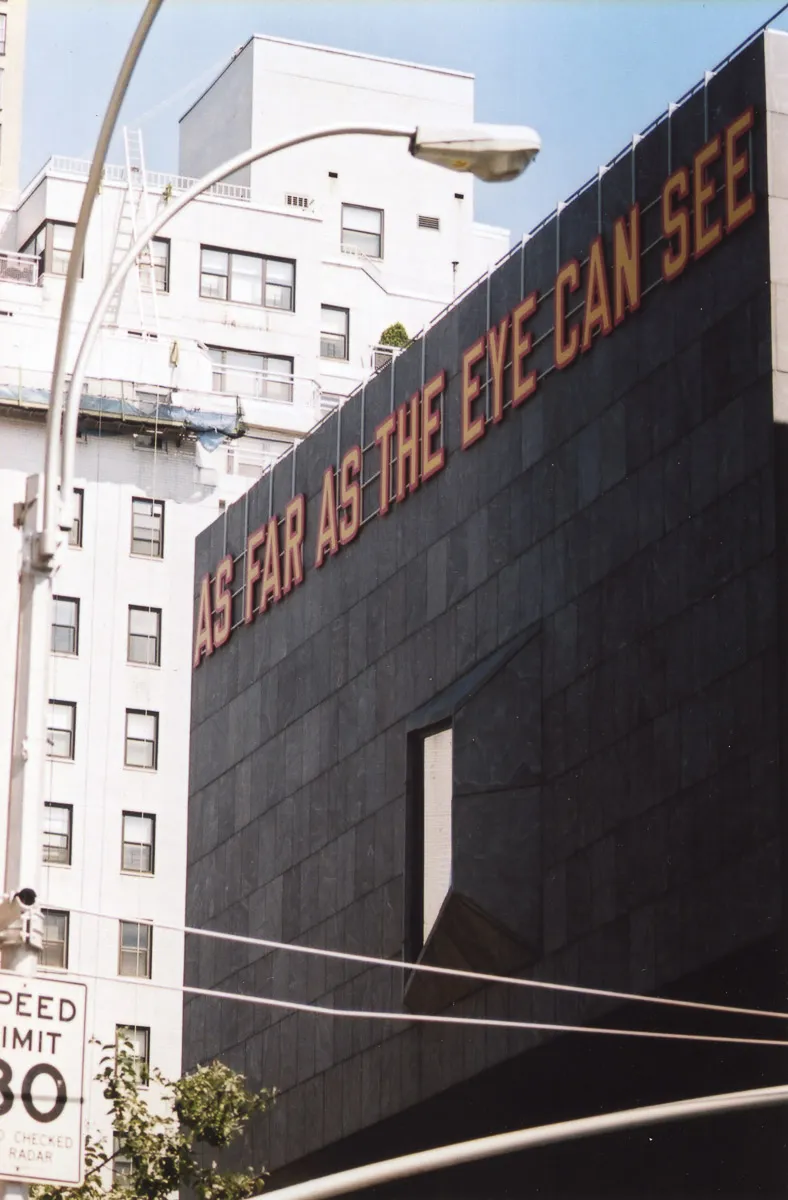
Weiner expands and compresses the semantics of texts by combining the natural flow of certain phrases that people feel when reading them. For example, he collages and juxtaposes common English phrases such as "in & out" with another phrase "out of place" to create a new phrase "in & out of place", thereby revealing the flexibility and ambiguity that structure gives to language. Weiner has a keen sense of both popular and technical terms, using familiar expressions while also incorporating terms from chemistry, physics, and other natural sciences. This combination not only roots his language works in the language of everyday communication, but also connects them to the most fundamental raw materials and substances, and he is always able to extract profound poetry based on the world around him and the people who live in it.
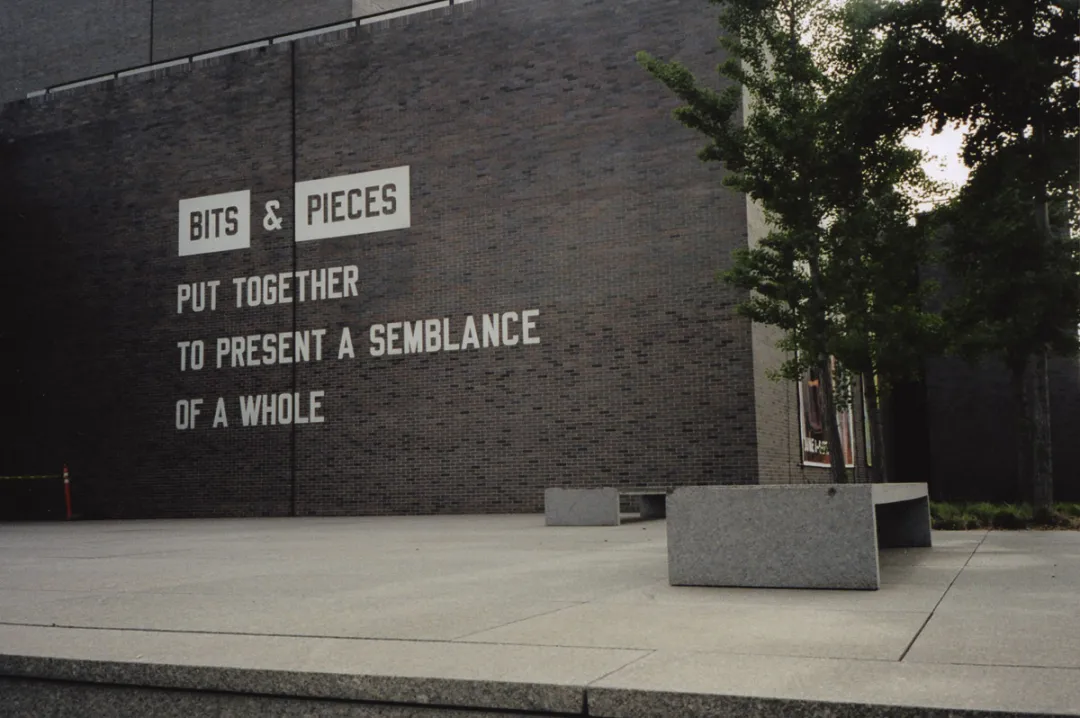
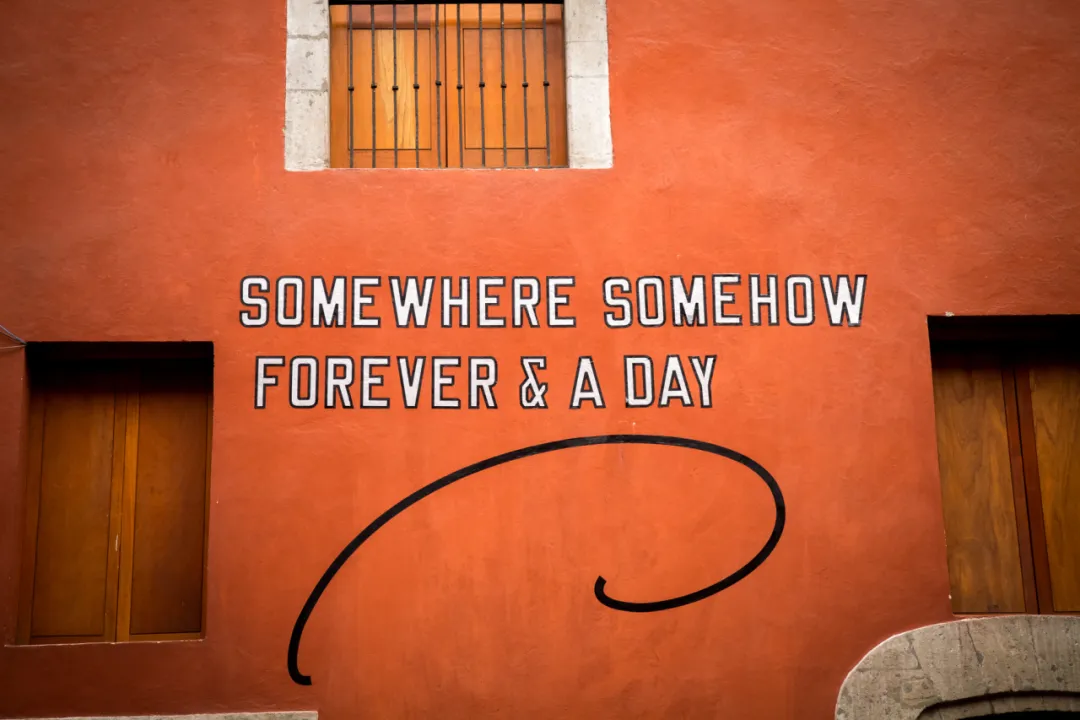
Although Weiner insists that “the work does not need to be realized,” the generous guidelines he constructs for his own practice allow his work to grow in all genres and media: in addition to sculpture, it also includes works on paper, music and sound, video, books, posters, fashion and various ephemeral art forms.
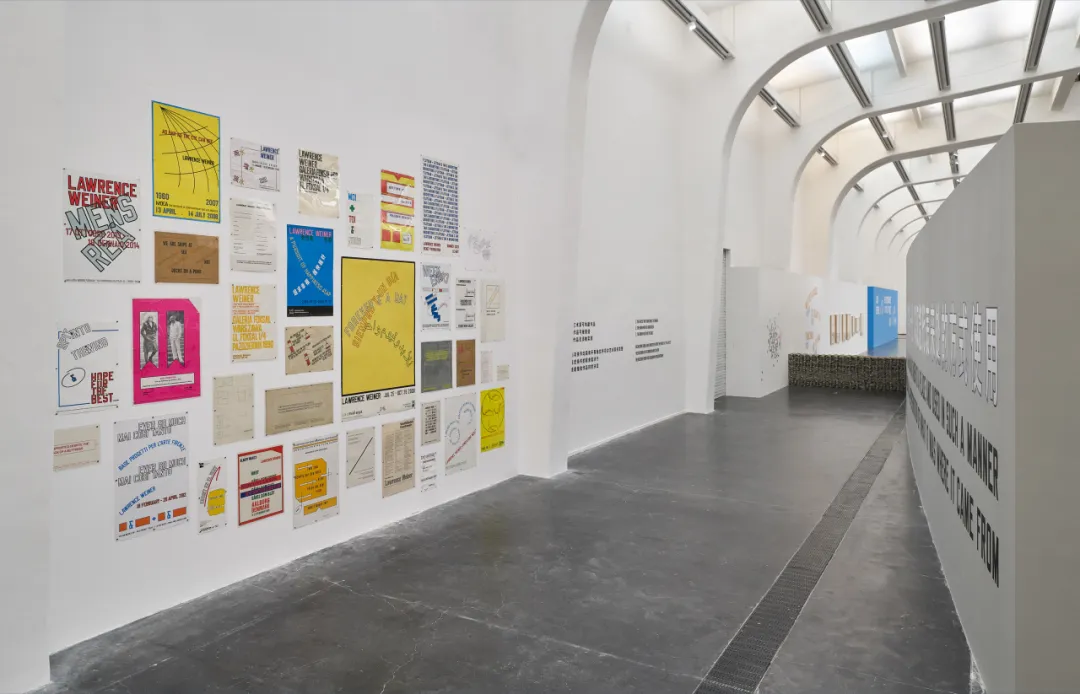
While presenting his work in countless fonts, various surfaces, varying proportions, different languages, and a variety of locations, Weiner always conceives each of his works with great precision, meticulously arranging the relationship between words to achieve the form and effect he intends. However, he also makes it clear that the work should be adaptable, and its expression can develop and change according to the different needs of the context and the audience.
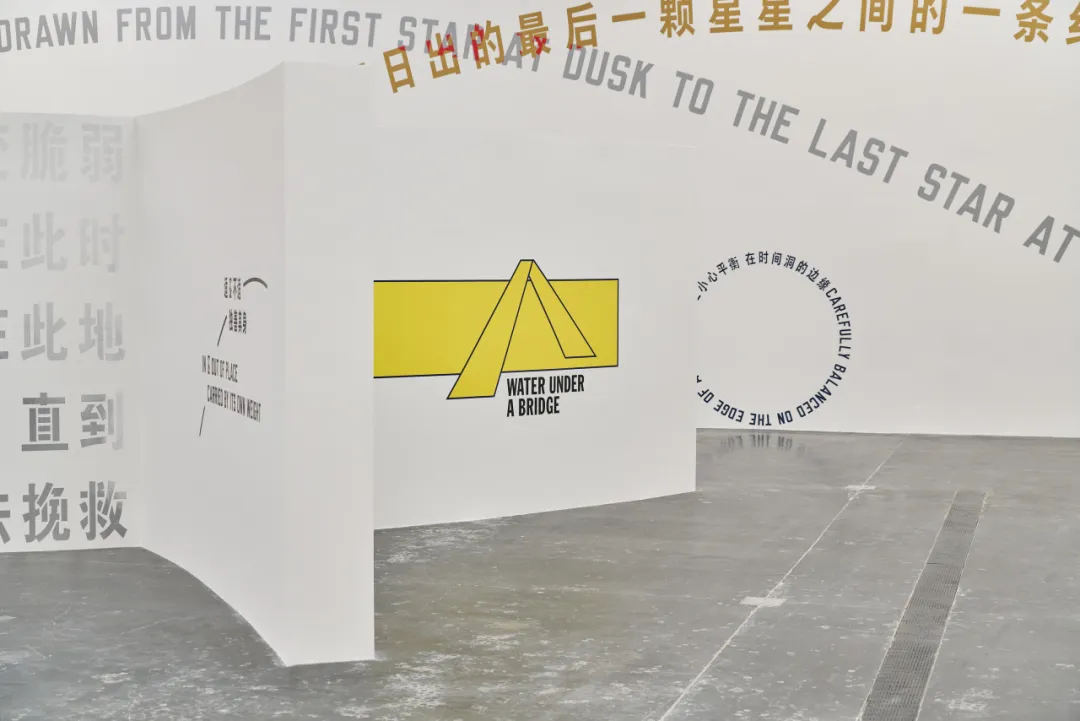
Over the years, Weiner has been designing and presenting his works in various ways, and gradually refined them into three main fonts and several specific colors. The translation and design of each work on display have been carefully considered, using the Chinese fonts and graphic design styles that are most suitable for presenting Weiner's creative ideas. As Weiner presents multilingual works, Chinese and English in this exhibition are often juxtaposed or interspersed, but some works are presented in only one language. Some works in the exhibition are presented as the "referent material" itself, while others are made using the hand-painted or hollowed-out version method used by Weiner in his early years, fully demonstrating the rich layers of Weiner's creations.
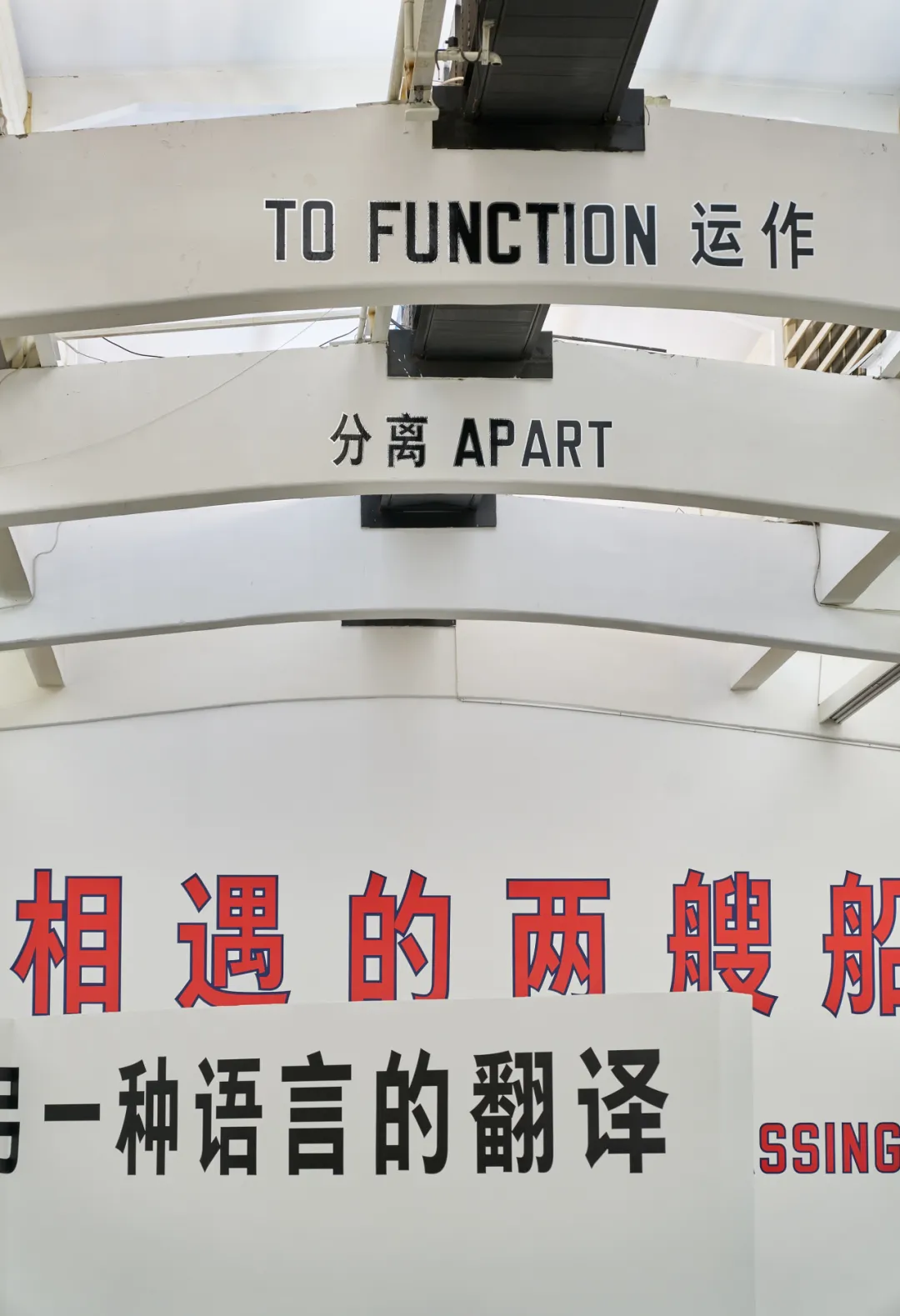
Lawrence Weiner's works have been exhibited all over the world. His first work exhibited in mainland China was a bilingual work specially commissioned by UCCA when UCCA opened in 2007. Through this exhibition, this work will return to the same location in the UCCA exhibition hall in Beijing to be presented to the public.
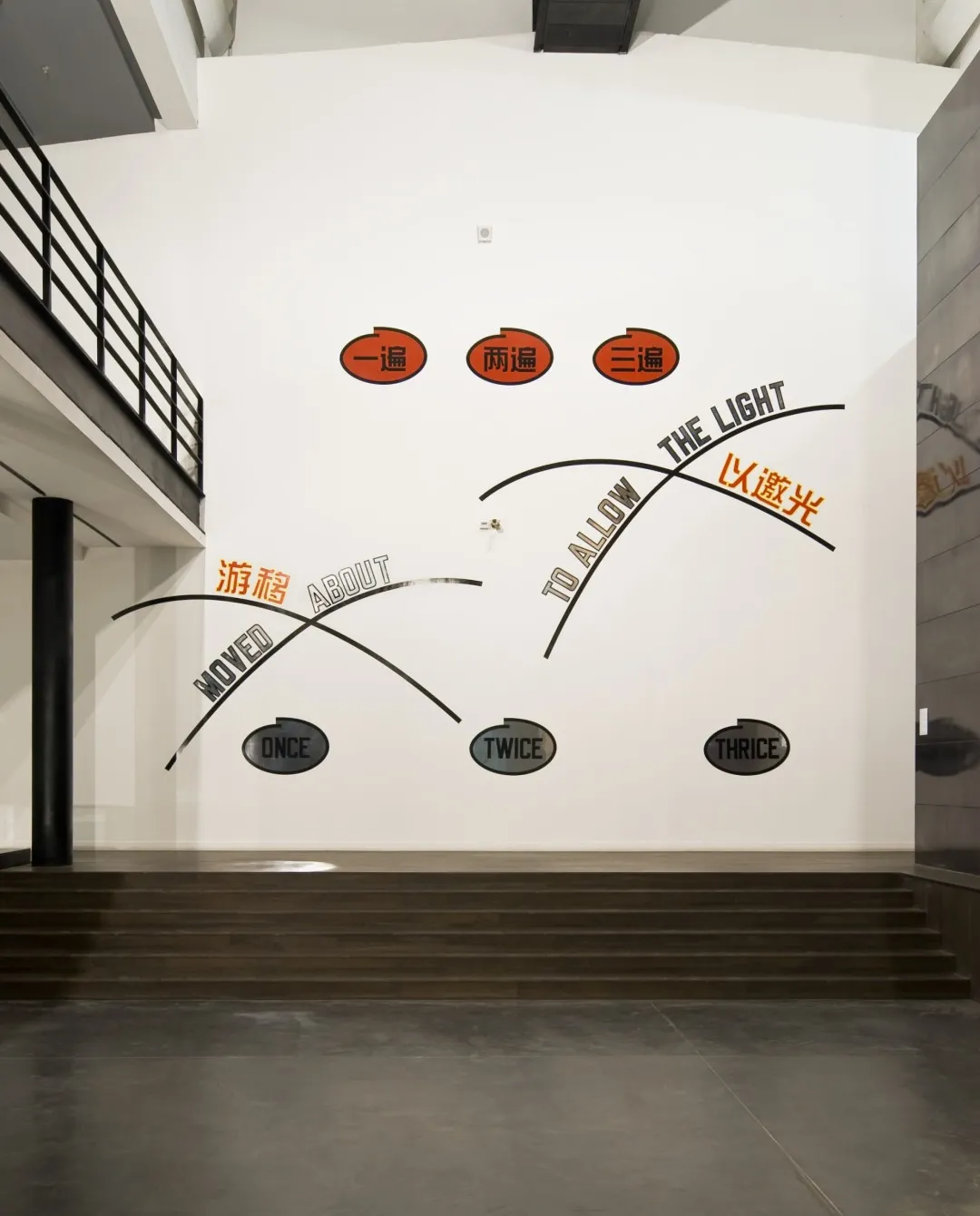
Like any material, communication between people can transcend cultural barriers, with some languages crossing borders more easily than others. The exhibition “The Pursuit of Happiness: Faster and Better” focuses specifically on a series of works that explore themes of translation, migration, and communication. “Translation,” Weiner explains, “is actually moving an object to another place.”
Exhibition Information
2024.7.20 – 2024.10.20
Open from Tuesday to Sunday 10:00-19:00 (last admission 18:30)
UCCA Center for Contemporary Art
798 Art District, No. 4 Jiuxianqiao Road, Chaoyang District, Beijing
Public Tour Times
July 20 (Saturday) - July 21 (Sunday)
Every day at 16:00
July 23 (Tuesday) - July 26 (Friday)
Every day at 15:00
July 27 (Saturday) to July 28 (Sunday)
15:00, 16:00 every day
Exhibition Public Project
During the exhibition, UCCA has carefully planned a series of rich and exciting public activities, which will become one of the important public series of activities organized around Lawrence Weiner in the world art field in recent years.
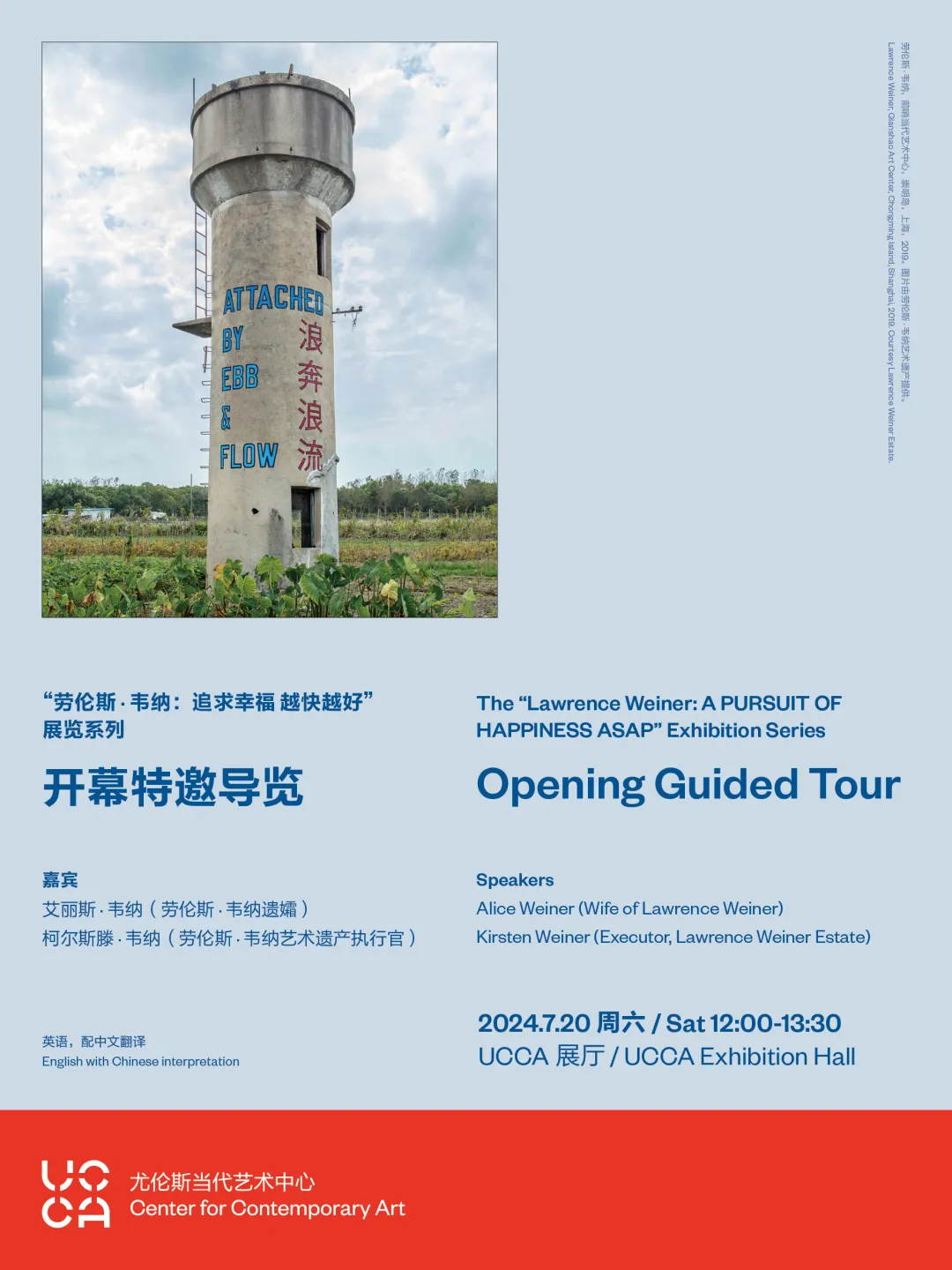
July 20, 2024, the first day the exhibition opened to the public,Opening Special Guided TourWe are honored to invite Alice Weiner, the widow of Lawrence Weiner, and Kirsten Weiner, the artist’s daughter and executive of his art estate, to provide the public with a unique perspective on the artist’s life and artistic creation at the exhibition:Three themed dialoguesThis paper will take the work as a starting point to discuss its status in art history and its influence on Chinese conceptual art. It will also try to explore the broader world that Weiner's work reveals for the development of art from the perspective of language philosophy and translation studies.Video ActivitiesTen works have been specially selected from the 26 short films created during the artist's active period to provide audiences with an additional important way to understand Weiner's Declaration of Intent; in addition,Original performance activity "Wandering to invite light"Inspired by the iconic language structure in Lawrence Weiner's works, musicians will be invited to extract visual symbols and transform them into elements of minimalist music to create unique sound art works, which will be performed brilliantly in the form of human voices in the exhibition hall.
About the Artist
Lawrence Weiner was born in New York in 1942 and died in New York in 2021. After graduating from Stuyvesant High School at the age of 16, he briefly attended Hunter College before moving on to an independent life. As a teenager, he hitchhiked around the United States, creating small sculptures as he traveled. It was during this period that he created what he later considered his first formal artwork, Crater Work, in 1960. He detonated explosives in a state park in Mill Valley, California, creating a new, sculptural depression in the landscape. A key figure in the development of the Conceptual Art Movement, Weiner had a keen interest in communication and the reception of information. His artworks, which were placed in public and institutional spaces around the world, are characterized by their inherent inclusiveness and fluidity. In addition to his sculptures, Weiner has created music, film and video, as well as artist books throughout his career.
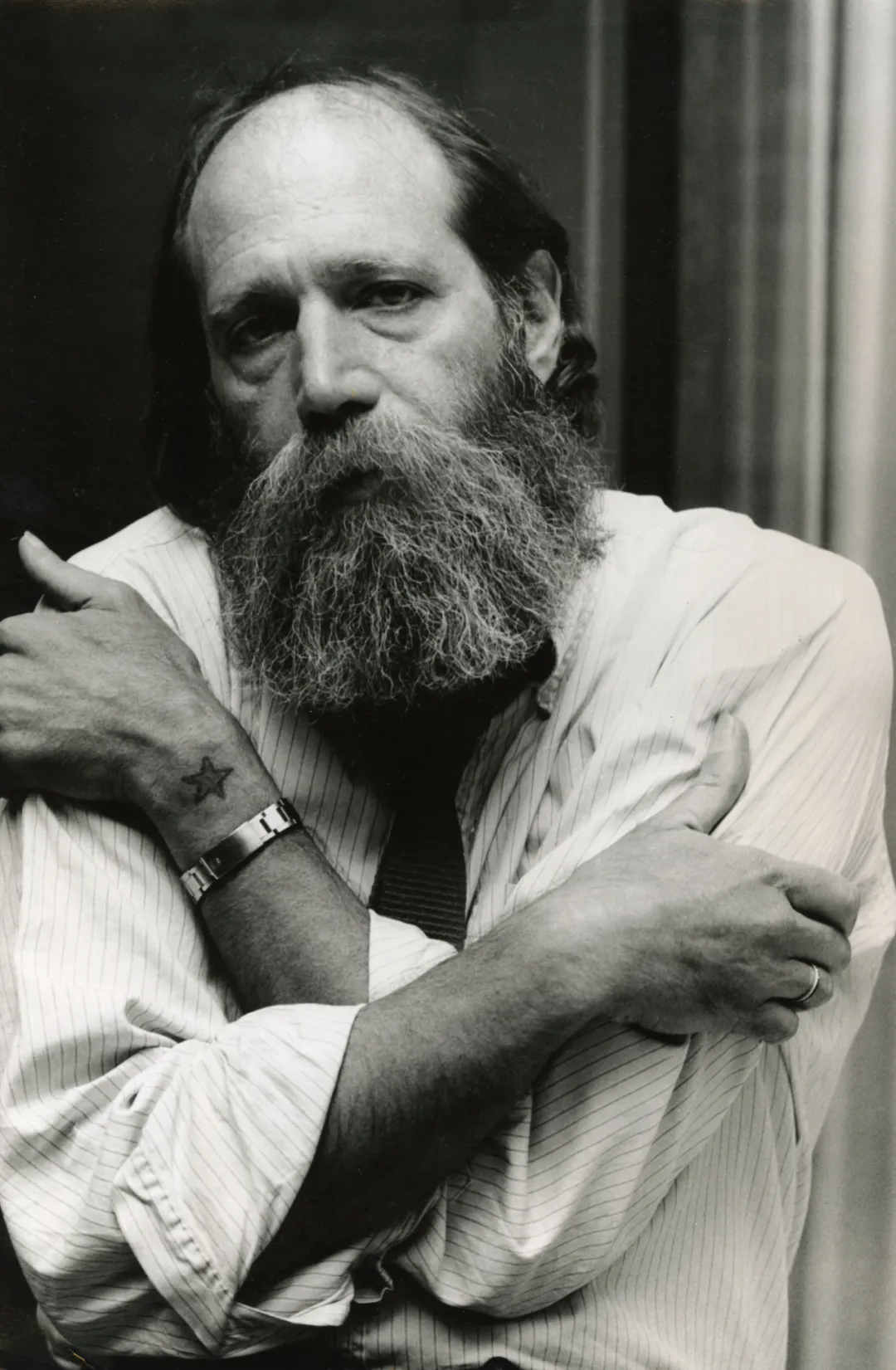
Early in his career, Weiner participated in some of the most notable exhibitions held in the postwar period, such as the major thematic group shows that defined the Conceptual movement, including "Living in Your Head: When Attitude Becomes Form" (Kunstmuseum Bern, Switzerland, 1969), "Using Walls (Interiors)" (Jewish Museum, New York, 1970), and Documenta 5 in Kassel, Germany (1972). By the 1990s, Weiner had begun to have solo exhibitions at institutions around the world, including the Hirschhorn Museum and Sculpture Garden in Washington, D.C., the Philadelphia Museum of Art, the Walker Art Center in Minneapolis, the Museum Ludwig in Cologne, Germany, the Museum of Contemporary Art in Burdeaux, the Stedelijk Museum in Amsterdam, and the Institute of Contemporary Arts in London. In 2007, the Whitney Museum of American Art held the first retrospective of Weiner's work in the United States.