
In-depth|Ji Cong: Visual Blind Box—Tu Xi’s Texture Imaging
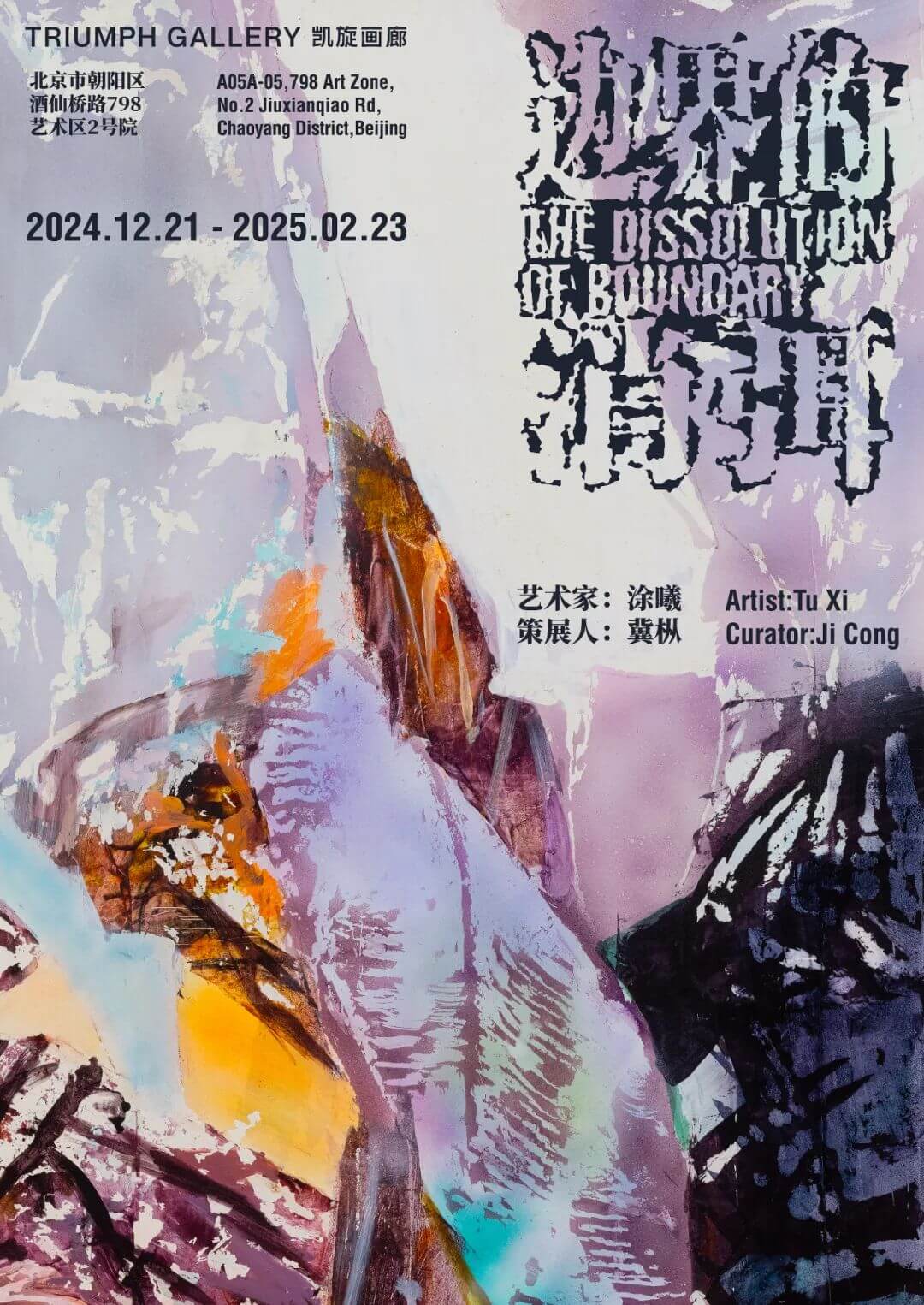
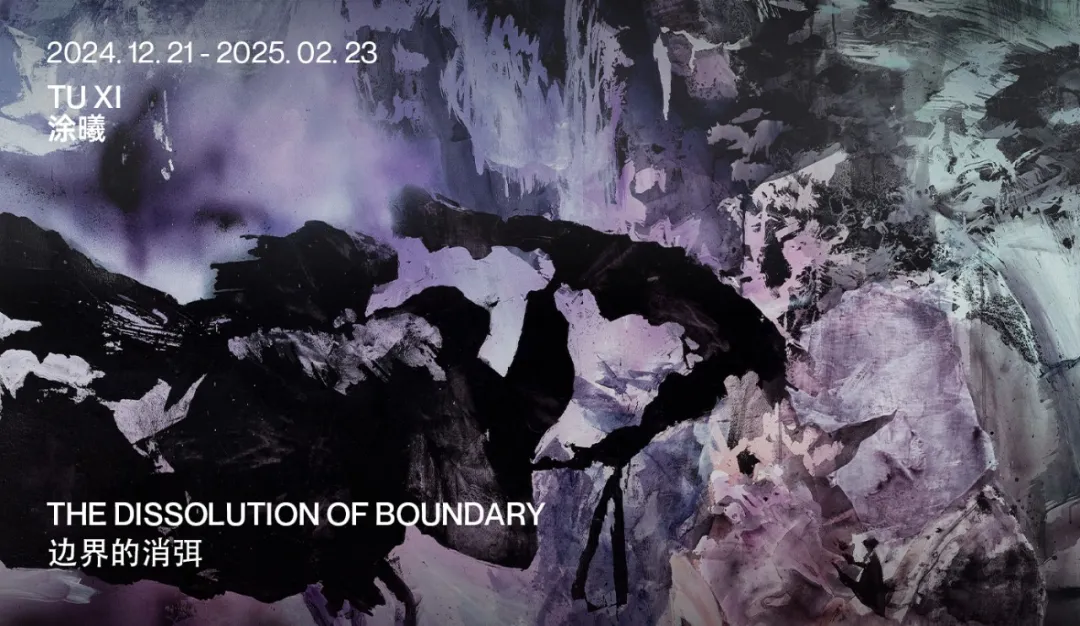
Artist Tu Xi's latest solo exhibition "Elimination of Boundaries" at Triumph Gallery opened on December 21. Curated by Ji Cong, the exhibition focuses on more than 20 works created by the artist in recent years and will run until February 23, 2025.

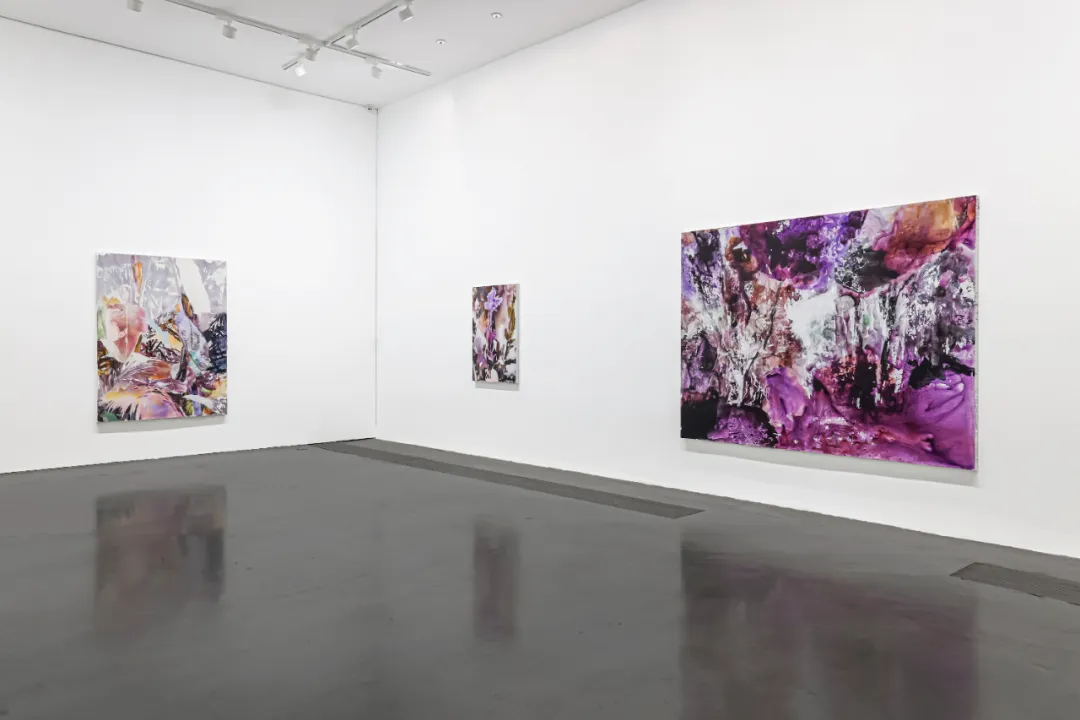
Triumph Gallery, China, 2024
Visual Blind Box: Tu Xi’s Texture Imaging
Text / Ji Cong
The precipitation of freedom, integrated into the glimpse of time,
The fantasy of life, the shape hidden in the texture,
The ethereal breath, the desire to explore the unknown,
The flowing boundary and the disappearance of traces.
Looking at Tu Xi's visual expression, it is not difficult to find that under the surface texture of the abstract form he constructed, there is a heart that is sensitive to social and cultural changes, as well as the spirituality of artistically processing concrete events such as narratives and living situations. Just like the theme of the exhibition "Elimination of Boundaries", in Tu Xi's visual expression, in addition to his record and divergence of his own survival experience and emotional understanding, more is his multi-thinking exploration of the dissolution of the boundaries between "objects" and "space" as a creator and a living person. In his overall structure, through the abstract form and asymmetrical composition, he broke the boundaries of traditional space and form in easel creation, presenting his own deconstruction and reconstruction of visual elements. At the visual level, he still continues the collision, fusion and exploration of visual elements such as texture, color, shape, speed, strength, and shade. The extracted connotation of the image is abstracted, and a morphological nature is translated while enriching the visual level.
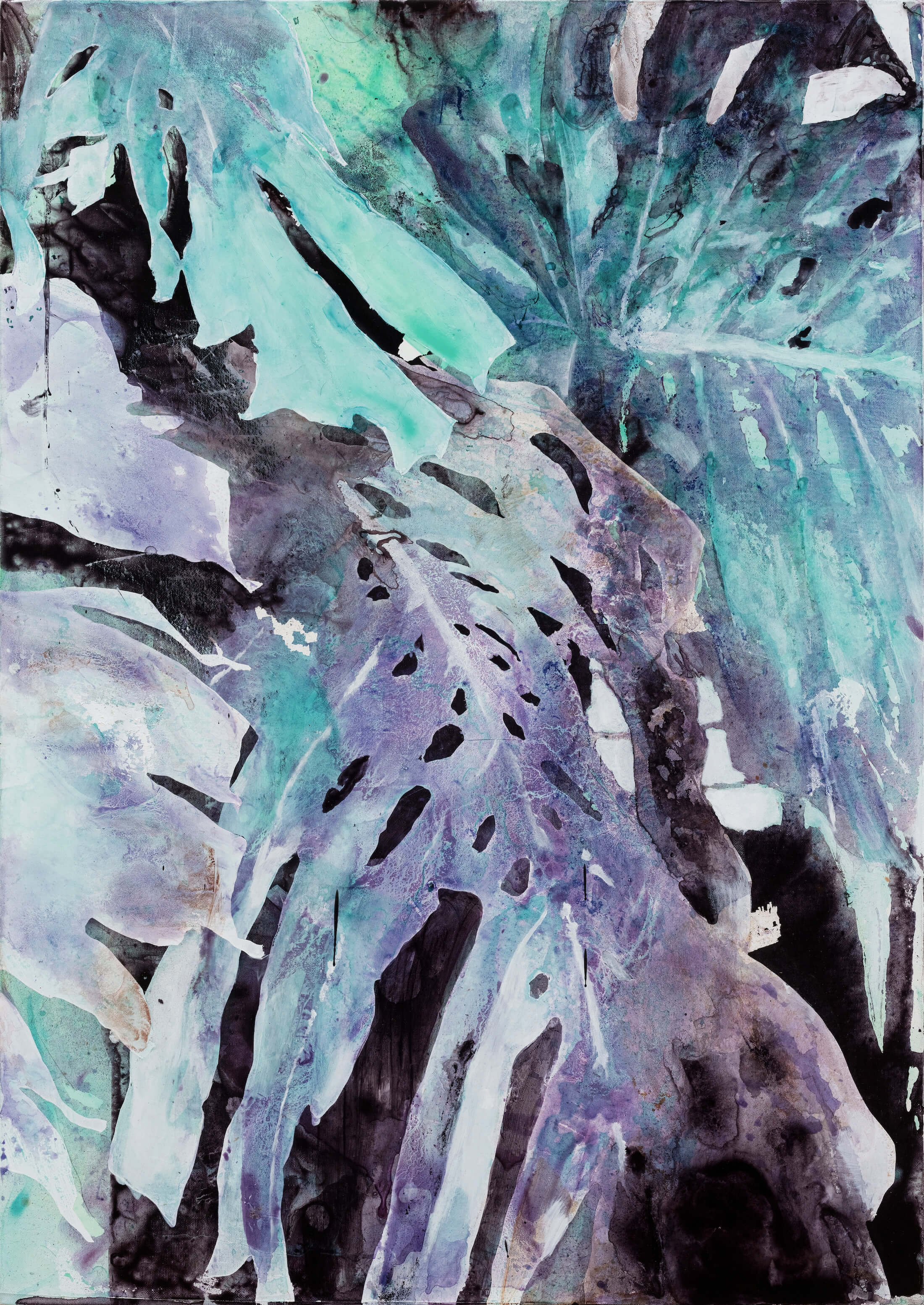
In terms of media and shaping, although painting on the shelf is Tu Xi's main way of expression, his choice of creative materials is no longer limited to one corner. Perhaps it is due to the rapid development of media technology. The dissemination of contemporary culture and the output of individual emotions no longer have a fixed format, and the multi-dimensional shaping of language narrative is not just developed in a fixed growth path. Therefore, in Tu Xi's expression, he gave up the single shaping route, and instead combined acrylic, spray gun, pasting, shading and flowing, etc., while responding to the development of the times, he constructed a Tu Xi color world with a complex visual level.
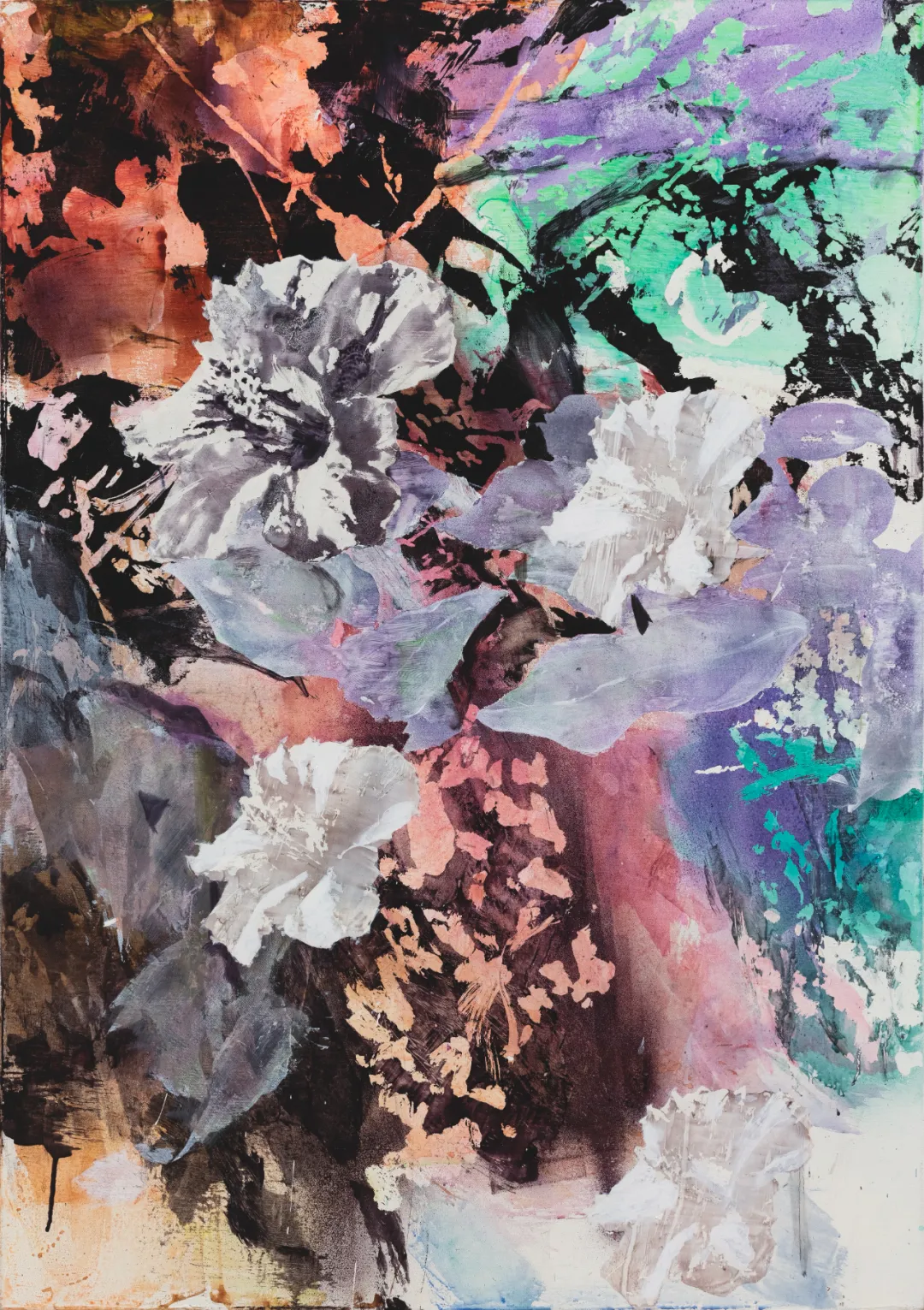
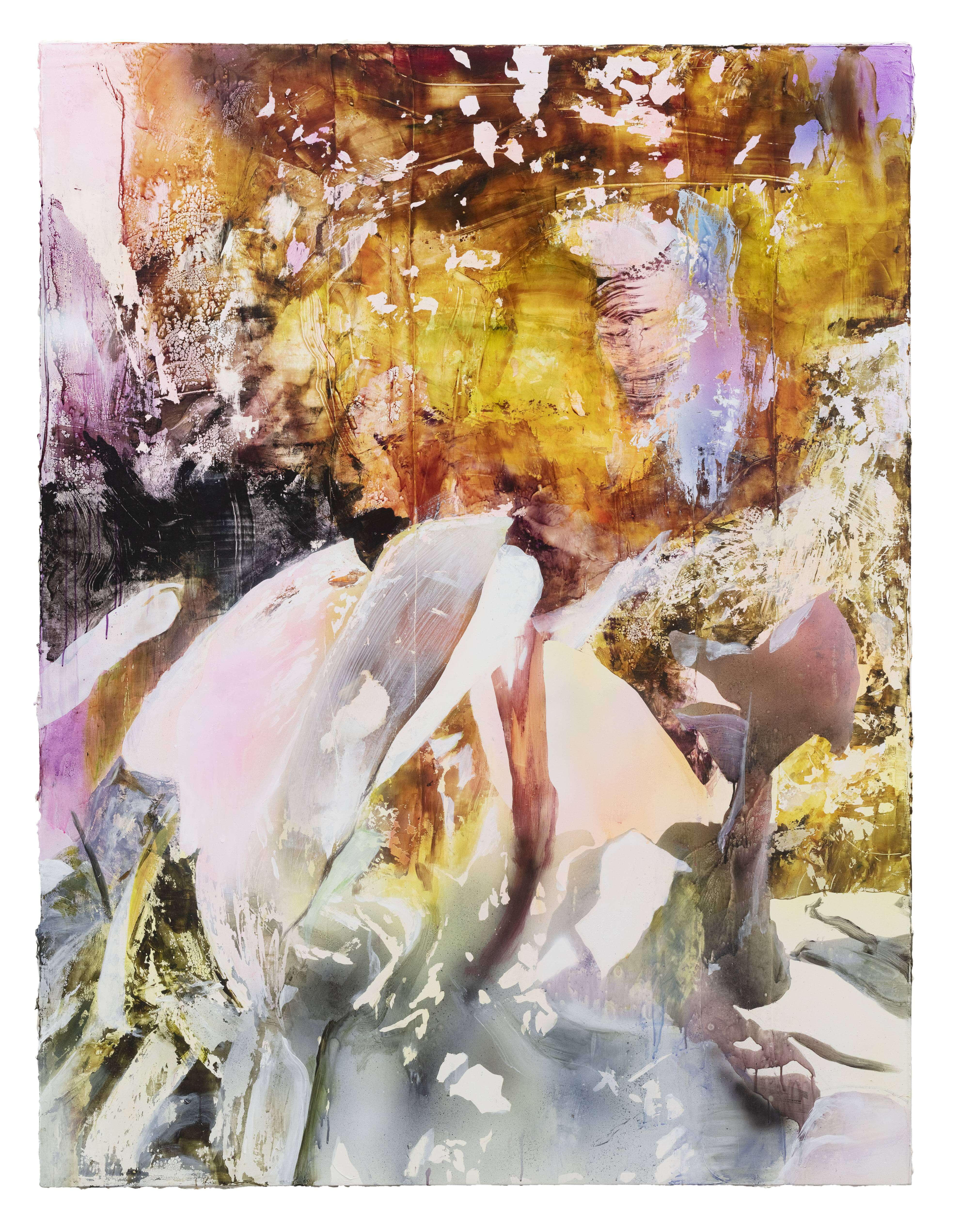
Oil on canvas
120×85cm, 2024
Tu Xi graduated from the School of Art of Renmin University of China and the Freehand Oil Painting Class of the Central Academy of Fine Arts. Growing up in the 1980s, he has experienced the vitality and opportunities brought by reform and opening up, and has also felt the advancement, integration, innovation and freedom of the economic market. Perhaps it is because the leapfrog development of the social environment such as economy and culture has planted the seeds of "seeking change" in Tu Xi's growth. Therefore, in the subsequent study and art process, even though his creations cover concrete and abstract, he seems to have never limited himself to a specific visual range. He is firm and traceable, but also seeking change and nomadic. For example, his work "Paradise" (2020), the atmosphere and emotion of the picture are derived from Thoreau's "Walden", the inspiration of the image also comes from the reprocessing and deconstruction of Clare Richardson's photographs, and the shaping of the texture is inspired by Anselm Kiefer and Sigmar Polke.
Through Tu Xi's elimination of non-essential details, the reshaping of the visual accident that occurs when the image is "destroyed" by cyanotype development, and the expression of integrating different textures into the same picture, it not only expresses the uncertainty of the development of things, but also constructs the difference paradox and interesting balance between different individuals, different techniques, different identities, and different elements. This seems to be a conflict and collision between material inspiration and individual consciousness, and it seems to be a refinement of a certain process and the interweaving of certain fragments. Through Tu Xi's visual structure, it is not difficult to find that as his artistic life grows, he has not only mastered concepts and forms, but also constantly adjusted the scale. He does not seem to be satisfied with the stable shaping for a while, but instead challenges his comfort zone in a few words but with great power.
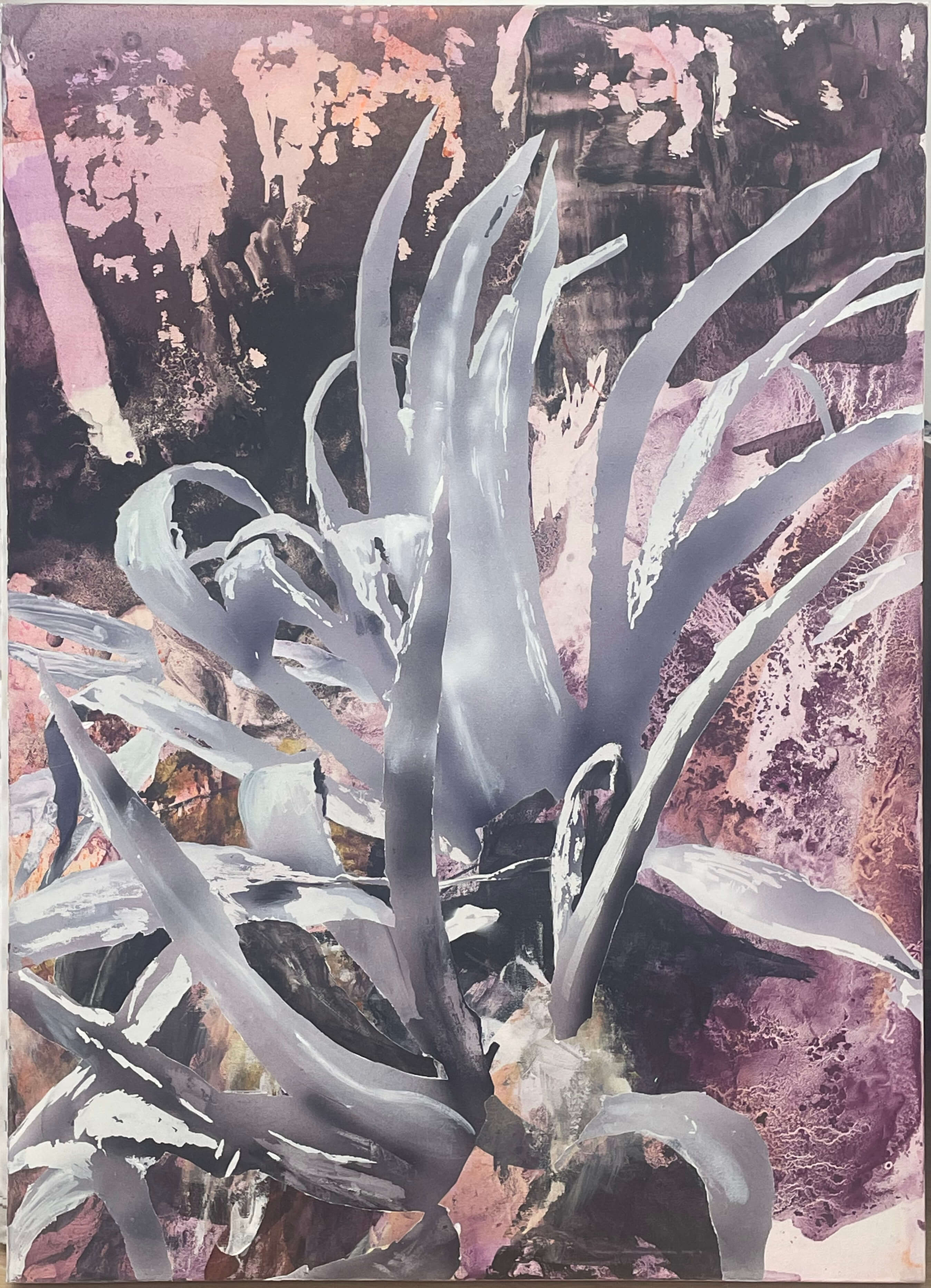
Tu Xi's visual schemas are mostly drawn from natural elements such as plants and mountains, as well as various images encountered in daily life. He transforms them into works through different processing methods, so that the abstract form does not only exist in the picture, and the original image is no longer just a pure natural environment or a daily product, but becomes a schema and cultural symbol. In addition to the conceptual changes, the deconstruction and construction of the image by spray guns, pasting and other methods have formed a kind of humanistic reflection based on "technology" by Tu Xi, including man and nature, man and technology, nature and man-made objects, illusion and reality, etc.
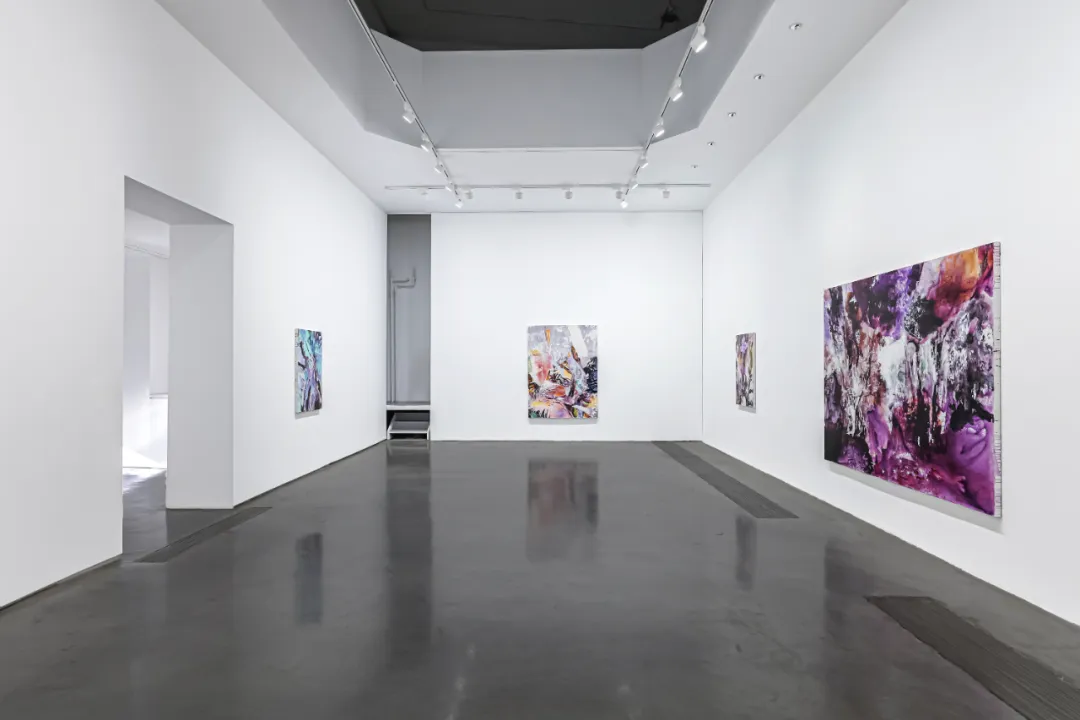
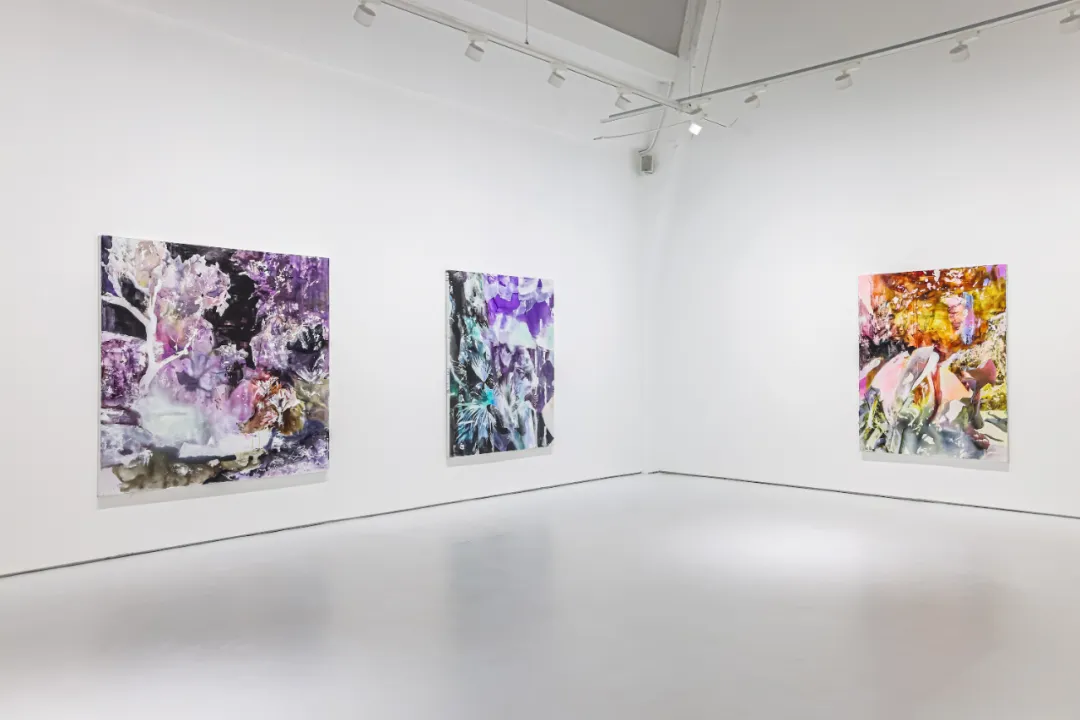
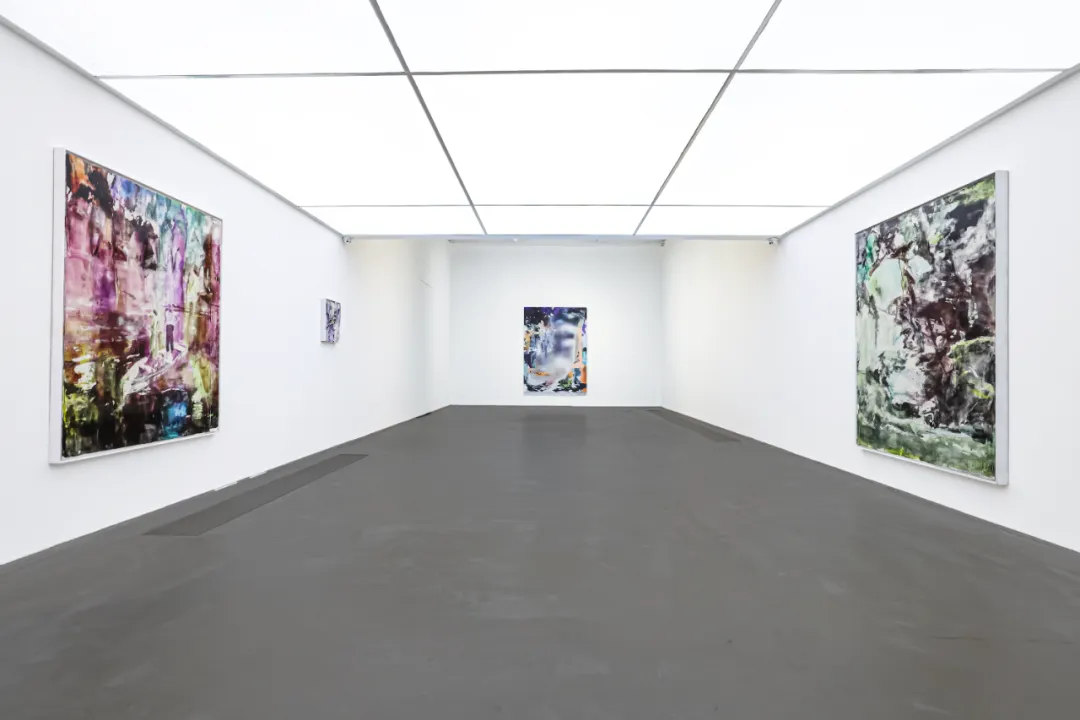
Triumph Gallery, China, 2024
The digital age makes people lack communication. The advancement of media allows artists to explore and reform their creative methods, and the public's demand for art continues to increase. People of different identities, objects and materials of different natures in the community are confronting, staring at, and balancing each other's boundaries. Being in the group and outside the group, absent and present, it seems to dissolve the boundaries (identity, category), but it seems to be swallowed and affected, everything is vague and hard to describe... For example, in his "Wild Growth 5" (2024), the concrete leaves come into view, but what follows is not the stability captured by the specific objects, but the extremely strong visual conflict created by saturated colors. In addition to the composition of the objects, Tu Xi has given a layer of color conflict, like the mottled lines floating on the skin, and like the turbulent waves hidden under all the stable appearances. Therefore, this visual expression is both the concrete reality of Tu Xi's hand-painted, and the confrontation of materials and colors formed by the film negative, which seems to be an explanation of the name of the "Wild Growth" series to some extent.
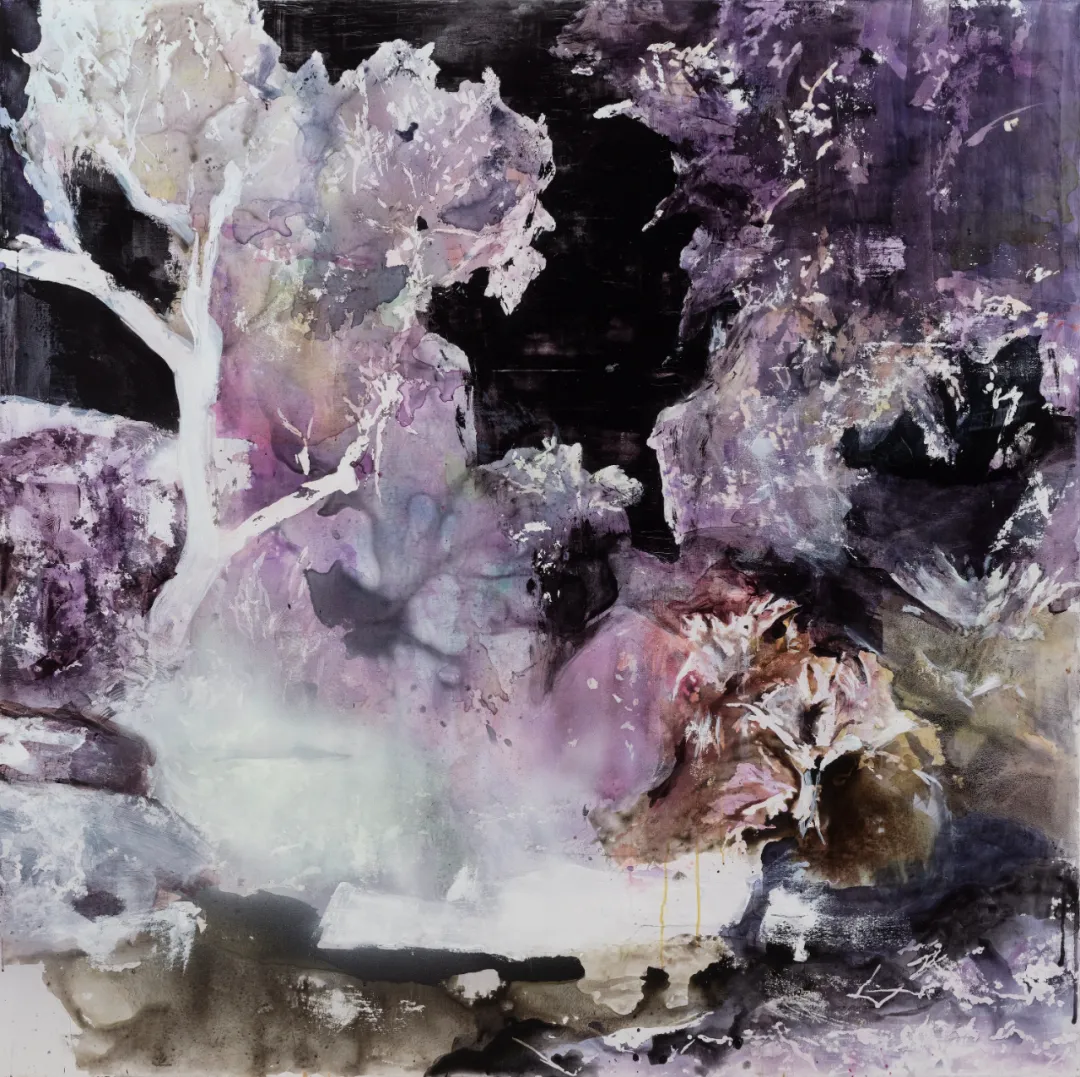
Acrylic on canvas
200×200cm, 2024
In the era of big data and information, independent thinkers do not blindly follow the market development, nor do they devour their own artistic inspiration. Instead, they keep sprinting and growing with a stubbornness that refuses to accept stability, a power that is not at a loss in the crowded information tide, and an adventure that does not stop at the fixed mode of artistic expression. Here, Tu Xi's expression is concrete and traceable, abstract and perceptible, colorful and powerful... Therefore, Tu Xi's combination of forms, visual dialogue, abstract presentation of concrete patterns, and externalization of invisible spirit in visual landscapes are both superpositions of forms and paradoxical integration of visible and invisible; both dialogues with tradition and connections with the contemporary; both embrace and separation between Tu Xi and himself, and resonance and differences between viewers and Tu Xi, and between viewers and his creations; both collisions between different media within the scope of art, and cross-border integration between art and other disciplines. Tu Xi's art is "barbaric", his words are "barbaric", and his way of dissolving boundaries is "barbaric". But he is also delicate, delicate in that all unreasonable things are reasonably present in his visual expression. At this time, the boundaries of the image form, the differences in the types of media, the fixation of the edges of the picture, etc. are gradually eliminated in the process of Tu Xi's construction of a new world of color, and a new dialogue system and a new visual narrative method are gradually generated. This is not only his reshaping of the image and space, but also a challenge to the boundaries of perception and standard art, and an exploration of identity and existence using color and form as visual weapons. It brings about a kind of innovation of concepts, a fusion of forms, spiritual freedom and the boundlessness of art.
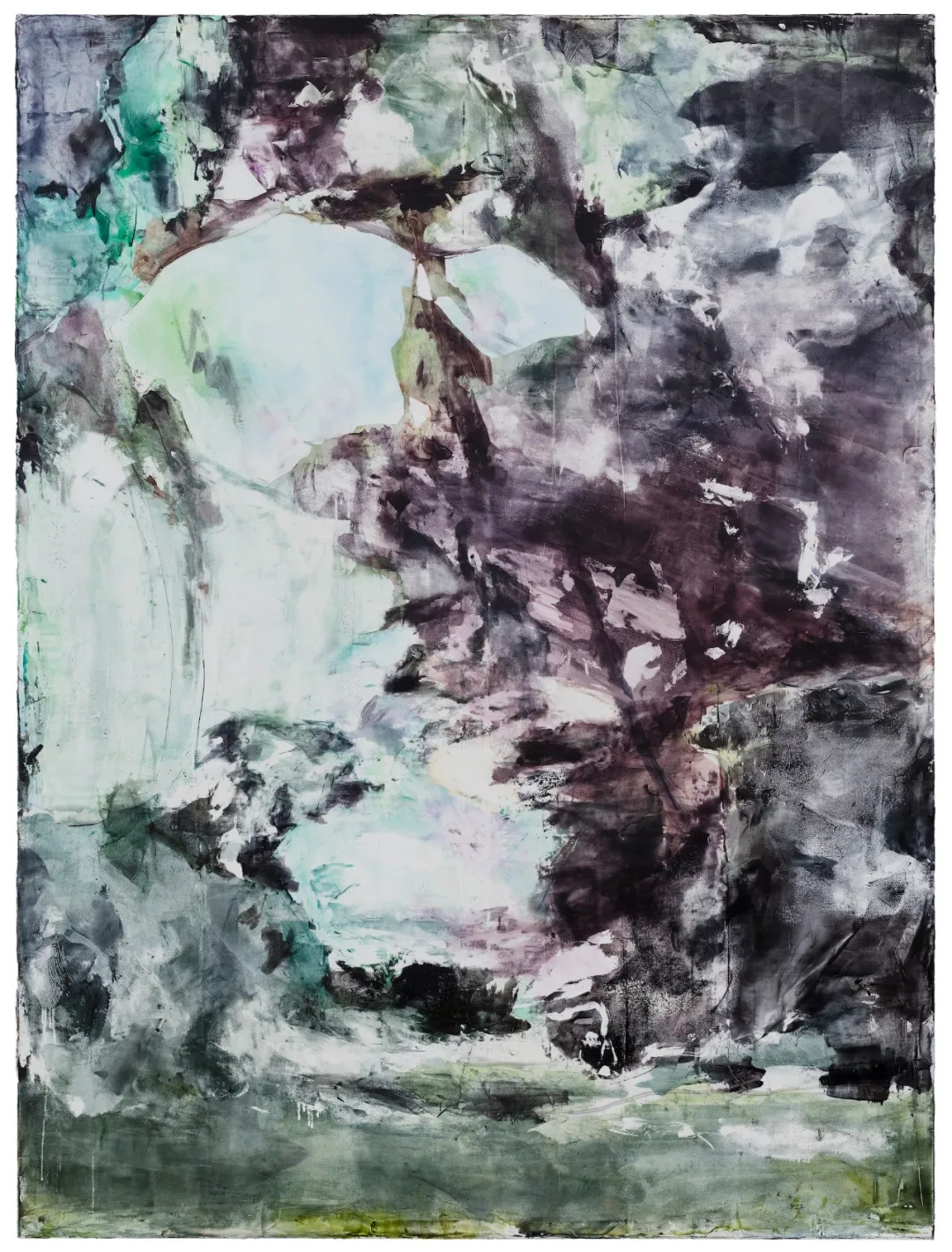
Oil on canvas
200×150cm, 2021
Tu Xi uses the random effect of the natural flow of paint and the superposition of "layers" produced by different production processes to form a connection and juxtaposition of different visual and cultural experiences, presenting the effect of the mixture of multiple cultures and time and space dimensions, and unconsciously constructing the fusion of virtual and regional landscapes. He explores "what is a boundary" and the reality of "boundaries" as symbols that are eliminated in the process of contemporary art through the urban geographical mobility of traveling back and forth between home and studio, as well as the stacking of physical forms and the freedom of artistic and spiritual forms. He also raises the question: "Does the "boundary" we think of really exist? If it does, is it a constructed, inherent and eternal boundary, or an invisible boundary that can be eliminated?" With his unique fluid visual strategy, he makes his easel creations have both physical concrete materiality and conscious abstract spirituality. He responds to the standard of cognitive judgment with "Tu Xi's New Boundary", making "eliminating boundaries" transcendental, artistic, regenerative, realistic and reflective.

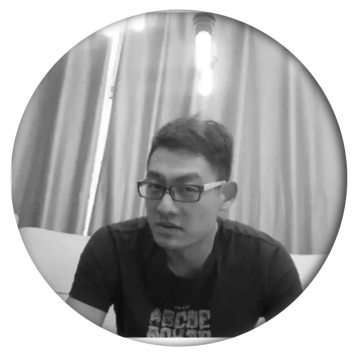
Tu Xi, born in China in 1982, graduated from the School of Art of Renmin University of China in 2006, graduated from the Freehand Oil Painting Class of the Central Academy of Fine Arts in 2009, and currently lives and works in Beijing.
In Tu Xi's creations, lines, brushstrokes, and color blocks have formal beauty, but also have some of the reality of being swarmed by information, eroded by data, and transformed by technology. People/art have become the reality of broken elements in the digital age, but at the same time, a hidden, holistic order has been found in a pile of broken things. At the same time, the plants, mountains, etc. presented by Tu Xi exist as "natural symbols" or "landscape symbols". In his expression, these elements are no longer products of the pure natural environment, but have become a kind of diagram and cultural symbol. When this natural element is placed in the creation, it is deconstructed and constructed by Tu Xi in different ways, forming a humanistic reflection based on "technology". It includes people and nature, people and technology, nature and man-made objects, illusion and reality, etc.
Tu Xi’s solo exhibitions include: “Eliminating Boundaries” (Triumph Gallery, Beijing, 2024), “Fu·Tune: Tu Xi Solo Exhibition” (Triumph Gallery, Beijing, 2020), “Cortex of Concepts” (Triumph Art Space, Beijing, 2016), “Tu Xi Solo Exhibition” (Global 188 Art Interactive Art Institute, Suzhou, 2014), “Intimate Sense of Alienation - Tu Xi Solo Exhibition” (Space Gallery, Beijing, 2013). Some group exhibitions include: “Time·Light and Shadow - Five People’s Painting Exhibition” (Lan’an Gallery, Shenzhen, 2021), “Follow Your Heart: Contemporary Art Exhibition” (Triumph Gallery, Beijing, 2018), “Triumph Summer Special Exhibition - Green Light (Second Edition)” (Triumph Gallery, Beijing, 2018), “Green Light” (Triumph Gallery, Beijing, 2017).

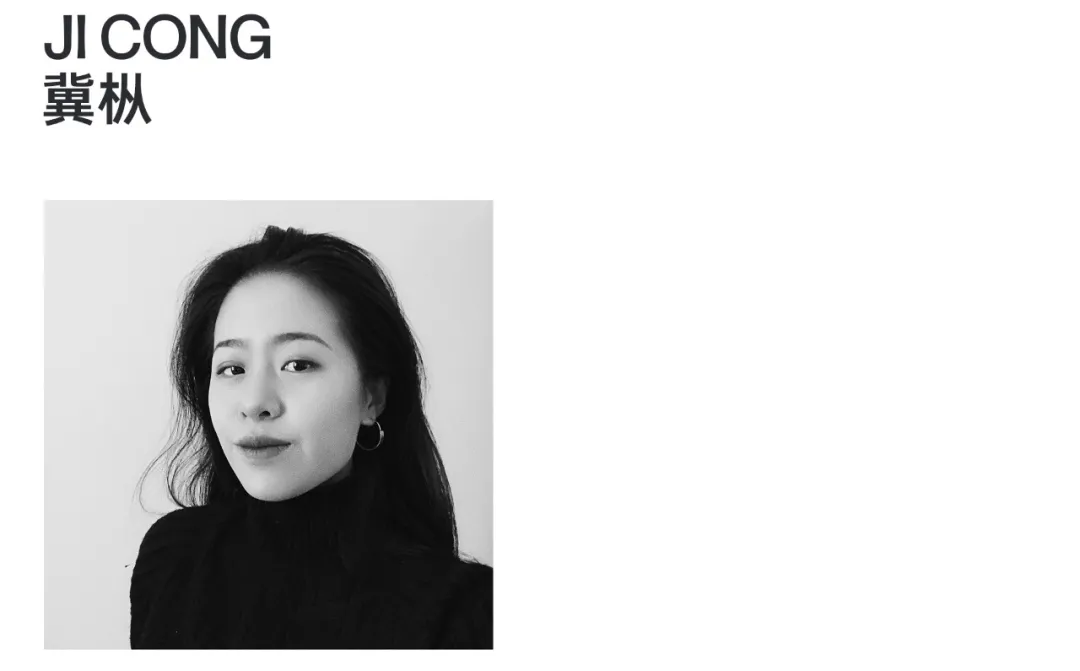
Jicong, young curator, doctoral student at Tsinghua University.
Please continue to follow ArtPro for more latest developments in the global art market.