

Exhibition | Liu Xiaodong: From Painting Prodigy to Everyday Life: 40 Years of Life – A Vibrant Journey Amidst Changes in Landscape
Standing on the circular route of the "East of the River, West of the River" exhibition at the Taikang Art Museum, what you see is never just the seventy-odd paintings—from the self-portrait with the awkwardness of a teenager in 1983 to "Tianmen Pass" sketched in the Taihang Mountains in 2025, the brushstrokes on the canvas have changed, the themes have changed, but Liu Xiaodong behind the paintings has always been the down-to-earth person who has never lost his "human touch": in his early years he was a brilliant genius on the campus of the Central Academy of Fine Arts, and later he became "Old Deng" who squatted on the ruins of Fengjie to paint. He is a bit greasy and relaxed, but he never lets his brushes lose touch with the warmth of life.
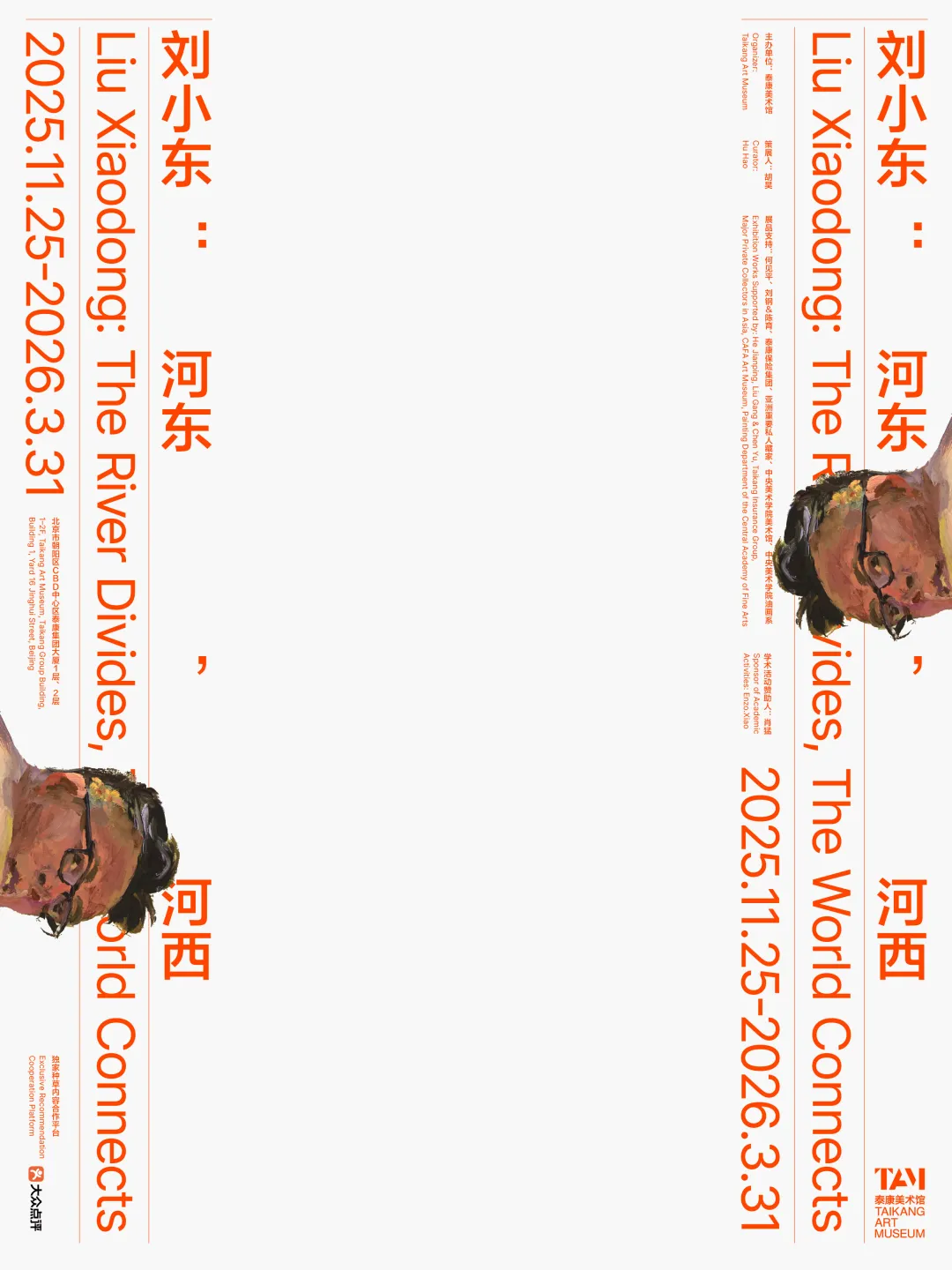
This exhibition, running from November 25, 2025 to March 31, 2026, is less a retrospective of his more than forty years of creative work and more an "autobiography" written with a paintbrush. "Hedong" is his root—the fireworks of Jinzhen Town, Liaoning, the studio of the Central Academy of Fine Arts Affiliated High School, and the faces of relatives and friends; "Hexi" is his road—the Yangtze River of the Three Gorges, the snowfields of Detroit, and the ravines of the Taihang Mountains. From Hedong to Hexi, he did not live the life of a "master" in the art world, but rather became a painter most like an "ordinary person": he would paint under the scorching sun until he was drenched in sweat, he would bring his mother's daily life onto the canvas, and he would frankly admit that he "never left behind the watercolor studies he started at fifteen."
He Dong: The authenticity of a genius lies in their unpretentious and considerate nature.
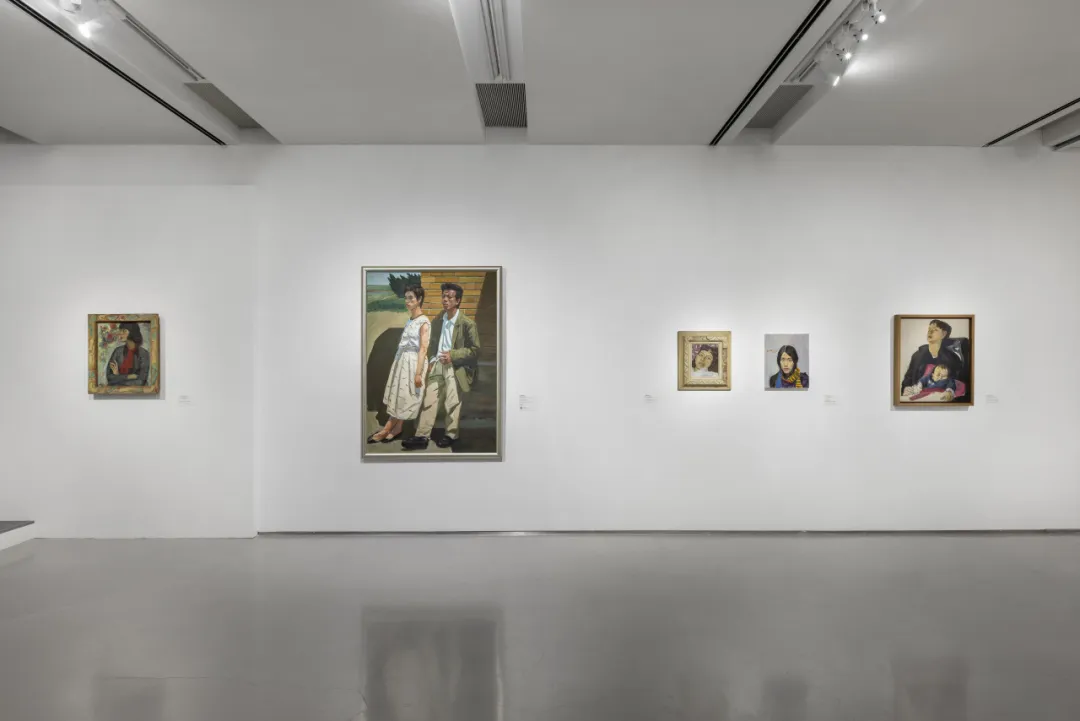
Born in 1963 in Jincheng Town, Liaoning Province, Liu Xiaodong's journey into painting wasn't particularly romantic—it was simply a boy in a small northern town using his paintbrush to record his family's smiling faces and his childhood friends' carefree running, infusing the raw energy of life into his paints. In 1980, he was admitted to the Central Academy of Fine Arts Affiliated High School, becoming a "talented student," but he didn't follow the path of "showing off skills" typical of academies. The three self-portraits juxtaposed at the beginning of the exhibition reveal his early "genius" qualities, but also his "unpretentiousness": the 1983 sketch, with its raw lines, dares to confront himself; the 1986 oil painting, with its solid brushstrokes revealing formal training, yet retaining the youthful naiveté; and the 2008 repainting of the 1983 self-portrait, with softer colors and looser brushstrokes, a candid expression of subjective emotions.
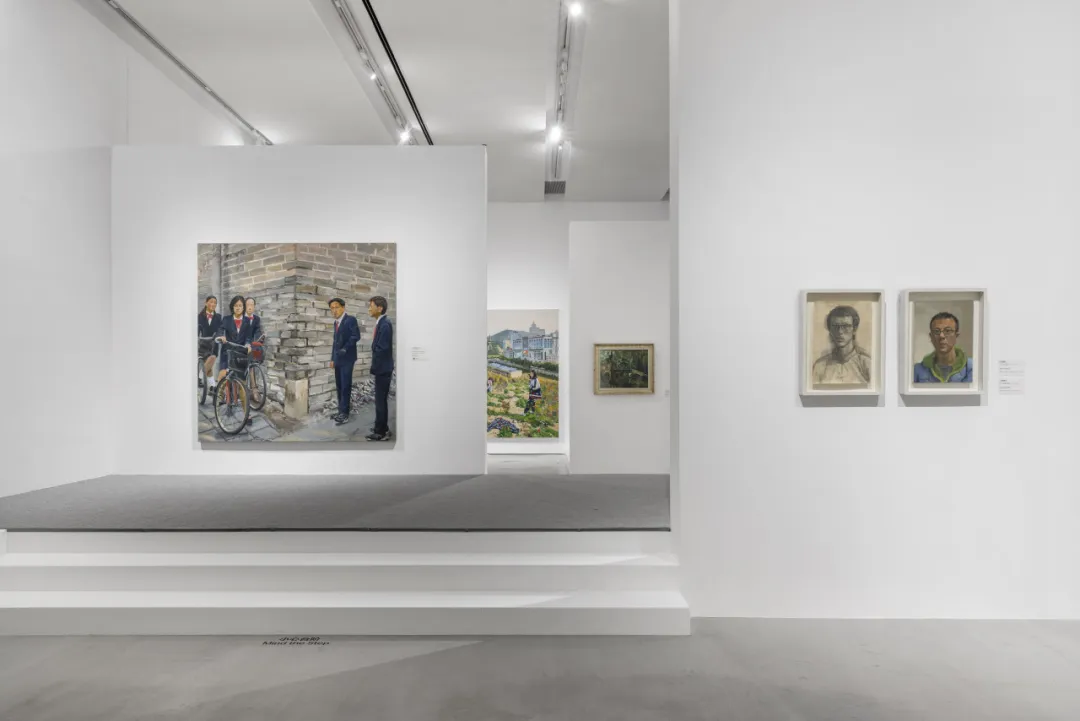
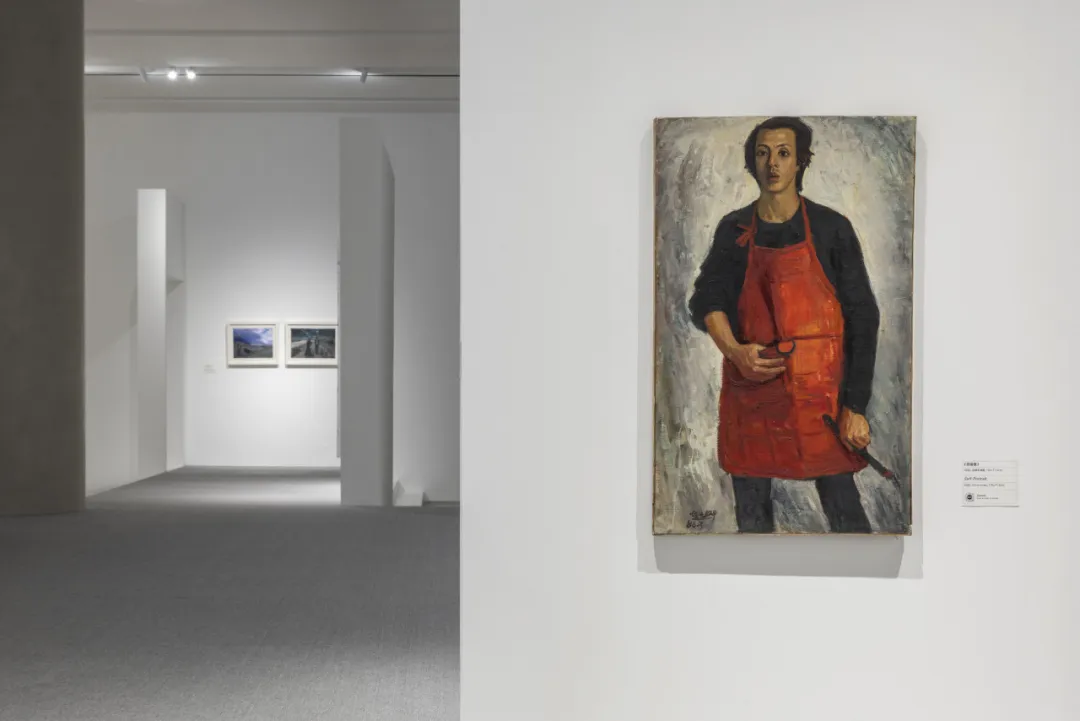
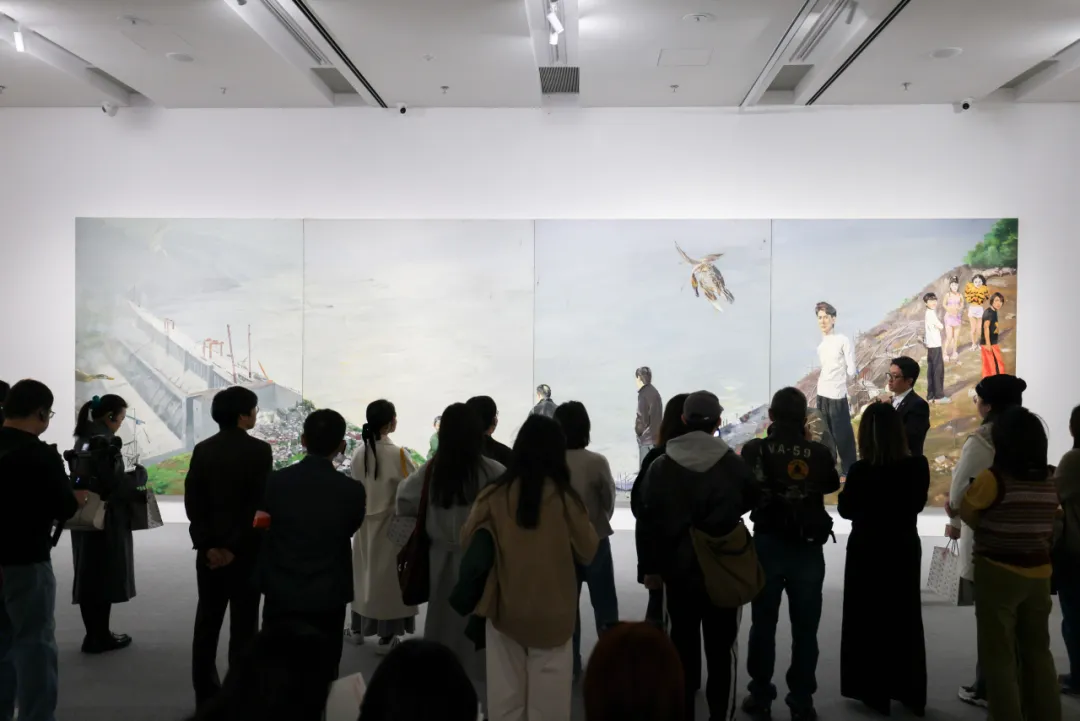
▲ Exhibition view of "Liu Xiaodong: East of the River, West of the River", Taikang Art Museum, 2025
His "genius" wasn't about painting "realistically," but about "seeing people in his eyes." He graduated from the Oil Painting Department of the Central Academy of Fine Arts in 1988 and began teaching within the CAFA system, first at the affiliated high school and then transferring to the Oil Painting Department in 1994. His representative work from his early teaching career is "Rest," created that same year. Two men casually lean against a bed, the cold gray tones giving the painting a heavy feel. Without a grand theme, he simply depicts the inexplicable distance and ambiguity between the two men—his work is imbued with the humanistic ideals of the 1980s Enlightenment. His portrayal of people is "approachable": the figures fill the canvas's core, their forms so full they seem to step out of the painting, even their breathing rhythm is visible. Later, at an opening ceremony, he said that at that time he "didn't want to paint anything abstract," no beating around the bush, no playing with concepts, just wanting to nail the most authentic state of people to the canvas.
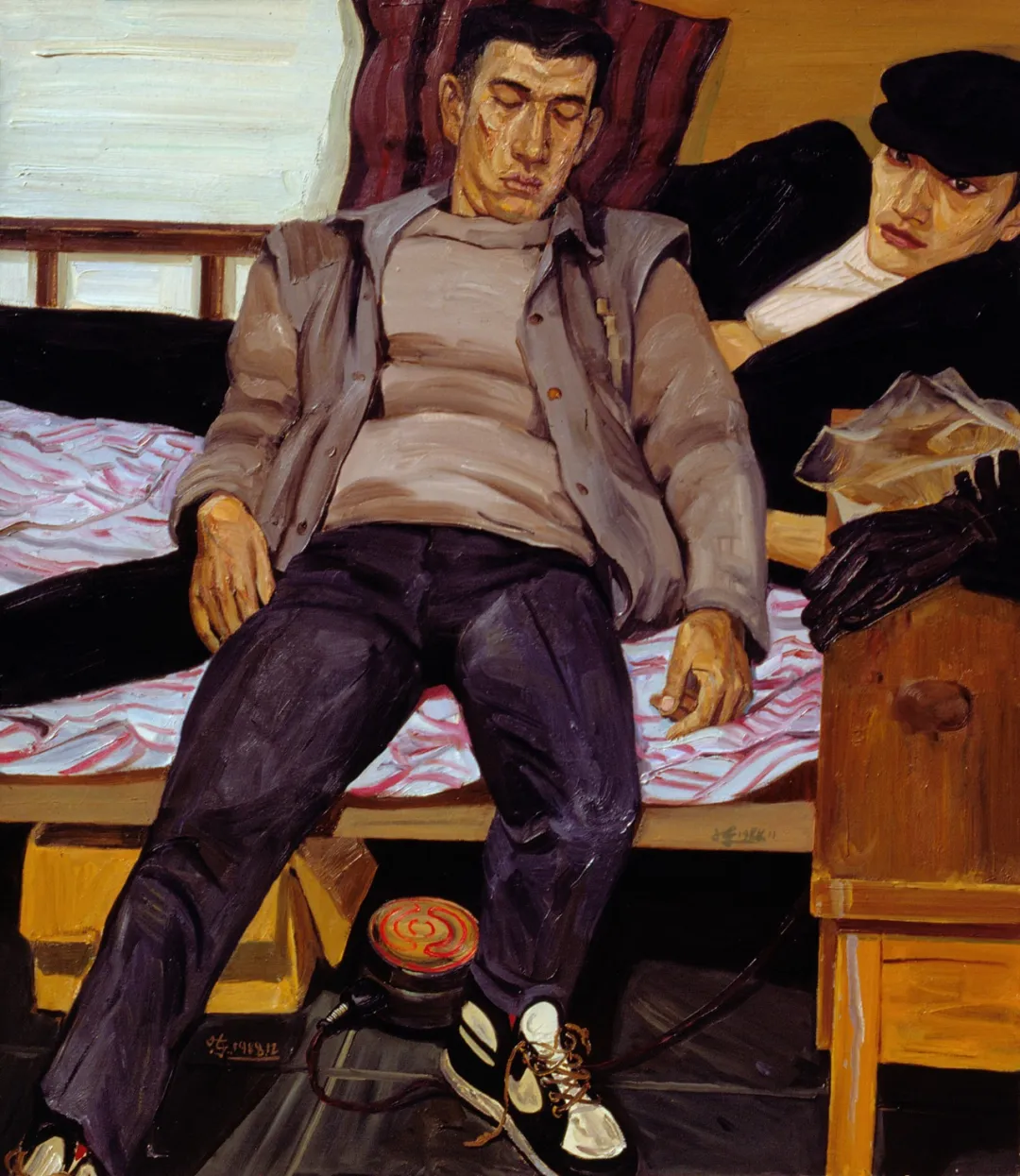
▲ "Rest", oil on linen, 1988, 138×120cm © Taikang Collection
"The Fat Man" from 1995 marks a milestone in his mature artistic language, yet it doesn't lose its authenticity. He reflects on the relationship between painting and photography, trying to find the "unusual" in everyday life through the "eye of painting"—the people in his paintings don't have heroic airs; they are just ordinary people wrapped in time, with a touch of languor and a hint of bewilderment. At that time, he painted "The Yawning Man" and "The Disturbed Boy," pulling people out of the "symbol": the relaxed muscles when yawning, the furrowed brows when the mind is troubled, are all unadorned "truths." Even the two watercolor studies from when he was fifteen years old in the exhibition, he doesn't hide them, frankly saying, "I may never have escaped those two watercolors in my entire life"—not pretending to be a "master," but admitting that his roots are this authenticity that "balances form and emotion."
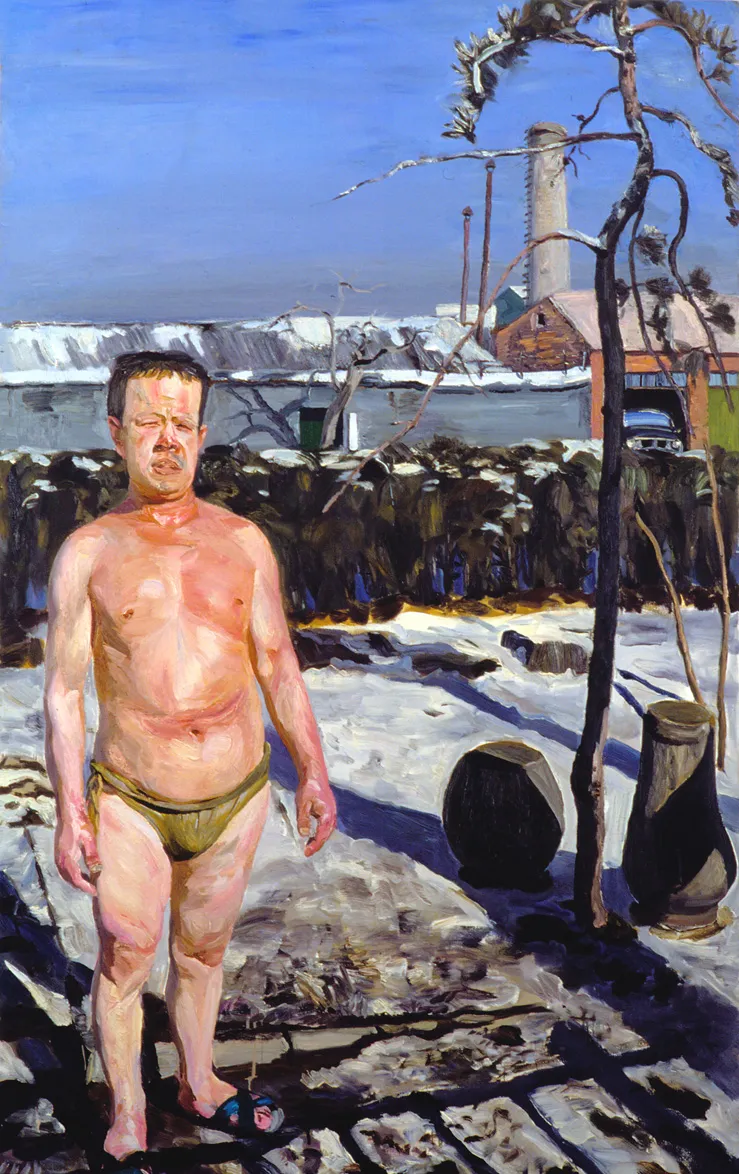
▲ *The White Fat Man*, oil on linen, 1995, 250×150 cm. Granted permission from a private collector.
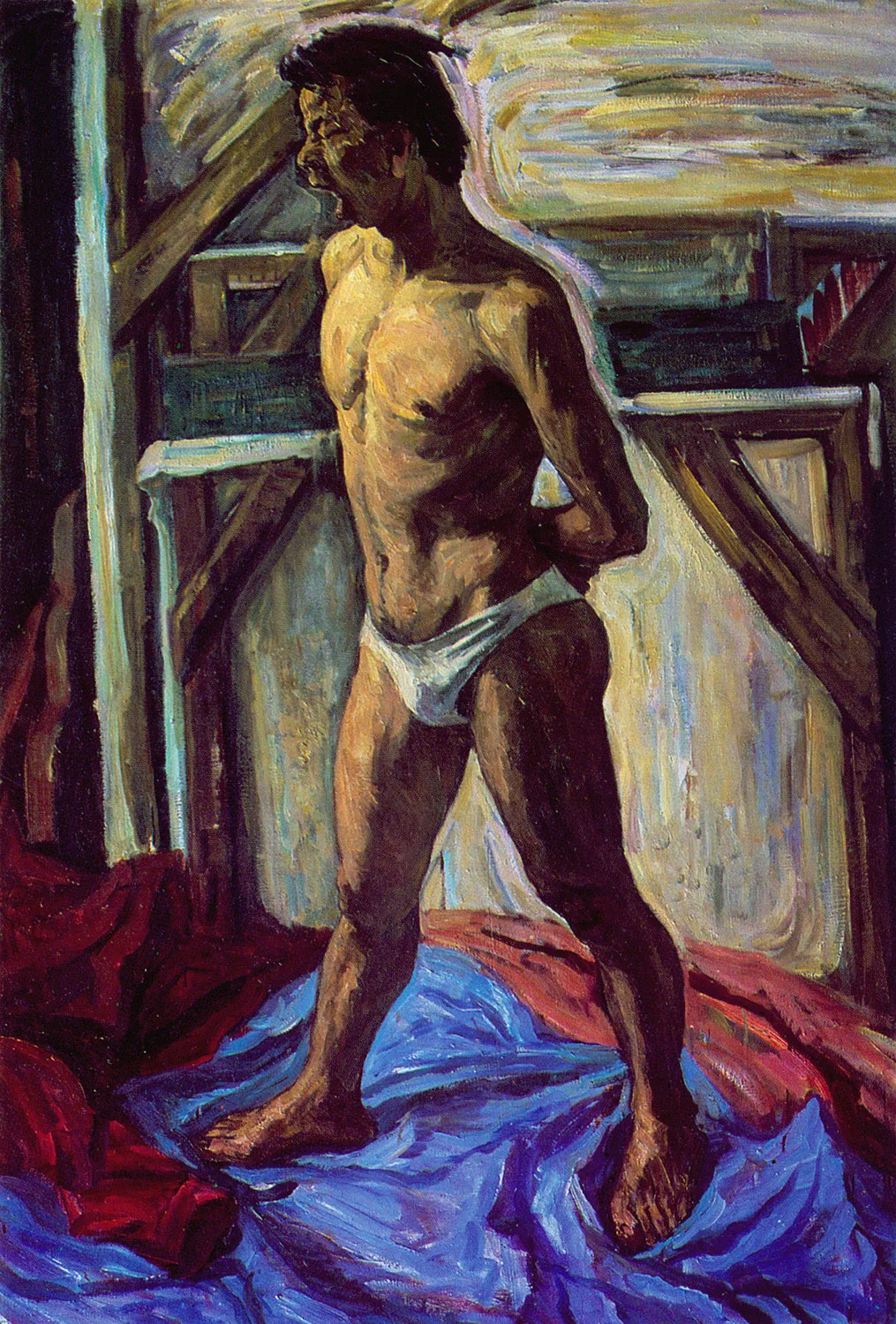
▲ *Man Yawning Nude*, oil on linen, 1987, 180×130 cm. Granted permission by the Oil Painting Department of the Central Academy of Fine Arts.
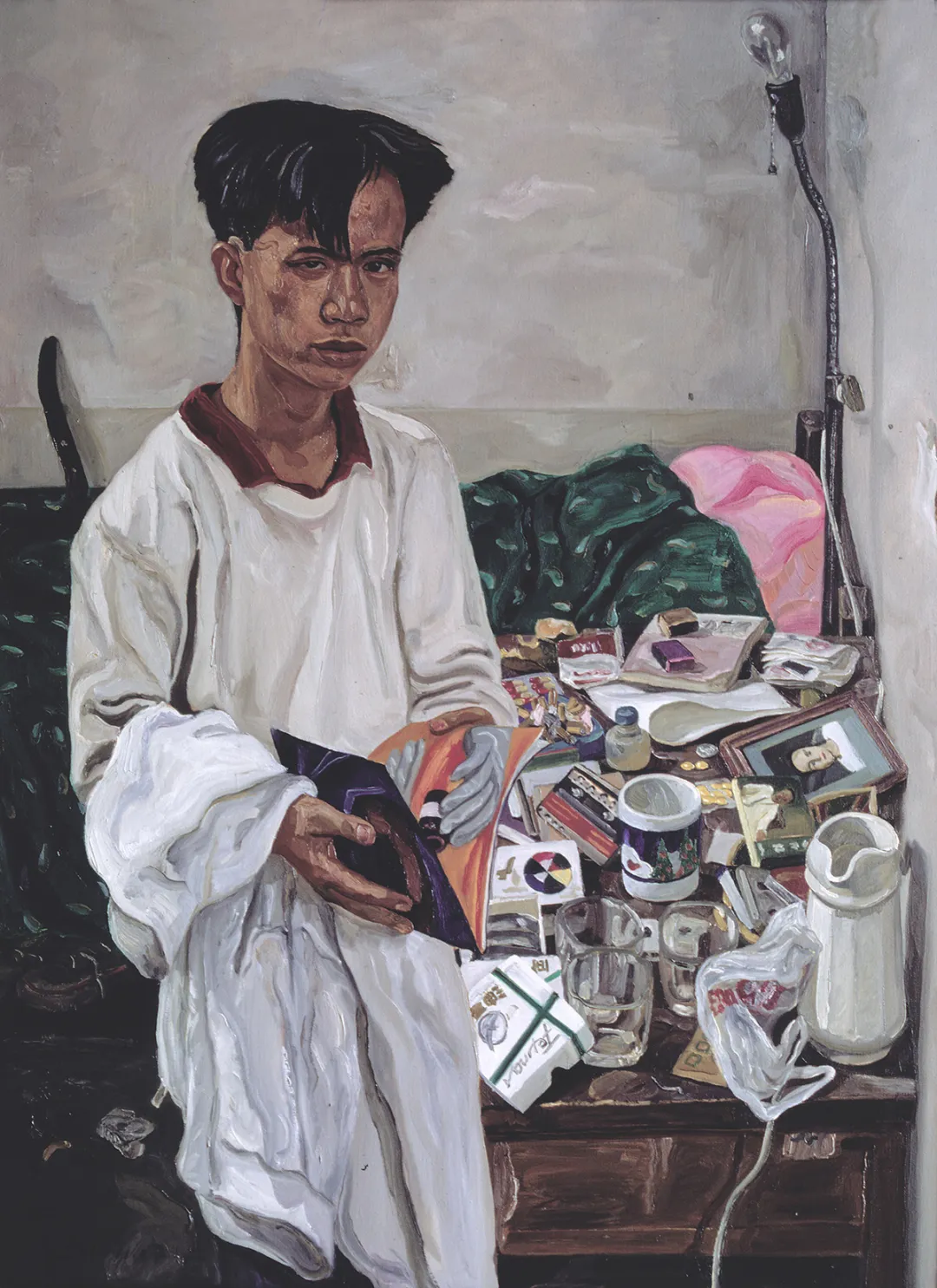
▲ "The Boy with a Disturbed Heart", oil on linen, 1991, 130×97cm. Granted permission from a private collector.
By then, he was already seen as a “standard-bearer of neo-realism” in the art world. When his painting “New Immigrants of the Three Gorges” fetched a record-breaking 22 million yuan in 2006, no one denied his talent. But he refused to use “genius” as a label. After finishing that masterpiece, he turned around and went to Fengjie Old Town with his painting tools. What he wanted was not the numbers on the auction stage, but whether the people in the painting could “stand” and whether he himself could not float in mid-air.
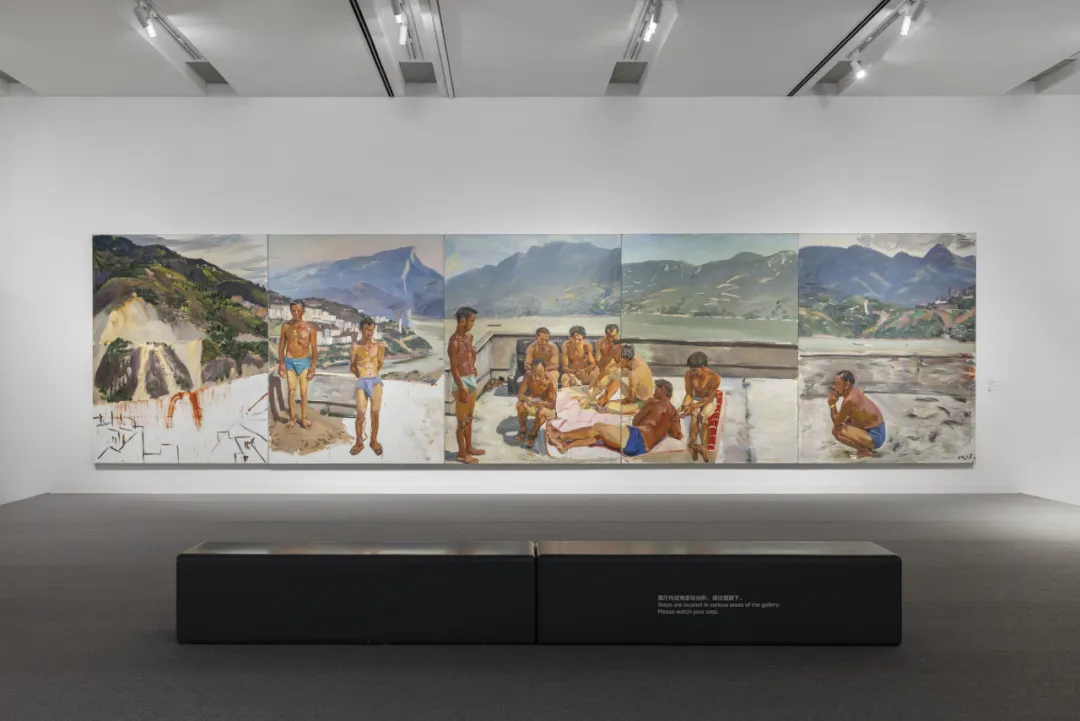
Hexi: Lao Deng's vibrant personality comes from setting aside propriety and "getting close to life."
After 2000, Liu Xiaodong lived a life rarely seen in the art world as an "old man"—not in a derogatory sense, but rather a relaxed and authentic one who set aside the dignity of being an artist and embraced life with ease. He moved his studio out of the air-conditioned room, to demolition sites in the Three Gorges, to the snowfields of Detroit, and to the foot of the Taihang Mountains, transforming from "painting the people around him" to "living with strangers." The "Hexi" exhibition hall on the first floor is full of his "traces of action": on the ten-meter-long scroll of "Hotbed I," there are scorching marks from the scorching sun in Fengjie, 2005. He squatted on the ruins and painted for more than ten days, his brushstrokes much faster than before, even somewhat hasty, leaving blank spaces unfilled and ignoring the paint that hadn't dried and had smudged. Some people said, "This painting isn't finished," but he didn't care: "That's how it is on site. Sweat drips into your eyes, your hands shake, how can you paint something so delicate?"
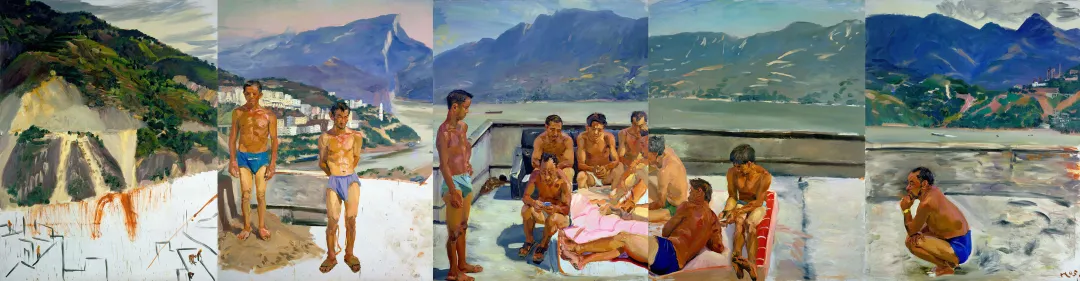
▲ *Hotbed I*, oil on linen, 2005, 260×1000cm © Taikang Collection
This "lack of refinement" is his "greasiness"—not perfunctory, but genuine humility. His 2004 work, *New Immigrants of the Three Gorges*, marked his transition to the Hexi Corridor. Inspired by Li Gonglin's *Sea Confluence Map*, the V-shaped composition still carried the indirectness of "painting a photograph," yet his desire to "get close to the scene" was already evident. Later, he went to Detroit to paint armored figures in the snow, the cold tones blurring the boundary between people and environment, concealing the desolation of an industrial city; he went to Yan'an to paint Gen Z "kids," the Yan River separating ancient cave dwellings from modern Wanda Plaza, allowing youthful freedom to collide with the changing times; in the spring of 2025, he plunged into the Taihang Mountains, painting *Young Tongtian* and *Tianmen Pass*, his use of color becoming increasingly subjective, breaking the logic of plein air painting—the earthy tones of the Taihang Mountains mixed with a touch of red, not the colors of reality, but the warmth that welled up in his heart as he stood at the foot of the mountain watching the boys run.
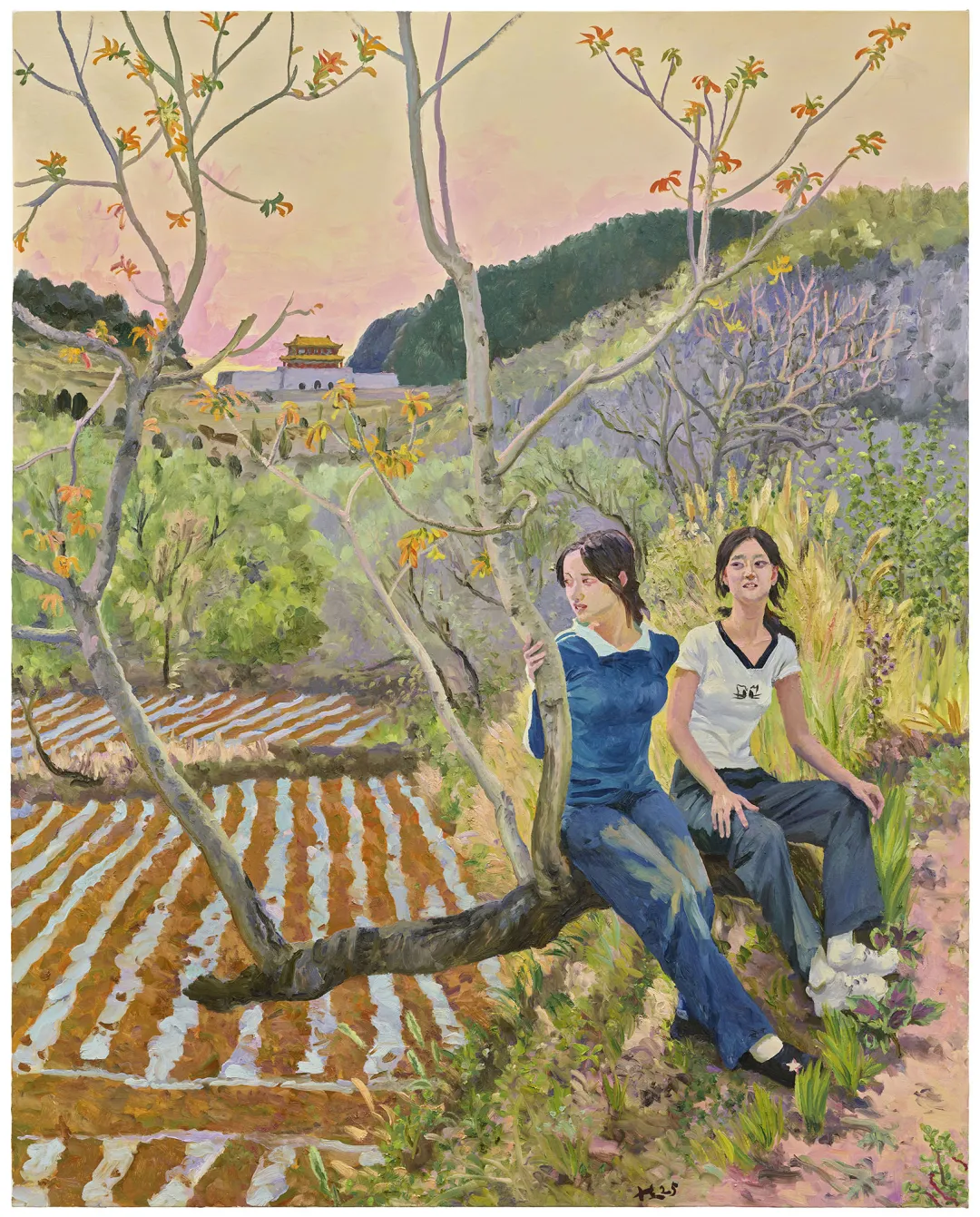
▲ Tianmen Pass, oil on linen, 2025, 230×188cm
His paintings are becoming increasingly "unrefined," and he himself is becoming more and more "down-to-earth." In "Self-Portrait in the Kitchen," he wears an apron that isn't fully pulled up, his face showing the weariness of cooking, lacking the glamour of an artist, and resembling a neighborly uncle who has just finished cooking for his family; in "Self-Portrait in Black Soil Pit," he stands shirtless in the snow, the texture of his skin and the coldness of the snow both unadorned realities. Some say he's "becoming more and more oily with each painting," but this "oiliness" is proof that he throws himself into life: no longer observing from behind the canvas, but becoming part of the scene, blending the smell of sweat, the smell of dust, and the roughness of life into his paint.
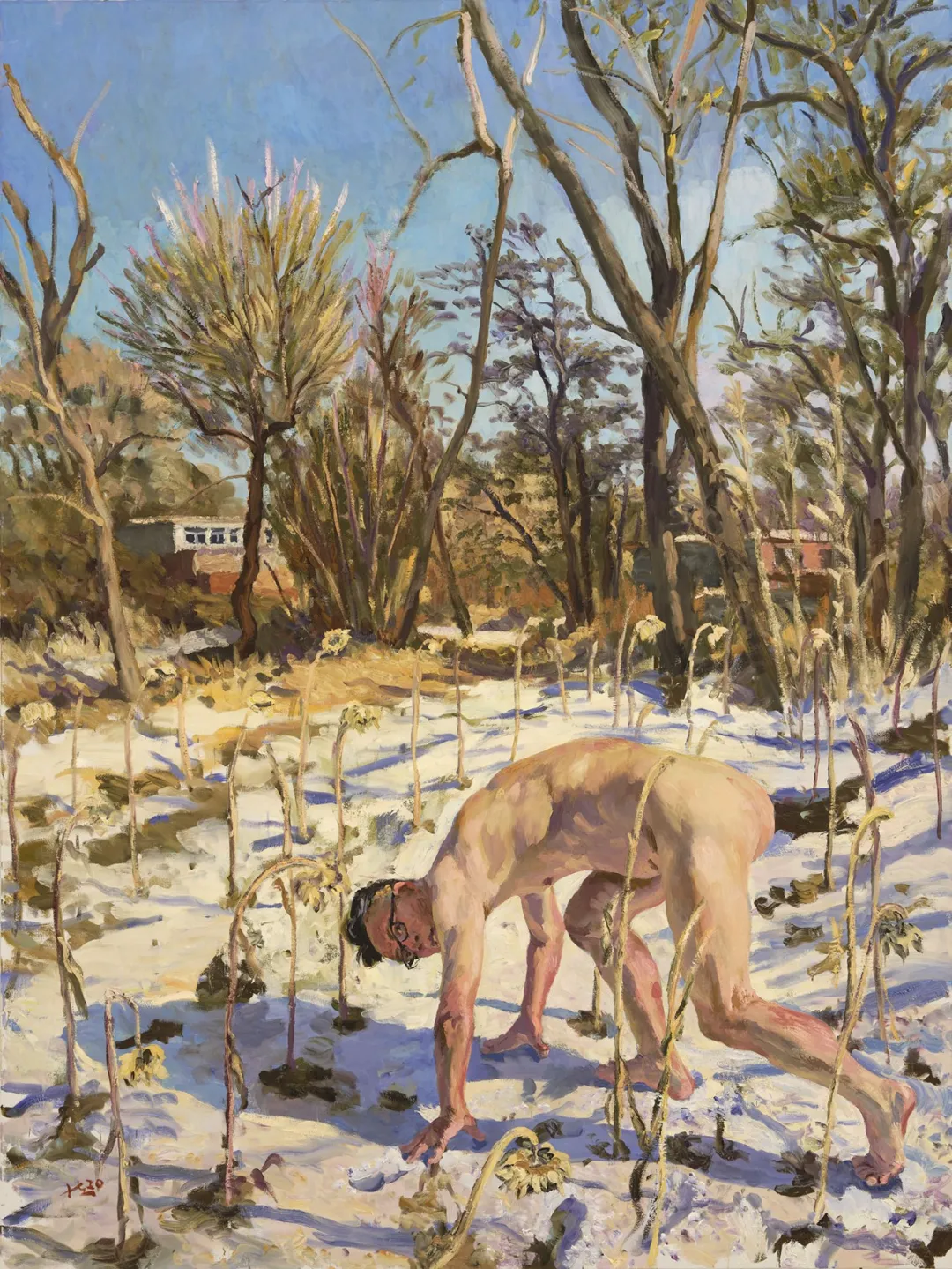
▲ Self-Portrait of Heitu Pit, oil on linen, 2020, 244×183cm
He was quite annoyed when people said he "focused on ordinary people": "What ordinary people? They are all people who stand tall and upright in secret." In Fengjie, he squatted on the ground eating boxed lunches with migrant workers; in Detroit, he chatted with actors in armor until late at night; in the Taihang Mountains, he climbed the hillside with teenagers—he didn't "sympathize" with these people, but "saw" them, turning their confusion, joy, and burdens into the "human touch" on the canvas.
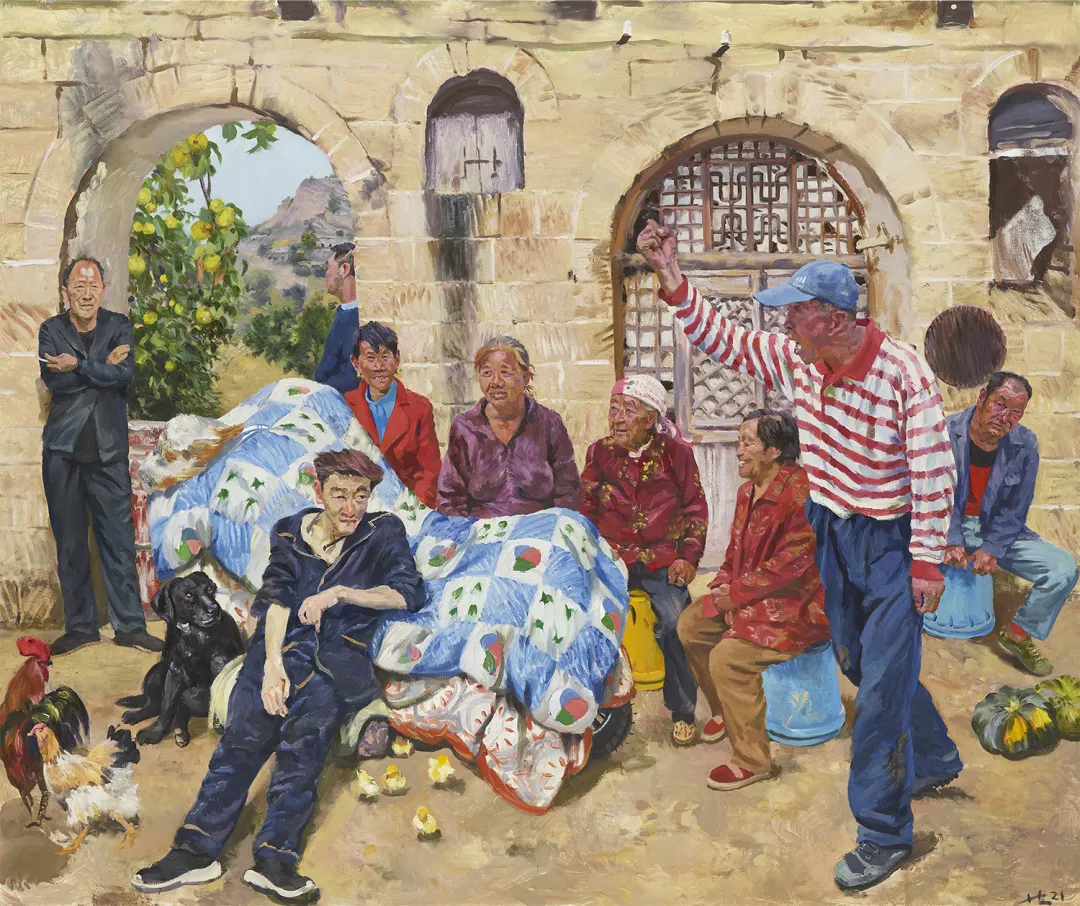
▲ *Roar*, oil on linen, 2021, 250×300cm © Taikang Collection
Between the east and west banks of the river: what remains unchanged is Liu Xiaodong, who "hasn't lost his humanity."
The exhibition's spatial design is ingenious: from the vast world of "Hexi" on the first floor to the inner depths of "Hedong" on the second floor, it's like following Liu Xiaodong on a journey from outward exploration to inward reflection. Over forty years, he has changed a lot: from a gifted young man in academy to a seasoned traveler; from solid realism to subjective and free expression; from "only seeing people" to "equality between people and all things." But some things have remained unchanged—his empathy for "people," his reverence for "life," and his adherence to "reality."
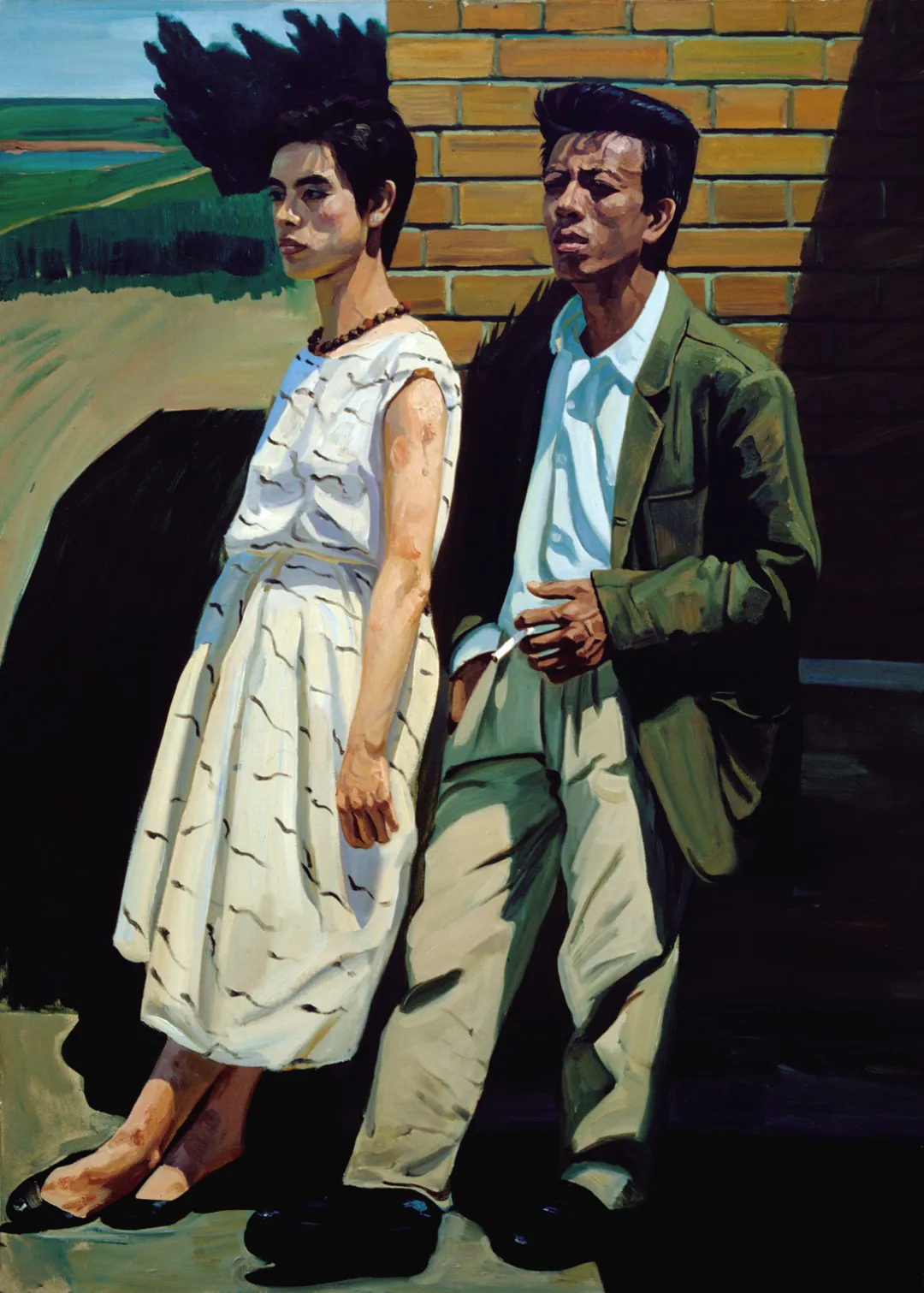
▲ Pastoral idyll, oil on linen, 1989, 170×120cm (Granted by a private collector)
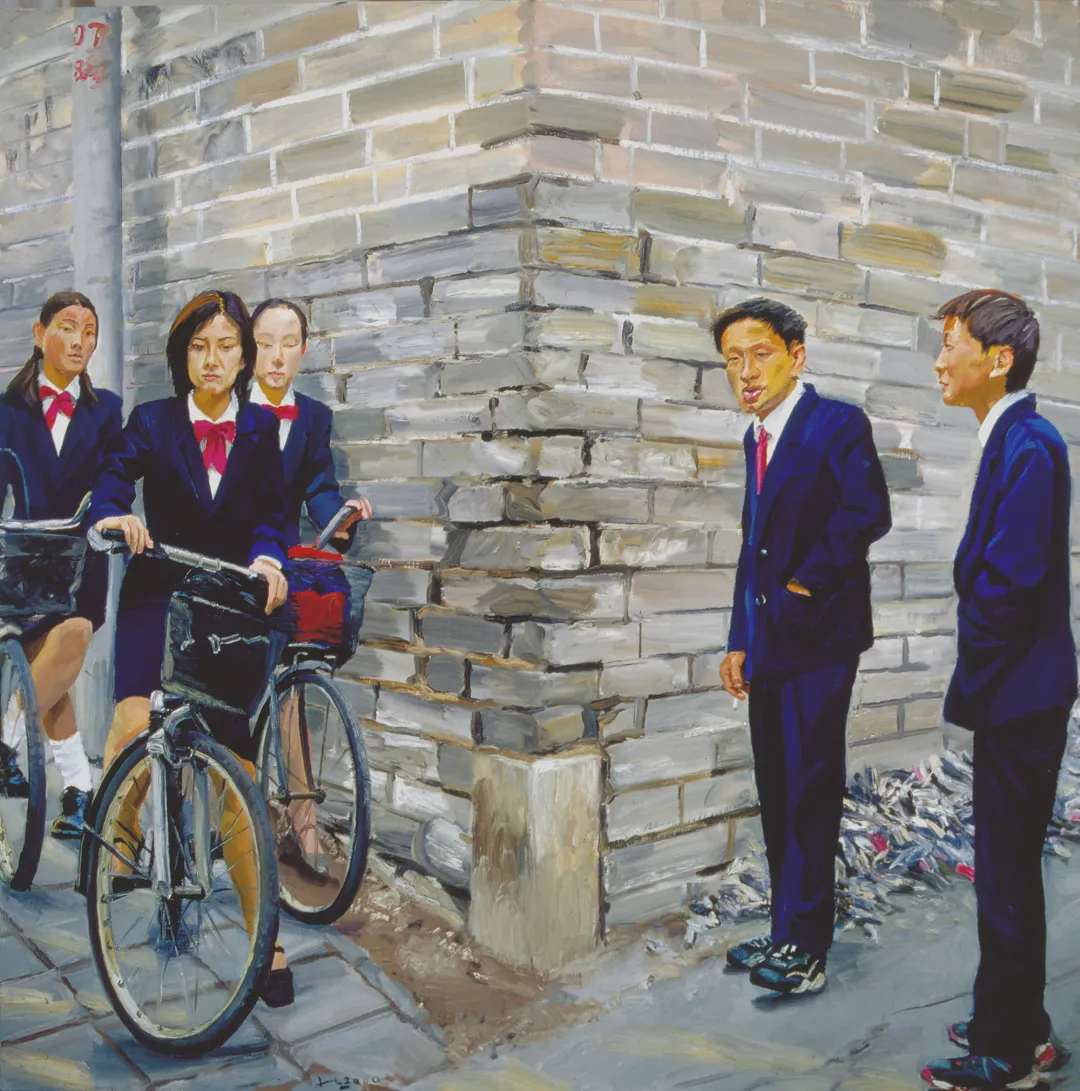
▲ "Heroes Have Emerged Since Ancient Times", oil on linen, 2000, 200×200cm. Granted permission from a private collector in Asia.
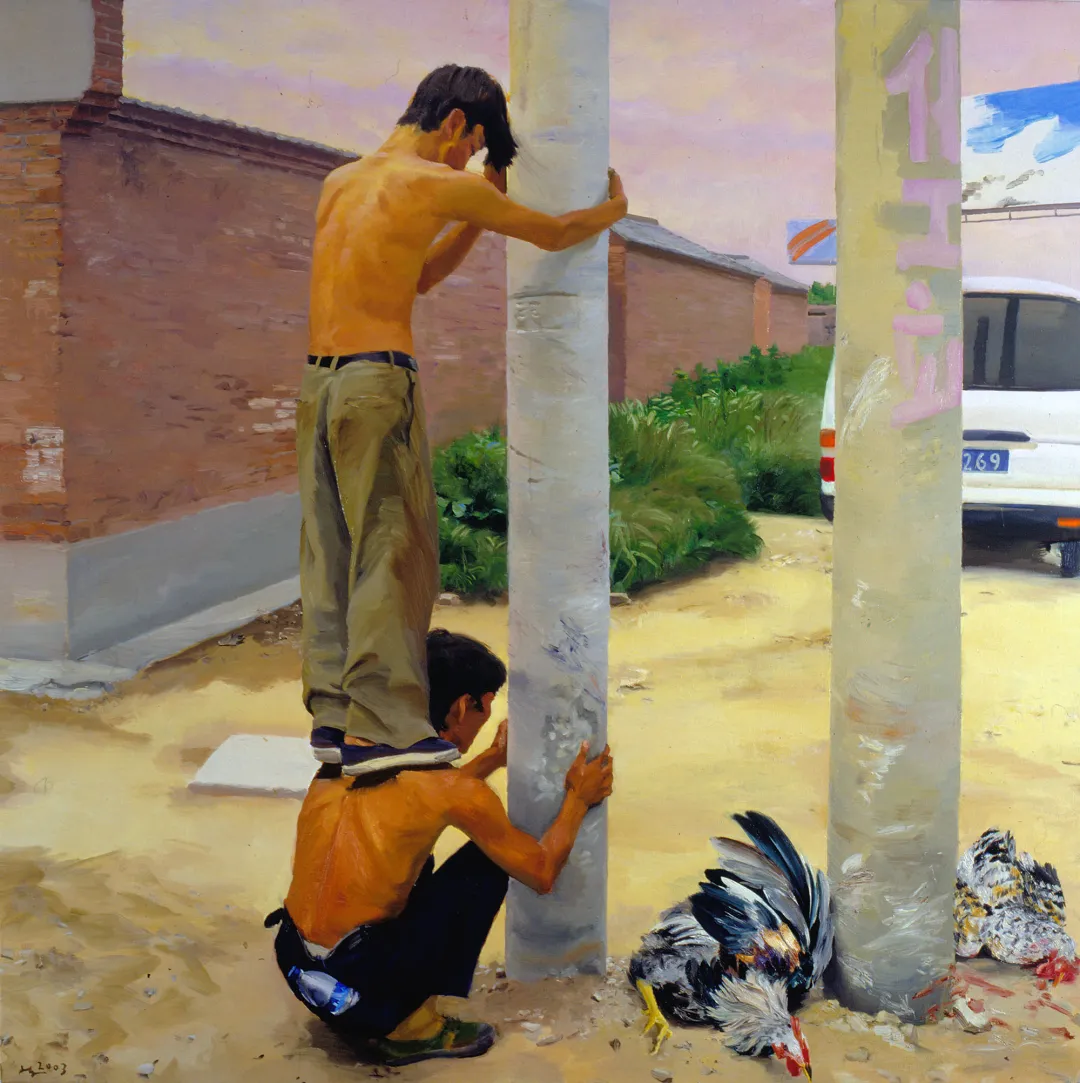
▲ "Catching Chickens", oil on linen, 2003, 200×200cm. Granted permission from a private collector.
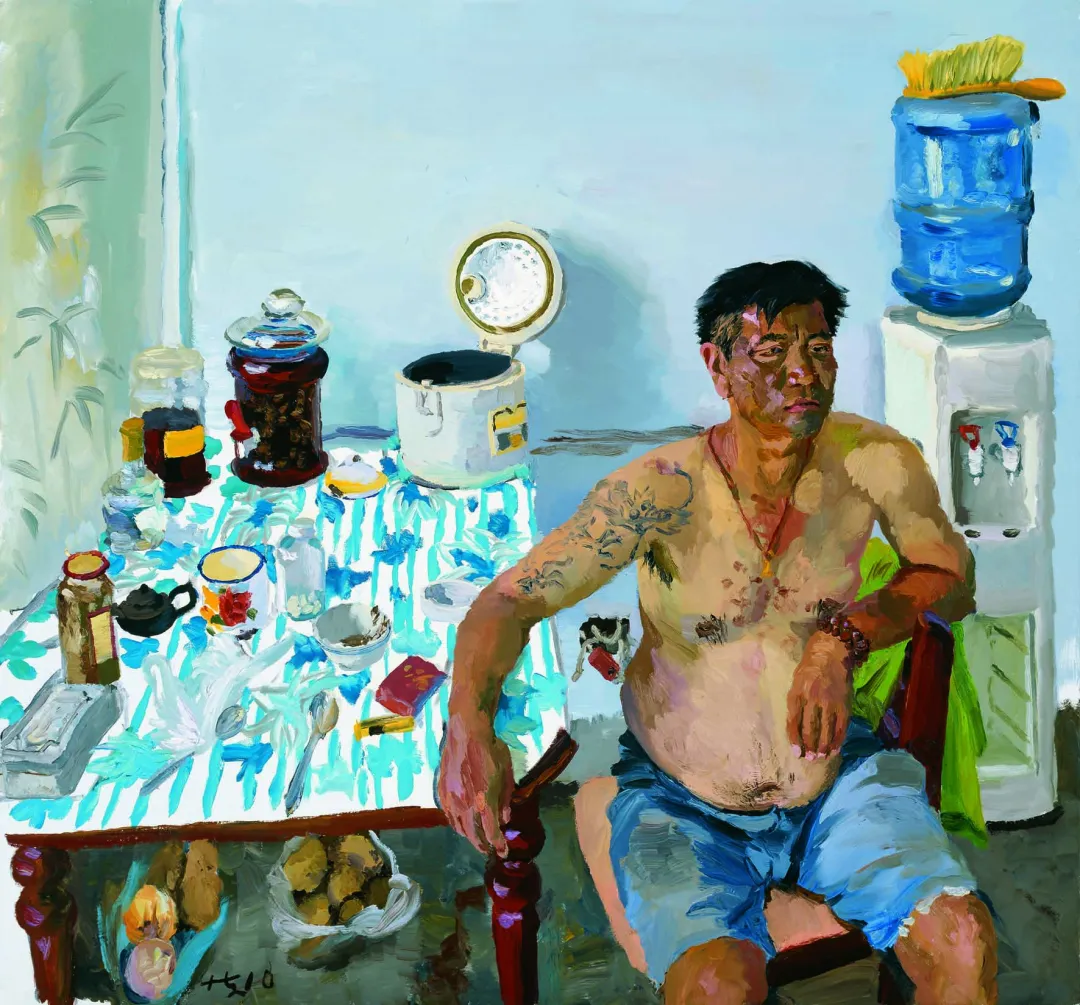
▲ "Xu Zi at Home", oil on linen, 2010, 140×150cm
Acheng said that "reality is not everything," a statement that strikes at the heart of Liu Xiaodong's art. His paintings are never "copying reality," but rather "dialogue with reality." On the east bank of the river, he converses with his own memories: "Pastoral Idyll" hides his love for Yu Hong, "Old Mother" contains his longing for his mother, and "Xu Zi at Home" reflects his familiarity with friends; on the west bank, he converses with the pulse of the times: "New Immigrants of the Three Gorges" depicts the individual fate within a grand era, "One of the Hotbeds" explores the collision of reality and time, and "Young Tongtian" connects the past and the present. Whether on the east or west bank, his brush always faces "people," "life," and the vibrant, everyday life of humanity.
Liu Xiaodong, now retired from the Central Academy of Fine Arts, continues to dedicate himself to the art world. A rising star in the art scene in the early 1990s, his works are collected by museums worldwide. He was also elected a member of the National Committee of the Chinese People's Political Consultative Conference and has received numerous prestigious awards in the art field. Yet, he remains the same down-to-earth man from Liaoning, sharing stories of his early watercolor paintings at exhibitions, frankly admitting that "sometimes I couldn't keep painting," and laughingly saying, "I'm just a painter, there's no need for so many philosophies." He hasn't become a mere "symbol" in the art world; instead, he has become a "real person"—talented yet unassuming; accomplished yet unpretentious; bearing the marks of time yet retaining the warmth of youth.
As I walked out of the Taikang Art Museum, I recalled his words at the opening ceremony: "My whole life, I've just wanted to paint people clearly, to paint life clearly." For over forty years, from east to west of the river, from genius to old age, Liu Xiaodong hasn't given any profound definition to art; he's simply used a paintbrush to record moments that are "human." And he himself has become the most touching stroke in these moments—not a perfect artist, but a Liu Xiaodong who is a bit greasy, full of everyday life, yet has never "lost his humanity."
"Liu Xiaodong: East of the River, West of the River" Exhibition Site
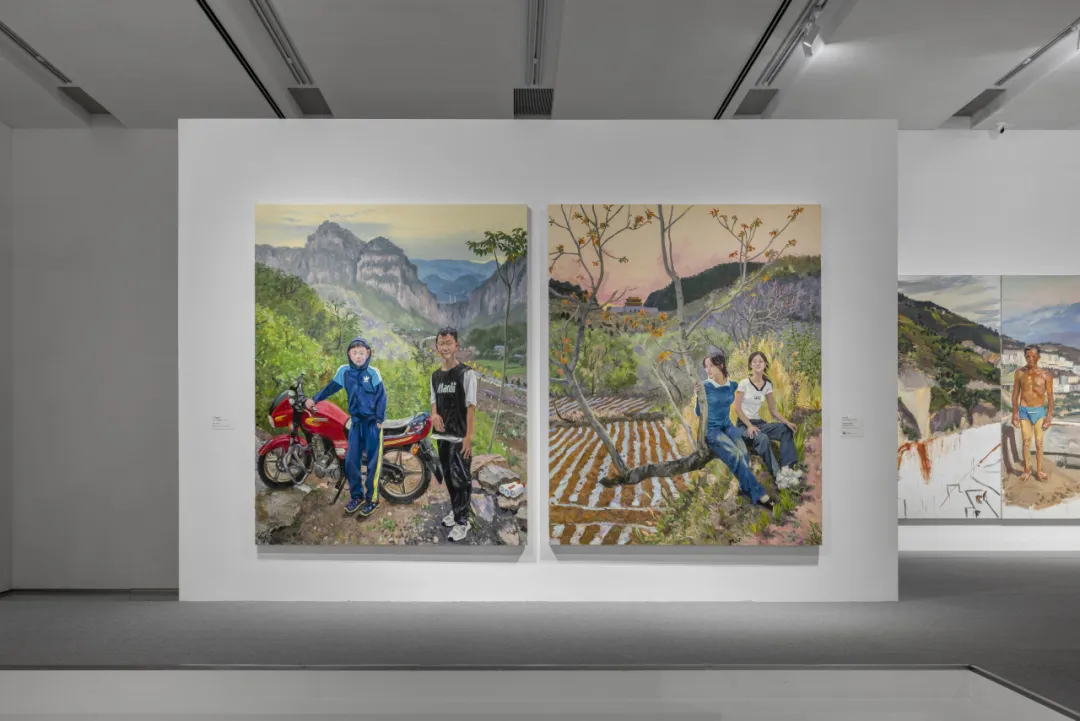
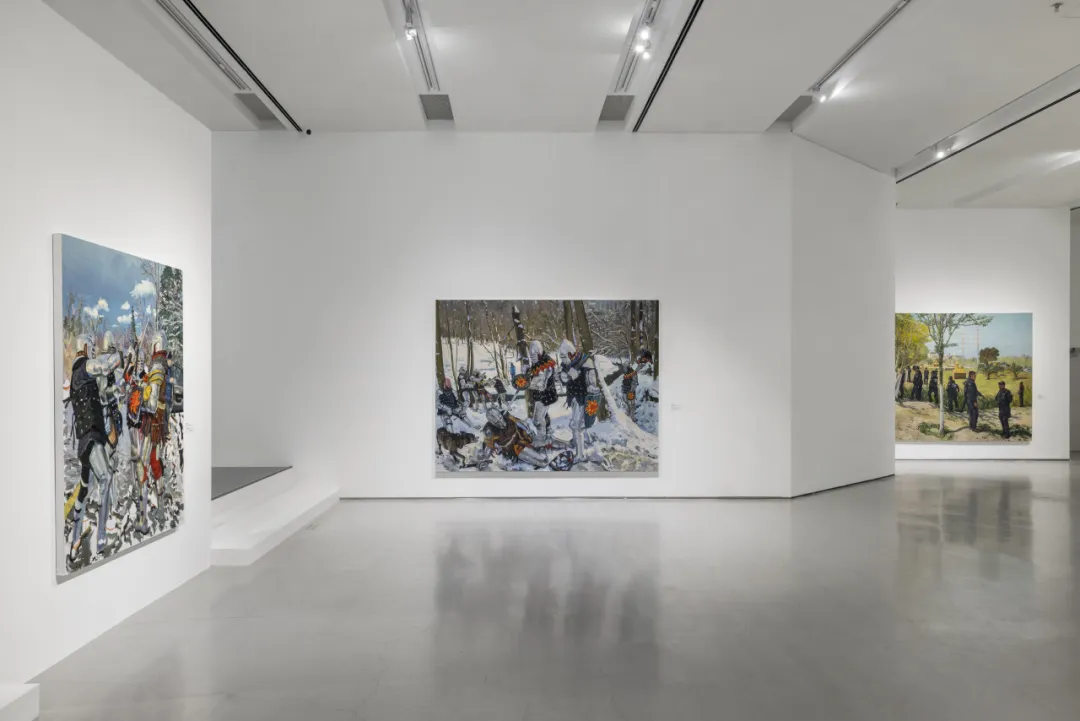
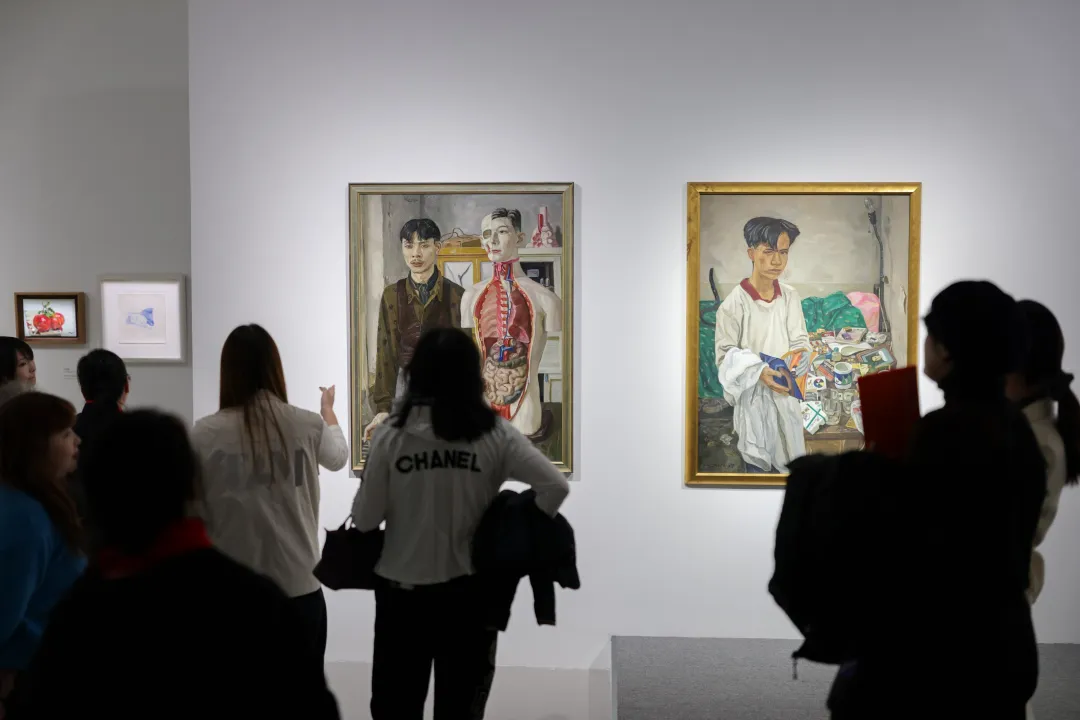
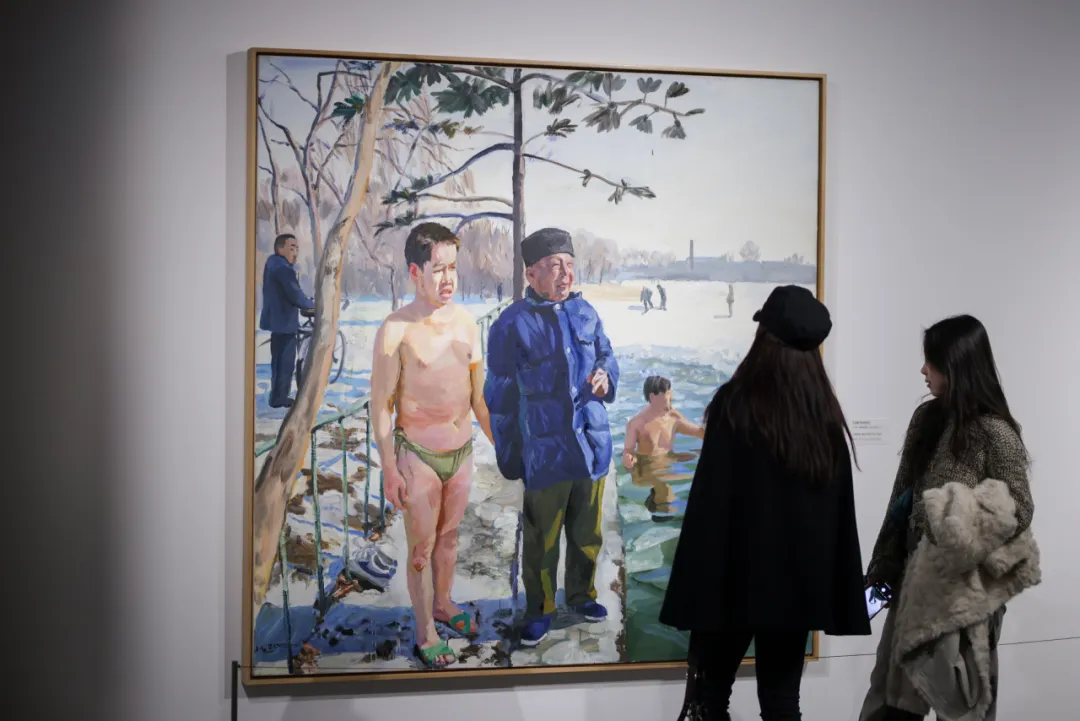
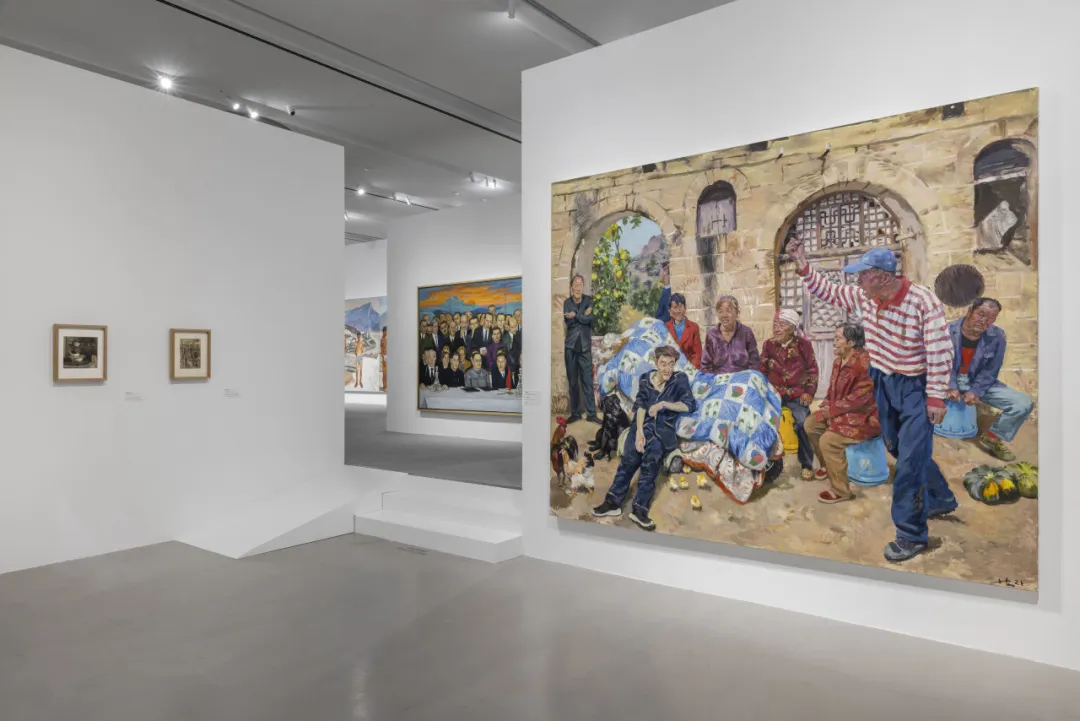
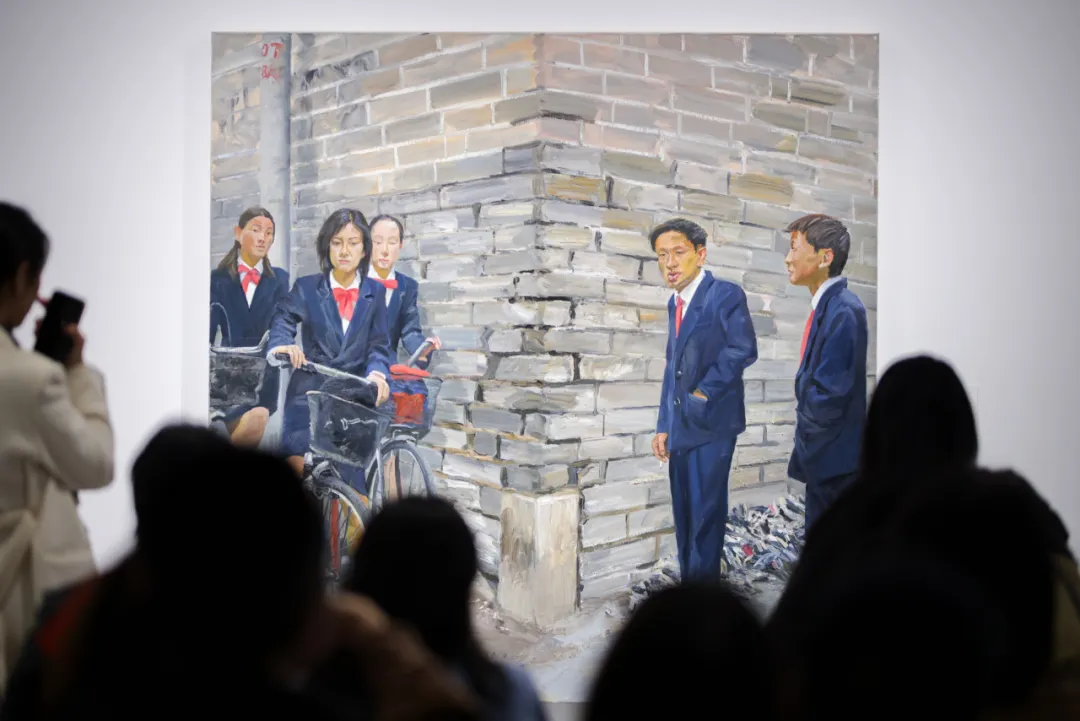
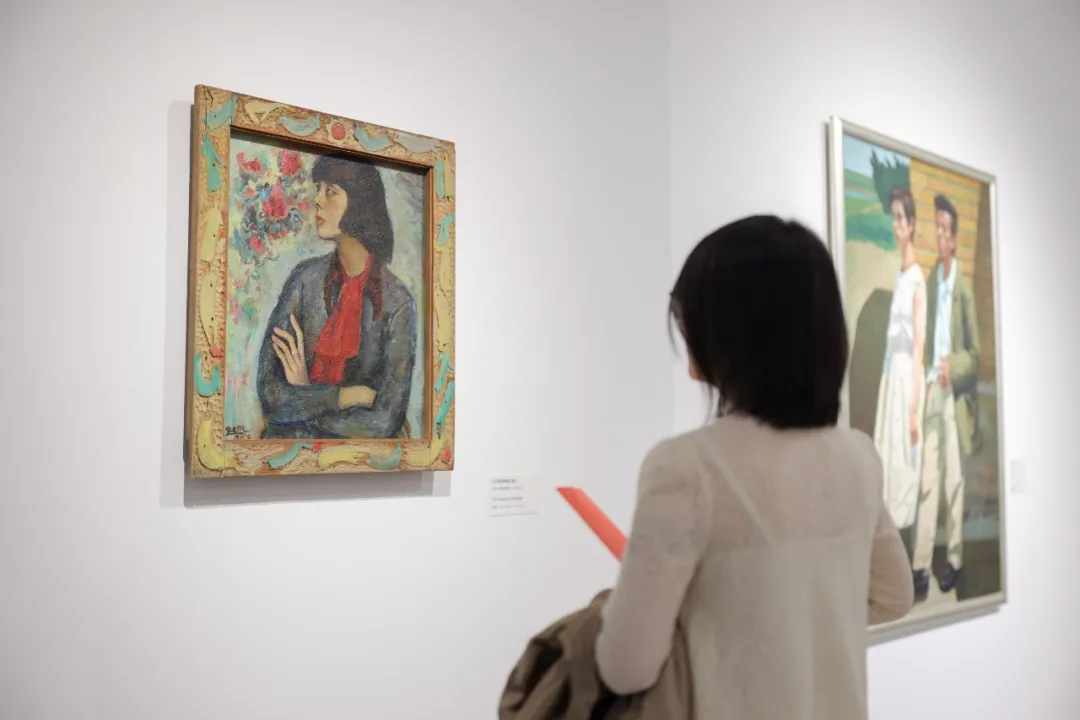
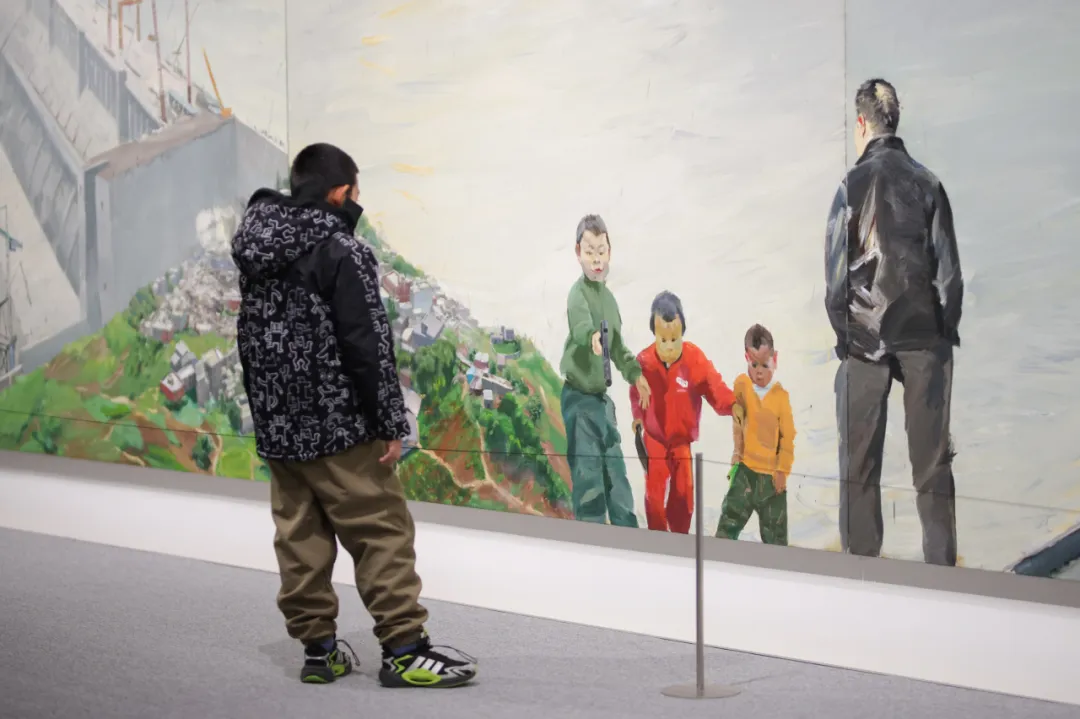
▲ Exhibition view of "Liu Xiaodong: East of the River, West of the River", Taikang Art Museum, 2025. All images above are courtesy of Taikang Art Museum.
Exhibition Information
Liu Xiaodong, "East of the River, West of the River"
Exhibition period: November 25, 2025 – March 31, 2026
Location: Taikang Art Museum
1st and 2nd floors of Taikang Group Building, CBD Central Area, Chaoyang District, Beijing
Author: Xie Mu
Stay tuned to ArtPro for the latest updates on the global art market.