

In-depth | The rise of independent female collectors in the art world
On the occasion of International Women’s Day, let us explore the moving chapters left by female patrons in the art world.Witness their vision, courage and determination continue to shape the past, present and future of art.
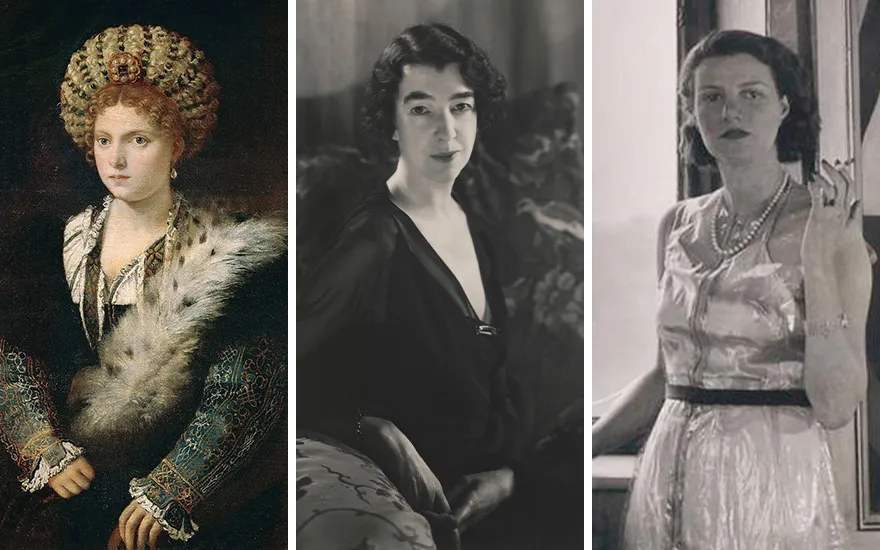
From left: Isabella d'Este (1474-1539); Gertrude Vanderbilt Whitney (1875-1942); Peggy Guggenheim (1898-1979)
There are always talented people who can help you. Art sponsorship has a long history. From royal nobles and church officials to contemporary private collectors and corporate giants, sponsors have always been an important force that cannot be ignored in the development of art. They support artists in creating masterpieces, collect treasures to build the foundation of museum collections, and incubate cutting-edge art experiments with venture capital thinking in the digital age, becoming the cradle of aesthetics and reflecting the sharpest slices of civilization in each era.
For centuries, in the history of art sponsorship, the power of women has been like an undercurrent that cannot be ignored, pushing the art world forward. Looking back at those key moments in shaping aesthetic paradigms, female sponsors are not only the driving force behind artists, but also rewrite the trajectory of art history with their unique vision and courage. They are both a mirror of the times and pioneers in breaking through gender barriers.
The artistic ambitions of aristocratic women
In the 16th century, an Italian woman broke through the male-dominated art world. She was Isabella d'Este (1474-1539), the Marquis of Mantua, who was known as the "First Lady of the Renaissance". Isabella d'Este was a political master who was well versed in political tactics and a great patron of the arts. Giovanni Bellini, Leonardo da Vinci, Perugino, Titian, Raphael, Michelangelo and other masters were commissioned by her to create works. The Marquis's passion for art profoundly influenced the aesthetic trend of the Italian Renaissance.
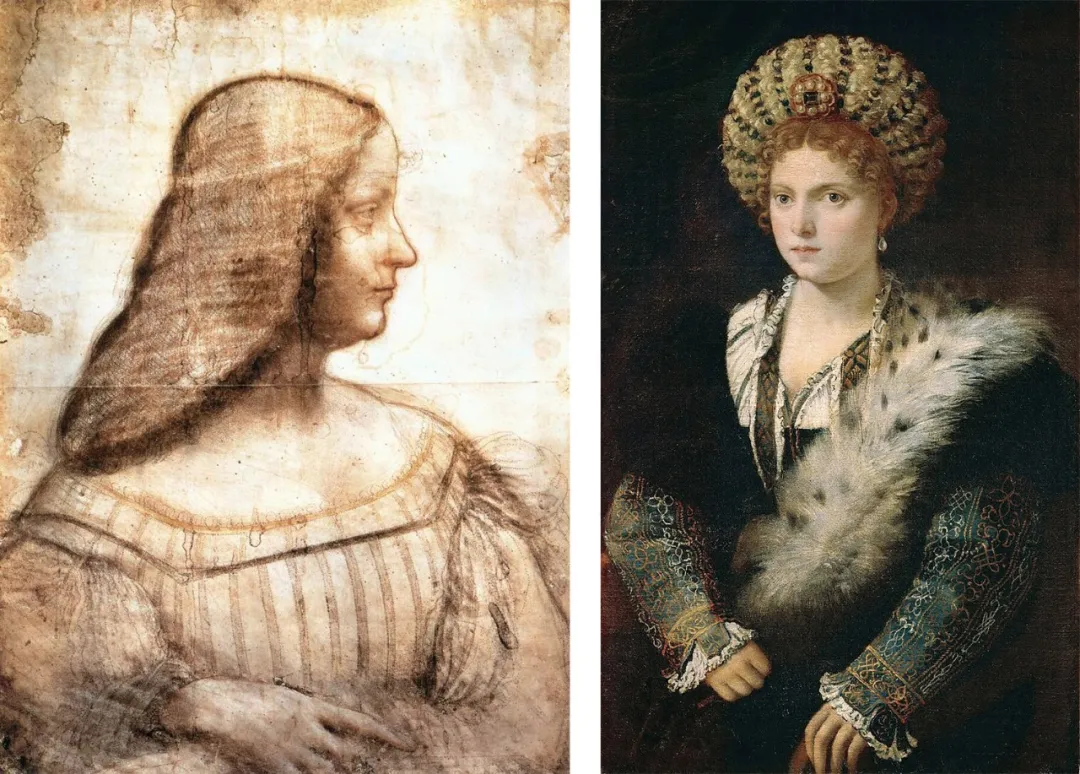
Left: Leonardo da Vinci, Portrait of Isabella d'Este, circa 1499-1500; Right: Titian, Portrait of Isabella d'Este, circa 1534-36
Isabella d'Este even turned her private study into an exhibition of her collection, which is a model of early curatorial collectors. Her carefully collected paintings, books, reliefs, antiques, bronzes, musical instruments and rare treasures are exhibited in her private study (studiolo) and "treasure room" (grotta). Isabella d'Este broke through tradition and used a meticulous collection strategy to construct an art space that crosses media and time and space through the dialogue between antiques and contemporary art, and the juxtaposition of visual and auditory perceptions, which had a profound impact on the display methods of art galleries in later generations.
Ancient women, with Isabella as a role model, had a passionate love for art that has flowed across the centuries, nourishing and giving birth to a new generation of independent female collectors.
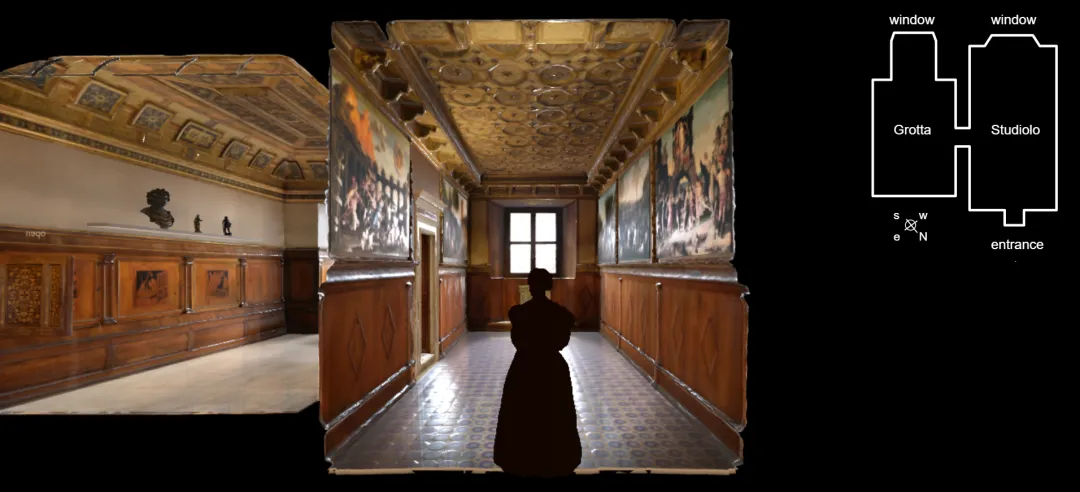
Digital reproduction of Isabella d’Este’s private study and “treasure room”. Photo: IDEA: Isabella d’Este Archive
The rise of independent female collectors
At the beginning of the 20th century, modern art was mired in controversy. However, female collectors such as Whitney and Peggy Guggenheim boldly collected controversial modern art works with their unique artistic vision, thus opening up a unique development path for modern art.
Unlike European collectors who worshipped classical art, Gertrude Vanderbilt Whitney (1875-1942) focused on the urban pulse of American art and broke the dull situation in the American art world at that time with her subversive collecting strategy.
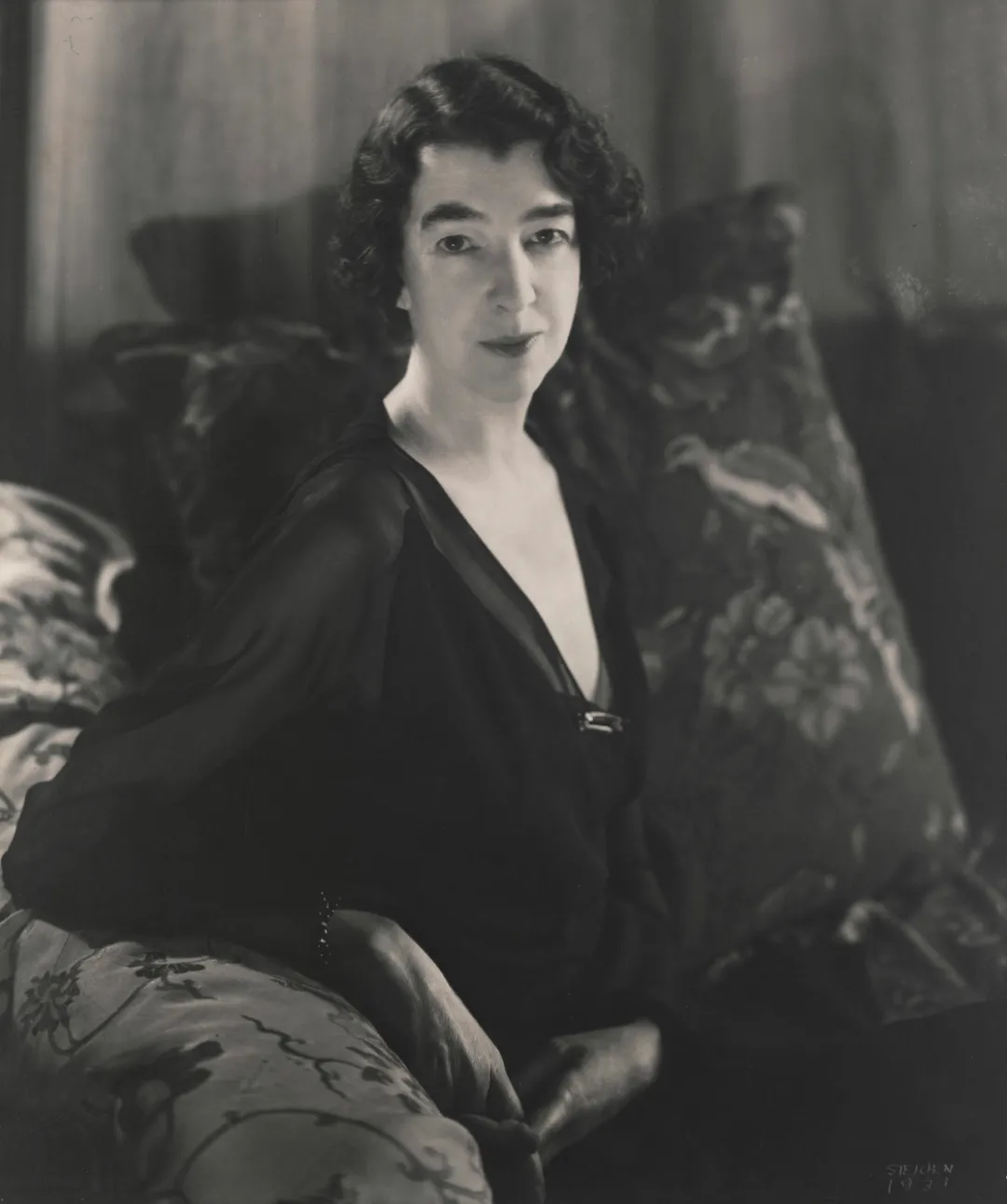
Gertrude Vanderbilt Whitney, November 17, 1931, by Edward Steichen. Photo: © 2025 Whitney Museum of American Art
When Whitney's donation of 500 pieces of American contemporary art to the Metropolitan Museum of Art was rejected, she established the Whitney Museum of American Art instead. This art museum, which focuses on American art and artists, has now become a barometer of American modern and contemporary art. Its biennial mechanism breaks the traditional academic review system and has discovered many great artists.
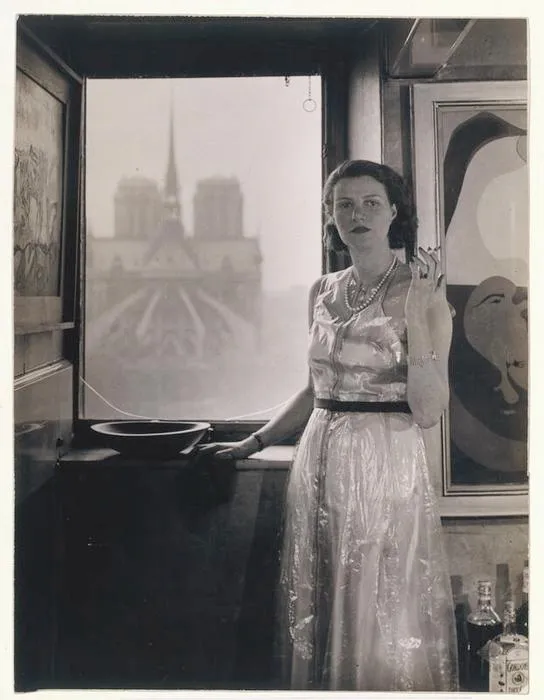
Peggy Guggenheim in Paris, photographed by Roger Andre, circa 1940. Photo © BnF, Dist. GrandPalaisRmn / image BnF
I am not a collector, I am an art gallery myself.
—Peggy Guggenheim
“I am not a collector, I am an art museum.” This powerful declaration came from the legendary female patron Peggy Guggenheim (1898-1979).
Peggy Guggenheim was committed to supporting emerging artists. Through financial support and early exhibitions, she laid the foundation for Jackson Pollock's career, and the "drip painting" technique developed by the latter became a key driving force of abstract expressionism. In her later years, Peggy converted her private residence into an art museum, opened her collection to the public, and later donated her entire collection to the Guggenheim Foundation, including works by many world-class modern artists such as Pablo Picasso, Alexander Calder and Joan Miró.
Whitney and Peggy Guggenheim’s pioneering ideas continue to stir the contemporary art world. Their discerning collection system and art promotion highlight the importance of personal vision and support for artists. On top of the outstanding achievements and outstanding contributions of these female pioneers, the current art world is witnessing the rise of female power with unprecedented strength.
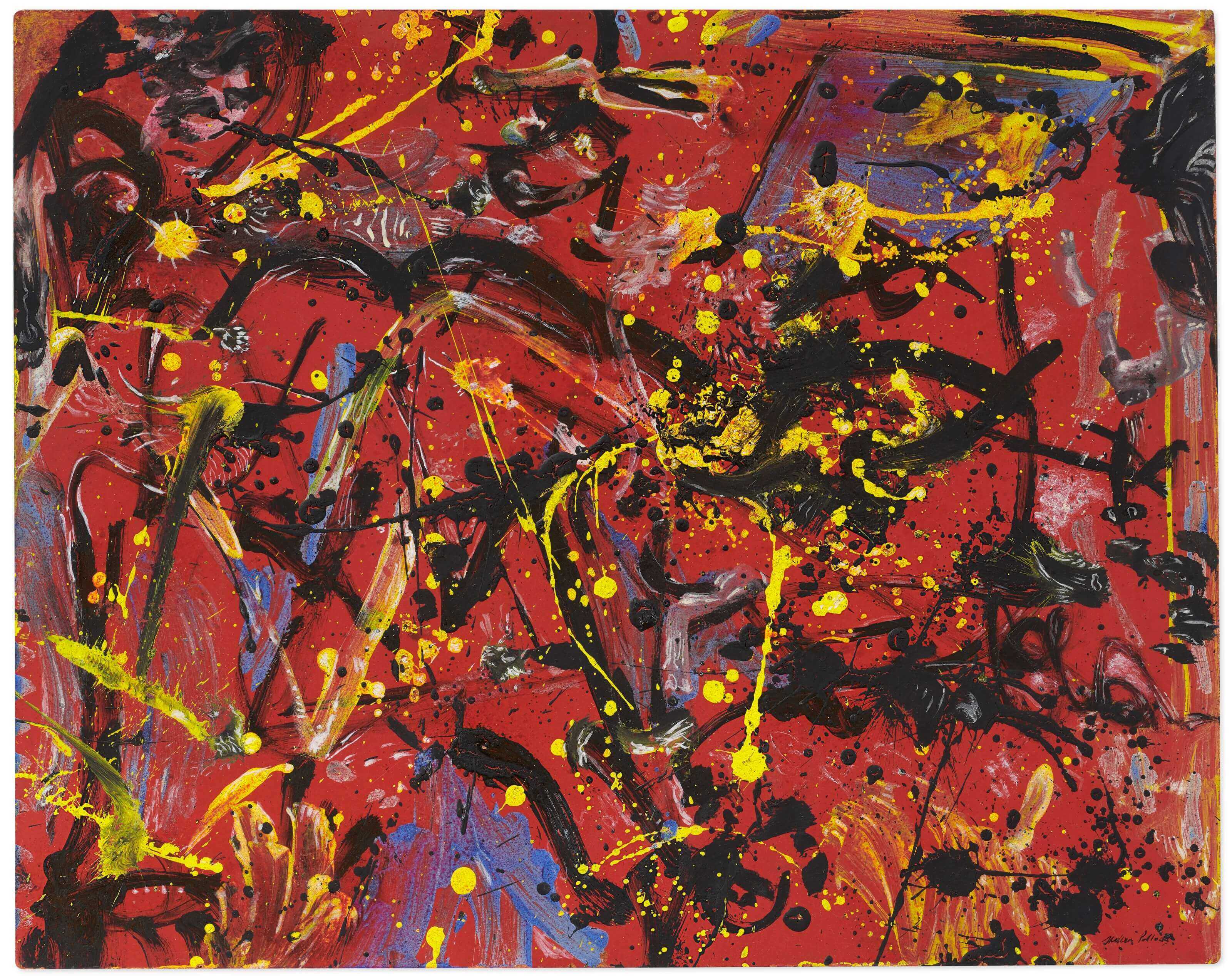

The global influence of female collectors in the contemporary art market
The global influence of female collectors is increasingly significant. They have not only reshaped the structure and value orientation of the collection market, but also promoted the diversified and inclusive development of the art ecosystem. The survey data in the 2023 "Art Basel and UBS Global Collection Survey Report" confirmed this trend. In the first half of 2023 and the previous two years, the median spending of female collectors interviewed exceeded that of men.
In May 2022, the collection of philanthropist and arts patron Anne H. Bass led Christie’s New York 20th Century Art Evening Sale. As one of the most important American collections to come to auction in decades, it achieved a record total of $363,087,500.
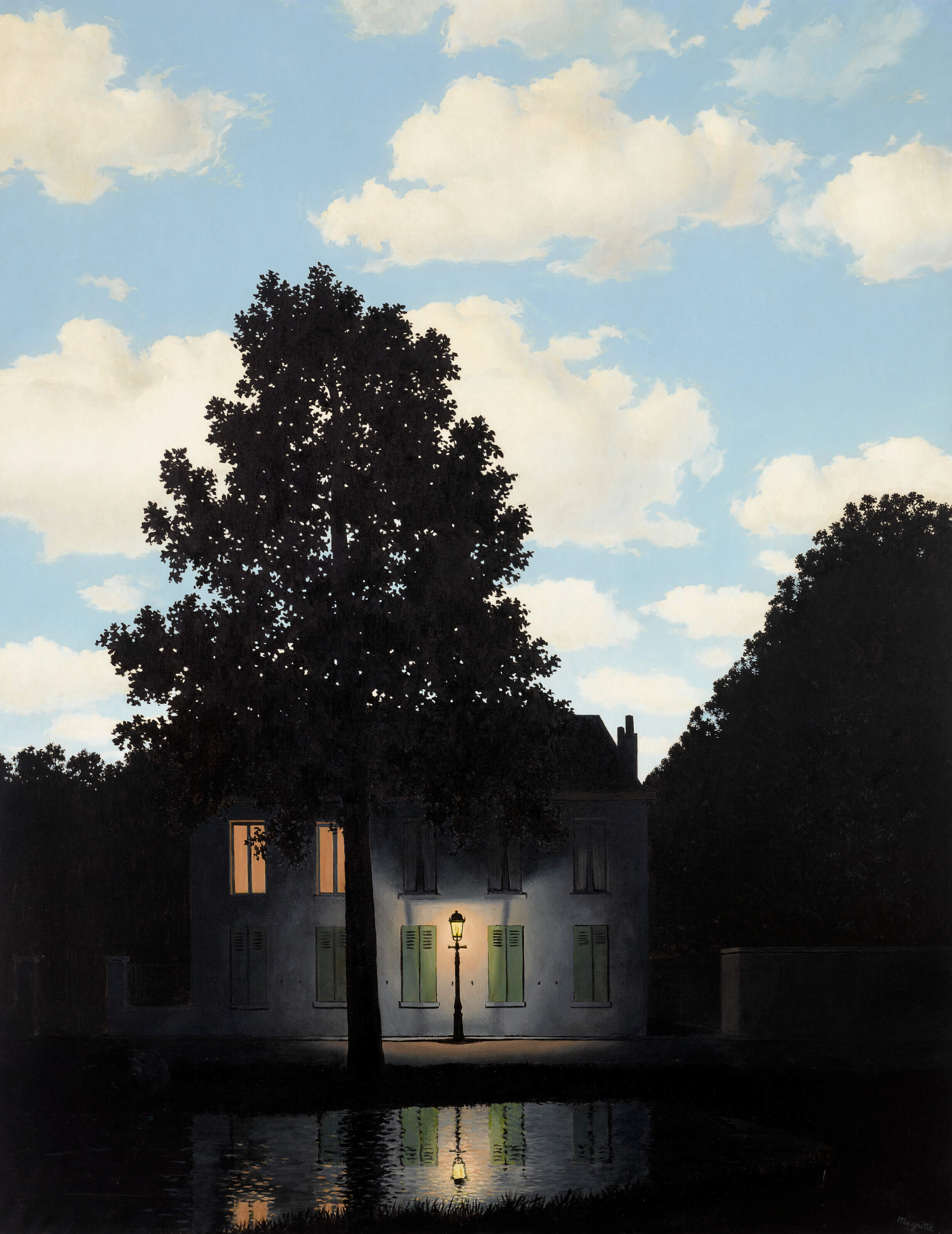
In November 2024, the famous work "L'empire des lumières" by surrealist master René Magritte was sold at Christie's New York for US$121 million, which not only significantly broke the auction record of the Belgian painter, but also topped the list of art sales prices in 2024. The person behind this painting is the creative female collector Mica Ertegun.
In today's art world, many outstanding female collectors are leaving indelible marks in their own unique ways. The Chinese classical furniture collection of Chinese collector Zeng Xianfen, with its rich history, closely connects the ancient and modern contexts; the Ming-style furniture collection of "Huanghuali Queen" Wu Jiaen transcends time and space, and can be regarded as an artistic crystallization of the aesthetics of ancient and modern times, both at home and abroad.
Throughout history, female collectors have long surpassed the role of mere art "consumers". They have become powerful controllers of cultural rights and firm promoters of artistic innovation. With their unique aesthetic vision, extraordinary courage and determination, they continue to inject fresh blood into the development of art, becoming an indispensable reference and booster in the process of artistic development, giving the development of art a broader imagination space and unlimited possibilities. This revolutionary change will continue to fundamentally reshape the future pattern of the collection field.
Content copyright Christie's.
Please continue to follow ArtPro for more latest developments in the global art market.