
Exhibition Preview | Many national-level cultural relics of Xu Beihong will leave Beijing for Guangdong for the first time and will be exhibited at the Guangdong Museum of Art on March 1 to commemorate the 130th anniversary of Xu Beihong's birth
Many preciousNational cultural relics
WillfirstLeaving Beijing for Guangdong
At Guangdong Museum of ArtBig News of the YearPresented in the exhibition
3Big theme section
70Remaining piecesMasterpieces
Rare manuscripts, letters, and historical images
In-depth decoding of the modern transformation of Chinese artKey Figures
Art MastersXu BeihongArt Life
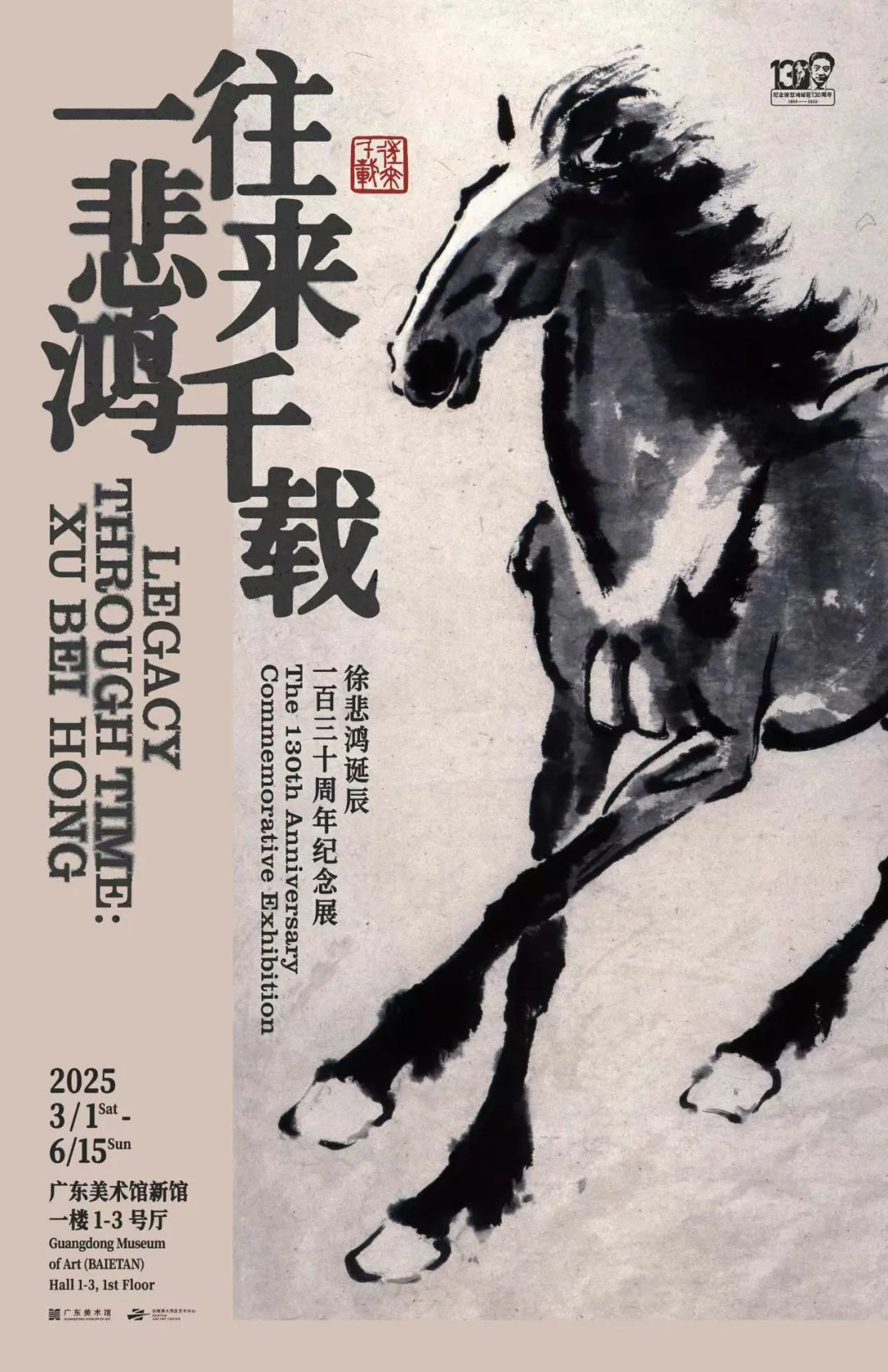
Exhibition time: March 1, 2025 - June 15, 2025
Exhibition Location: Guangdong Museum of Art, 1st floor, Hall 1-3
Organizer: Guangdong Museum of Art, Xu Beihong Memorial Hall
Co-organizers:Beijing Wenze Times Culture and Art Co., Ltd.
Supporting Units: Xu Beihong Art Museum (Chongqing)
Overall Planning:Wang Shaoqiang Wang Hongying
Date: 2025.03.01- 2025.06.15
Venue: Guangdong Museum of Art (BAIETAN)
Hall 1-3, 1st floor
Organizers: Guangdong Museum of Art, Xu Beihong Memorial Museum
Co-organizer: Beijing Wisdom Art & Culture
Supported by: Péon Museum
Exhibition Director: Wang Shaoqiang, Wang Hongying
As a pivotal figure in the modern transformation of Chinese art, Xu Beihong's artistic practice has always been permeated with the academic logic of "being broad and meticulous". From the creation of epic themes to the reconstruction of allegorical images, from the innovation of brush and ink language to the breakthrough of artistic conception expression, he created a modern grammatical system that integrates Chinese and Western art. The exhibition uses three historical slices of Xu Beihong's "Xu Sheng in Jiangnan: Enlightenment, Studying and Artistic Transformation (1895-1925)", "Born in Adversity: Art Education and Family and Country Feelings (1926-1936)" and "Self-improvement: National Responsibility and Aesthetic Education Thoughts (1937-1953)", combined with the intertextual narrative of 73 representative works and a large number of documents, to deeply decode the era generation mechanism of his "art saves the country" concept and "realism" methodology.
As a core academic institution in South China, the opening of the new Guangdong Museum of Art marks a new milestone in the development of Chinese art museums. This exhibition is not only a century-long reassessment of Xu Beihong's artistic legacy, but also an academic response to the cultural strategy of the "Guangdong-Hong Kong-Macao Greater Bay Area". By building a digital art archive and an international network of scholars, the new museum will continue to promote paradigm innovation in the study of modern and contemporary Chinese art, and write a contemporary epic of Chinese art in the mutual learning of civilizations.
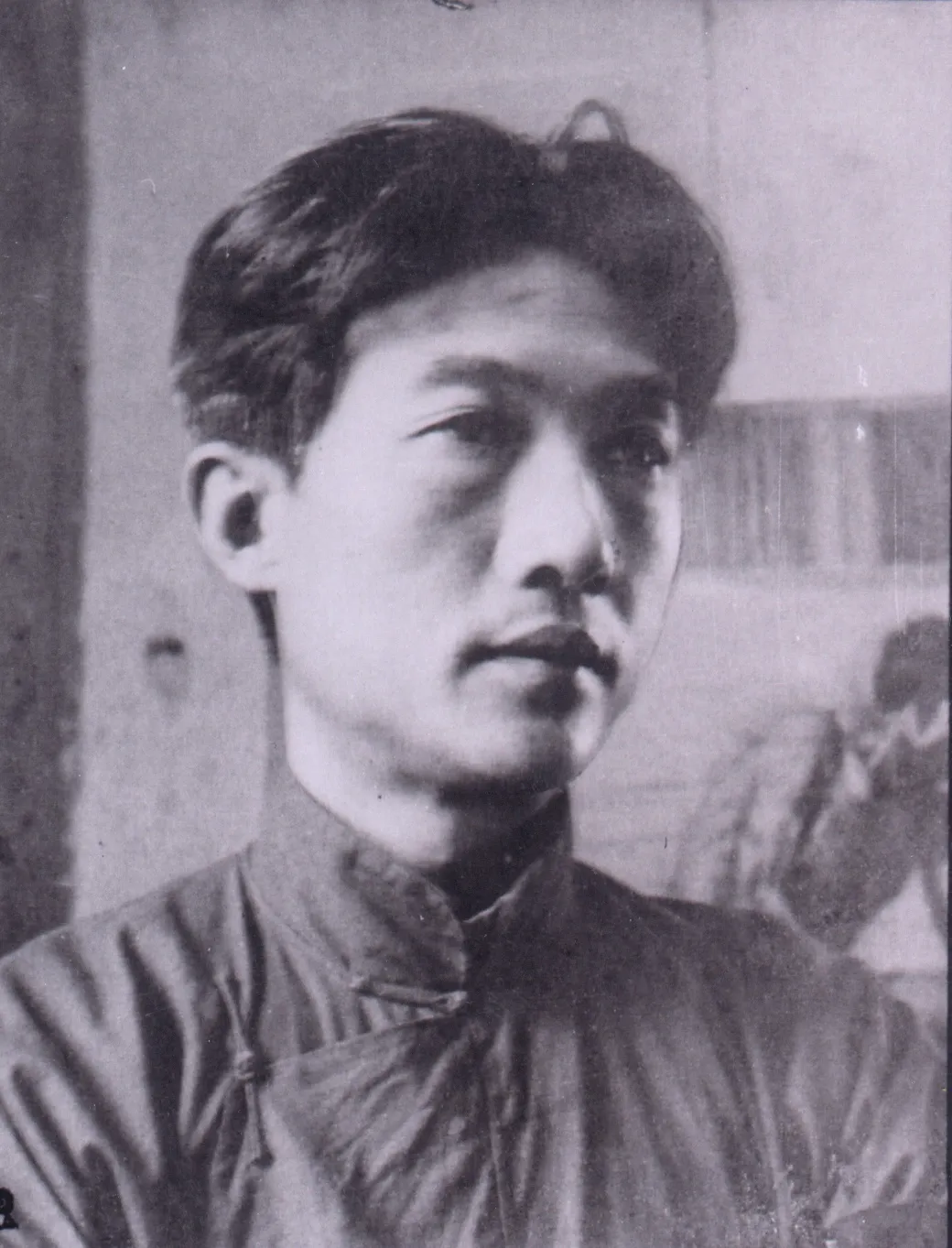
Xu Beihong
1895-1953
Xu Beihong, a modern Chinese painter and art educator, was born in Yixing, Jiangsu. He is one of the founders of modern Chinese art and is world-renowned for his outstanding artistic achievements and educational contributions. Xu Beihong studied in France in his early years and was deeply influenced by Western classical painting and realistic art. After returning to China, he devoted himself to integrating Chinese and Western art and created a new situation in modern Chinese art. He is good at oil painting and Chinese painting, especially painting horses. The horses he painted are vigorous and full of vitality, which has become his artistic symbol. His representative works include "Running Horses", "Foolish Old Man Moving Mountains" and "Tian Heng's Five Hundred Men".
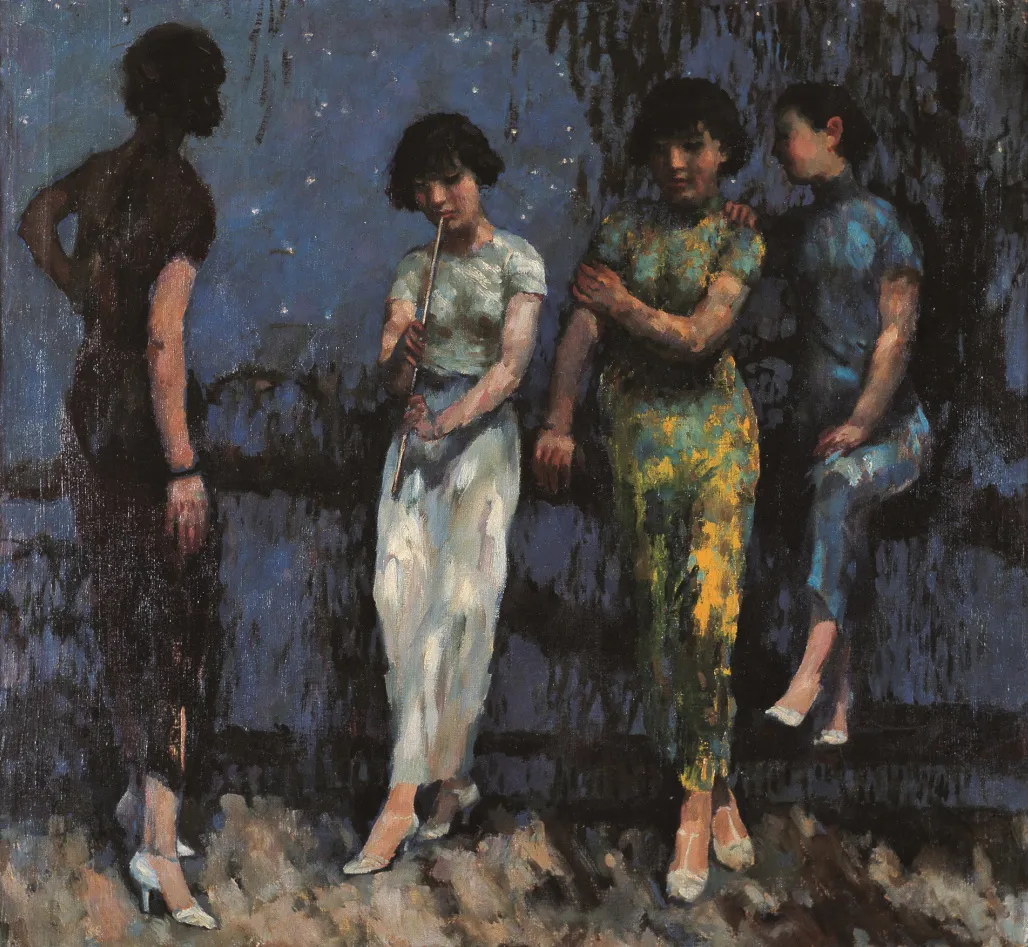
Moonlit Night|95×178cm|Chinese painting|1931
Moonlit Night | Chinese Painting
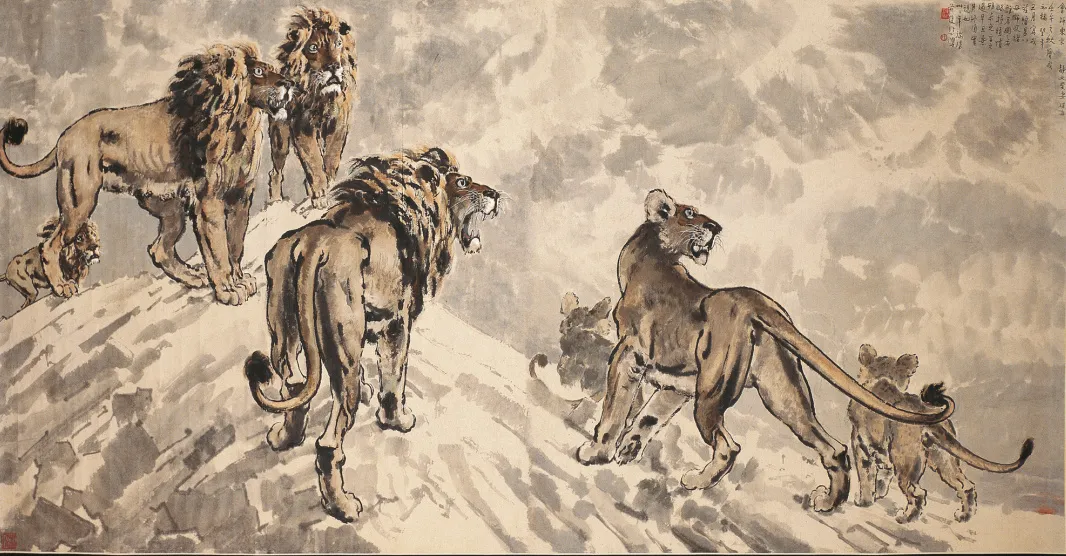
Meeting in Tokyo|113×217cm|Chinese painting|1943
Meeting of Forces in Tokyo|Chinese Painting
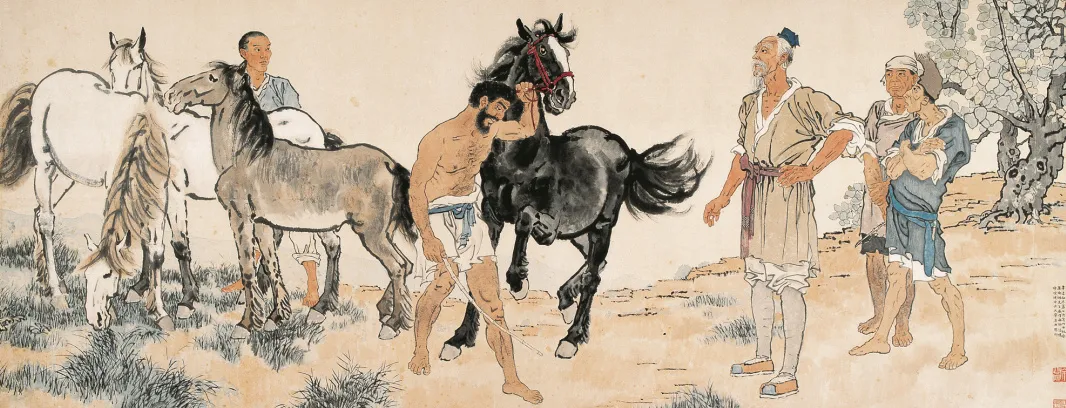
Jiufang Gao|139×315cm|Chinese painting|1931
Nine Methods of Judging Horses|Chinese Painting
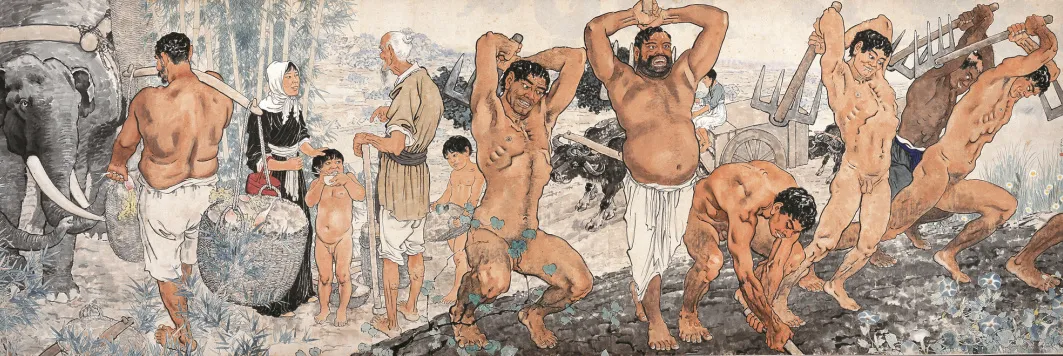
Yugong Moves Mountains|144×421cm|Chinese painting|1940
The Foolish Old Man Who Removed the Mountains
Chinese Painting
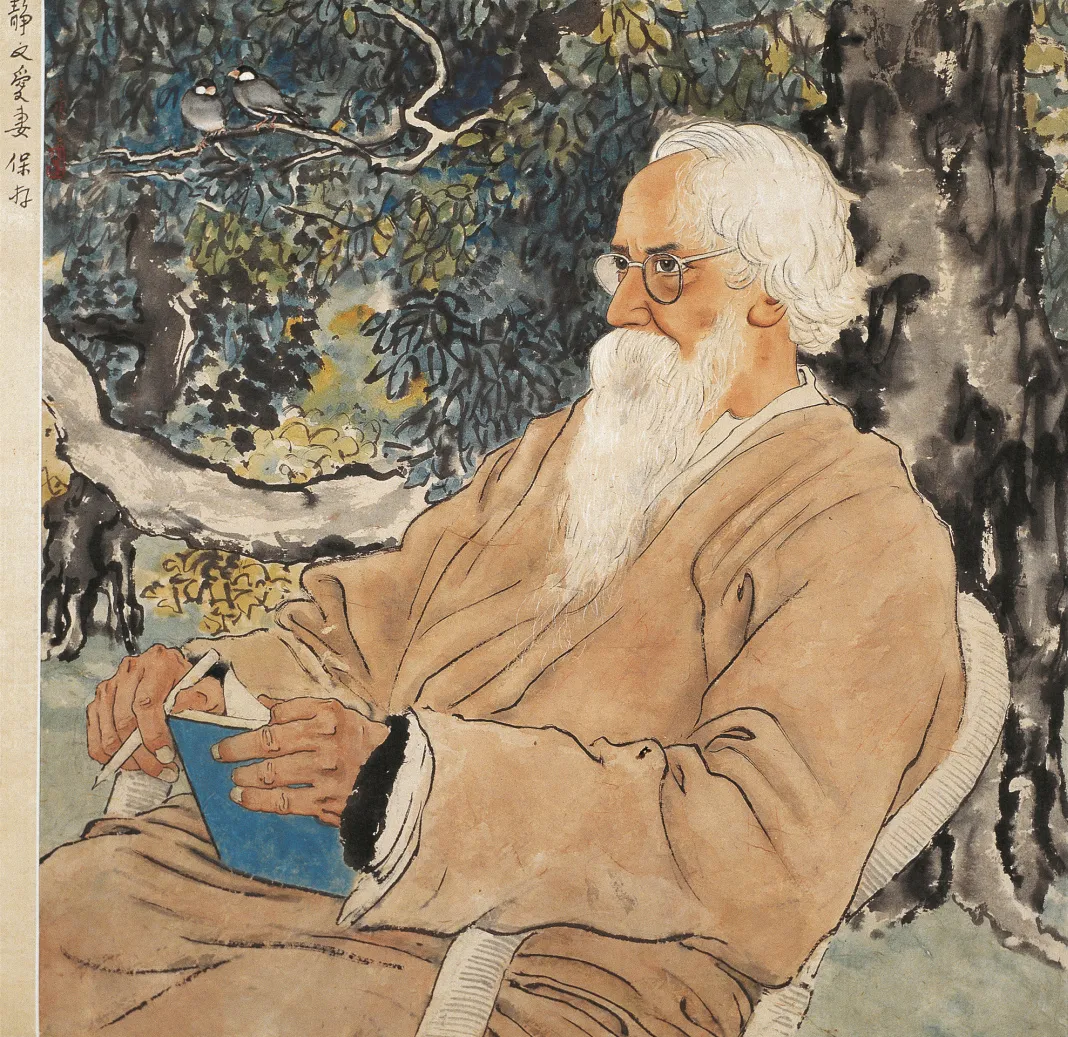
Portrait of Rabindranath Tagore|50×51cm|Chinese painting|1940
Portrait of Tagore |Chinese Painting
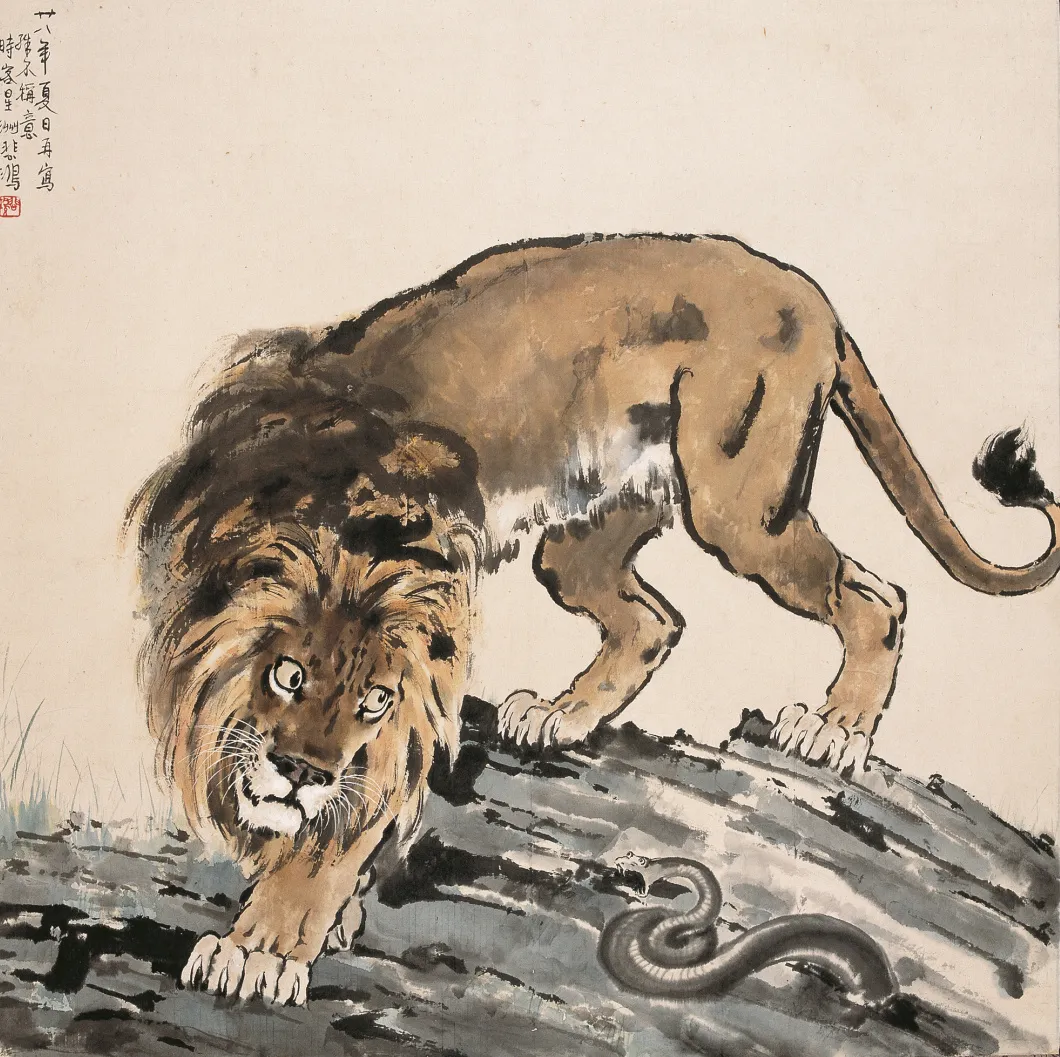
Sidelong Glance|111×109cm|Chinese Painting|1939
Sidelong Glance|Chinese Painting
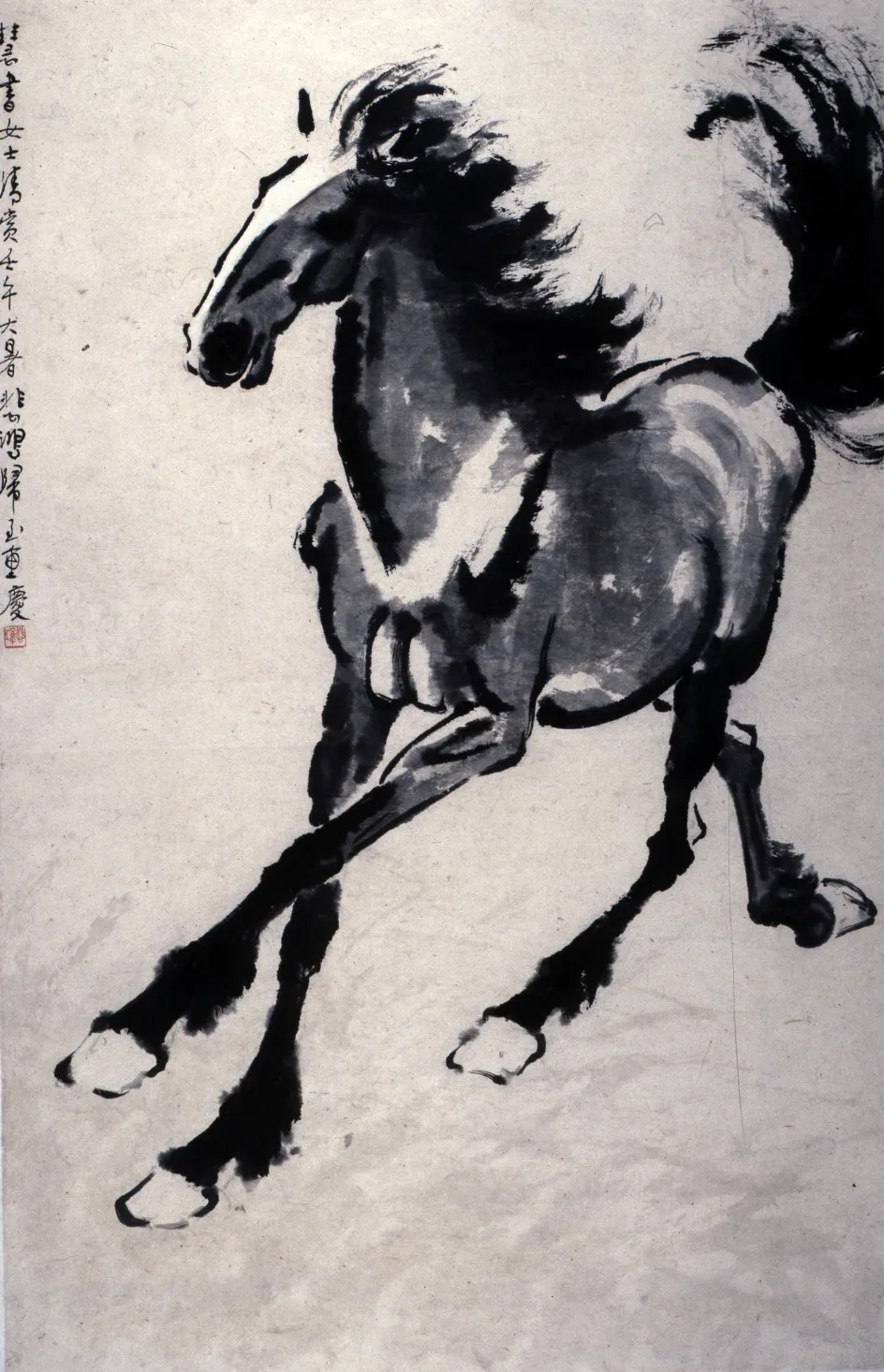
Galloping Horse|93×61cm|Chinese painting|1942
Galloping Horse |Chinese Painting
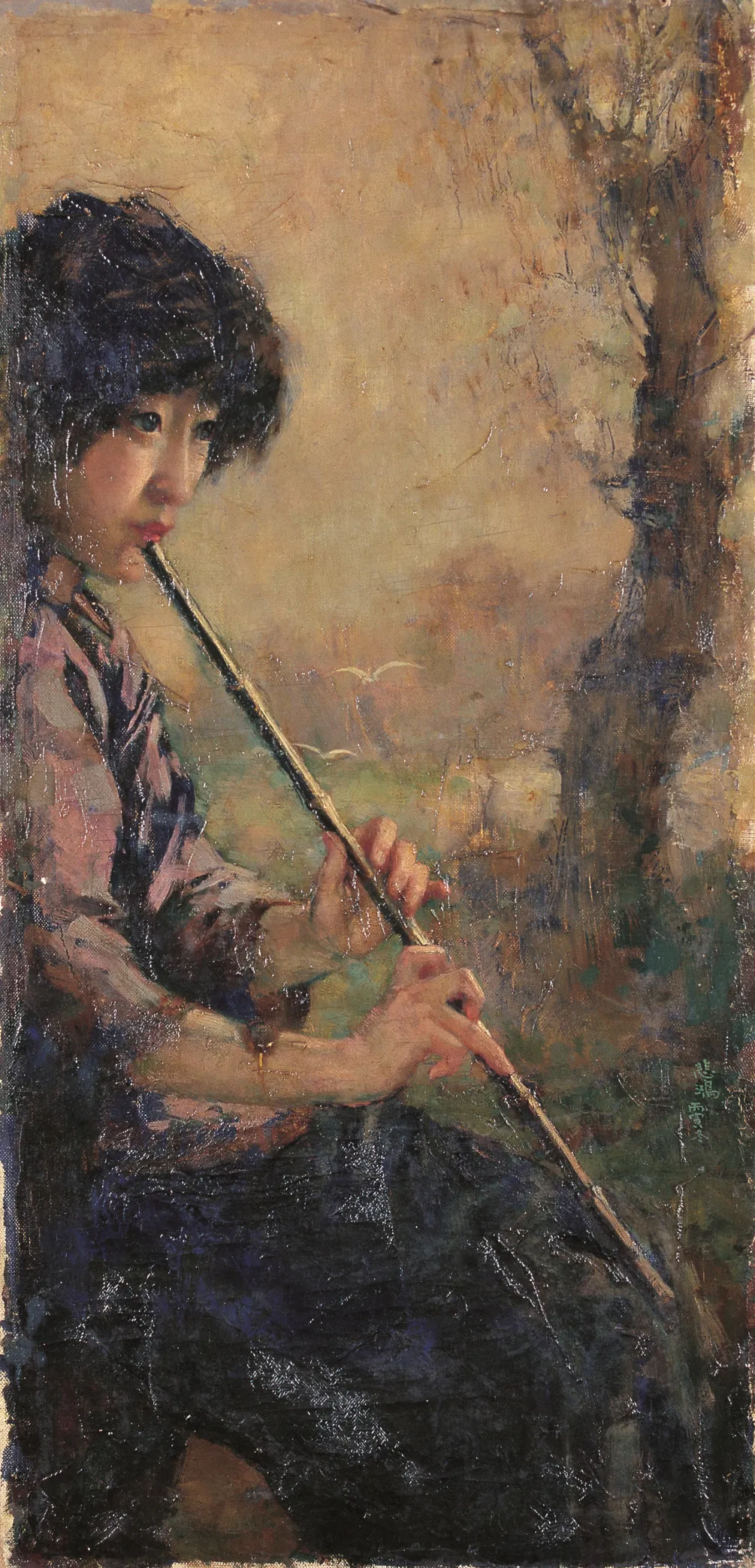
Flute Sound|80×39cm|Oil Painting|1926
Sound of the Flute|Oil on Canvas
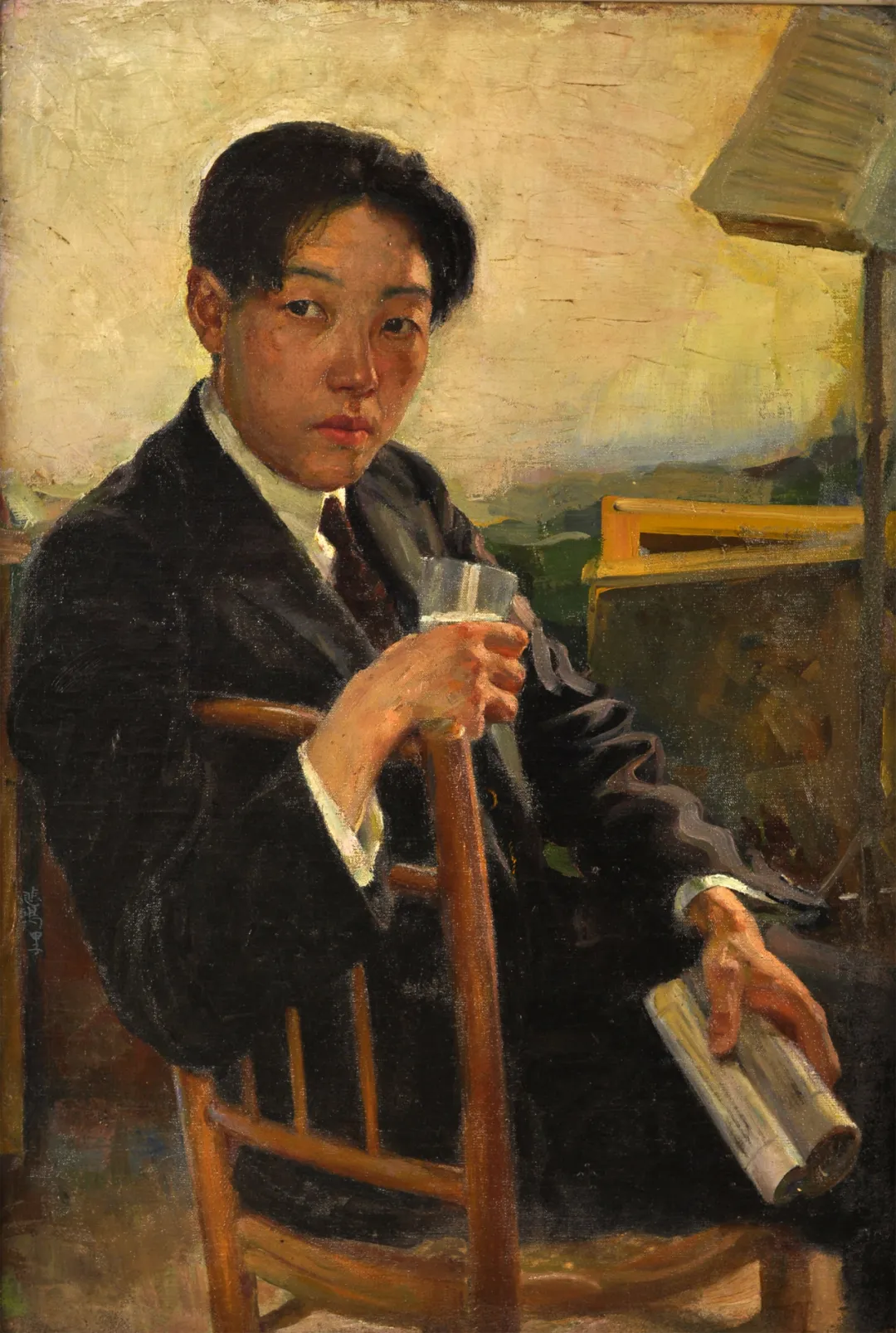
Self-portrait|70×49cm|Oil painting|1924
Self-Portrait |Oil on Canvas
Kind tips:This exhibition isPaid Special ExhibitionsFor specific ticket sales information, please follow the official WeChat account of Guangdong Museum of Art.
As a pivotal figure in China's modern artistic transformation, Xu Beihong's artistic practice consistently embodied an academic logic of "reaching breadth while achieving precision." From epic thematic creation to allegorical image reconstruction, from innovation in brush and ink language to breakthrough in artistic conception, he pioneered a modern grammatical system fusing Chinese and Western art. The exhibition examines three historical segments of Xu Beihong's life: "Young Scholar from Jiangnan: Enlightenment, Study, and Artistic Transformation (1895-1925)," "Born in Troubled Times: Art Education and National Sentiment (1926-1936)," and "Tireless Self-Improvement: National Responsibility and the Philosophy of Aesthetic Education (1937-1953)." Through an intertextual narrative combining 73 representative works and extensive documentation, it deeply decodes the contemporary generative mechanism of his "saving the nation through art" ideology and "realism" methodology.
As a core academic institution in South China, the opening of the new Guangdong Museum of Art building marks a new milestone in the development of Chinese art museums. This exhibition represents both a centennial reassessment of Xu Beihong's artistic legacy and an academic response to the cultural strategy of the "Guangdong-Hong Kong-Macao Greater Bay Area." By establishing a digital art documentation database and international scholar network, the new museum will continue to promote innovation paradigm in modern Chinese art research, art writing the contemporary epic of Chinese through civilizational dialogue.

Xu Beihong, a modern Chinese painter and art educator born in Yixing, Jiangsu Province, stands as one of the founding figures of modern Chinese art. Renowned internationally for his exceptional artistic achievements and contributions to art education, he studied in France during his early years, where he was deeply influenced by Western classical painting and realist art. Upon returning to China, he dedicated himself to integrating Chinese and Western artistic traditions, pioneering a new chapter in modern Chinese art.
Please continue to follow ArtPro for more latest developments in the global art market.