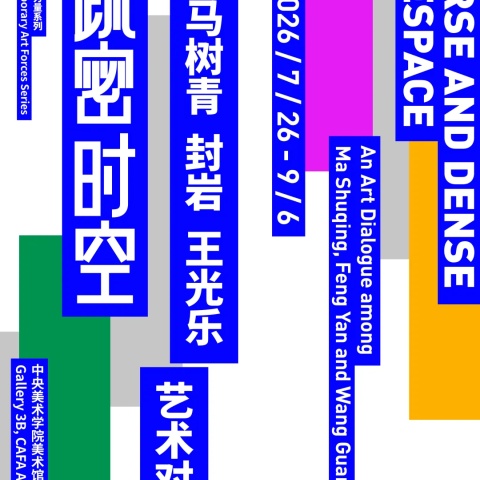

Exhibition | Spacing and Time: An Artistic Dialogue Between Ma Shuqing, Feng Yan, and Wang Guangle – The First Exhibition of Contemporary Art Power at the CAFA Art Museum
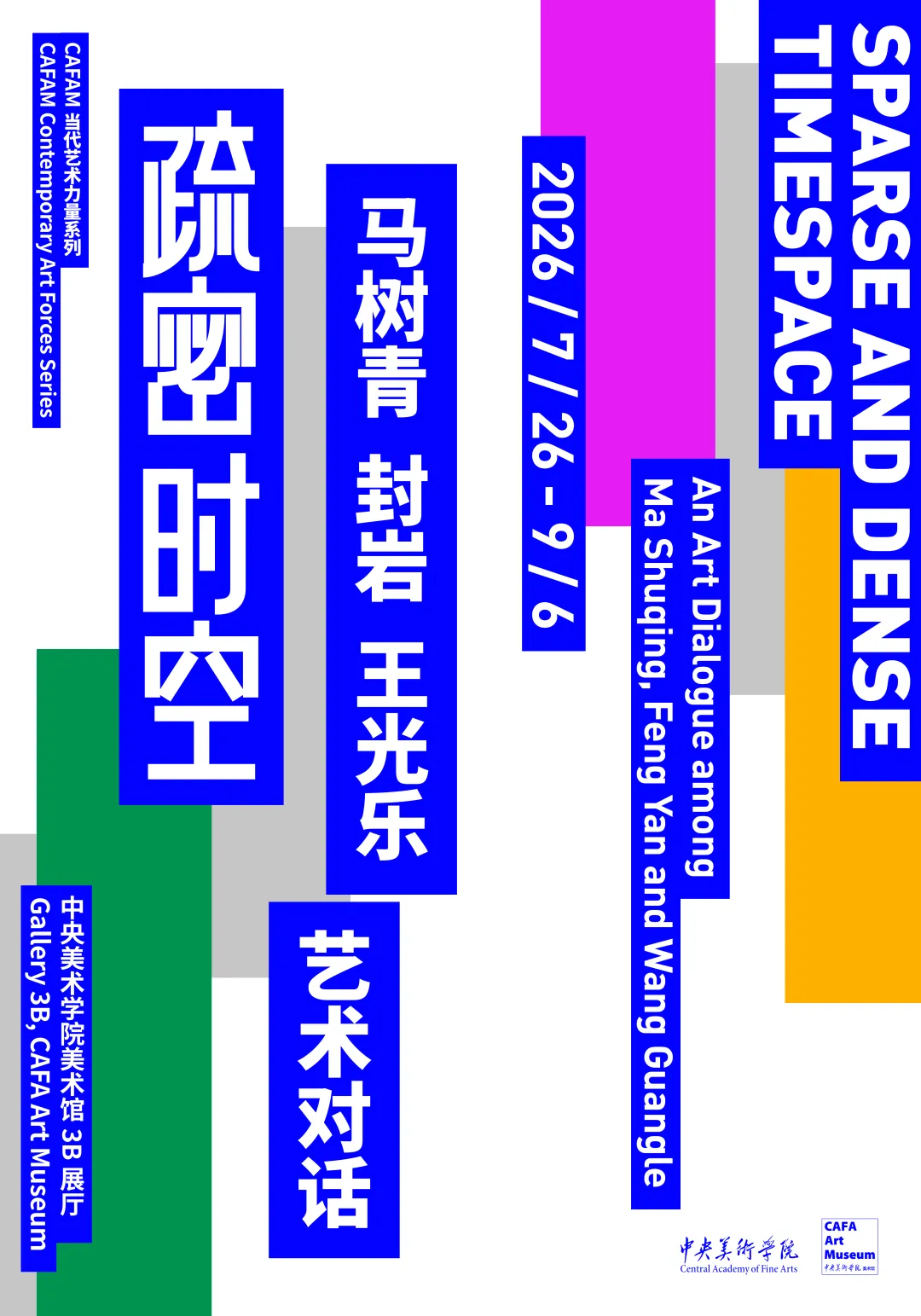
Space and Time: An Artistic Dialogue Between Ma Shuqing, Feng Yan, and Wang Guangle
Organizer: Art Museum of the Central Academy of Fine Arts
Opening time: 4:00 PM, Sunday, July 26, 2025
Opening/Exhibition Venue: Hall 3B, CAFA Art Museum
Exhibition Dates: July 26 - September 6, 2026
"Dense and Sparse Space-Time: An Artistic Dialogue between Ma Shuqing, Feng Yan, and Wang Guangle" is the inaugural exhibition of the "CAFAM Contemporary Art Power Series" at the Central Academy of Fine Arts Museum.
The exhibition brings together three artists who have dedicated decades to their respective paths, not because their styles are similar, but because...They all possess a quality that is rarely seen today:To advance continuously and deeply in the same direction.
The works of all three artists ultimately present an abstract appearance, but abstraction was not a direction they deliberately chose.
Ma Shuqing, born in the 1950sSince studying in Germany in the late 1980s, I have focused on the relationship between color and space for more than 30 years, allowing pigments to become a carrier of time and space through repeated layering.
Feng Yan, born in the 1960sMoving between photography and painting, capturing overlooked details from everyday objects, making the act of viewing itself the core of creation.
Wang Guangle, born in the 1970sStarting with a beam of light and a terrazzo floor, the daily painting and waiting are transformed into a creative method, making time the most essential material in the work.
The three people do different things and care about different issues, but they have all gone deep into their respective fields.
This exhibition includes individual sections for each of the three artists, as well as three specially designed "dialogue" areas.—“Similar Forms, Different Paths,” “Harmony and Monologue,” “Imprints and Layers.” This setup transforms the exhibition from a static display into a dynamic exchange of ideas. Viewers are not passively receiving conclusions, but actively discovering connections and differences between the two groups of works.
In the context of Chinese contemporary art, which has long been dominated by social issues and narrative content,The practices of these three artists have paved a relatively marginal path, which makes it all the more precious.They continuously reflect on and advance within the language of art itself. Their works do not seek immediate impact, but rather withstand prolonged contemplation.
Curator Jin Jun said,This exhibition aims to convey the message that while everyone focuses on change, we also need to pay attention to qualities that require long-term accumulation—focus, perseverance, and the ability to persistently question a problem. It also hopes to let more people see that behind those seemingly quiet scenes lies abundant thought and enduring vitality.
As the starting point of the "CAFAM Contemporary Art Power Series", this exhibition is just the beginning.We look forward to this platform providing opportunities for more independent and steadfast artistic paths to meet and engage in dialogue in the future. Welcome to the exhibition hall, where you can witness three different kinds of perseverance amidst the interplay of density and sparseness, and within the confines of time and space.
Ma Shuqing: The Colors of Time and Space
"I believe in painting." Ma Shuqing said this lightly, but he has practiced it for decades.
The sides of the artwork bear layers of solidified color. Each layer of color constructs spatial depth and records the passage of time—the process gains a visible form through the alternation of colors.
Ma Shuqing doesn't always work on canvas. Wood, paper, resin—the materials change, but his approach to color remains consistent.Color only gains freedom when it is stripped of its weight of meaning and reduced to a neutral material form.
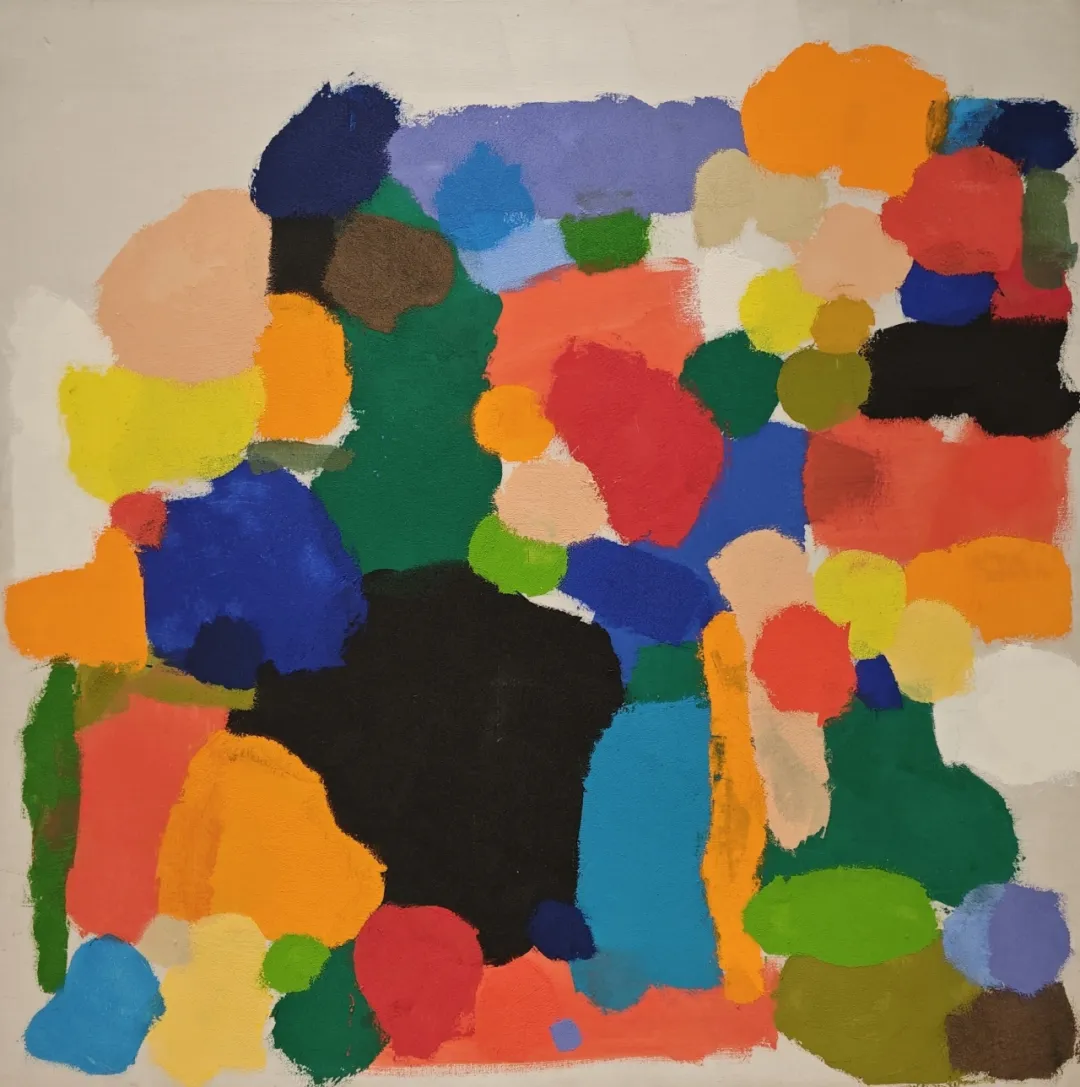
Ma Shuqing, Reminiscences of Provence 05-2026, 250×250cm, Acrylic linen, 2026
The "Superimposed" series exemplifies this, as does the "Concave-Convex" series—allowing painting to slightly break free from the limitations of two-dimensionality. The "Provence" series, on the other hand, transforms the distant into color and structure.
Ma Shuqing often said, "View by touch." Only look at the depressions and ridges of the painting, and observe how light falls on the surface. The brain stops speaking, and only then do the eyes truly begin to appreciate.
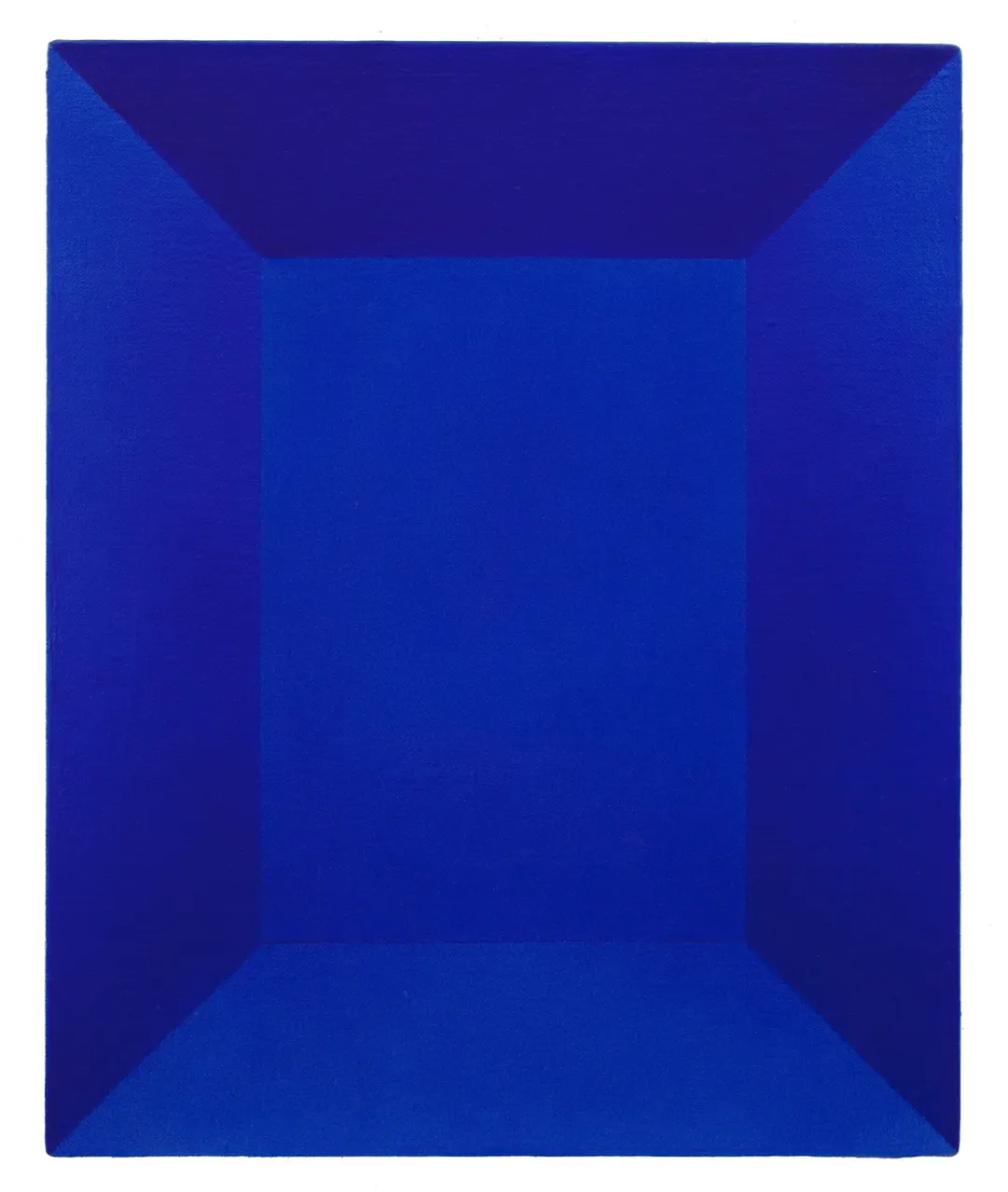
Ma Shuqing, Weekday 1, 110×140cm, Mineral pigment, Acrylic medium, 2026
In his studio, the works are always in an unfinished state. He often doesn't know when a painting will be finished; sometimes it takes months, waiting for that moment that even he cannot predict. Even when hanging in an exhibition hall, they remain open to time.
Sealing Rock: Development and Generation in Painting
Feng Yan's paintings do not originate from the evolution within the painting tradition, but are a "photographic translation" rooted in the experience of film photography. Photography here is not a visual form, but an image generation mechanism consisting of negatives, development, and inversion. The image is not completed instantly, but gradually emerges in the context of materials, time, and physical conditions.
Feng Yan introduced the principles of photographic development into acrylic painting, using water, gravity, and pigments as the conditions for creation. He consciously relinquished complete control over the image, allowing it to be generated between human intervention and natural laws.The white areas, blank spaces, and tonal shifts in the image respond to the inverted structure of the negative, making painting a continuously evolving process.
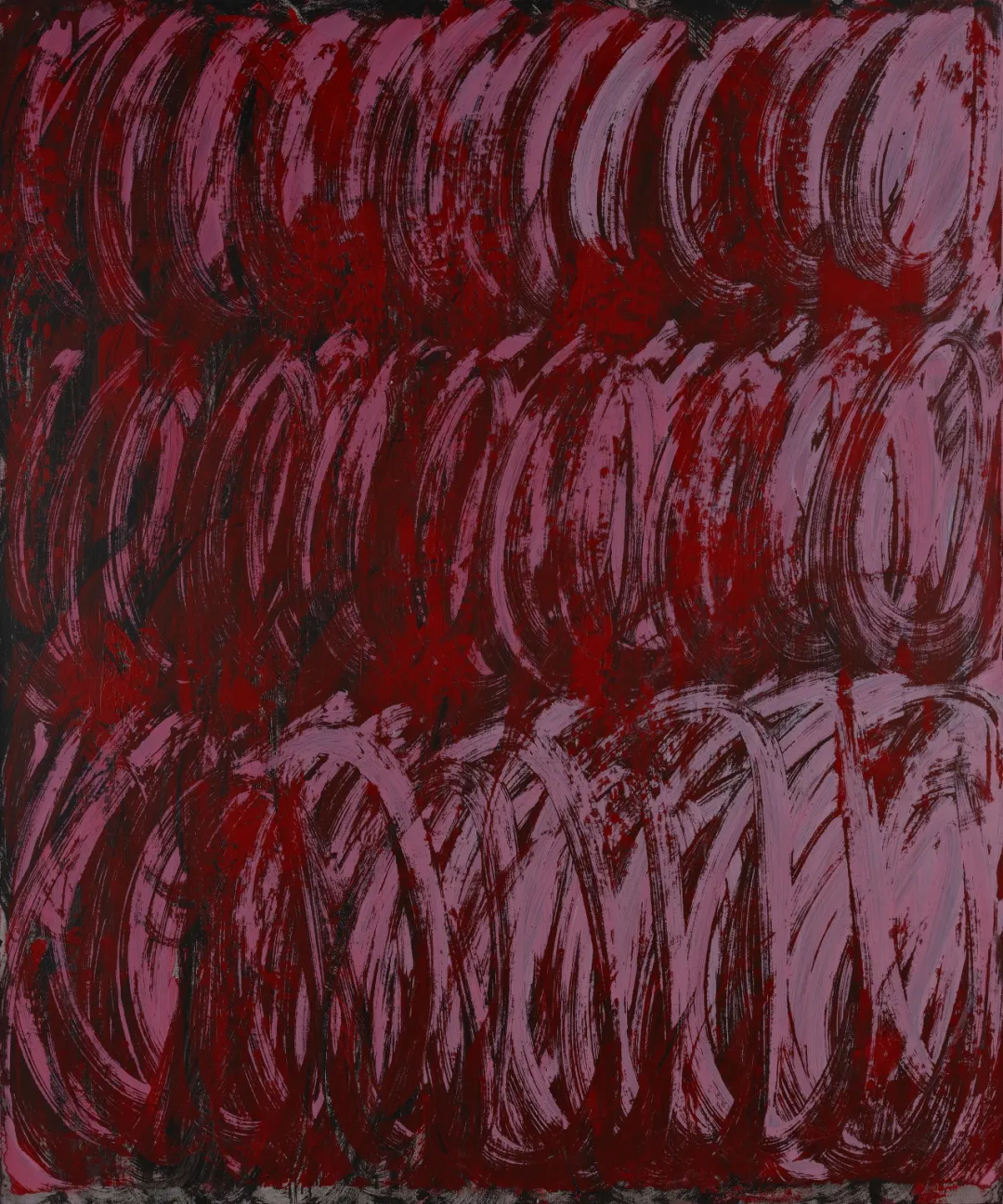
Sealing Rocks, Untitled 8735, 180×150cm, Acrylic on canvas, 2017
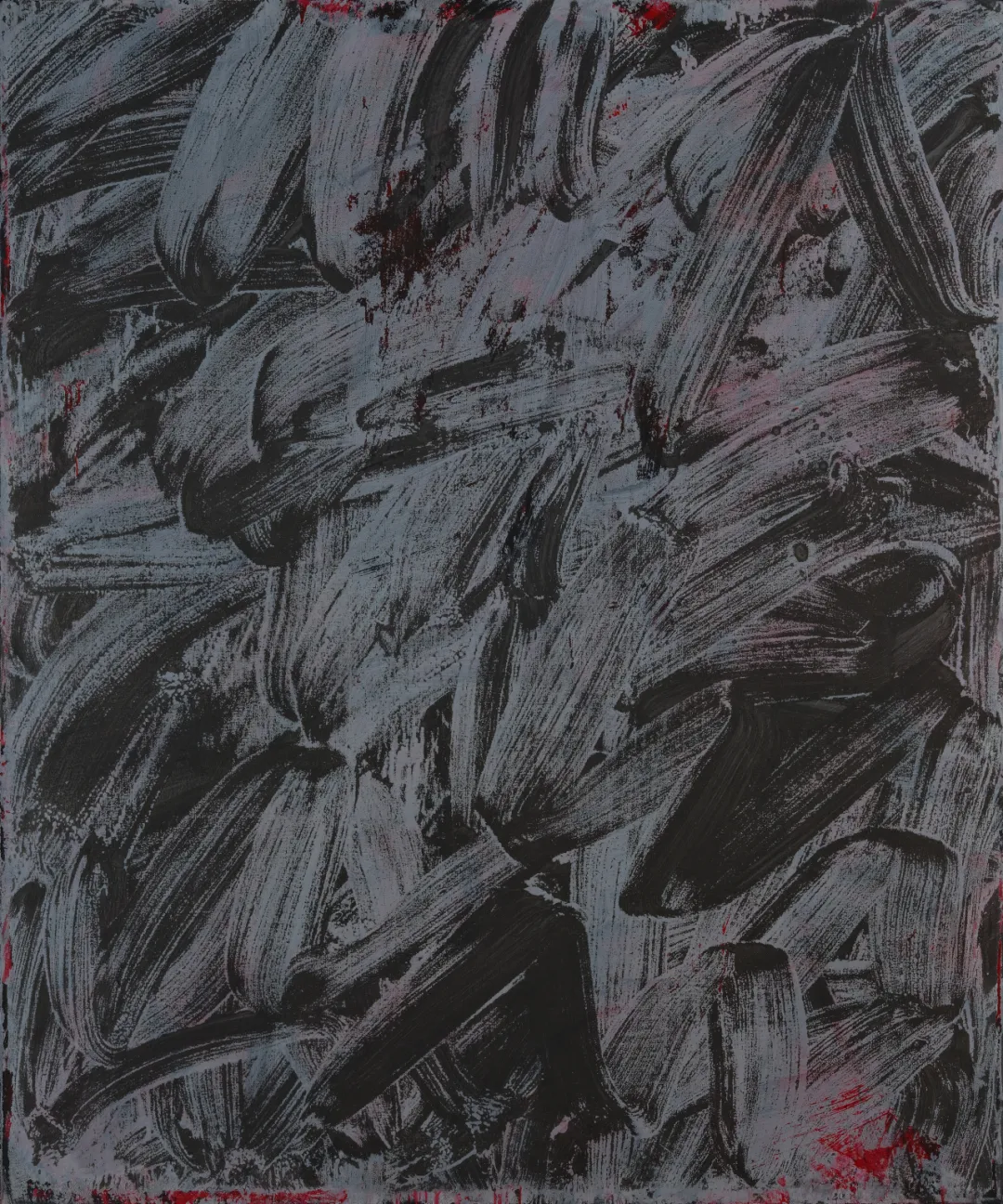
Sealing Rock, Untitled 8625, 180×150cm, Acrylic on canvas, 2015
From photographs “the side of painting” to “deep grass of Tang tombs”, Feng Yan has always focused on how time acts on matter and transforms traces into images.When painting once again became the object of photographic observation, he completed a cross-media journey:Images are no longer just results, but states that are constantly being generated between time, materials, and reality.
Wang Guangle: The Abstraction of Growth
For Wang Guangle, creation is a vehicle for ideas.
In the "Afternoon" seriesA beam of light shines into the room, moving across the floor over time. Slowly, he begins to question: how is time seen, and how does existence manifest itself in continuous action?
Such thinking accompanied Wang Guangle's various series of natural outputs.
TerrazzoHe was moved from the background to the foreground. Through repeated depictions, he realized that time was not the subject matter to be represented, but rather the creative process itself.
"Longevity Lacquer" SeriesCustoms were transformed into methods of painting.
The "Untitled" seriesFrom polychrome to monochrome, from image to texture, subtraction makes his paintings increasingly closer to the material form of time itself.
Wang Guangle, 120705, 180×160cm, Acrylic on canvas, 2012
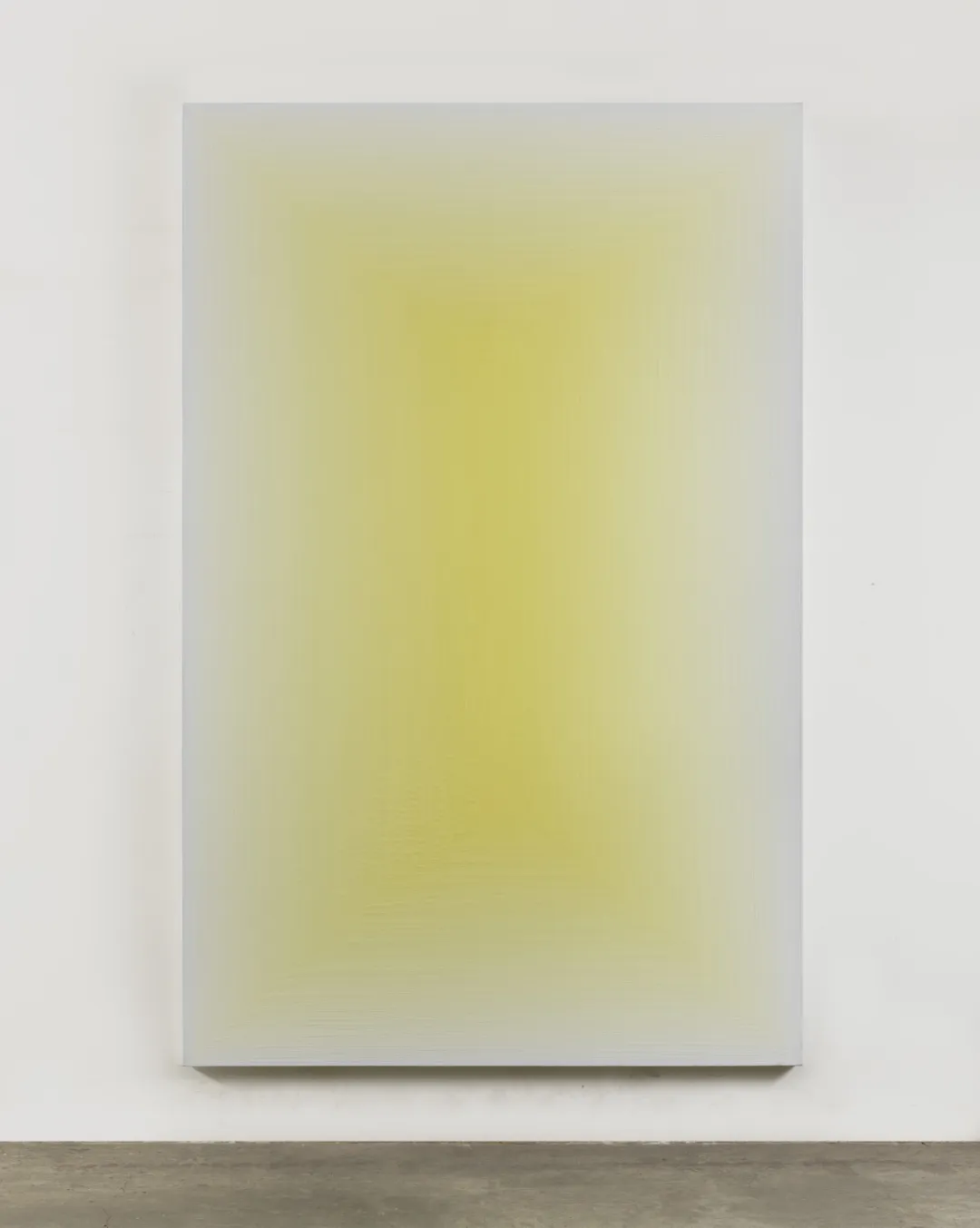
Wang Guangle, 160114, 280×180cm, Acrylic on canvas, 2016
In the process of creating each work, he sets rules within a rational framework, consciously relinquishing absolute control over every stroke, allowing gravity, humidity, and time to become his accomplices.
Each stroke on the canvas is a moment, constantly converging, making painting a natural result of the growth of ideas.
Exhibition Information
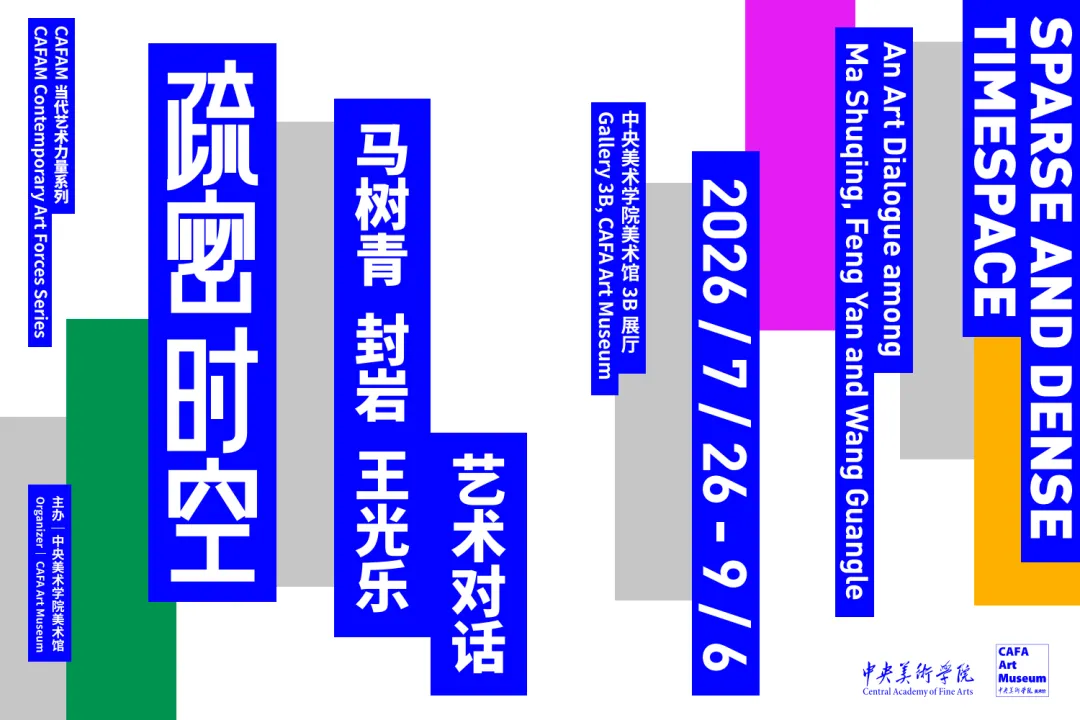
CAFAM Contemporary Art Power Series
Space and Time: An Artistic Dialogue Between Ma Shuqing, Feng Yan, and Wang Guangle
Opening time: 4:00 PM, Sunday, July 26, 2025
Opening Venue: Exhibition Hall 3B, CAFA Art Museum
Exhibition Dates: July 26 - September 6, 2026
Exhibition Venue: Hall 3B, CAFA Art Museum
Organized by: Art Museum of the Central Academy of Fine Arts
Stay tuned to ArtPro for the latest updates on the global art market.