Asia Week Spring 2021 in New York | Sotheby's New York Highlights Preview
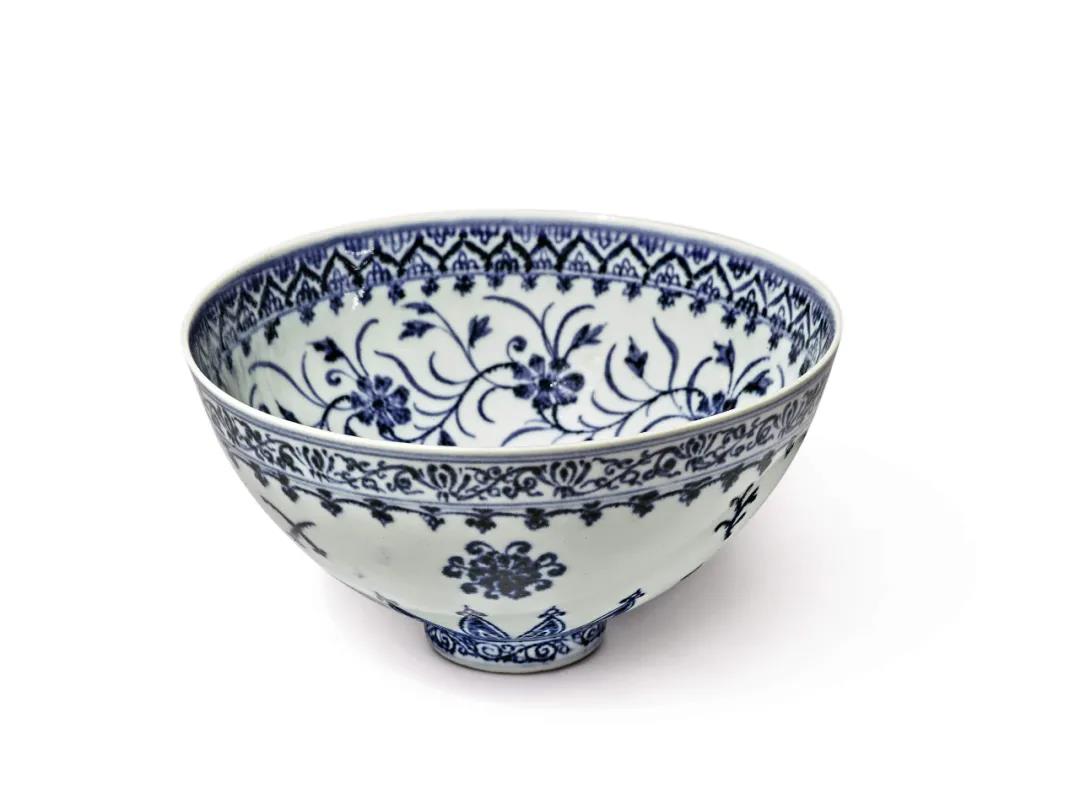
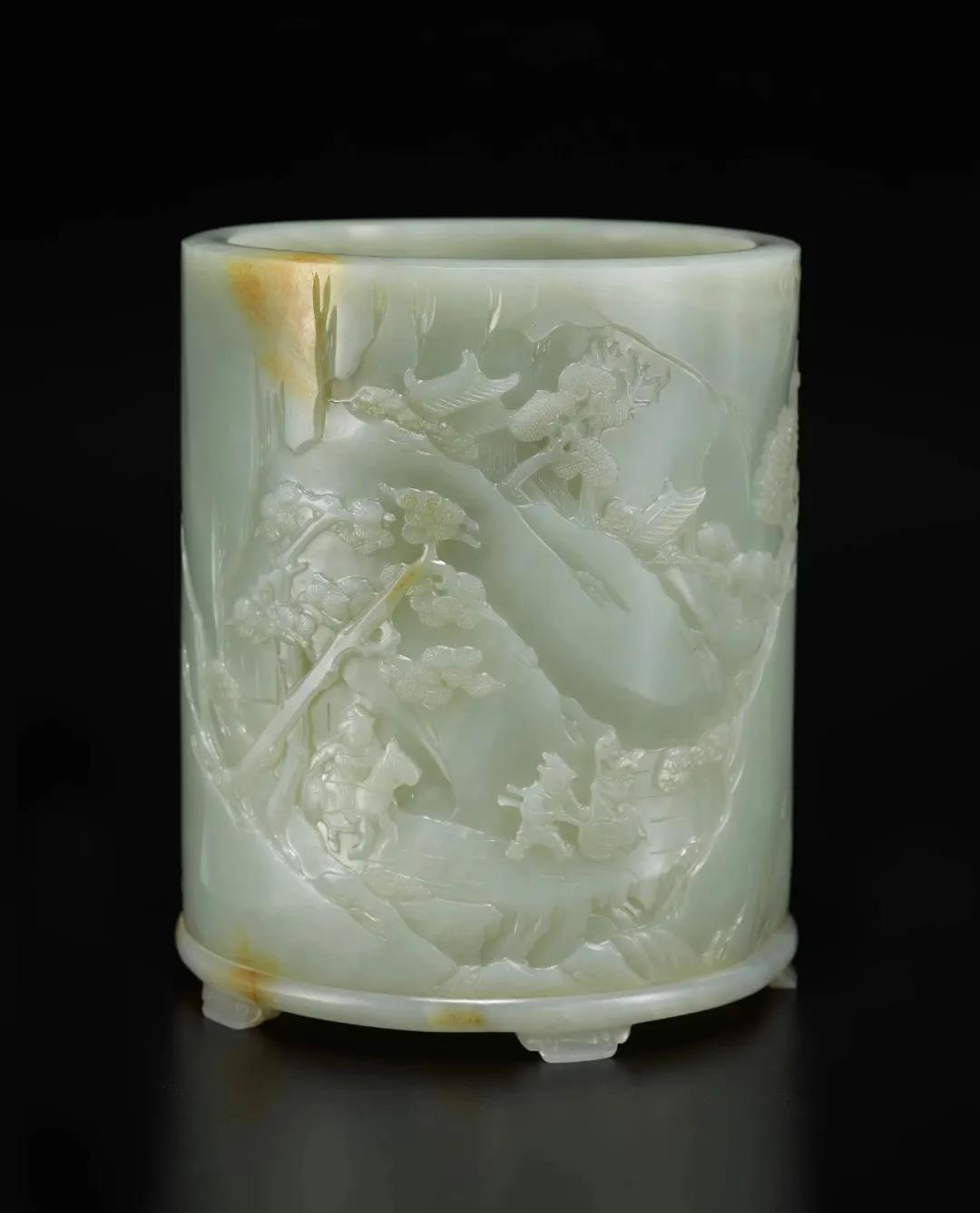
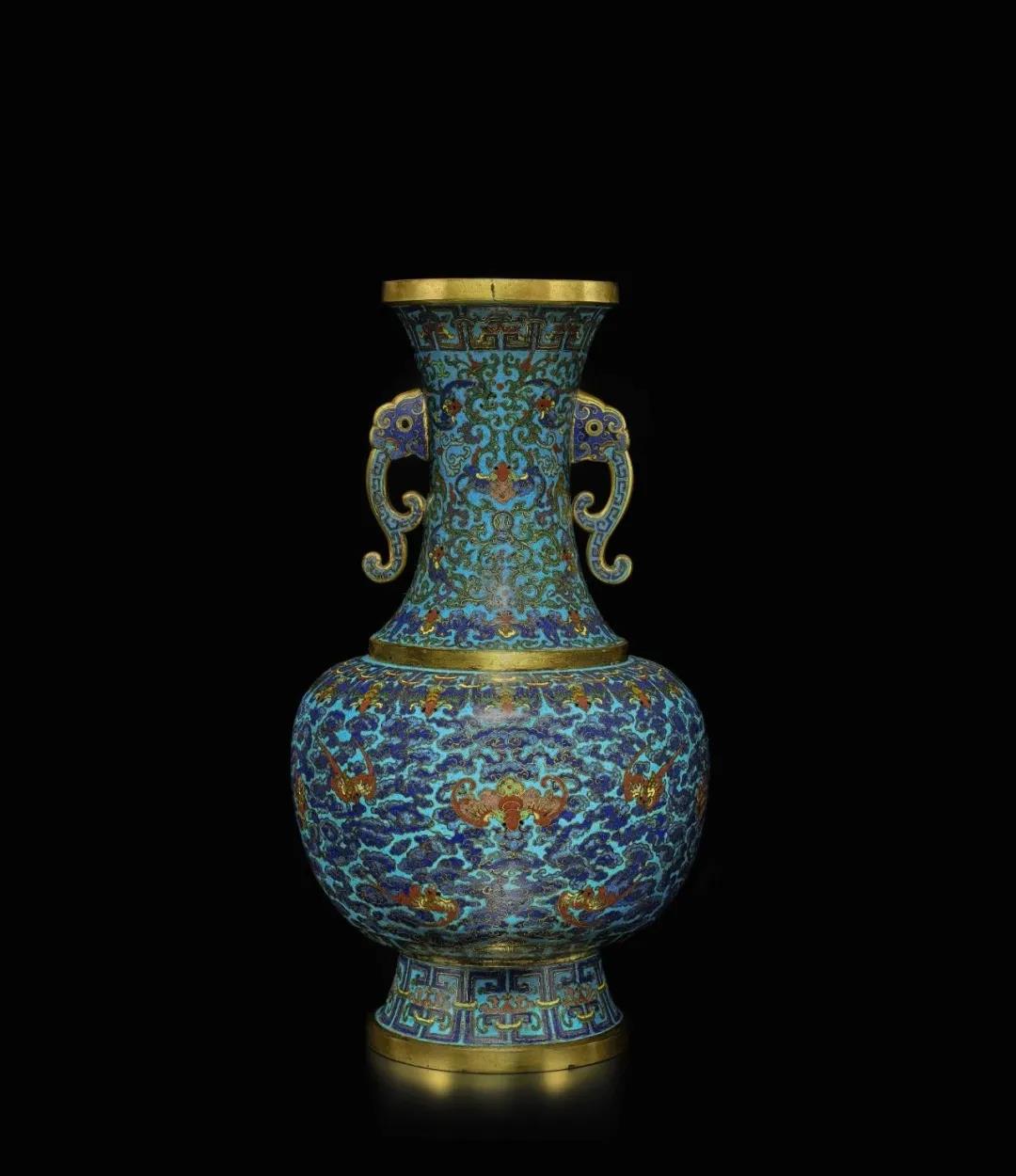
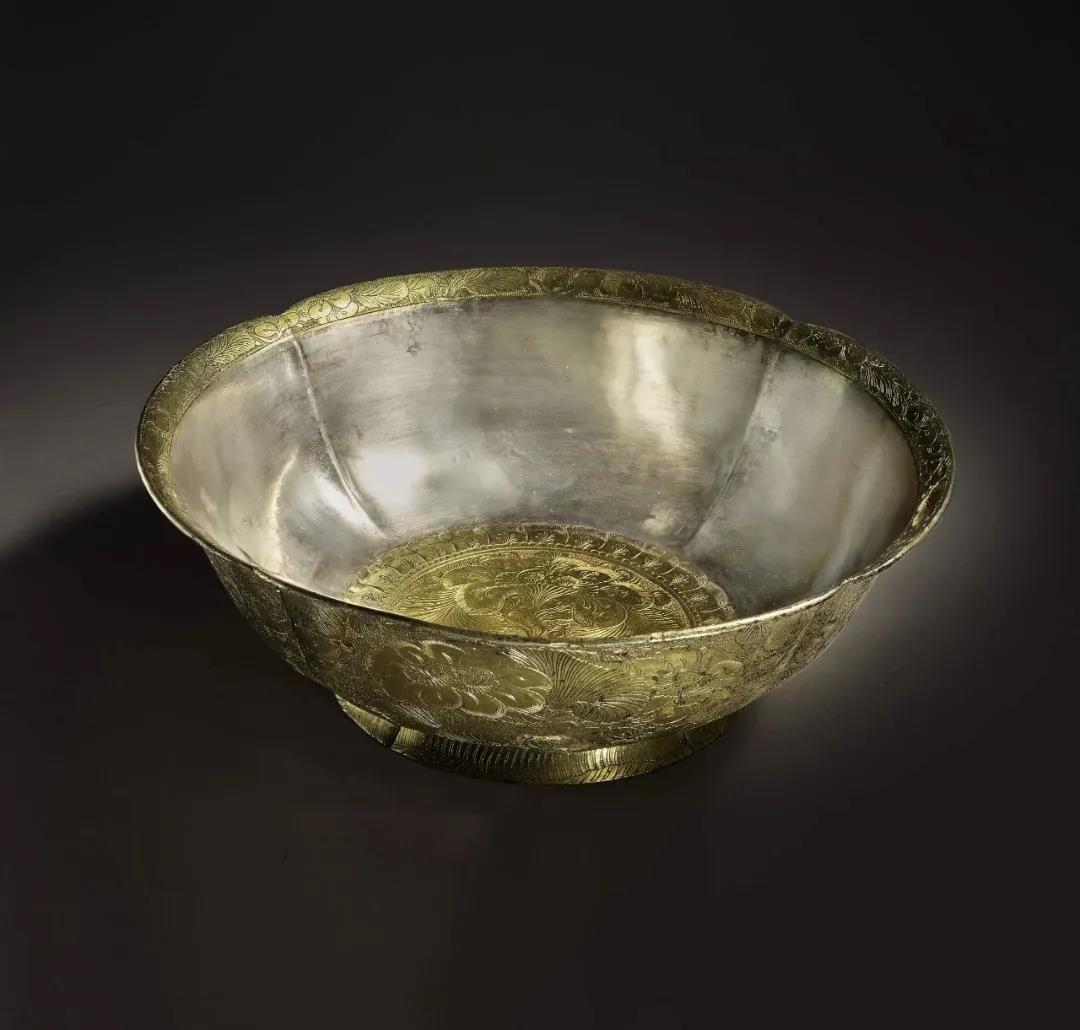
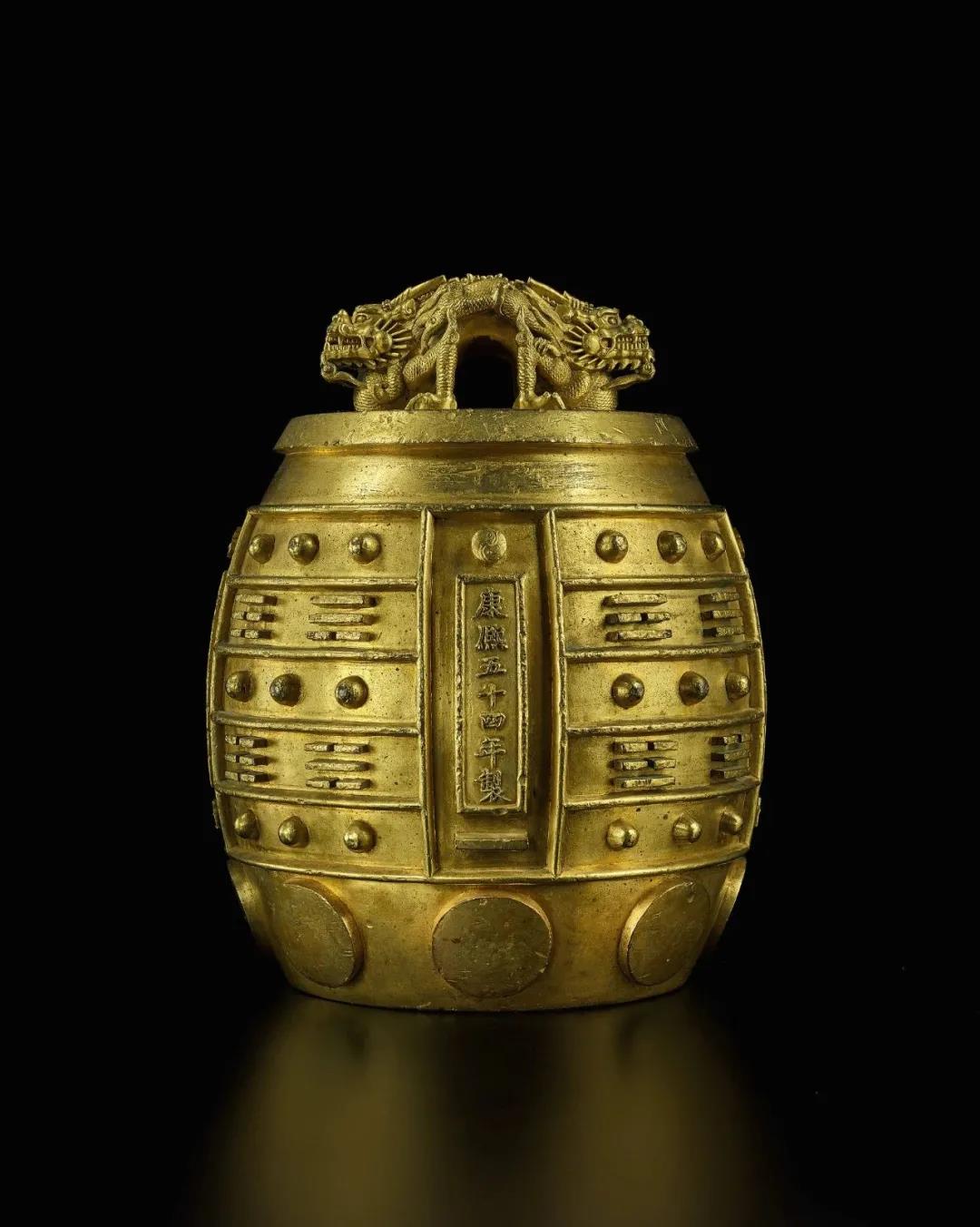
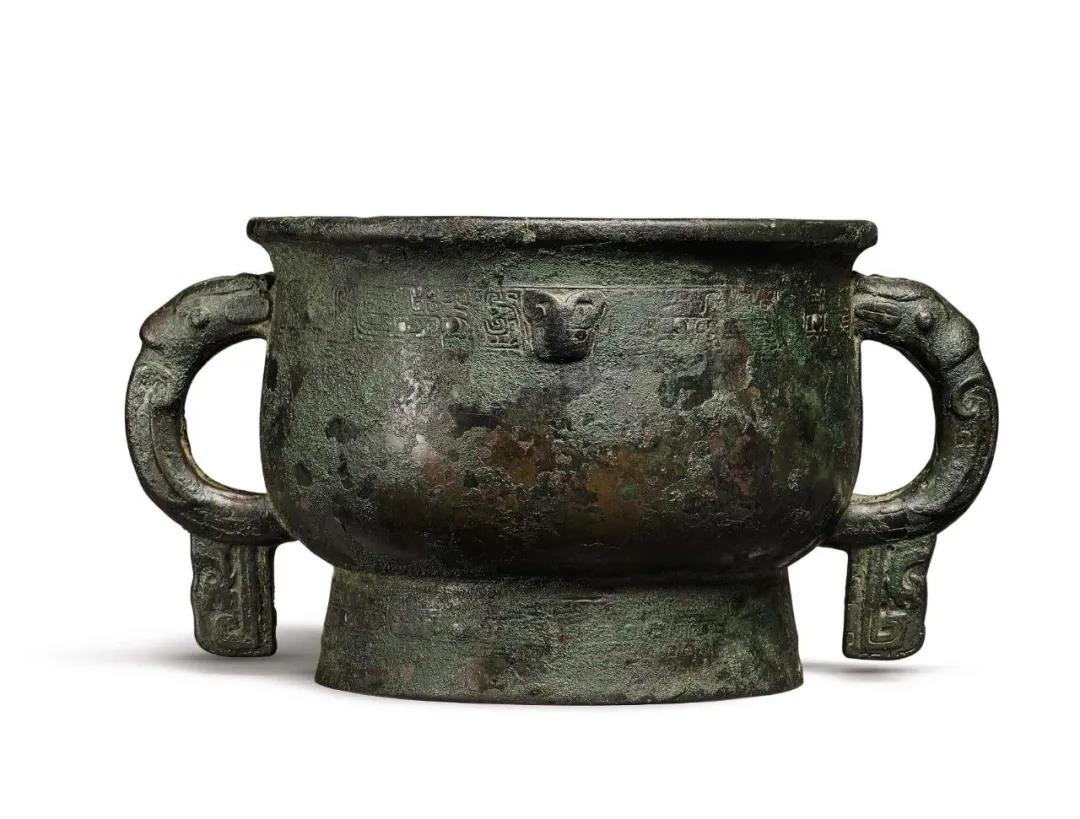
Sotheby's New York is delighted to offer a diverse array of Asian art spanning 4000 years of history, Leading the Sotheby’s Asia Week sale series in March is a remarkable selection of Imperial jades and cloisonné enamels produced during the Ming and Qing dynasties from the Brooklyn Museum, sold to support museum collections. This distinguished group of works include an Imperial Qianlong period white and russet jade brushpot from the Woodward Collection and a group of cloisonné enamels from the world-renowned Samuel P. Avery, Jr. Collection, led by an exceptionally rare ‘bats and clouds’ cloisonné enamel vase. The Important Chinese Art auction highlights include two early Ming dynasty blue and white masterworks, a superb and important parcel-gilt silver ‘lotus and pomegranate’ bowl from the collection of Stephen Junkunc III, an important documentary archaic bronze Gui from the late Shang dynasty, early ceramics and Qing imperial works of art including a gilt-bronze temple bell dated to the 54th year of the Kangxi reign.
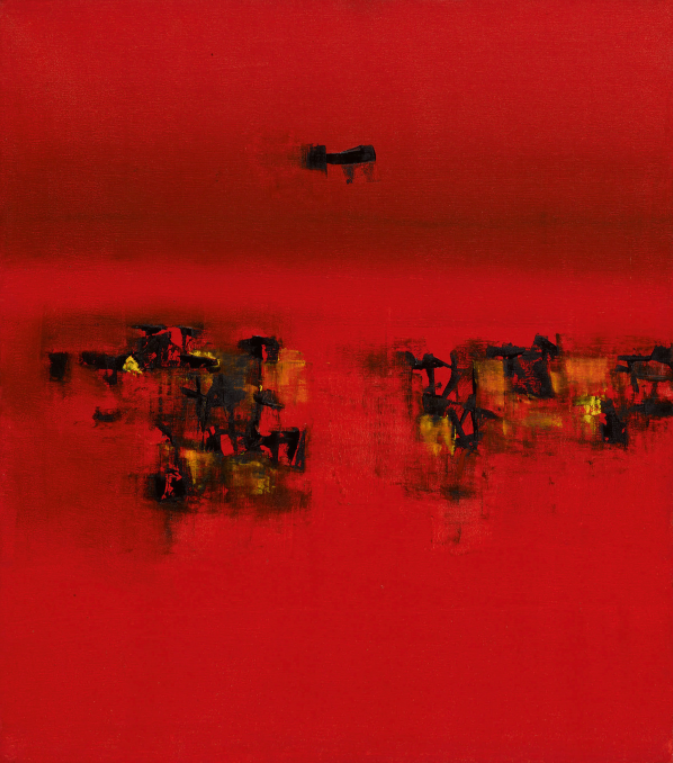
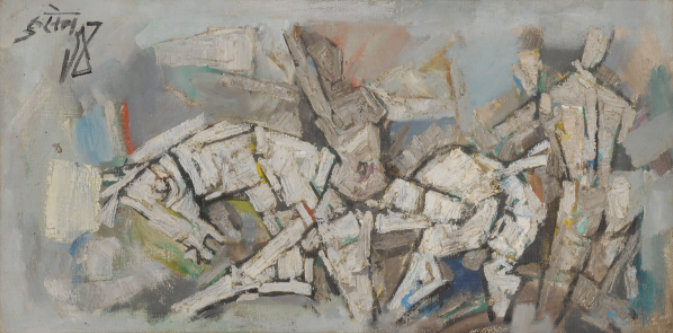
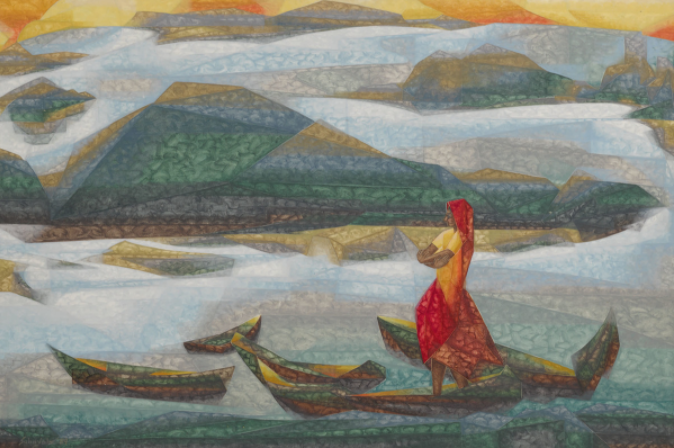
The sale of Modern and Contemporary South Asian Art is led by two paintings - Vasudeo S. Gaitonde’s Untitled (1962) and Jehangir Sabavala’s Lone Vigil (1989), both works have been in their respective private collections for more than three decades. The auction features property from other significant private collections, including the Patwant Singh and Romen & Rasil Basu Family Collection and that of renowned art critic George Butcher. The sale week will conclude with the online sale of Hundred Antiques: Fine and Decorative Asian Art, presenting over 190 Chinese, Japanese, Korean, Indian and Himalayan works of art and paintings.
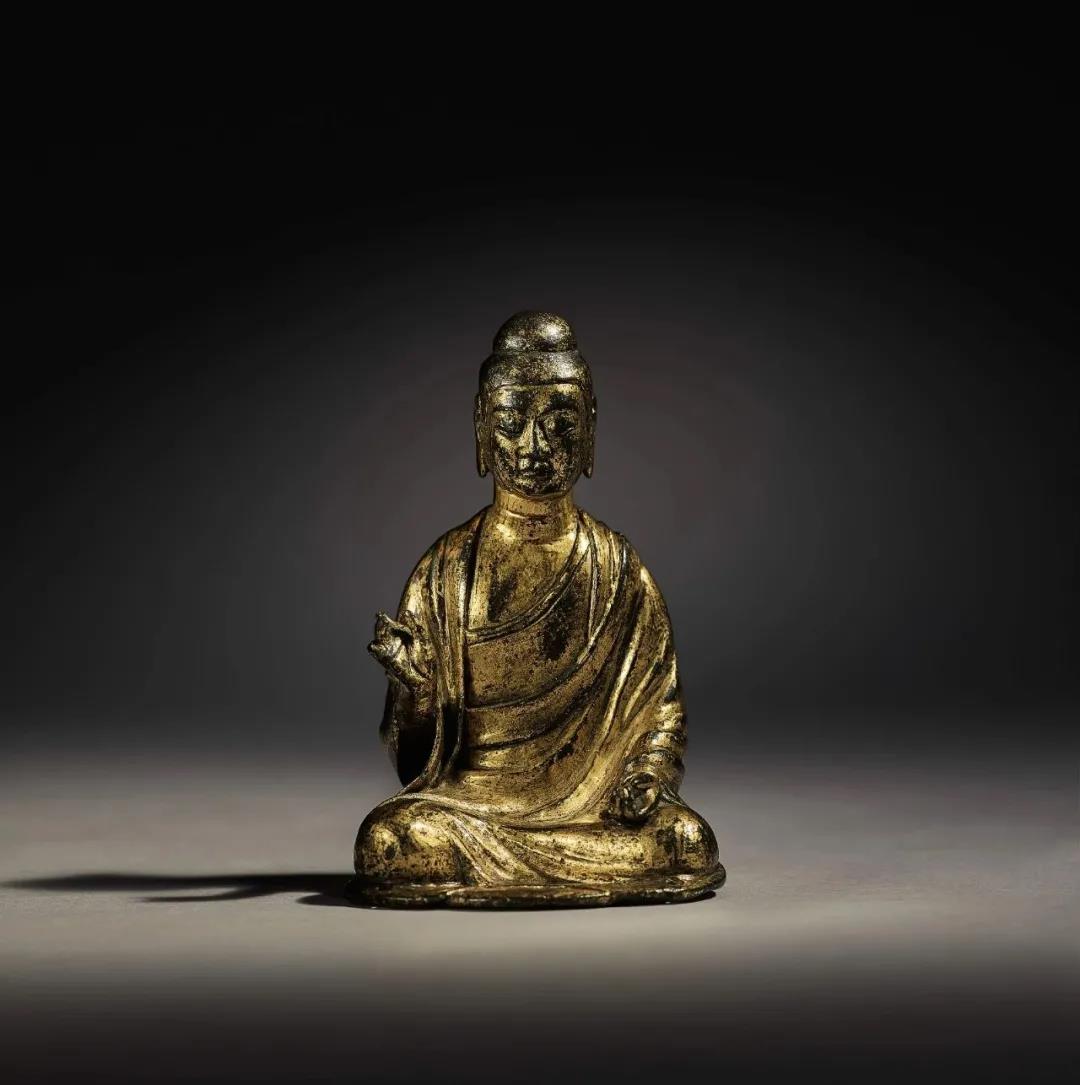
Concurrently, Sotheby’s is honored to present Reflection and Enlightenment: An Exhibition of Chinese Buddhist Gilt-Bronzes from the Jane and Leopold Swergold Collection, a special exhibition featuring 25 early Chinese Buddhist gilt-bronzes. Formed by a couple who advanced the understanding of this esoteric field in the West, each of the twenty-five bronze sculptures in the collection are unique works of art in themselves, endowed with the dynamic elasticity of movement emanating from the sensitivity of the Indian tradition. As a group, they also encapsulate the development, sinicization and maturity of Chinese sculptural art.