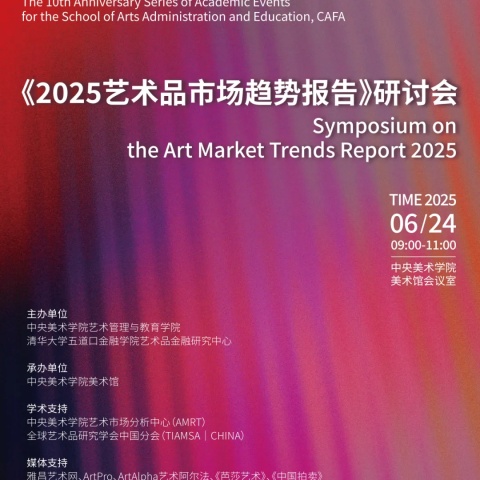

In-depth | Focus on change and explore the future together. The "2025 Art Market Trend Report" seminar was held at the Central Academy of Fine Arts
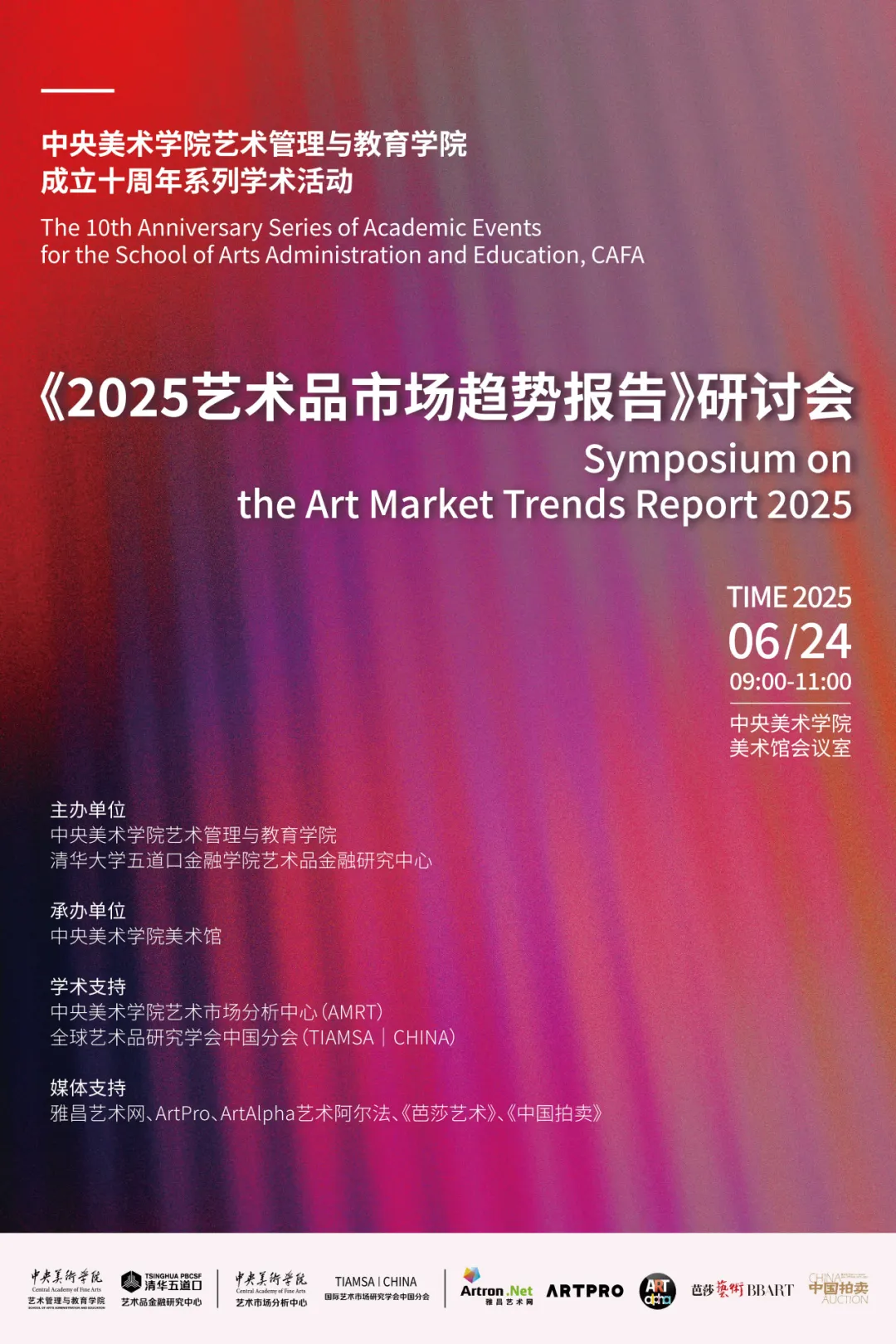
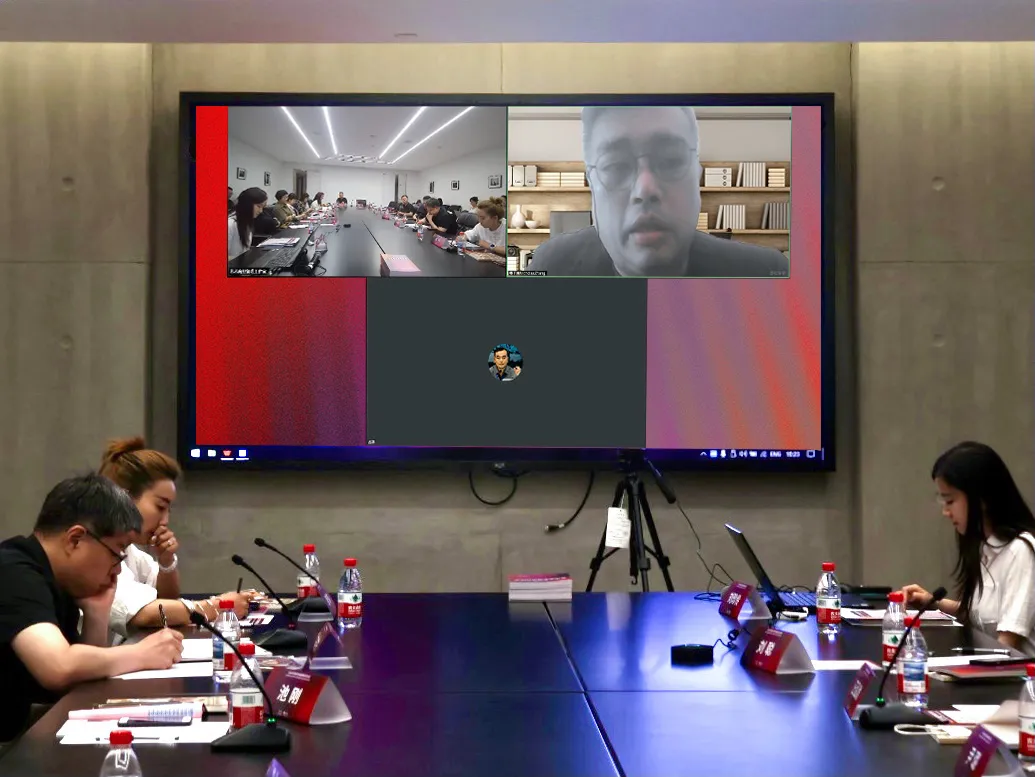
Coinciding with the 10th anniversary of the establishment of the School of Art Management and Education of the Central Academy of Fine Arts, as one of the 10th anniversary commemorative activities, the "2025 Art Market Trend Report" seminar was successfully held at the Central Academy of Fine Arts Art Museum on June 24, 2025. Fourteen industry experts were specially invited to attend the conference, which was jointly sponsored by the School of Art Management and Education of the Central Academy of Fine Arts and the Art Finance Research Center of Tsinghua University's PBC School of Finance, hosted by the Central Academy of Fine Arts Art Museum, and provided academic support by the Central Academy of Fine Arts Art Market Analysis Center (AMRT) and the China Chapter of the Global Art Research Society (TIAMSA|CHINA), and media support by Artron Art Network, ArtPro, ArtAlpha, Bazaar Art, and China Auction.
At the meeting, the report production team shared the core results of the "2025 Art Market Trend Report", with the main purpose of in-depth analysis of key issues in the art market and judgment of the market development direction. The content covers core trading markets, emerging sector dynamics, technological innovation, industrial ecology, policy systems and social and cultural changes, which aroused a high degree of consensus and positive affirmation from experts. In the discussion session, experts and scholars also conducted in-depth dialogues on cutting-edge issues in the art market, promoted cross-field exchanges and collaborative innovation in the art market, and promoted the sustainable innovation and development of the art market ecology.
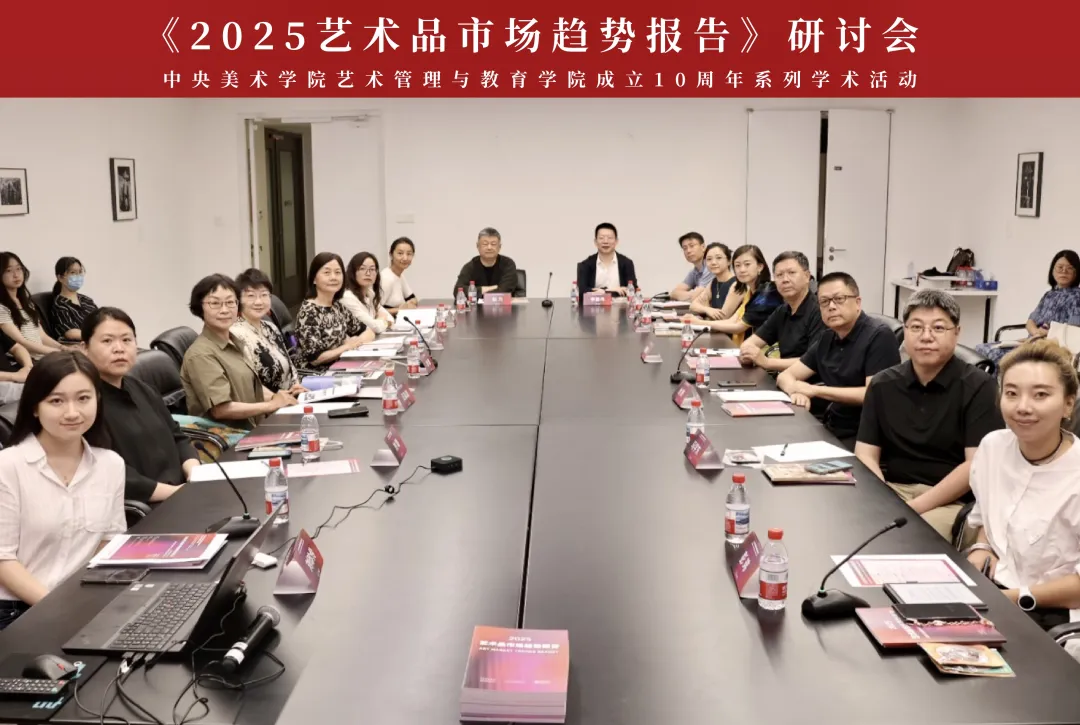
Agenda content
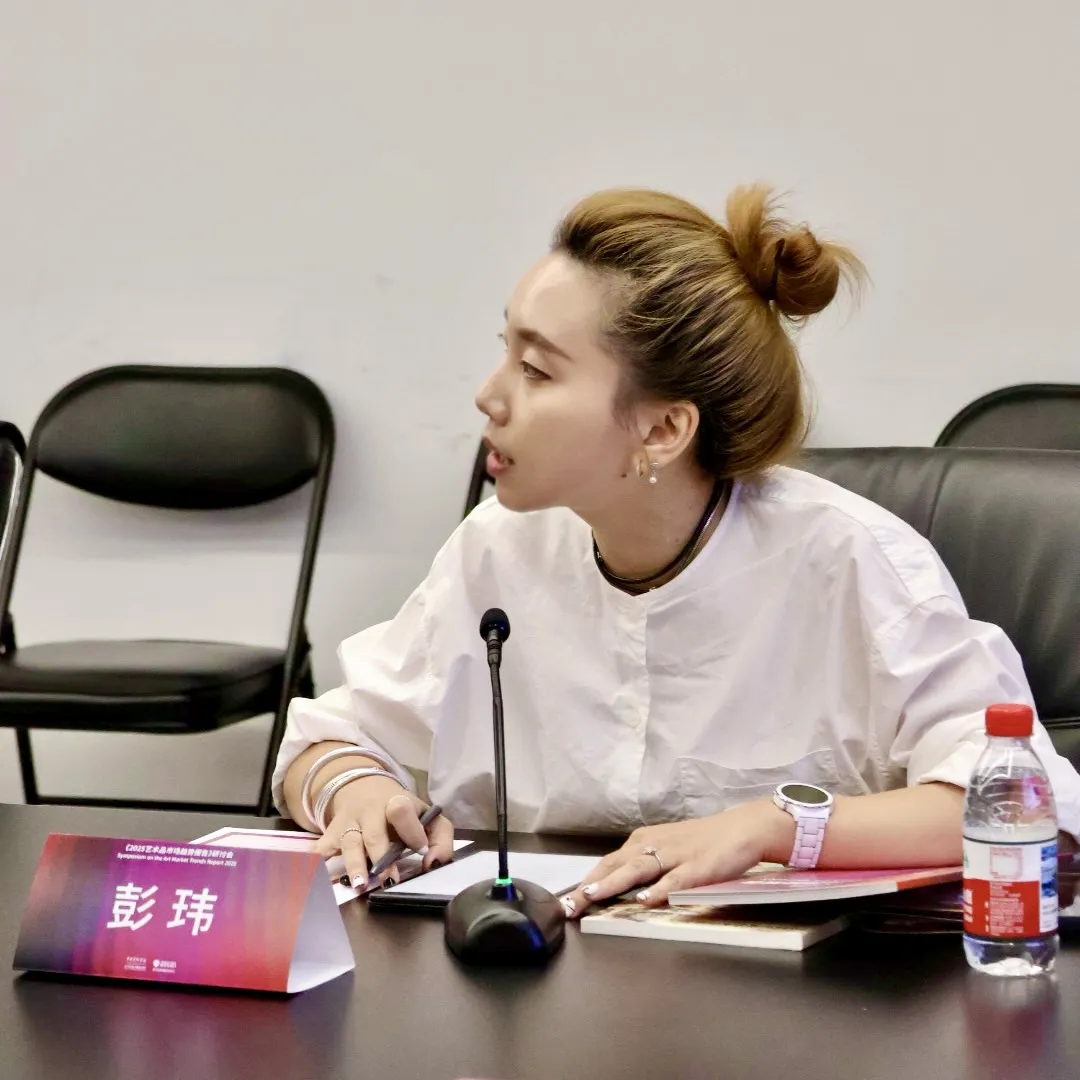
Postdoctoral fellow, associate researcher at the Central Academy of Fine Arts, co-founder of Young Art 100
Opening Remarks
During the meeting, Han Wenchao, Secretary of the Party Branch of the Central Academy of Fine Arts Art Museum, and Li Jianwei, Director of the Art Finance Research Center of Tsinghua University’s PBC School of Finance, spoke highly of the report for gathering the wisdom of many parties, emphasized the importance of academic and market interaction to the development of the industry, and called on all parties to continue to deepen cooperation and jointly promote the high-quality development of the art market.
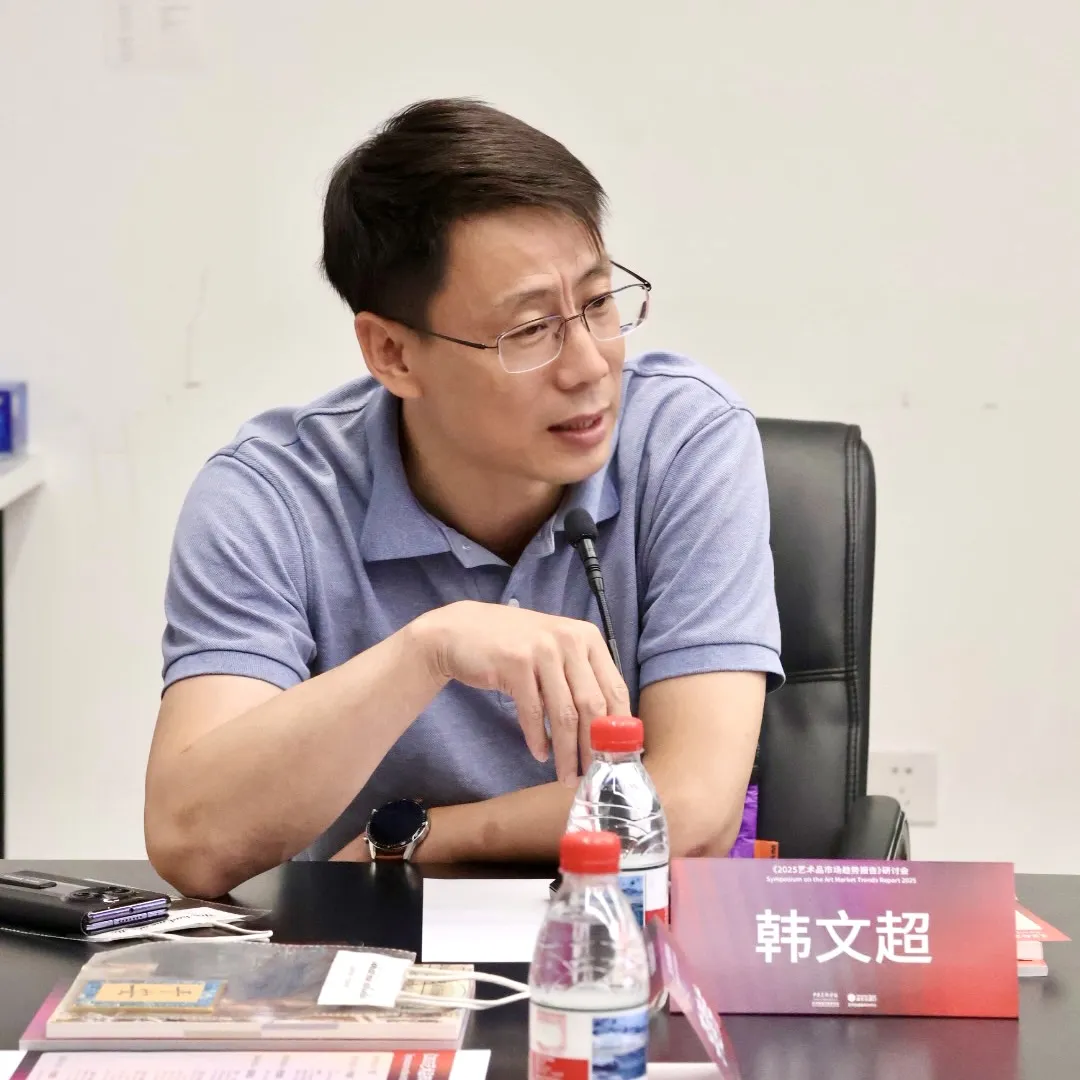
Secretary of the Party Branch of the Central Academy of Fine Arts Art Museum
Secretary Han Wenchao pointed out that although art museums do not directly participate in market transactions, they play a key role in the identification of artistic value and the promotion of public culture. Through the establishment of a collection system and a value assessment mechanism in the exhibition of works, art museums identify artworks from an academic standpoint, which objectively affects the circulation and pricing of the art market. The data analysis of the art market also provides an important reference for art museums, forming a dynamic and interactive art ecology. He pointed out that the release of this report not only brings together the strengths of CAFA, Tsinghua PBC School of Fine Arts, etc., but also highlights the new direction of the integration of art and finance.
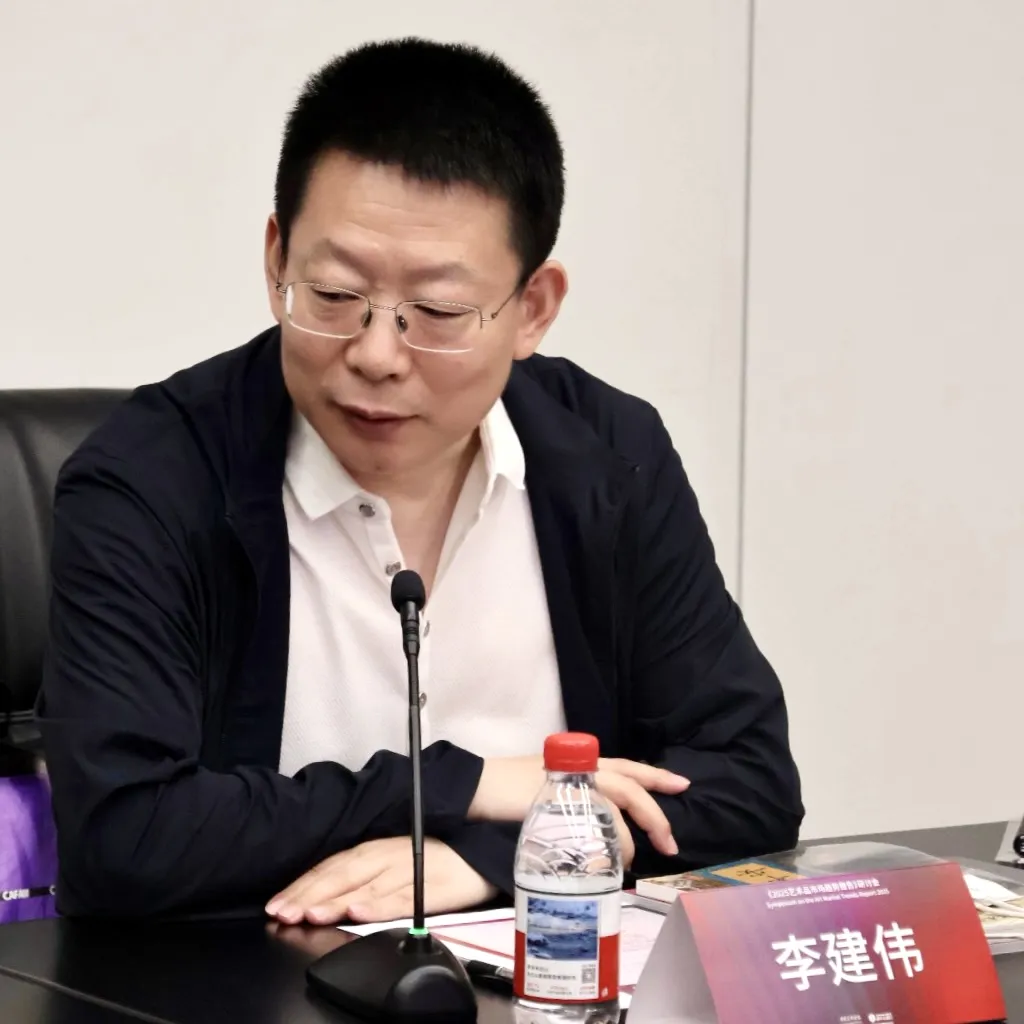
Director of Art Finance Research Center, Tsinghua University PBC School of Finance
Director Li Jianwei first expressed his sincere gratitude to the experts, scholars and partners who have long supported the release of the report on behalf of the report. He further pointed out that the Art Finance Research Center of Tsinghua University PBC School of Finance has gradually carried out systematic art market research. As a research institution in the field of financial management, the deep complementarity of the Tsinghua University team and the Central Academy of Fine Arts in academic accumulation has laid a solid foundation for promoting the integration of research and practice in the art market. In the face of various uncertainties in the world today, a rigorous and forward-looking market report not only helps to understand industry changes, but also provides strong support for research institutions, practitioners and collectors. In 2025, the Art Finance Research Center of Tsinghua University PBC School of Finance will focus on two key directions: ① Through education and guidance, it will stimulate potential collectors and open up the path for high-net-worth people to enter the art market; ② Explore the possibility of integration between financial instruments and the art market to inject new impetus into the market. He also looks forward to continuing to deepen cooperation with the Central Academy of Fine Arts and experts from all parties in the future to promote higher-quality development of the art market.
Report Interpretation
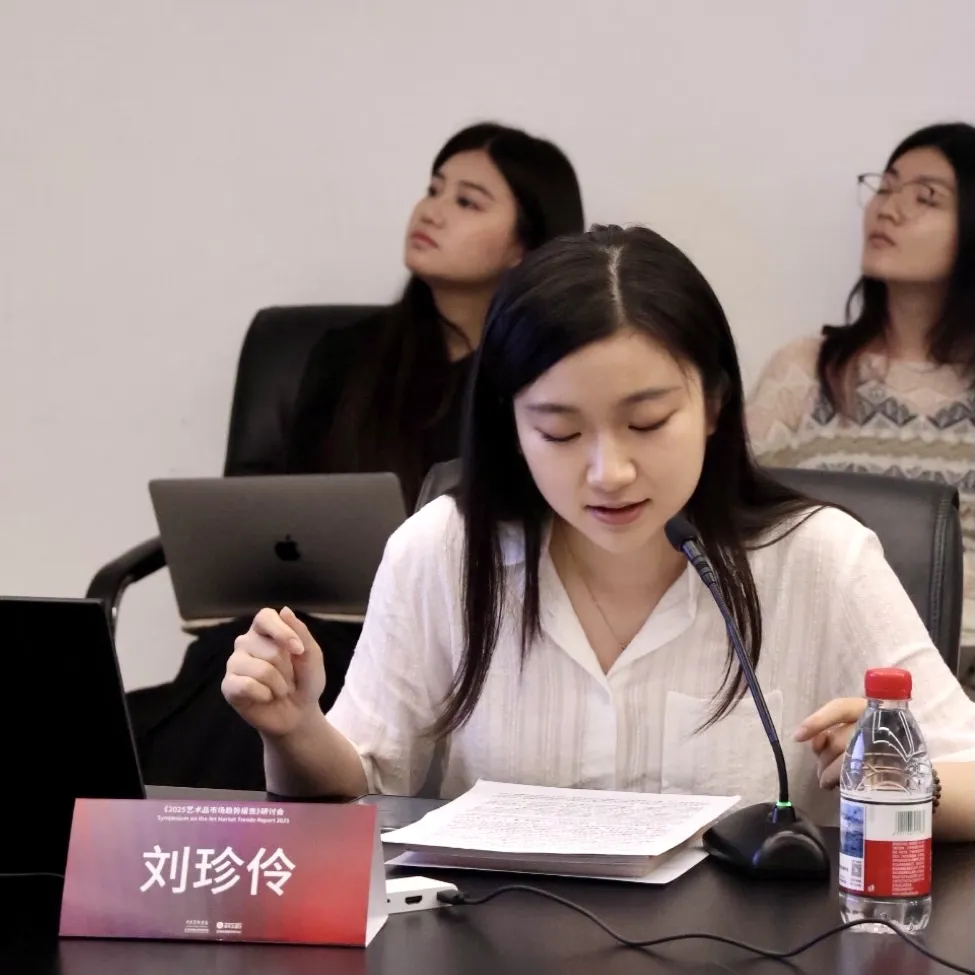
PhD student at the School of Humanities, Central Academy of Fine Arts, editor-in-chief of the 2025 Art Market Trend Report
Liu Zhenling, editor-in-chief of the Report, introduced the basic situation of the 2025 Annual Report and interpreted the main trends, important data and key conclusions. She believes that the report comprehensively collects authoritative industry data, and takes in-depth analysis of key issues in the art market and the direction of market development as the main purpose of the report. It observes the art market from a multi-dimensional perspective, covering core trading markets, emerging sector dynamics, technological innovation, industrial ecology, policy systems and social and cultural changes. It uses industry data and hot cases as the key basis for market analysis and builds a comprehensive market trend analysis framework. In addition, on behalf of the editorial team, Liu Zhenling proposed a development plan for the future organizational construction, research process, platform cooperation and influence expansion of the report, and expressed her expectation to deepen cooperation with experts and scholars to jointly build a cutting-edge analysis platform for the art market.
Guest Talk
「Topic 1: Structural Adjustment of the Secondary Market」
Liu Cong, Secretary General of the Art Committee of the China Association of Auctioneers, Ma Xuedong, Vice President of Guardian Investment, and Chi Gang, former Secretary General of the Beijing Gallery Association, pointed out that the global art market is in a period of deep adjustment: my country's auction market shows a trend of "reducing quantity and improving quality", resources are concentrated in the head, and small and medium-sized auction companies seek differentiation; professional and diversified collector groups drive the market to shift to academic cultivation. The international market is obviously divided, and the changes in global business entities are worthy of attention: the debt of the parent companies of European and American auction houses affects the operating efficiency, and they are pushing for brand upgrading and transaction diversification strategies; the Asian market is developing in a multi-center way, and Hong Kong's dominant position faces challenges from emerging markets such as Seoul and Singapore. In the primary market, gallery sales continue to shrink, art fair exhibitors frequently change, market diversification has aggravated resource dispersion, and traditional galleries face positioning and operation difficulties; at the same time, we need to be vigilant against the risk of market disorder caused by young artists entering the secondary market too quickly. The three experts believe that the future art market will undergo a precipitation process of "eliminating the false and retaining the true", and it is necessary to strengthen academic research and market practice cooperation to help the industry cross the cycle and develop in depth.
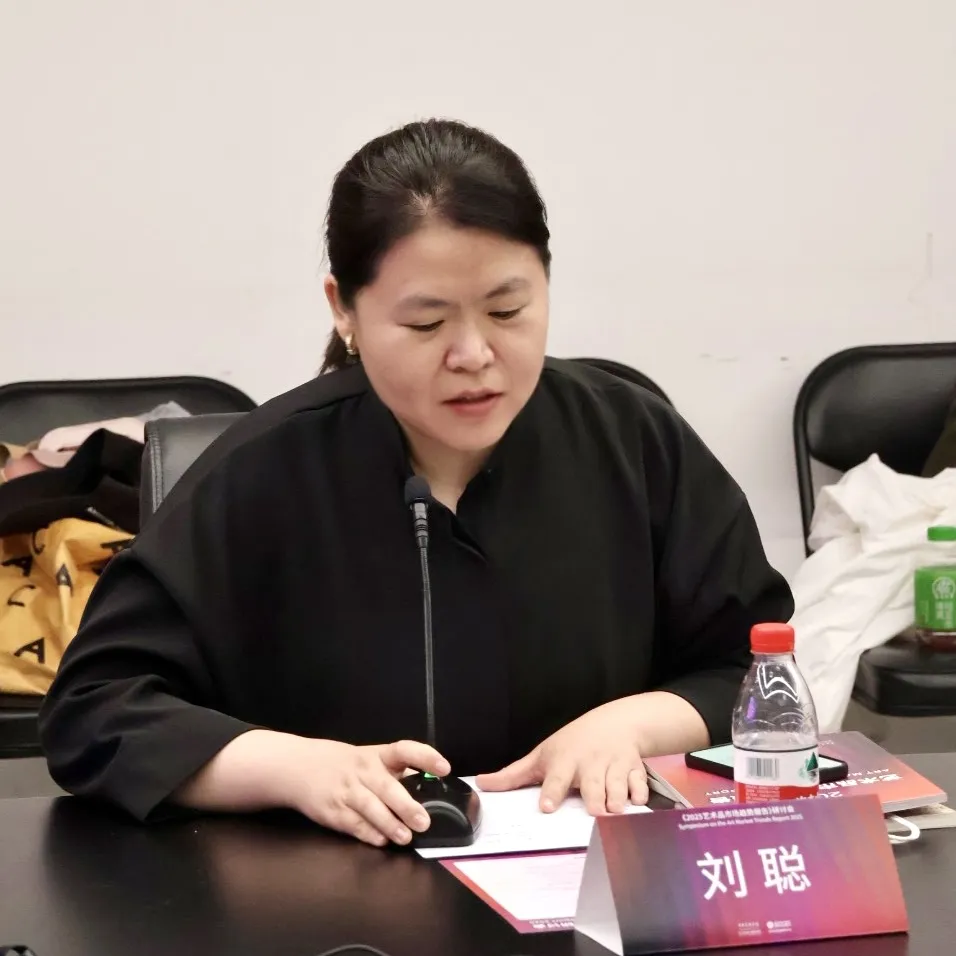
Secretary-General of the Cultural and Art Auction Committee of China Auction Industry Association
Secretary-General Liu Cong affirmed the report's comprehensive and accurate analysis of global art market trends in 2025. Regarding the art auction market, she shared three observations: ① The market is in a deep adjustment stage. After the spring auction, the overall scale has shrunk, institutions are generally conservative, and high-quality and differentiated special planning has been strengthened; ② The structure of collectors is changing, investment buyers are decreasing, professional and diversified collection groups are gradually becoming the main force, and the activity of emerging sectors is increasing; ③ The industry concentration has increased significantly, resources are concentrated in large institutions, and small and medium-sized enterprises need to highlight academic and professional positioning to meet challenges. In the face of the adjustment period, the China Association of Auctioneers will focus on promoting industry norms and policy recommendations, and hopes to establish a closer cooperation mechanism with universities and research institutions in the future to promote the in-depth development of industry research.
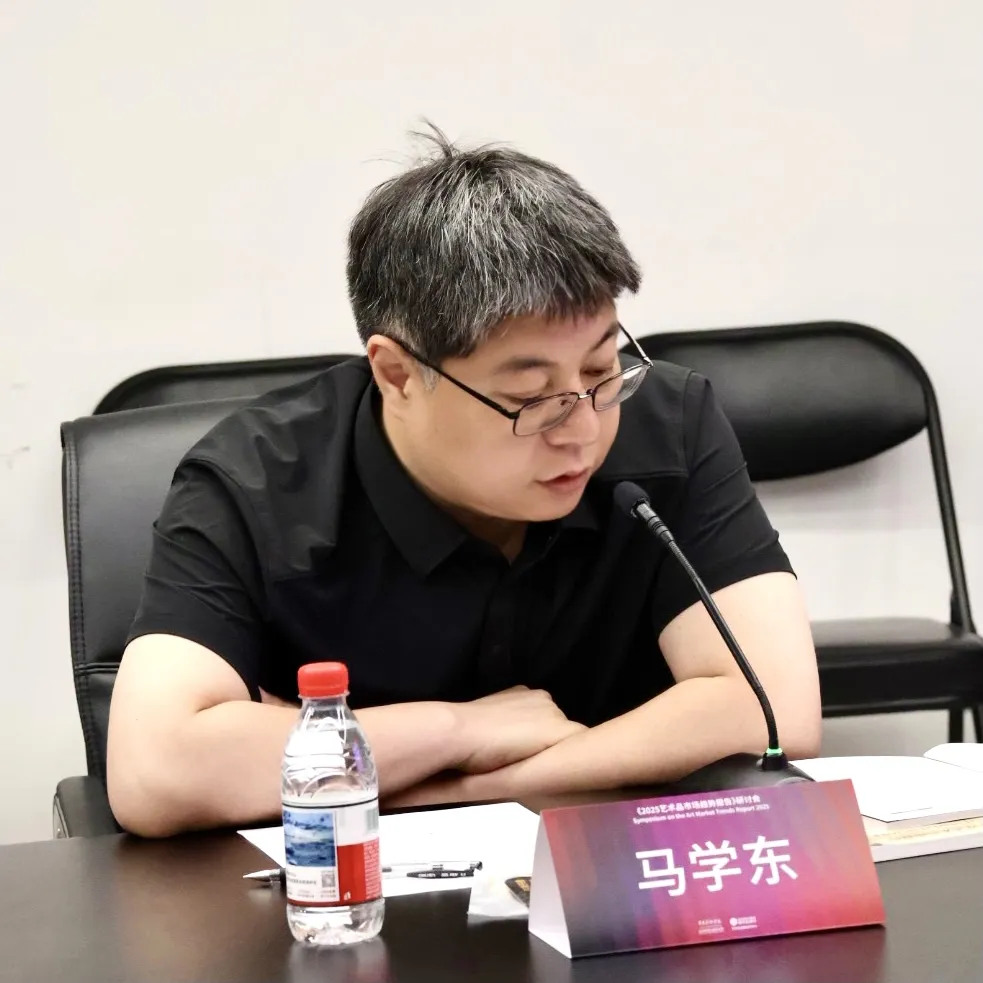
Vice President and Director of Investment Department of Guardian Investment Holdings Co., Ltd., Deputy General Manager of Guardian Art Center, Master Supervisor of Central Academy of Fine Arts
Vice President Ma Xuedong fully affirmed the report's keen insight into the global art ecology, focusing on both traditional market structures and actively responding to emerging trends such as AI art, digital construction and IP operations. Combining his own observations in recent years, he made additional comments on the development of the global auction industry and art fair sector. He pointed out that the global auction industry is undergoing structural adjustments, and European and American auction houses are under pressure due to the debt of their parent companies, and top auction houses are losing market share, and transactions are showing a trend of daily and retail development. The Chinese auction market is still in a downward phase, and the industry is highly concentrated, but the second-tier structure is still not stable. In terms of art fairs, global operating entities are worthy of attention, such as Frieze's equity change; Art Basel continues to expand by adjusting the structure of the European market. Asia is showing a trend of multi-centerization, and Hong Kong's original dominant position is being competed by Singapore, Seoul and other places. The trend of intergenerational replacement of collectors is obvious, market buyers are becoming more rational, bidding cautiously, speculation is weakened, and art consumption is gradually returning to its essence.
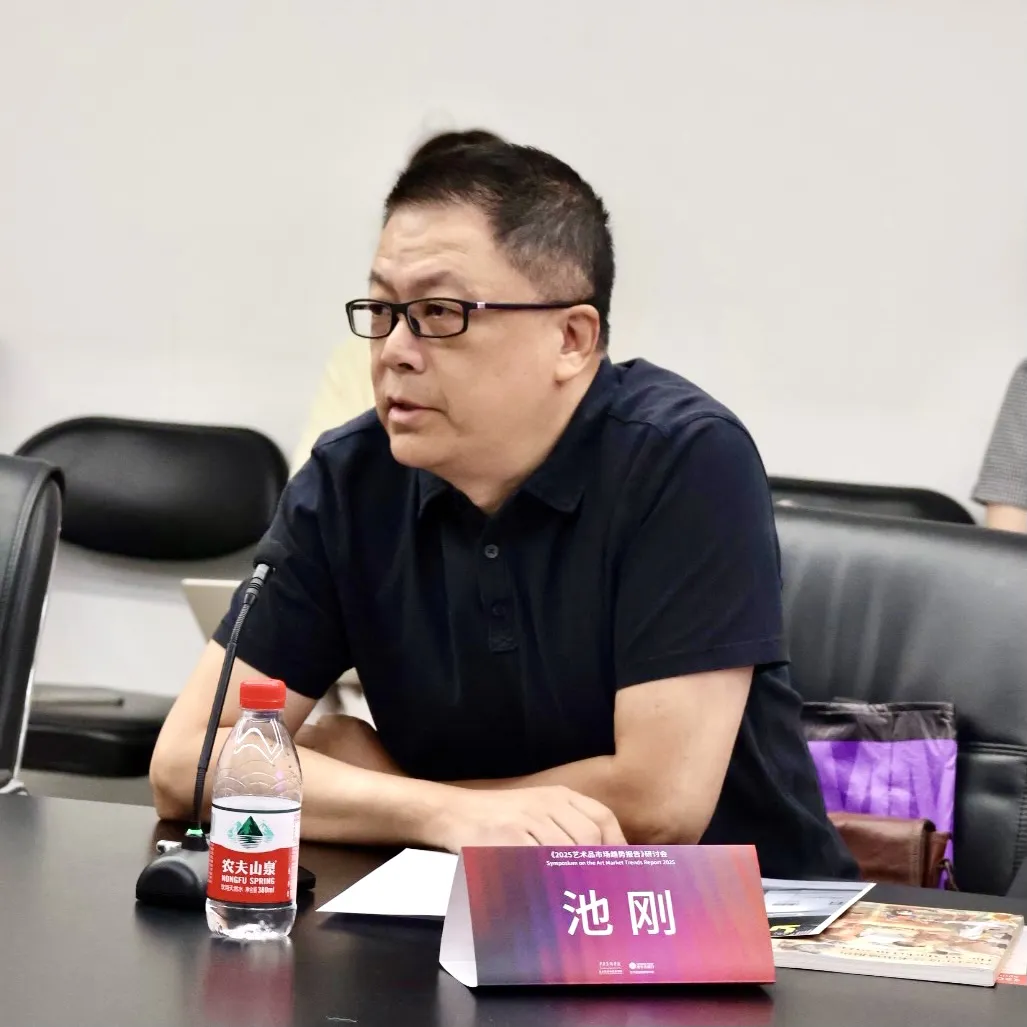
Former Secretary General of Beijing Gallery Association
Mr. Chi Gang affirmed the objective presentation of the current status of the art market in the Report. He pointed out that the primary art market is undergoing profound changes: ① The continuous decline in gallery sales and the frequent replacement of exhibitors at art fairs reflect that the market is in a period of deep adjustment. Behind this are not only macroeconomic influences, but also structural factors such as audience consumer confidence and lack of information channels. ② The "overlapping list" of artists in galleries and auction houses reflects to a certain extent that the two sides are forming a consensus. The aesthetics of new collectors and young creators are converging, and the rise of young artists is a natural result. However, some artists have entered the secondary market too quickly, resulting in the failure of the gallery's function as a "sponsor institution". We need to be vigilant about the risk of market disorder. ③ The increase in the number of art fairs and the diversification of exhibition art categories have caused the dispersion of resource allocation. Traditional galleries are facing the dilemma of positioning and operation, and the market guidance function of the fair has weakened. ④ Chi Gang finally pointed out that the current decline in the attention of the industry media has weakened the gallery's voice. It is recommended to strengthen the linkage with research institutions and media platforms in the future to enhance the industry influence of galleries.
「Topic 2: Artwork Assetization and Financial Innovation Practice」
In the discussion on the topic of "Artwork Assetization and Financial Innovation", experts analyzed the current practice of art finance. Professor Huang Jun of Renmin University of China put forward his observations on the new consumer market: "emotional consumption" has become a new market driver, technological progress has impacted the art industry chain in all directions, and the taste preferences of the new generation have guided changes in market supply. Faced with the setbacks in the art market but the rise of the derivative licensing market, art finance should shift from focusing on investment tools to empowering the art industry and seek development from the "combination of art and reality". Professor Zhang Zhenglin emphasized that the demand for art assetization has not decreased, and the expansion of art pledge financing business in Europe and the United States has highlighted new opportunities in art assets and derivative markets. Wang Hongwei, consultant of CCB Life Insurance, and Yin Lu, general manager of Minmetals Trust Family Office, shared the exploration path of combining art and finance from the perspectives of financial investment and trust service practices, respectively, and called for expanding the influence and value performance of art in the capital market through diversified business attempts.
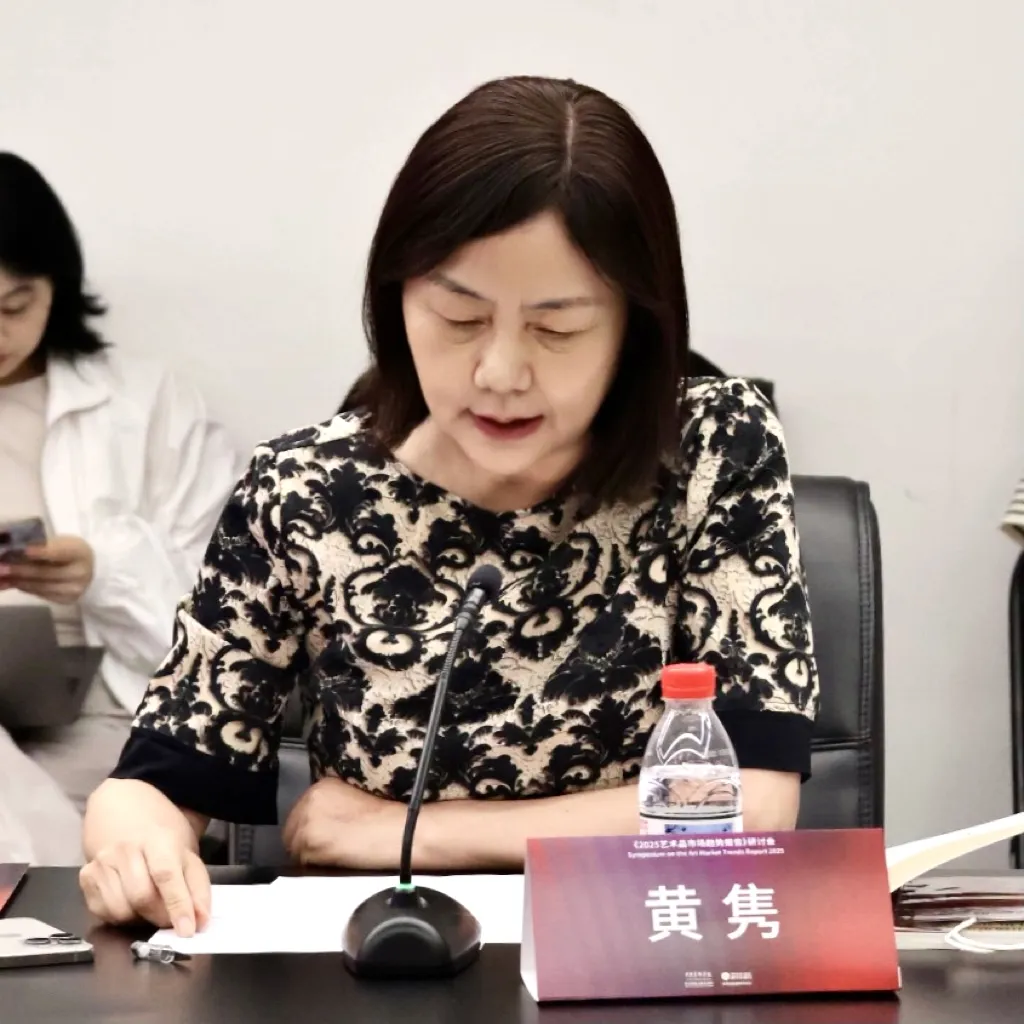
Professor and doctoral supervisor at the School of Applied Economics, Renmin University of China; Director of the Institute of Cultural Economics, Renmin University of China
Professor Huang Jun said that the report fully demonstrated the multi-dimensional evolution of the current global art market from a comprehensive and in-depth analytical perspective. She combined the content of the report with market observations to raise four concerns: First, under the turbulent macro-environment, high-end art transactions suffered setbacks, but consumer art grew against the trend, and the popularity of derivatives and IP joint ventures rose, reflecting that "emotional consumption" has become a new market driver. Second, technologies such as AI and blockchain have reshaped the creation and transaction processes, and also brought about innovations in mechanisms such as title confirmation, issuance, and circulation, which have promoted a deep transformation of the art market operation model. Third, new collectors are leading the transformation of market styles. Young groups prefer brightly colored and cartoon-like artworks, and pay attention to the emotional value and social identity carried by artworks. Fourth, the current financial practice of artworks has encountered bottlenecks. In the future, we should shift our focus from artworks as investment tools to financial support for the art empowerment industry, pay attention to the combination of art and the real industry, and better achieve the sustainable development of related industries.
Professor of the Institute of Art Management and Entrepreneurship, Sun Yat-sen University, Director of the Art Market Research Center (Taiwan, China), Master's Supervisor at the Central Academy of Fine Arts
Regarding the post-epidemic market adjustment that the report focuses on, Professor Zhang Zhenglin suggested broadening the perspective to 2019 and starting to observe. It can be seen that the epidemic did have a significant impact in that year, but the market has rebounded in 2020-2021, and the market has entered a consolidation period since 2024. The shrinkage of the market size is related to the integrity of the industrial chain and the perfection of technical services. The current market downturn is more due to confidence and structural problems, rather than pure demand shrinkage. He emphasized that in the future, to achieve breakthroughs in the primary and secondary markets and the assetization market, it is necessary to integrate various regions within the Chinese market. In terms of assetization, Professor Zhang Zhenglin pointed out that the current demand for art assets by high-net-worth collectors has not declined significantly, and in the European and American markets, the art pledge financing business has even expanded. Although the art market itself is in a stage of adjustment, art assets and derivative markets have presented new development opportunities, and the relevant art ecology deserves special attention. In addition, Professor Zhang Zhenglin also expressed his emphasis on the cultivation of professional talents and suggested that it be included in the analysis topics of the report.
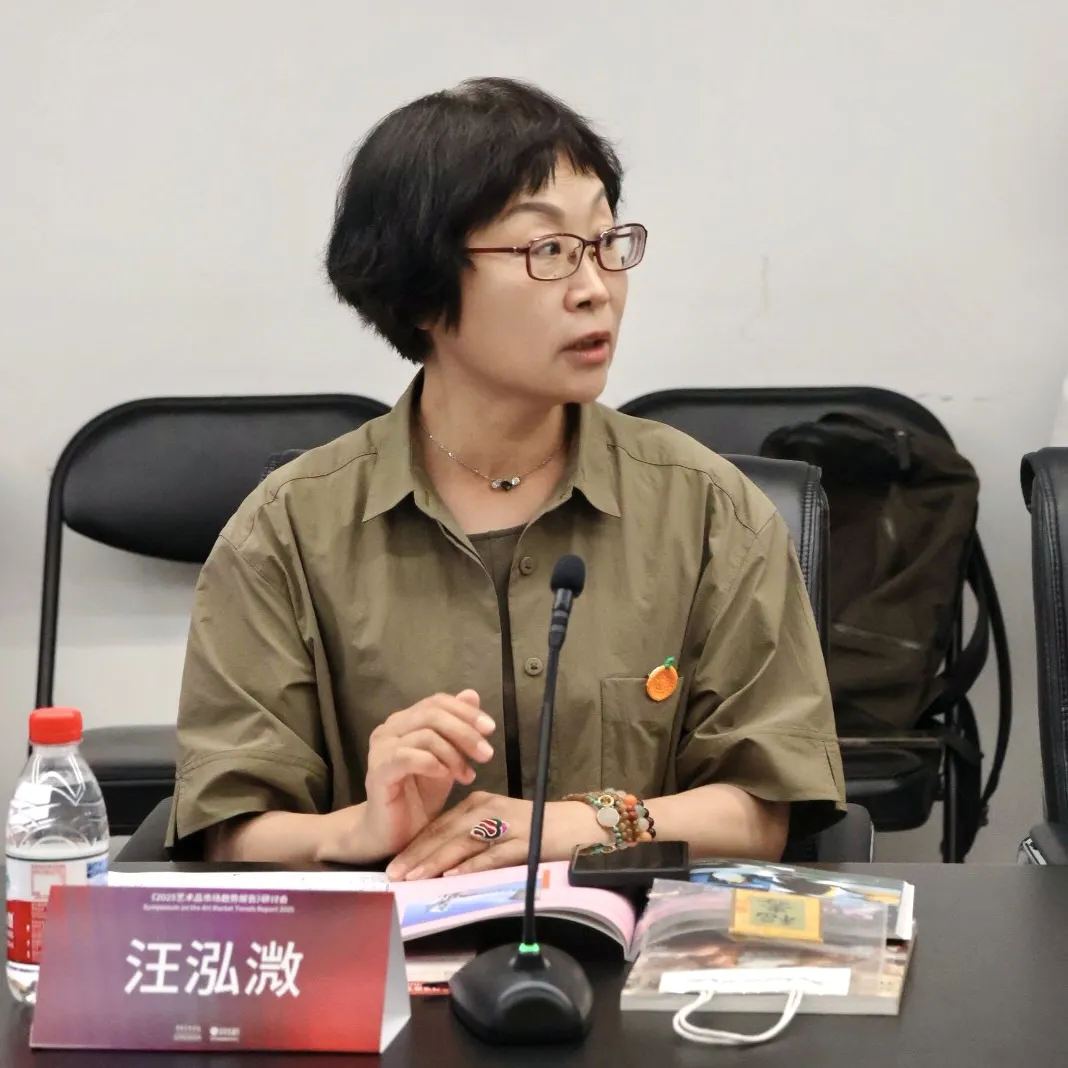
Wealth Management Consultant, CCB Life Insurance Beijing Branch
Based on the practical experience of private banks in the field of art finance in my country, Ms. Wang Hongwei emphasized the potential of combining art and finance. She pointed out that the current market should focus on two important groups: first, high-net-worth people have always been the core customer group. Their demands for intergenerational inheritance and art education are driving art to become an important tool for wealth allocation and cultural inheritance; second, the middle-aged and elderly people, although not traditional collectors, are cultural consumers with huge potential. In an aging society, the "silver economy" will flourish and deserve attention in the process of reshaping art consumption. In terms of art finance, she said that the combination of art and finance has been tested in practice. She further shared practical experience in financial investment. For example, in the construction of cultural blocks, the space empowered by art has created content and traffic, attracted financial investment, and realized the linkage between culture, space and assets. She highly agrees with the concepts of "community" and "ecology" proposed in the report, and believes that the integration of art with cultural tourism, digital and urban renewal will continue to expand its influence and value performance in the capital market.
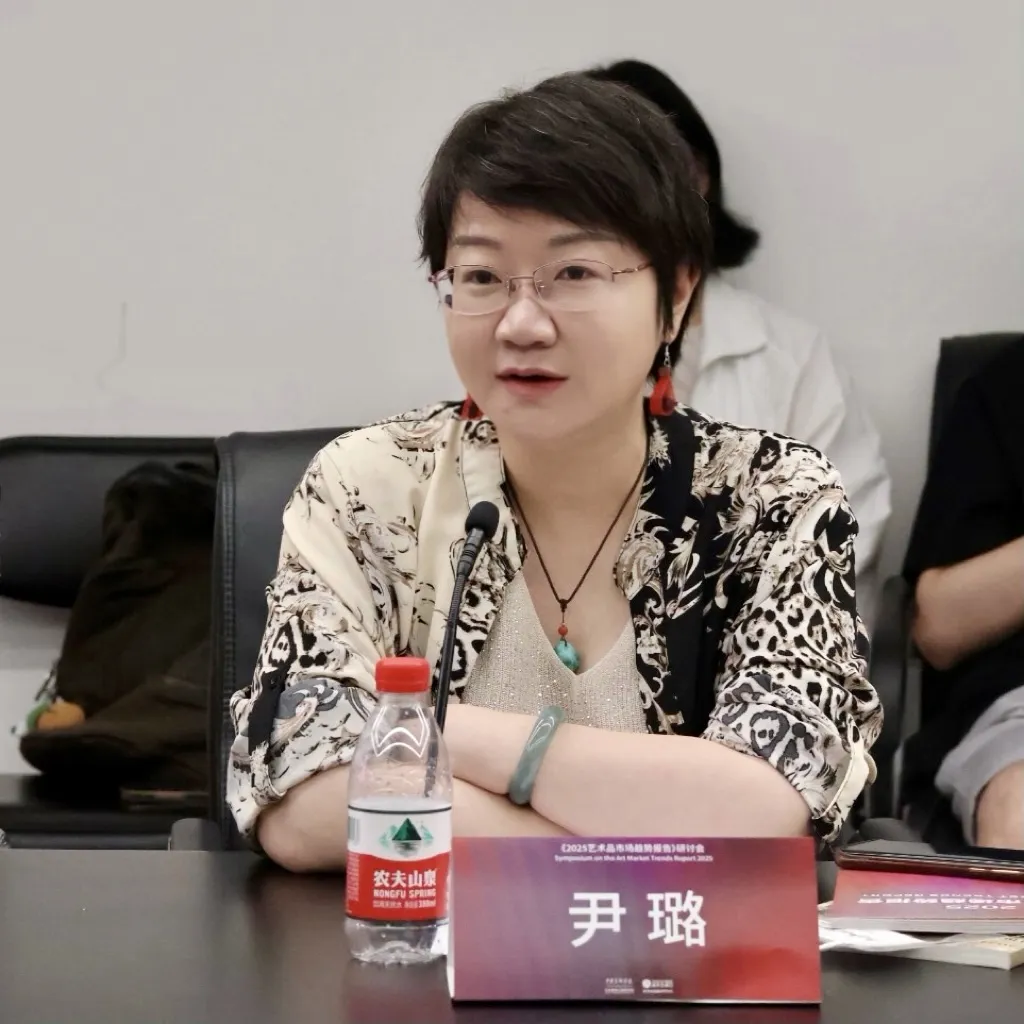
General Manager of Family Office, Minmetals International Trust Co., Ltd.
Combining the practice of my country's trust industry, Ms. Yin Lu shared two intervention paths explored by trust institutions in art financial services: ① Art service trust, which provides the client with asset inheritance and distribution services mainly based on artworks, and assists in the acquisition, storage and operation of artworks through the participation of roles such as art consultants, which is especially suitable for artists and art collectors' families; ② The art investment fund model that uses artworks as asset management products, although it faces a greater risk of uncertain returns, products such as the Young Artists Special Fund are still worth exploring. She called on industry experts to enhance the confidence of financial institutions in intervening in art business and promote the diversified exploration and cooperative practice of such models.
"Topic 3: Technological innovation reshapes the entire art industry chain"
The impact of technological innovation on the art ecology has become a hot topic among experts. Yang Xilun, president of Beijing Guoxin Brand Evaluation Science Research Institute, pointed out that the innovation in art generation brought about by AIGC has triggered discussions on the essence of art and has given rise to a new narrative logic and cultural expression. New pricing mechanisms and art professions are emerging, and the art market is in the process of systematic reconstruction. Starting from the keywords "new ecology" and "new generation", Associate Professor Wang Ziqi of the Central Academy of Fine Arts pointed out that digital technology has subverted the underlying logic of the art ecology and triggered deep changes in social culture. Professor Gu Yun of the Central Academy of Fine Arts emphasized the importance of dynamic data in art research from a teaching perspective, and that the discipline of art management needs to respond to the challenges of media evolution and cultural transformation.
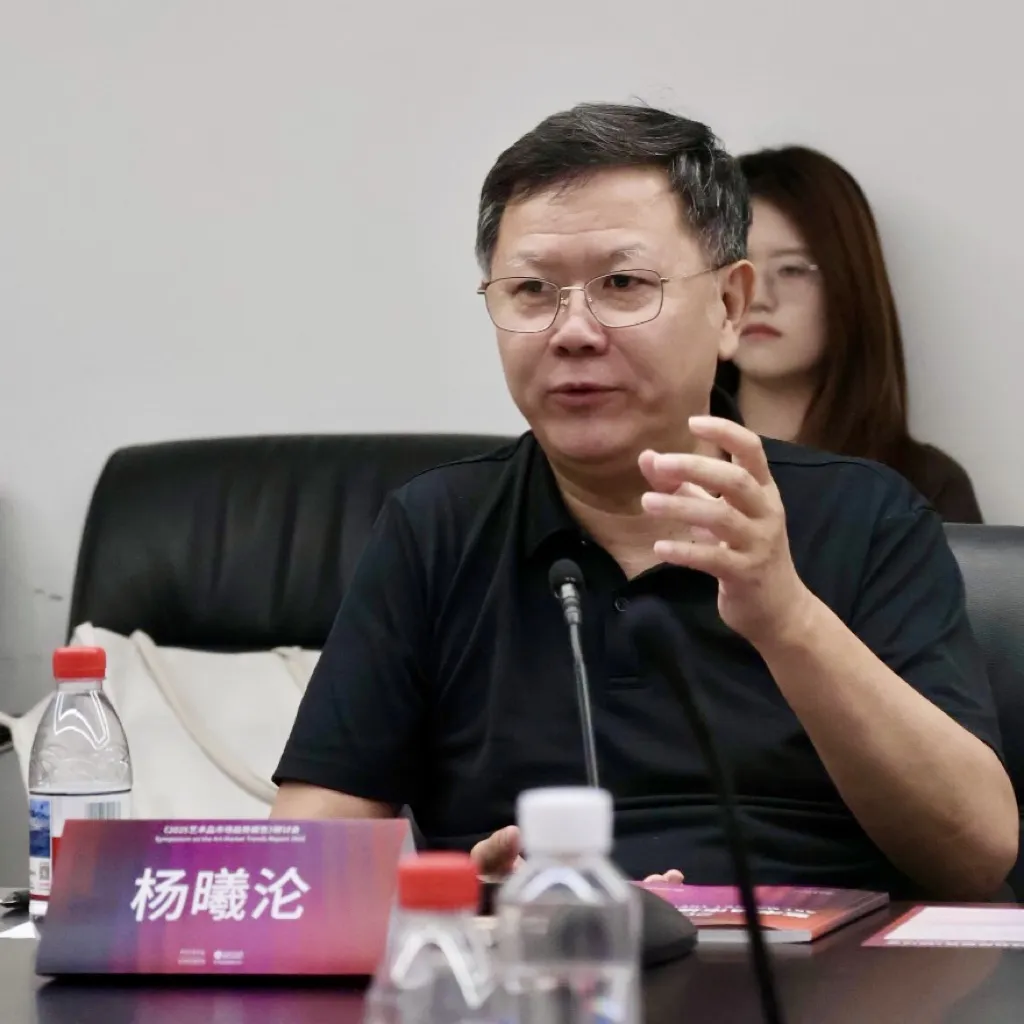
Dean of Beijing Guoxin Brand Evaluation Science Research Institute, Master Supervisor of Central Academy of Fine Arts
Dean Yang Xilun pointed out that in the context of the ever-changing current economic environment, the "Report" outlines a picture of an art ecology that is being reconstructed. First, the innovation in art generation brought about by AIGC has triggered an essential discussion on "what is art". AI not only reshapes the production tools of art, but also gives rise to a new narrative logic and cultural expression, expanding the imaginary boundaries of future art forms. Secondly, new IP images, creative styles, pricing mechanisms, art professions and exhibition experiences are emerging. Third, with this series of changes, a new generation of consumer groups and collectors have emerged, and the form of art assets has also shown a diversified development trend. He concluded, "The art market is in a profound and systematic reconstruction."
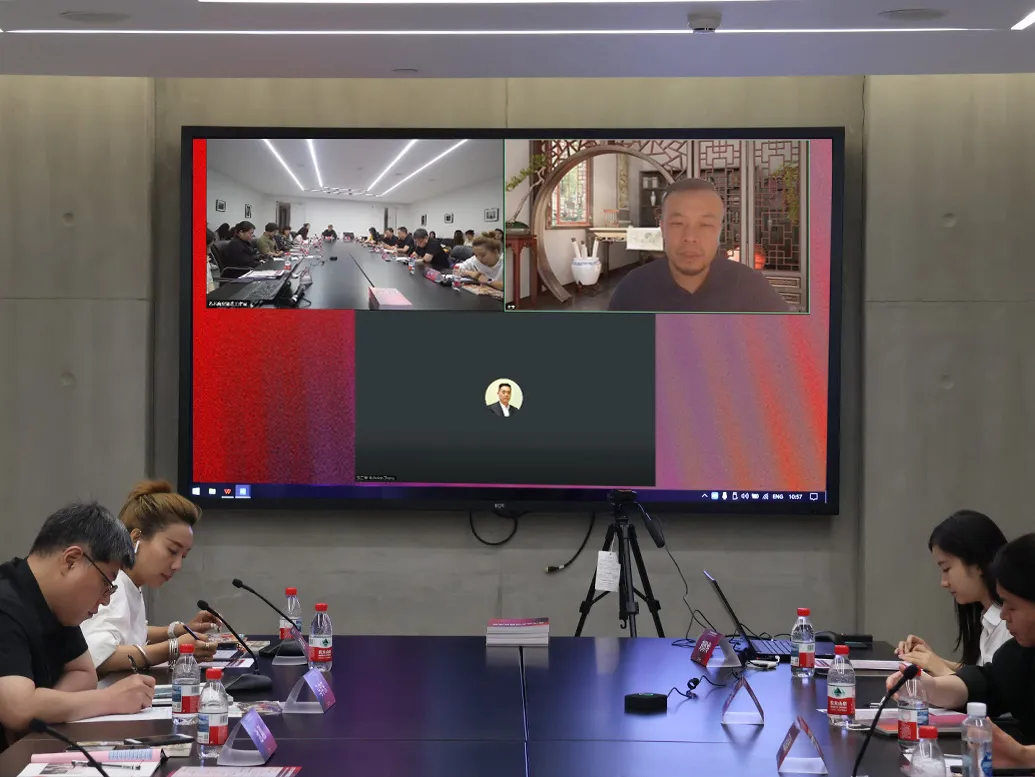
Professor and doctoral supervisor at the School of Art and Design Management, Central Academy of Fine Arts (Sino-French)
Combining his teaching and research experience, Professor Gu Yun discussed the art market from five aspects: education and practice, history and academics, dynamics and quantification, literature and sorting, and solving problems from the perspective of new media. He pointed out that trend reports, as a tool of "dynamic quantification", are exactly what is missing in traditional art history research, but they play an important role in current practice. From the perspective of teaching, art management, as an interdisciplinary subject integrating art and management, must face the challenges of media evolution, market mechanisms and cultural transformation. In the context of the new era, students' sensitivity to new media and the initiative of front-line practice also prompt the teaching content to be constantly adjusted to respond to reality. His cross-border practices such as digital painting and intangible cultural heritage application also reflect this trend of integration.
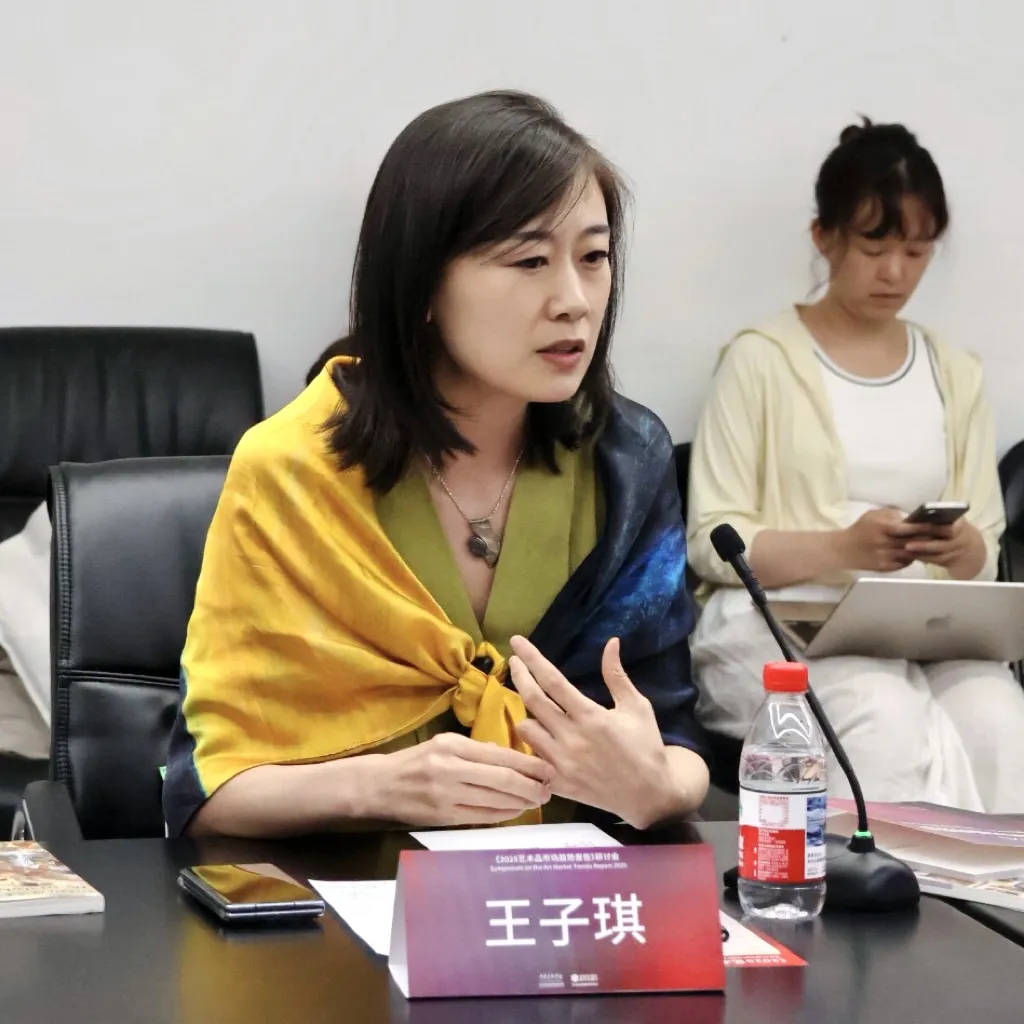
Associate Professor, School of Art Management and Education, Central Academy of Fine Arts, Master's Supervisor
Associate Professor Wang Ziqi believes that the art market issues reflected in the report are of great discussion value. For example, how did emerging artists leap to the top of the auction price in a very short period of time, and why the works in the Basel art scene generally turned to rich colors and emphasized healing. Based on this, Wang Ziqi discussed from the two aspects of "new ecology" and "new generation". She pointed out that the current digital technology has completely changed the underlying logic of the art ecology. The discourse power institutions in the traditional art ecology, such as galleries and auction houses, have lost information barriers, the upstream and downstream mechanisms of the art industry chain have been broken, and AI and information technology are constantly reconstructing the entire industry ecology. For the new generation, she observed that emotional value is a scarce resource pursued by the new generation who grew up in the technological era. With the transformation of the era issue from "survival politics" to "biopolitics", the focus on identity recognition is replacing the focus on grand narratives and social issues in traditional art, and has become the concern of the new era. In her opinion, the changes behind artistic creation are not only the shift in market strategies, but also the deep changes in the social era.
"Topic 4: Data Governance and Information Integration in the Art Market"
Data governance and information integration are important supports for the healthy development of the art market, and various media platforms play an important role in data collection and market observation. Xu Cuiyun, President of Artron Art Research Institute, Xie Mu, Vice President of ArtPro Media, and Li Li, co-founder of ArtAlpha, combined their experience in art market information integration and pointed out that art data governance faces challenges such as data fragmentation, strong non-standardization, and information security. They called on the industry to take the lead and collaborate with multiple parties to jointly build a scientifically classified and sustainable data ecosystem, and provide practical, comprehensive and cutting-edge information services for art industry participants.
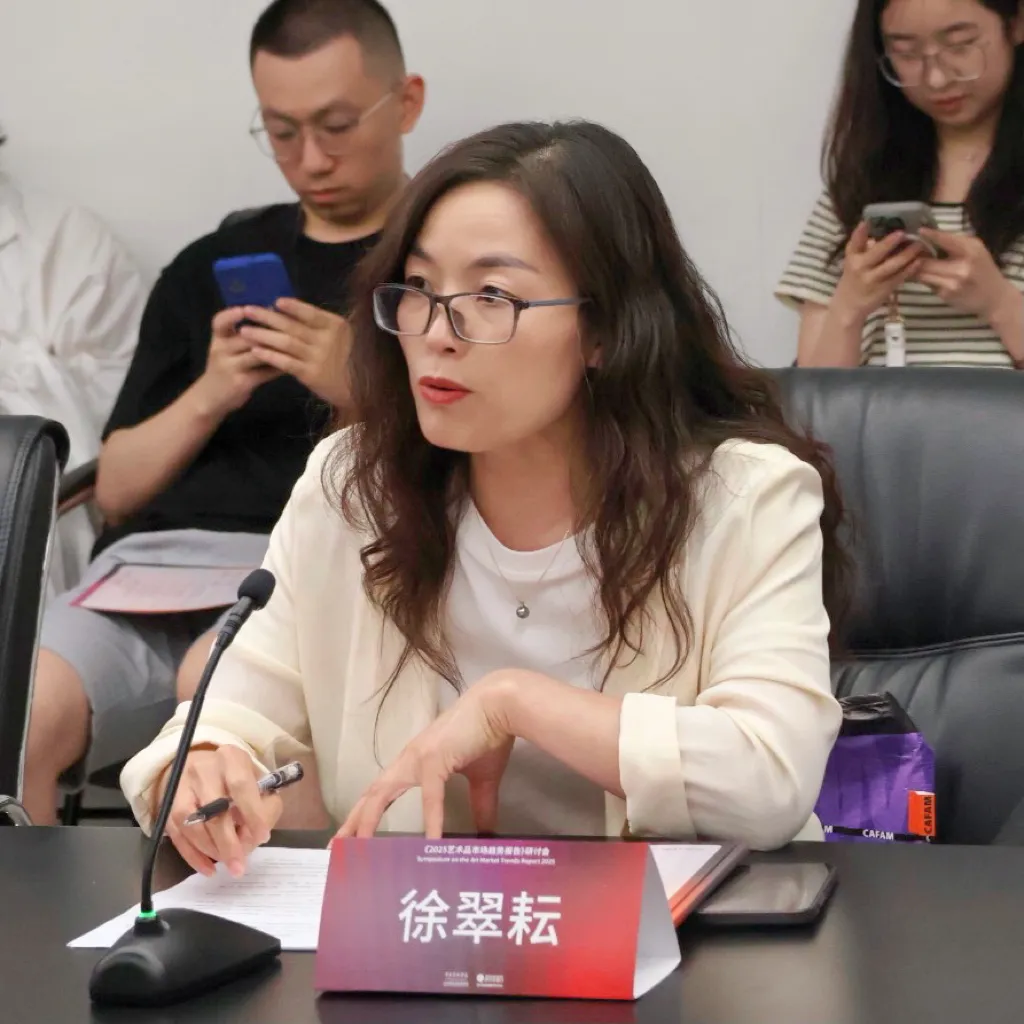
President of Artron Art Research Institute
Dean Xu Cuiyun shared her team's thoughts and experience in art data governance in conjunction with the "Art Digital Document System Project" project for artists launched by Artron in 2024. The project aims to build a multi-dimensional data system covering artist works, theoretical publications, exhibitions, creative processes and market dynamics, emphasizing the professionalism, objectivity and comprehensiveness of the data. Based on the challenges and cognition of the project, she pointed out that the governance of art market data faces many challenges, including the current fragmentation of art market data, the contradiction between information disclosure and data security, the strong non-standardization of art data, and the difficulty in unified modeling. She emphasized that art data governance is not only a technical issue, but also a product of system and consensus. She called for the establishment of a national middle platform led by the government or industry associations to achieve a multi-party co-construction, scientific classification, and sustainable data ecology.
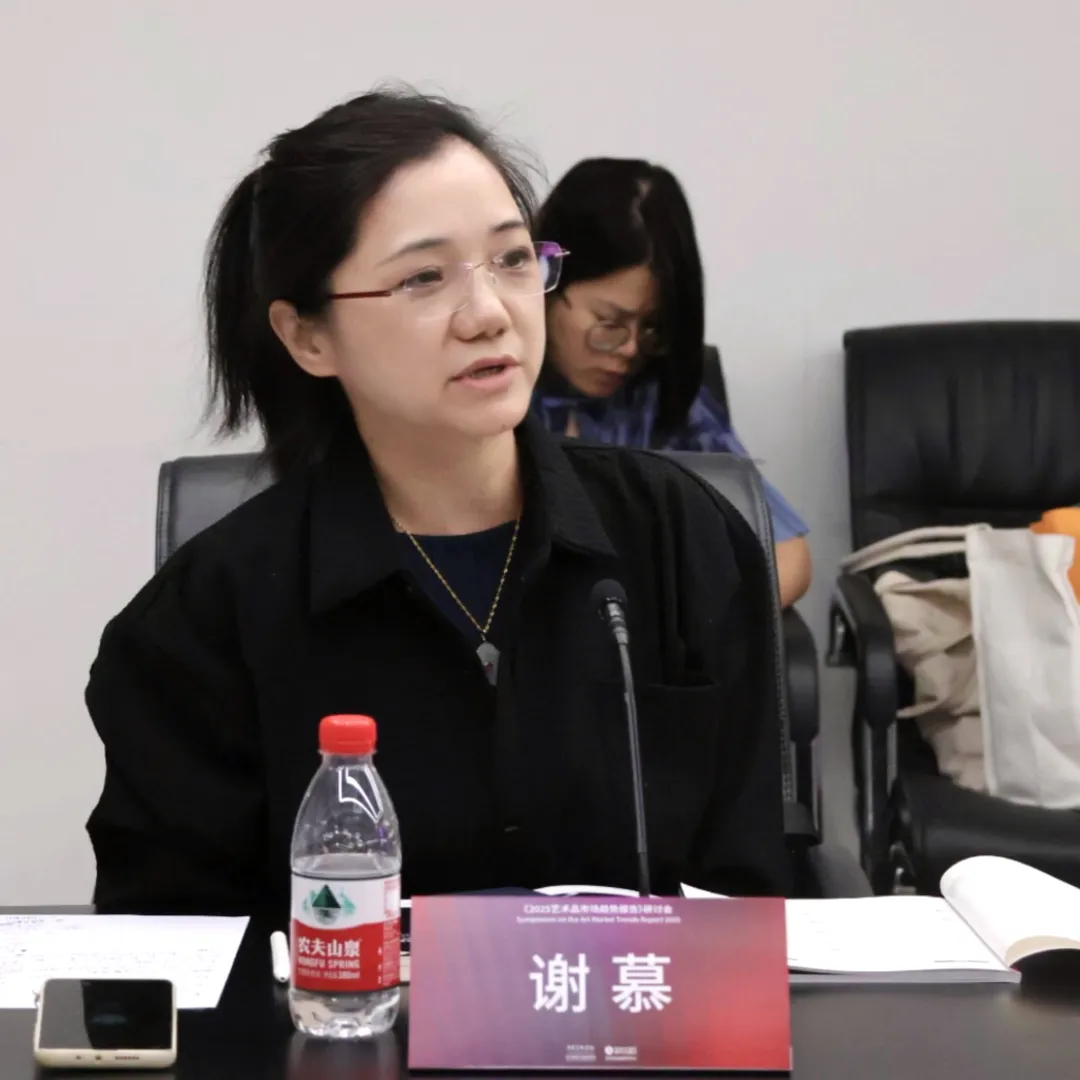
Vice President of Media at ArtPro
Vice President Xie Mu focused on the structural design, data strategy and market observation of ArtPro's modern and contemporary art database. First, the platform focuses on the field of modern and contemporary art, and includes more than 50,000 auction data worldwide, filling the gap in the domestic database. Secondly, the platform focuses on three data dimensions: prices in auctions, works in galleries, and artists participating in art fairs, aiming to solve the long-standing problem of data fragmentation. From the perspective of the media, Xie Mu shared her self-observation of the art market. According to the normalization of online specials and live auctions, it can be seen that the integration of online and offline is becoming a new trend in auctions. In the gallery market, she observed the trend of gallery brand building upgrades, capital intervention and enhanced collaboration mechanisms since this year. She also noticed that galleries are turning to the value discovery of classic artists, and attracting new collectors by launching new series and actively adjusting prices, showing that the market is turning from blindly chasing new things to rational retrospection. She believes that these phenomena together indicate that the art market is undergoing structural adjustments at multiple levels, and various art platforms are also constantly seeking innovative paths and collaboration possibilities.
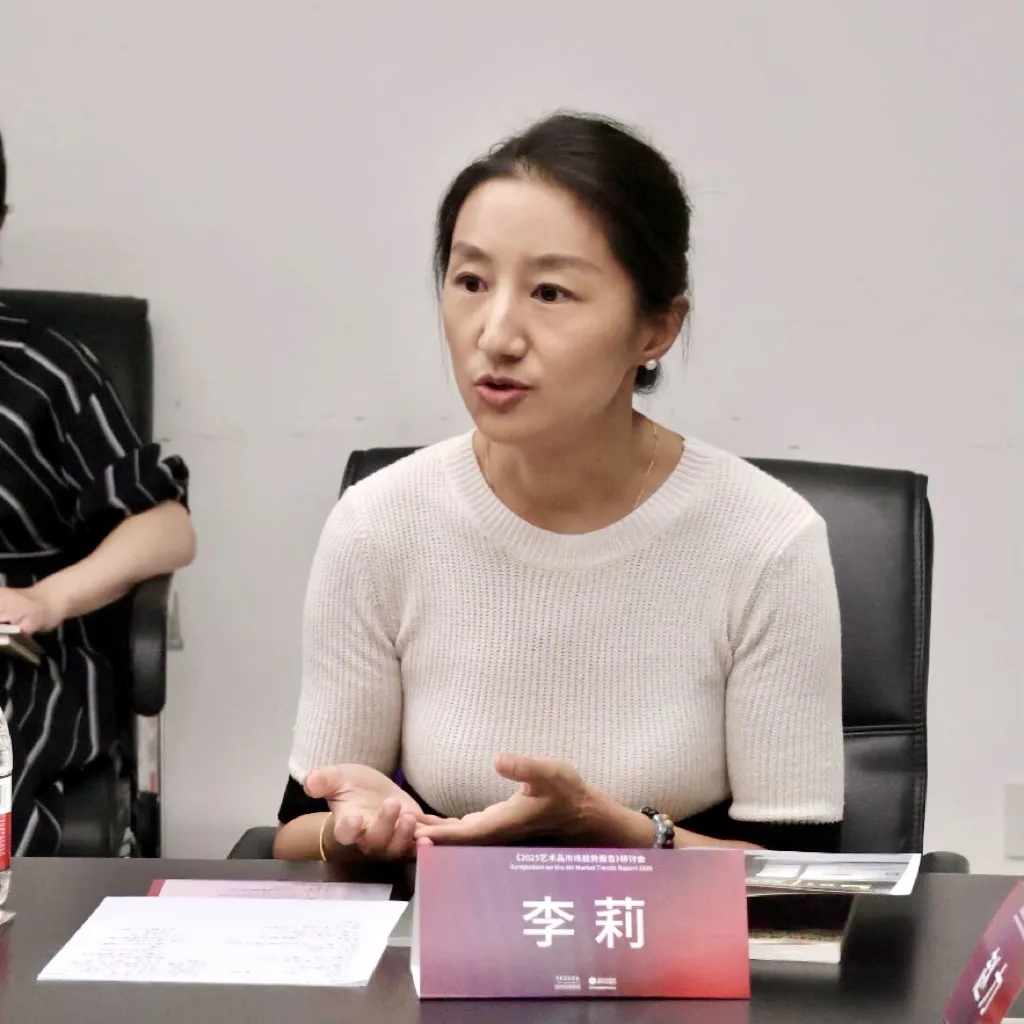
Co-founder of ArtAlpha
Ms. Li Li pointed out that ArtAlpha, as a media platform, focuses on providing practical, comprehensive and cutting-edge information services to participants in the art industry. The platform content covers modules such as art appreciation, exhibition recommendations and interviews, and the core focuses on auction market tracking, providing long-term live broadcasts and in-depth reports of important special sessions, and quickly refining market trends and price signals. From practical work, she observed that in recent years, the number of live broadcast viewers on the platform has increased significantly, showing that the public base of the art market is gradually expanding, and at the same time, the emerging live auction market still has great development potential. In addition, ArtAlpha continues to track and interpret international art market reports, and maintains long-term cooperation with institutions such as Frieze and Basel to ensure that trend information is obtained and released in the first time to assist collectors in identifying the direction of collection. ArtAlpha is well aware of the challenges facing the current art market, so it also hopes to further build a more complete industry ecology through multi-party cooperation.
Concluding remarks
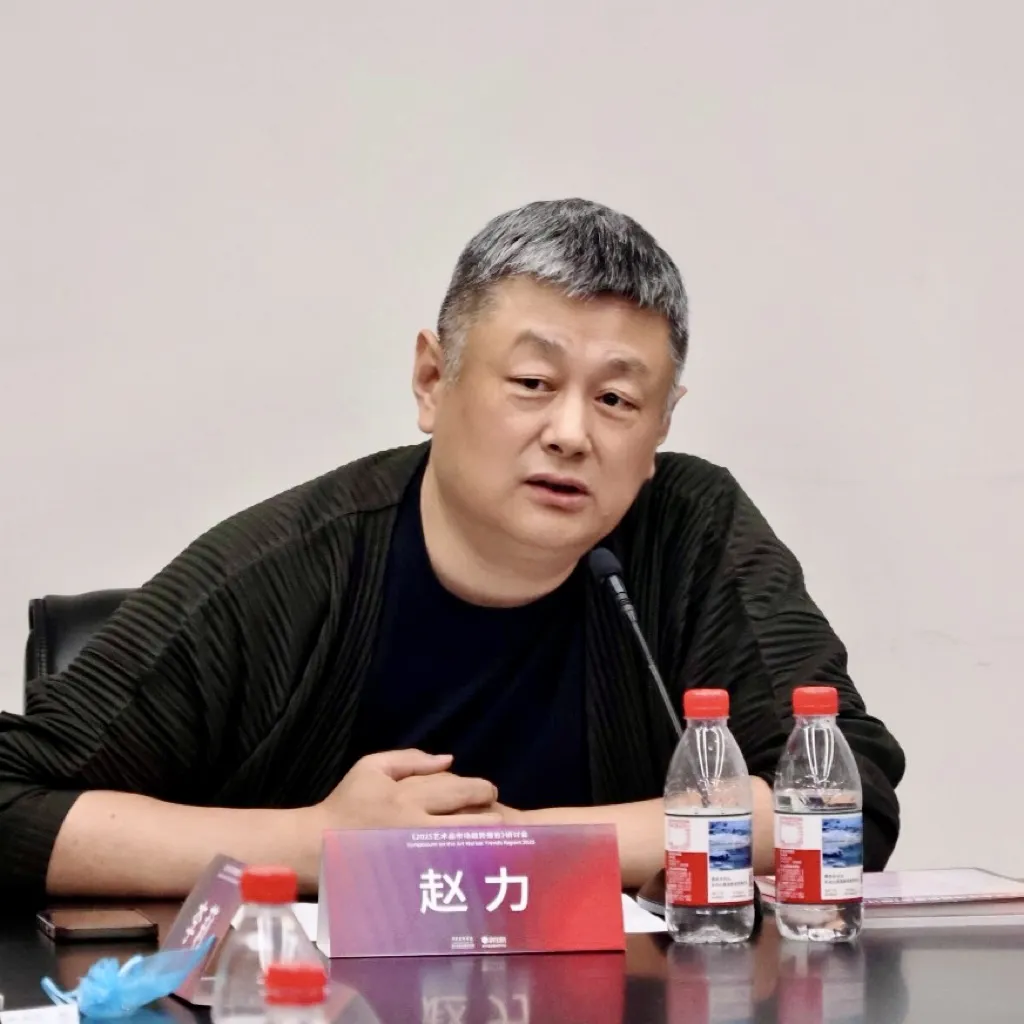
Vice Dean, Professor, and Doctoral Supervisor of the School of Art Management and Education, Central Academy of Fine Arts
In his concluding remarks, Professor Zhao Li pointed out that this seminar has both a focused and open vision, confirming that the current art market is in a critical period of change and transformation. The Report is based on the principles of "real problems" and "for the future". Through exploration and questioning, it strengthens the academic values of studying the art market and provides more solid support for the market to clarify its direction in market changes. In order to further enhance the professionalism and foresight of the report, the Report will further build an expert committee and sincerely invite experts from all parties to join, form a collaborative research network, and create a global art market research community. In 2025, it is also planned to focus on exchanges with the International Art Market Research Association to promote exchanges and cooperation in art market research at home and abroad. Regarding the current art market research, Professor Zhao Li believes that the cognitive framework of the art market is moving from a "noun world" to a "verb world", that is, the world defined by nouns such as identity and objects in the past is gradually dissolving, and is replaced by a focus on dynamic processes such as "adjustment", "reshaping", "governance" and "integration". He pointed out that future research should focus more on dynamic areas such as structural shifts and liquidity processes, and it is necessary to understand and build an art ecology from a dynamic perspective.
About the Organizer
School of Art Management and Education, Central Academy of Fine Arts
CAFA School of Art administration and Education
The School of Art Management and Education was established in 2015 and is the eighth professional branch of the Central Academy of Fine Arts. The school is committed to building a leading domestic and world-class innovative school in the field of art management and art education. Since its establishment, the school has focused on the construction of "double first-class" disciplines, based on the three major disciplines of art, management and education, and carried out professional construction and teaching and scientific research in the fields of cultural economics, art exhibitions and planning, art industry management, art museum management, museum public art education, and higher art education management.
The Art Management major of the Central Academy of Fine Arts was established in 2002. As a leader in the construction of Chinese art management majors and disciplines, it introduced the discipline standards of the International Art Management Education Association at the beginning of its establishment, initiated the establishment of the Chinese Art Management Education Association, and has always been committed to the construction of China's art management teaching and scientific research system. The major is aimed at the public cultural service system and cultural and creative industries. In non-profit fields such as cultural administrative departments, art museums, and art foundations, as well as profitable fields such as auction houses, galleries, art fairs, art investment and finance, and art industrial parks, it cultivates talents of the new era who are proficient in the basic theories and methods of art, management, and economics, adapt to the future development of art, and have an international perspective, and is committed to building a world-leading international art management talent training base.
Tsinghua University PBC School of Finance Art Finance Research Center
Tsinghua University PBC School of Finance
Tsinghua University PBC School of Finance Art Finance Research Center is affiliated to Tsinghua University PBC School of Finance. It is an academic institution directly under the school that focuses on research in the field of art finance. It is particularly focused on academic, policy and practical research in the field of art finance, and is committed to building a first-class art finance research exchange and cooperation platform at home and abroad, providing advice and suggestions for the industry and promoting the development of industry practice.
Please continue to follow ArtPro for more latest developments in the global art market.