

[2026 Autumn Auction] China Guardian Hong Kong & Taipei Preview: Masterpieces by Zao Wou-Ki, Kazuo Shiraga, and Yoshitomo Nara Lead the Show
China Guardian Hong Kong will hold the "Asian 20th Century and Contemporary Art" Autumn Auction Exhibition at the Taipei Fubon International Convention Center from September 12 to 13. This season, a special "East-West Symphony" section will be presented, featuring important representative works by 17 giants of Eastern and Western art.
The passion and fervor of the era of madness
The lead auction item is Zao Wou-Ki's highly sought-after cursive script painting, a rare work featuring predominantly red enamel, titled "14.10.64".
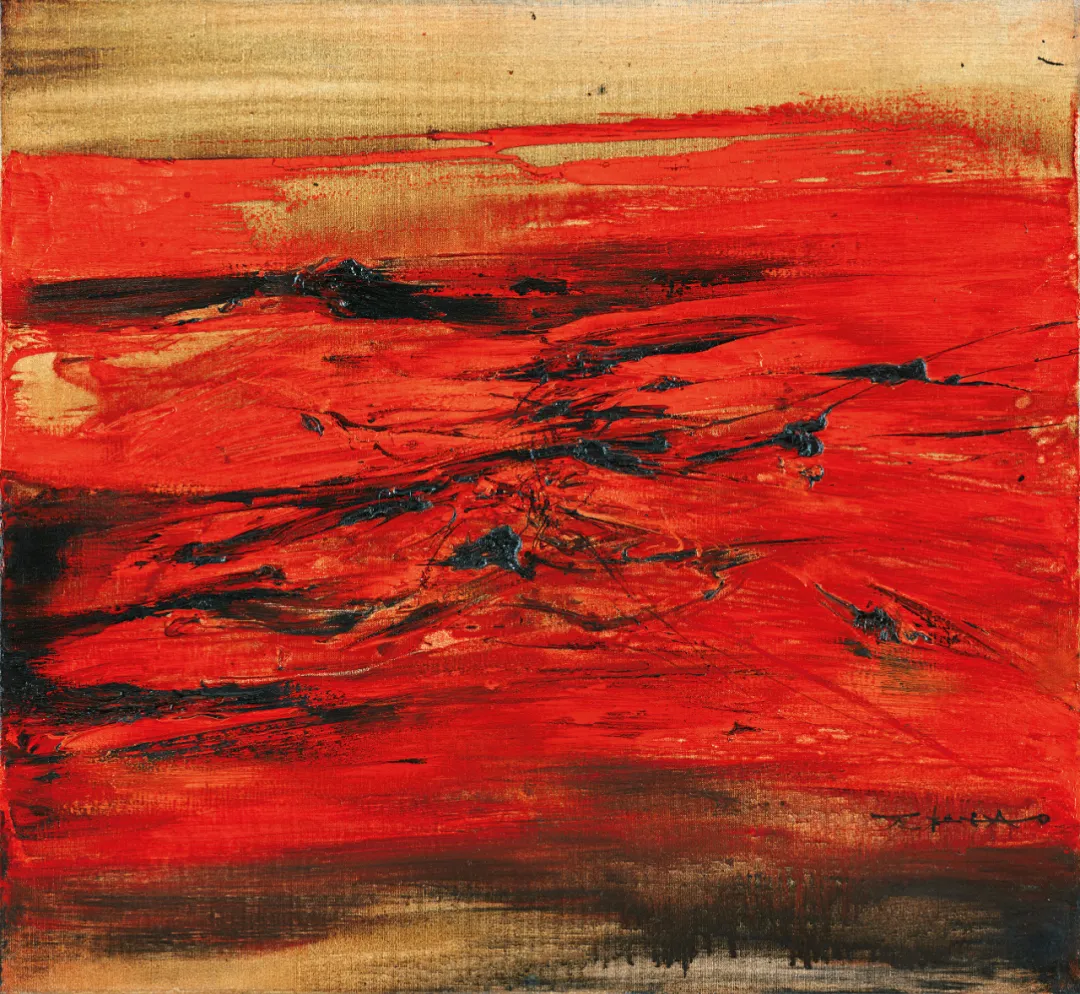
Zhao Wuji
14.10.64
oil paint canvas
46 × 50 cm
Painted in 1964
Estimate: HKD 7 million to 10 million
Upon first seeing this work, one cannot help but be overwhelmed by its dazzling visual impact. It uses an almost golden coffee color as a base, with thin brushstrokes depicting the sky and earth. The central area is stained with large, shimmering red brushstrokes, moving swiftly like a stampede of horses, reflecting the artist's creative ambition in his prime, the passion of reaching the pinnacle of his artistic career, and the joy of rediscovering love.
Amidst a series of sweeping strokes, slanting strokes, and flying whites, layer upon layer of paint, accompanied by vibrant black ink with calligraphic power that seems almost as if it has been flung out, sometimes steaming like smoke, sometimes as fine as gossamer, sometimes like a night hawk spreading its wings, sometimes like thunder and lightning, they create a unique and explosive scene, showcasing a strong sense of vitality and hope.
Red holds rich symbolic meaning in the East. It represents "fire" in the Five Elements, symbolizing prosperity and light; it represents passion, the pulse of blood, and the surging vitality of life; it is the color of festivals and weddings. Zhu Yuanzhang of the Ming Dynasty even designated red as the national color, symbolizing the emperor's supreme authority and legitimacy. Therefore, "Chinese red" is often associated with power and celebration.
With this minimal use of color and refined lines, Zao Wou-Ki creates an extremely complex yet equally refined space. Within this space, the space stretches, expands, and rises, allowing the viewer to feel a vibrant, ever-flowing tension and achieve a sense of inner fulfillment. The work has a well-documented provenance, originally from a prestigious French gallery, and later held by an important private collector in Asia. This release is exceptionally rare!
A vision that transcends time and space, the unity of man and nature
Also featured in the same exhibition is "29.09.87," which showcases Zao Wou-Ki's bold breakthroughs in composition during the 1980s.
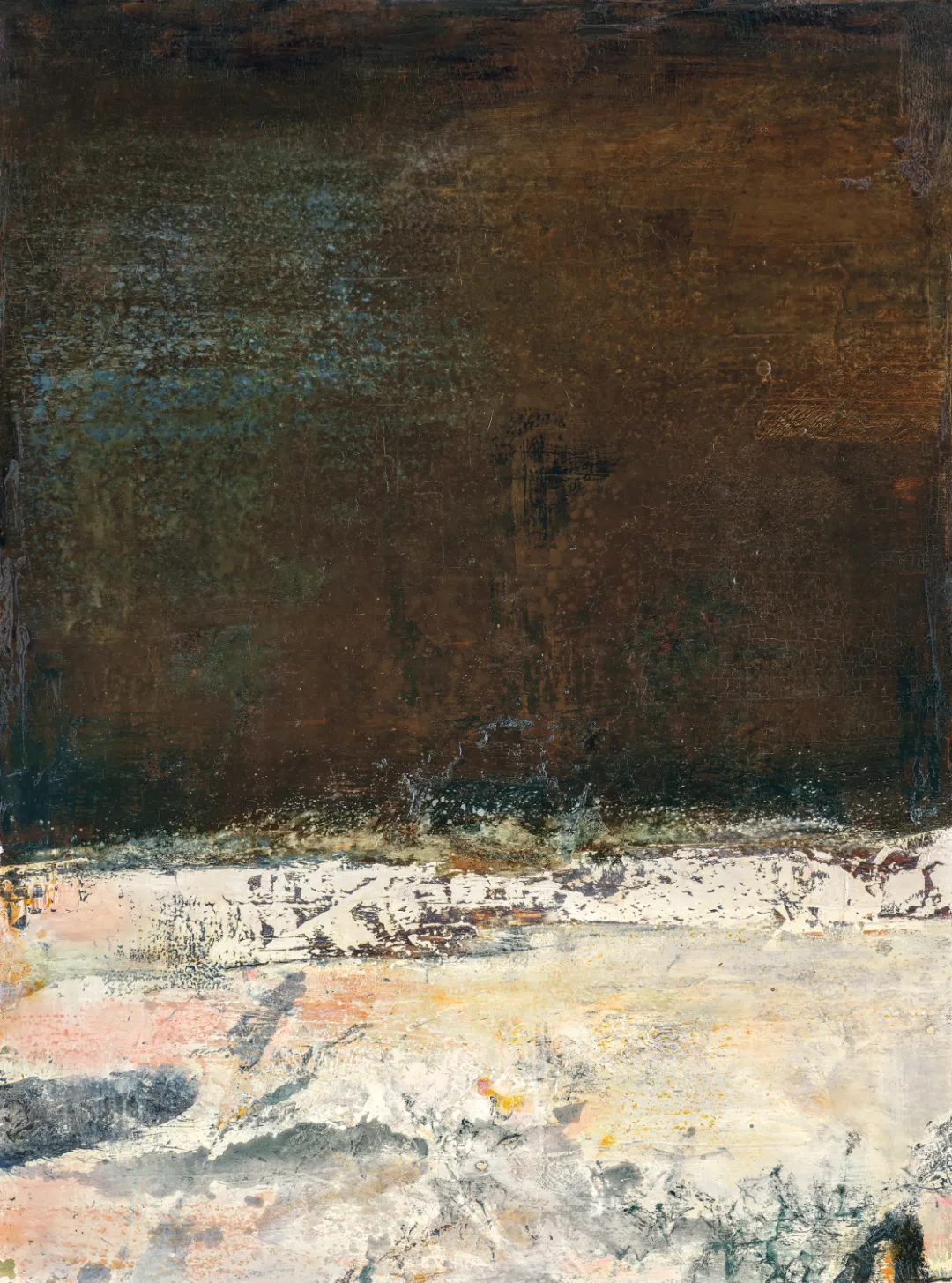
Zhao Wuji
29.09.87
oil paint canvas
130 × 97 cm
Made in 1987
Estimate: HKD 6 million to 9 million
The artwork divides the space into two distinct areas, one above and one below, using coffee and the other below. It also breaks with convention by lowering the center of gravity to the lower center, allowing the viewer to directly confront the large, dark coffee-colored surface.
At first glance, it seems empty, but upon closer inspection, one can easily discover its meticulous composition. Through layers of overlapping orange, crimson, and shimmering blue, Zao Wou-Ki skillfully creates the flow of air and depth of field. In the flashes of light and shadow at the top and bottom, the viewer can almost see the surging waves, like silver fish leaping, breaking the silence with a rhythmic forward leap. Meanwhile, the gray and black brushstrokes at the bottom, like ink spreading and unfolding, seem to outline the footprints of humanity, nature, and life.
Furthermore, the work adopts a very unique painting perspective, as if Armstrong were looking down at Earth from space. The deep blackness of the upper half of the painting evokes the feeling of looking up at the moon and instantly connecting with the vast and boundless universe. The work allows people to calm down, to encounter themselves, to encounter their imagination, and to encounter the way of the universe and nature, prompting them to ponder and pause.
The wild dance of life, the surging energy field
The monumental work "Untitled," created in 1966, perfectly embodies the achievements of Kazuo Shiraga, the master of the Gutai school of painting, in creating "fan-shaped painting" based on foot painting, and his perfect control over space and color.
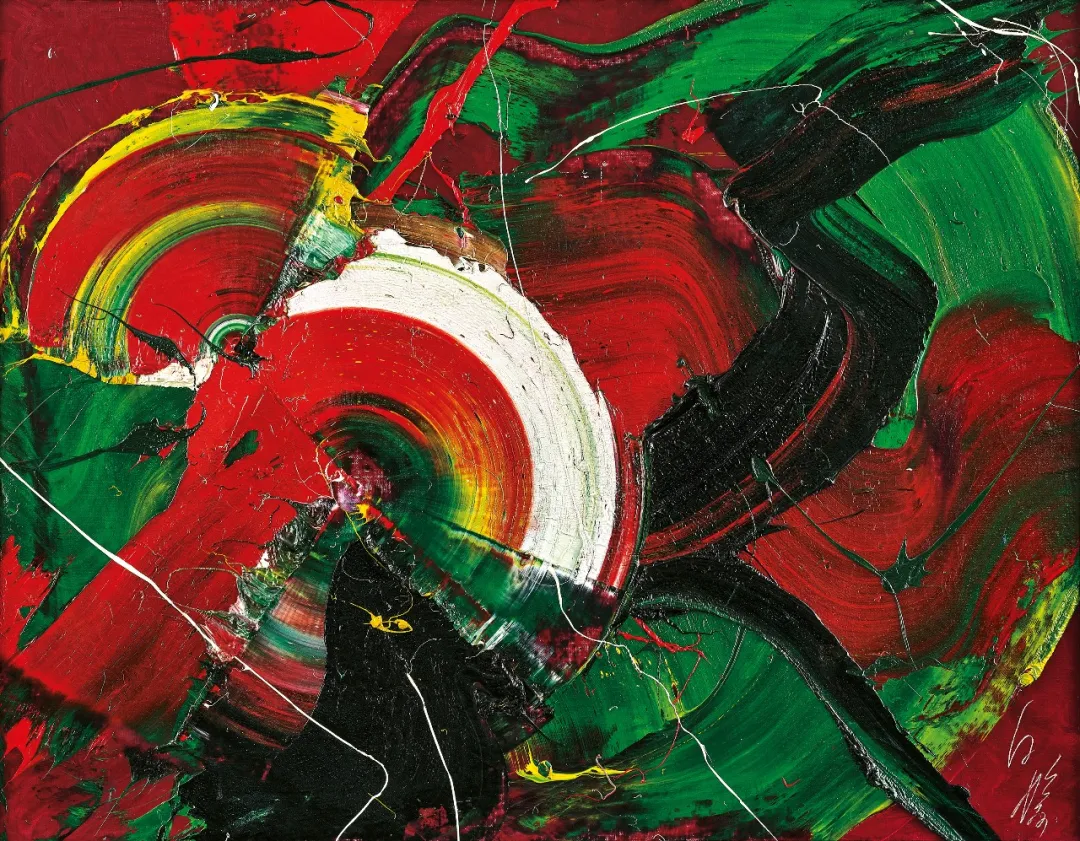
Shiroka Kazuo
Untitled
oil paint canvas
90.5 × 116.5 cm
Painted in 1966
Estimate: HKD 5.6 million to 9 million
On the left side of the painting, a fan shape resembling the movement of celestial bodies unfolds in layers of rotation and expansion. The exquisite arcs precisely capture the powerful centrifugal force and speed; while the silky lines that emerge at the beginning and end of each stroke demonstrate the artist's brilliant balance between freedom and control, chance and order.
In Japanese culture, fans are closely associated with purifying the mind and broadening one's path in life. This work is precisely how the artist transforms the "fan shape" symbol into a powerful visual imprint of the workings of life and the order of the universe.
In terms of color, the work subtly corresponds to the five elements of the Eastern Five Elements: green, yellow, red, white, and black. The dominant red is the "deep crimson" that Bai Fa Yixiong calls "blood color" and has favored throughout his life. It is the strongest voice of life and blood, burning like a flame, bringing passion, speed, and explosive power. It expands outward from the center to the entire picture, while the rich green is like the trees of a forest, bringing a calm and balancing force in the passion. The yellow of the earth is like the fertile soil that is nurturing new life. The powerful and clear white in the heart of the painting is like the radiant light that illuminates the earth. In contrast, the deep black is like a vast and deep still river.
The five colors collide, devour, and merge with each other, creating a vibrant, cyclical, and spiritually energetic microcosm that powerfully impacts people's minds with its visual tension.
Dreams take flight, stars nurture life
"From the Cradle of the Universe II" is a major representative work on the theme of the universe completed by Yoshitomo Nara, who was selected as one of Time Magazine's "100 Most Influential People in the World" in 2025. He went from being an unknown art school graduate to establishing himself as an independent artist in his Cologne studio, and held his first solo exhibition in Los Angeles, thus stepping onto the international art stage.
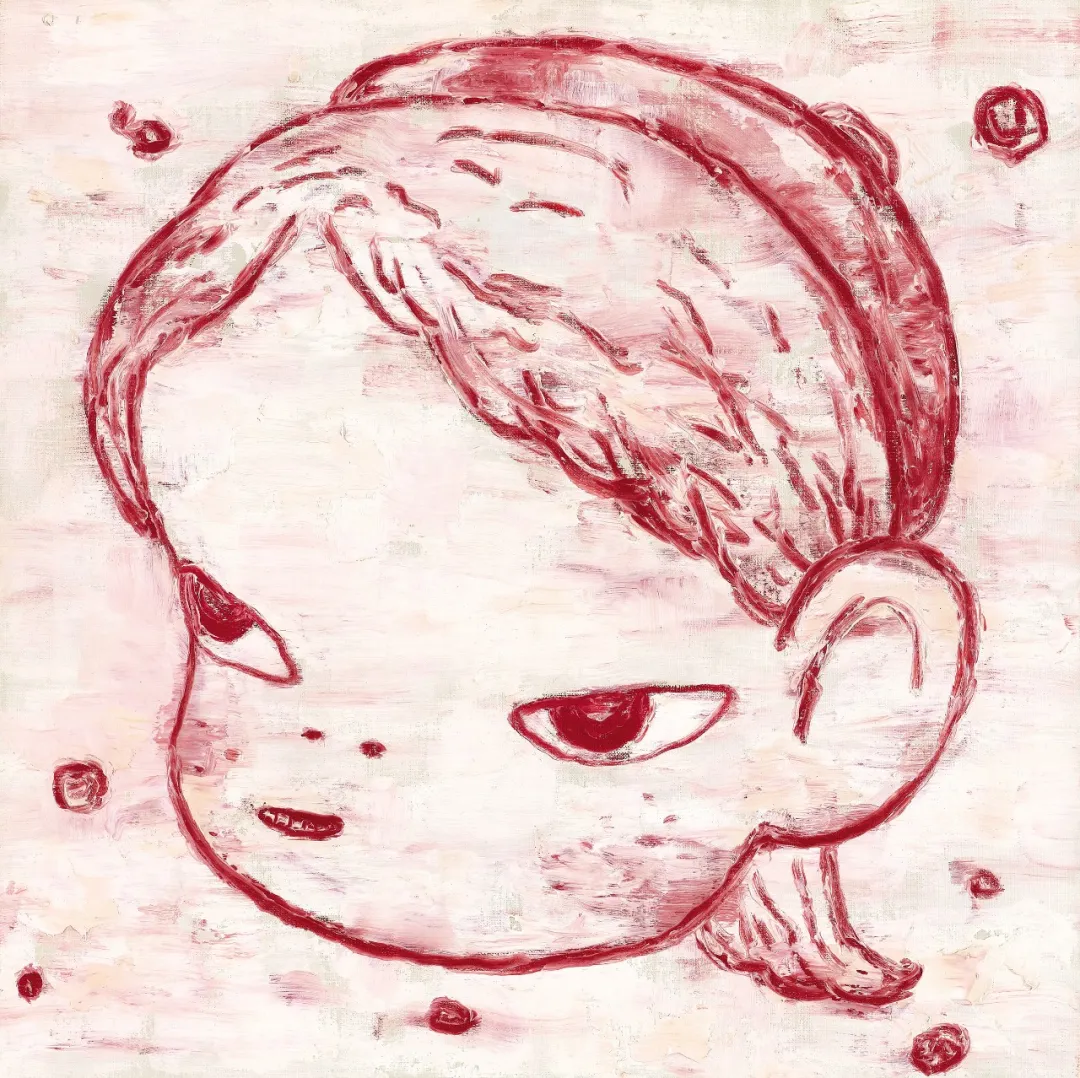
Yoshitomo Nara
Origins from the Cradle of the Universe II
oil paint canvas
60.6 × 60.6 cm
Created in 1995
Estimate: HKD 5 million to 8 million
In the painting, amidst the scattered galaxies, a girl wearing a headband and a ponytail is prominently enlarged in the center. Her eyes are sharp and bright, and her mischievous grin combines innocence and rebellion, naivety and determination, which is the most charming and classic representation of Nara's characters.
The image uses only red and white as the primary colors, but through variations in brightness and saturation, it showcases rich layers and textures, creating a visual effect reminiscent of flowing nebulae and a mysterious space scene in the background. The girl is like a solitary celestial body, yet she is also the center of her own universe. With bright and determined eyes, she faces the distance, ready to embrace all the wonders of the vast world.
The title of the work, "Cradle," symbolizes the initial shelter of life, while "Universe" represents infinite possibilities. Nara combines these two elements to convey to the viewer that every individual is born from the vast universe, a miracle of life. The girl symbolizes the explorer that always exists within us—the one who is willing to look up at the sky, maintain curiosity, and believe that the unknown world is still full of possibilities. There, the stars will ultimately shine!
A palette of dreams, a poem of love's colors
Chagall is a unique and irreplaceable figure in the history of 20th-century art. His works are beloved worldwide and collected by major museums around the world, such as the Museum of Modern Art in New York, the National Museum of Western Art in Tokyo, and the Grand Palais in Paris.
This time, we are honored to present Chagall's "Lovers in a Yellow-Green Village," completed in 1980. The artist skillfully divided the composition into four color areas, like a stained-glass window in a cathedral, condensing and shimmering with the splendor of life. The painting depicts lovers who, like giants, stand tall on the earth, embracing each other. This exaggerated proportion is Chagall's most representative poetic grammar. He broke the limitations of gravity and time and space. In the face of love, the real world is shrunk, and the soul gains infinite abundance.
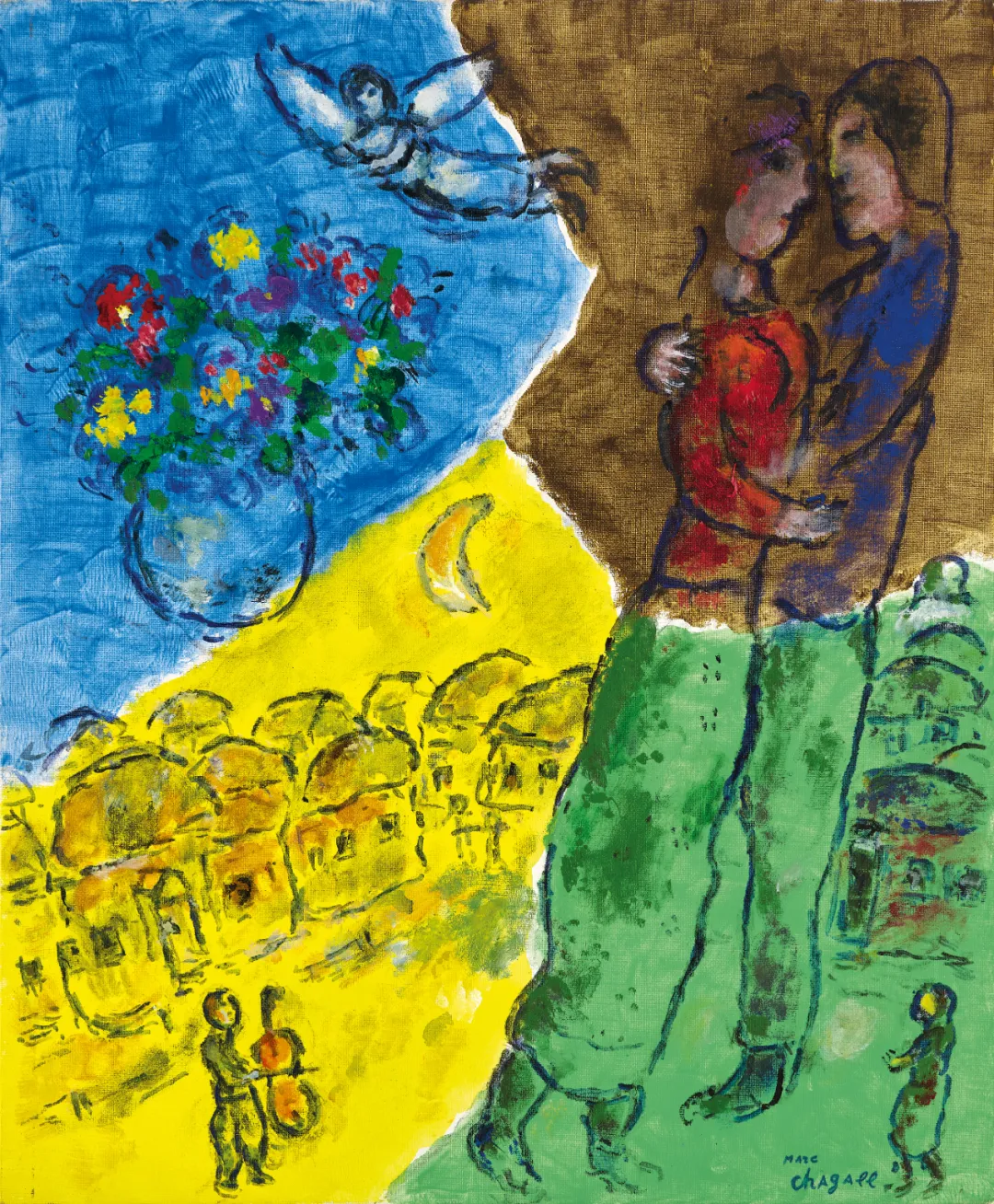
Chagall
Lovers in the Yellow-Green Village
Acrylic and oil paint canvas mounted on wooden boards
46.2 × 38 cm
Worked in 1980
Estimate: HKD 2.8 million to 4.8 million
The main figure in the painting, like a deity, receives the adoration of the world, and embodies the artist's most tender declaration of love for his wife. Between the lemon yellow and emerald green sections, the scenery of his hometown, Vitebsk, Belarus, is revealed: houses arranged in a charming, haphazard way, roofs with square and rounded elements, and a semi-encircling composition, exuding a fairytale-like charm. The classic violinist in his painting, amidst the fleeting dream of life, sings a song of freedom, accompanied by the crescent moon hanging serenely in the sky, as witnesses to eternity and love. And in the azure blocks, blooming flowers vibrantly proclaim the passion and abundance of life.
The cherubs flying above are messengers of divine messages from Jewish tradition and biblical stories, representing Chagall's lifelong faith. He is looking back at the lovers, offering them a blessing. The work begins with love, connecting homeland, music, and faith, and ultimately returns to love itself, forming a complete closed loop.
Chagall, with his dreamlike, segmented structure, reassembles life experiences, giving form to memories, color to emotions, and restoring wholeness to the world! Thus, memory and the present, homeland and reality, faith and love intertwine simultaneously, shining brightly across the vast expanse of time and space, ultimately becoming eternal. This work, treasured by the artist and his family for over 30 years, is making its auction debut this autumn, a rare collecting opportunity.
A tremor of the soul, a divine revelation beyond limits.
"The Five Aspects of God" is a significant milestone in the renowned British artist Damien Hirst's popular butterfly series. The work comprises five museum-quality masterpieces, converging into a magnificent artistic quintet with a divinely inspired and captivating visual impact:
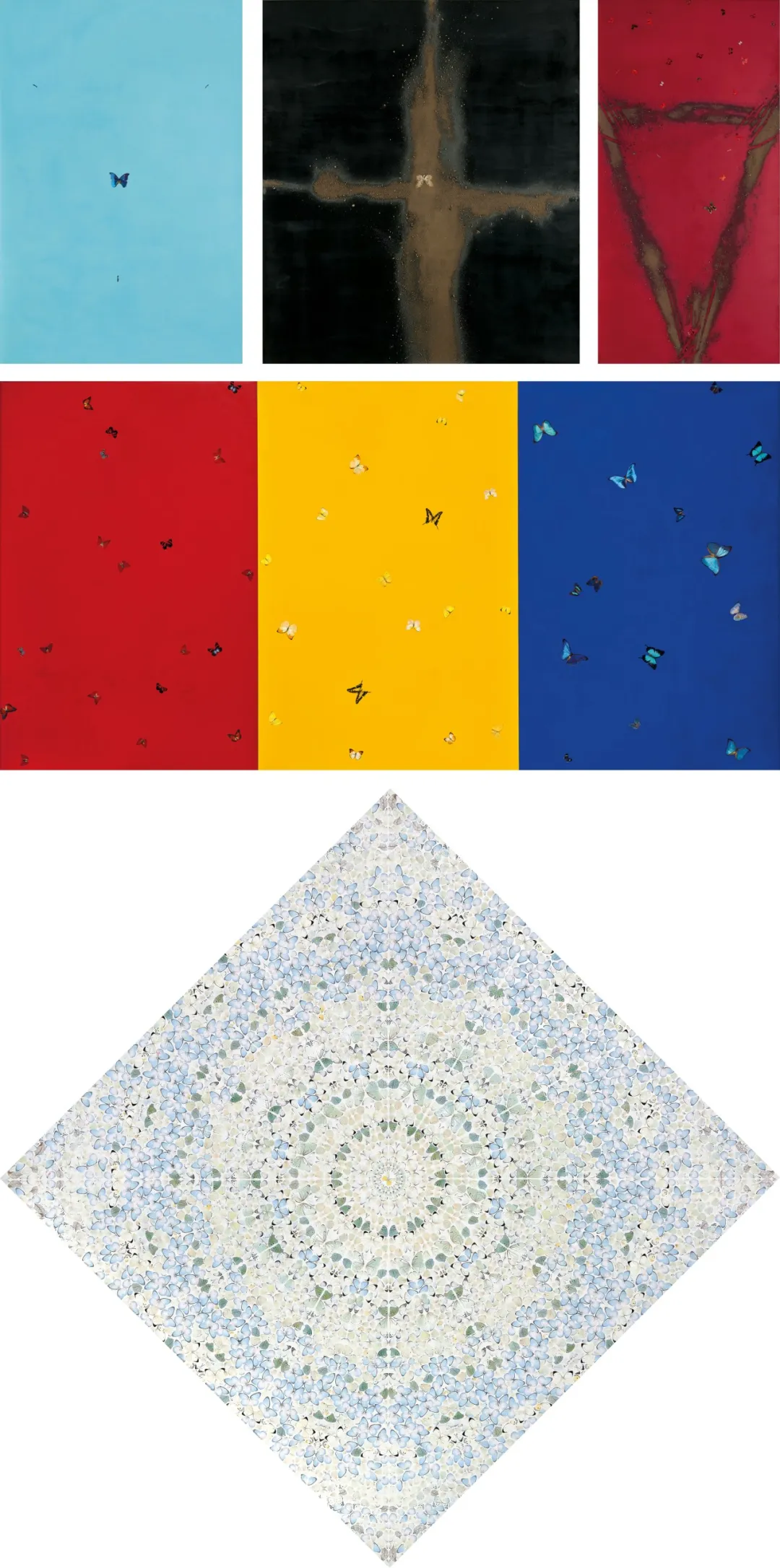
Damien Hirst
The Five Aspects of God - Birth
Butterflies, razor blades, and household gloss varnish on canvas
274.3 × 182.9cm
Created in 2007
The Five Aspects of God - Death
Butterflies, soil, pins, and household varnish on canvas
243.8 × 213.4cm
Created in 2007
Five Aspects of God – The Resurrection
Butterflies, razor blades, soil, pins, paper, and household varnish on canvas
304.8 × 152.4cm
Created in 2007
The Five Aspects of God – The Trinity
Butterflies, household gloss varnish on canvas
182.9 × 365.7 cm
Created in 2007
The Five Aspects of God - The Unity of All Things
Butterflies, household gloss varnish on canvas
302.3 × 302.3cm
Created in 2007
Estimate: HKD 8 million to 15 million
The juxtaposition of a single butterfly and a scalpel in "Birth" sets the stage for the arrival of life and the first wound.
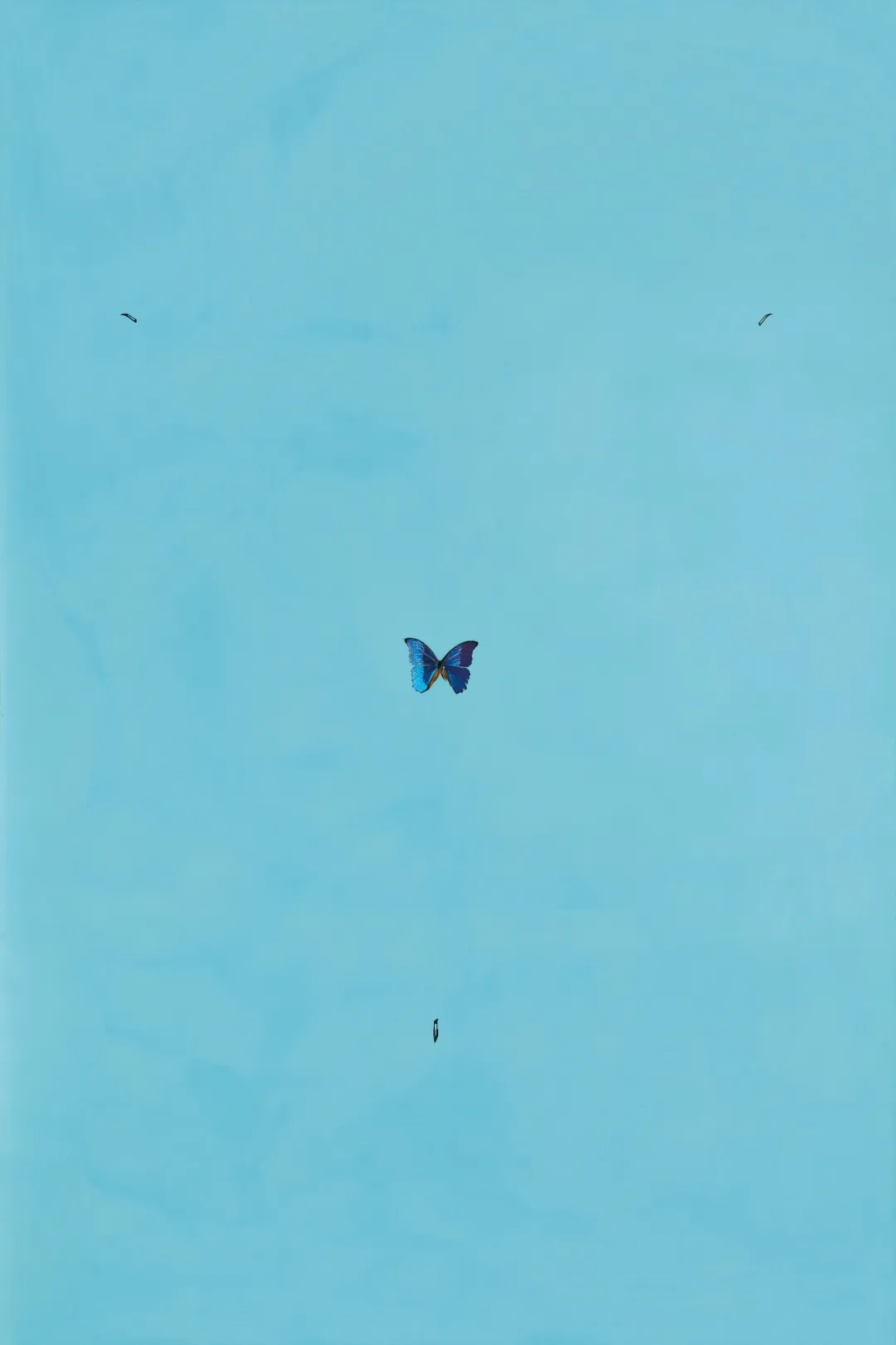
The Five Aspects of God - Birth
In "Death," the cross made of mud and sand tells us that life will eventually return to dust, but the power of faith can still ignite the light of hope and redemption in the darkest night.
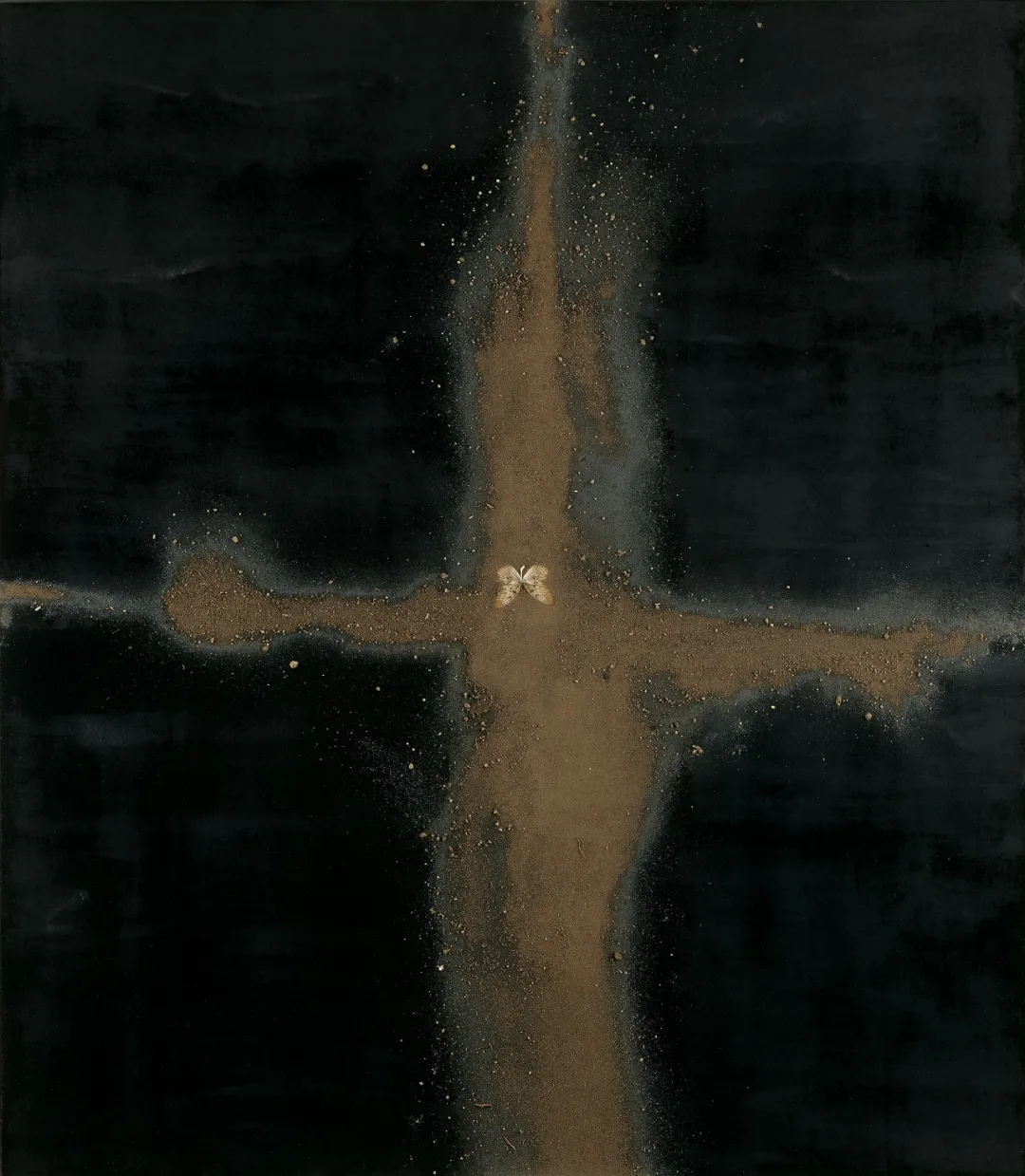
The Five Aspects of God - Death
Continuing in "Resurrection", we see butterflies breaking free from their restraints, emerging from the soil, and taking flight.
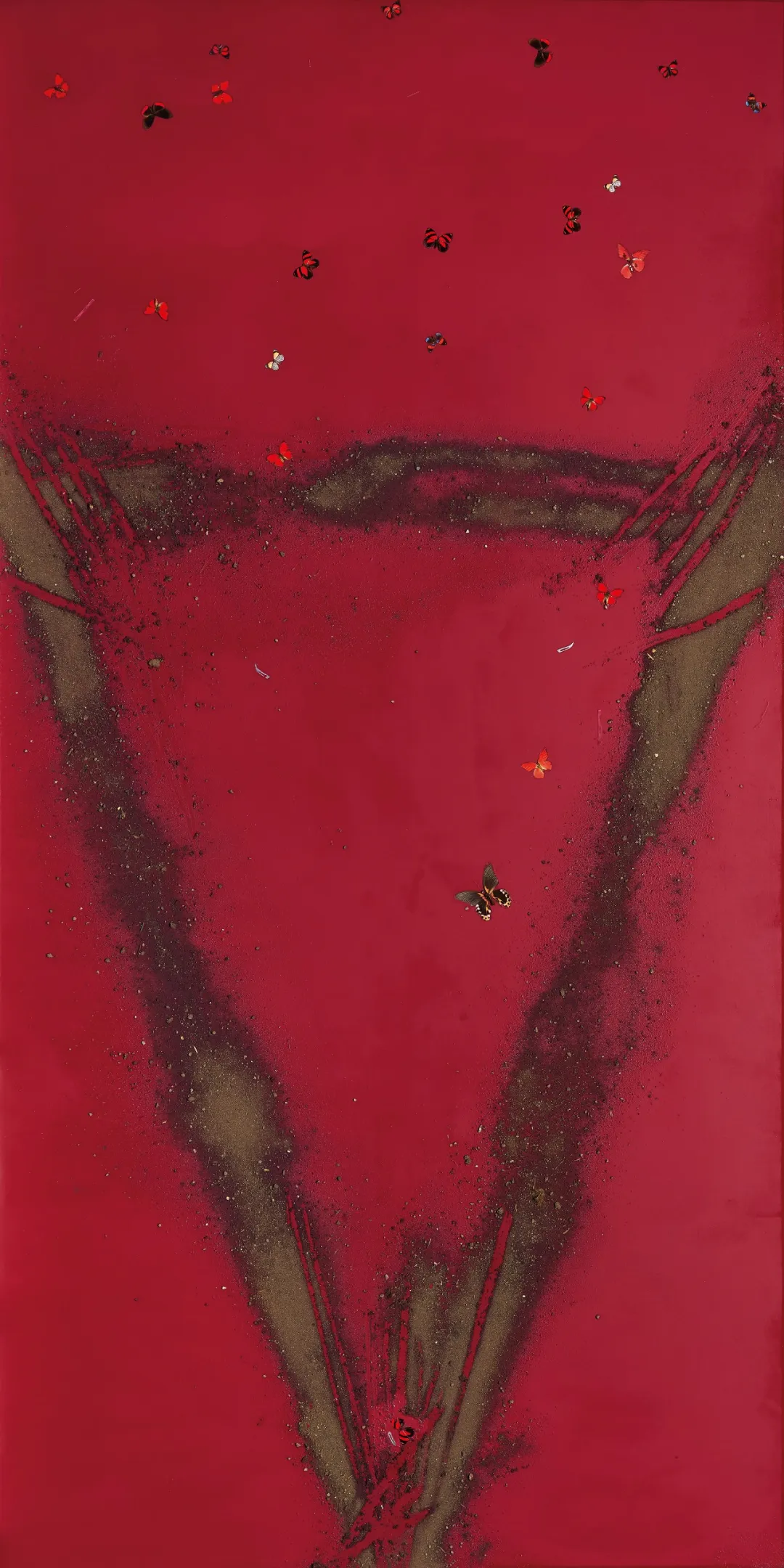
The Five Aspects of God - Resurrection
Then there's "The Trinity," which uses the form of a triptych altarpiece and the three primary colors of red, yellow, and blue to represent the Christian theological concept of the Holy Trinity of "Father, Son, and Holy Spirit," highlighting God's eternal omniscience, omnipotence, and omnipresence.
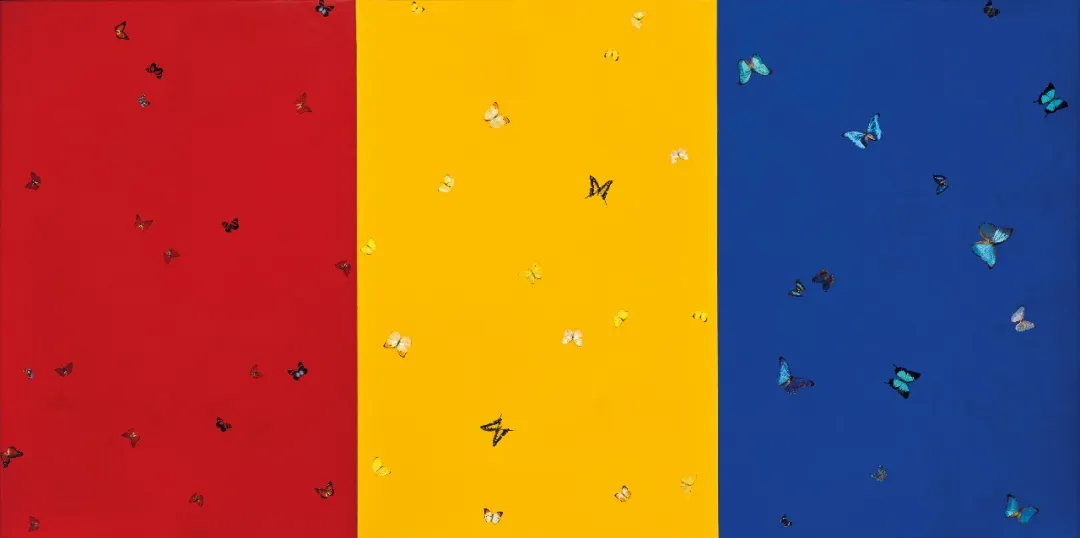
The Five Aspects of God - The Trinity
Finally, in "Unity of All Things," thousands of butterfly wings are pieced together to form a concentric circle structure like a kaleidoscope, showcasing the endless cycle of life and the unity of all things in the universe.
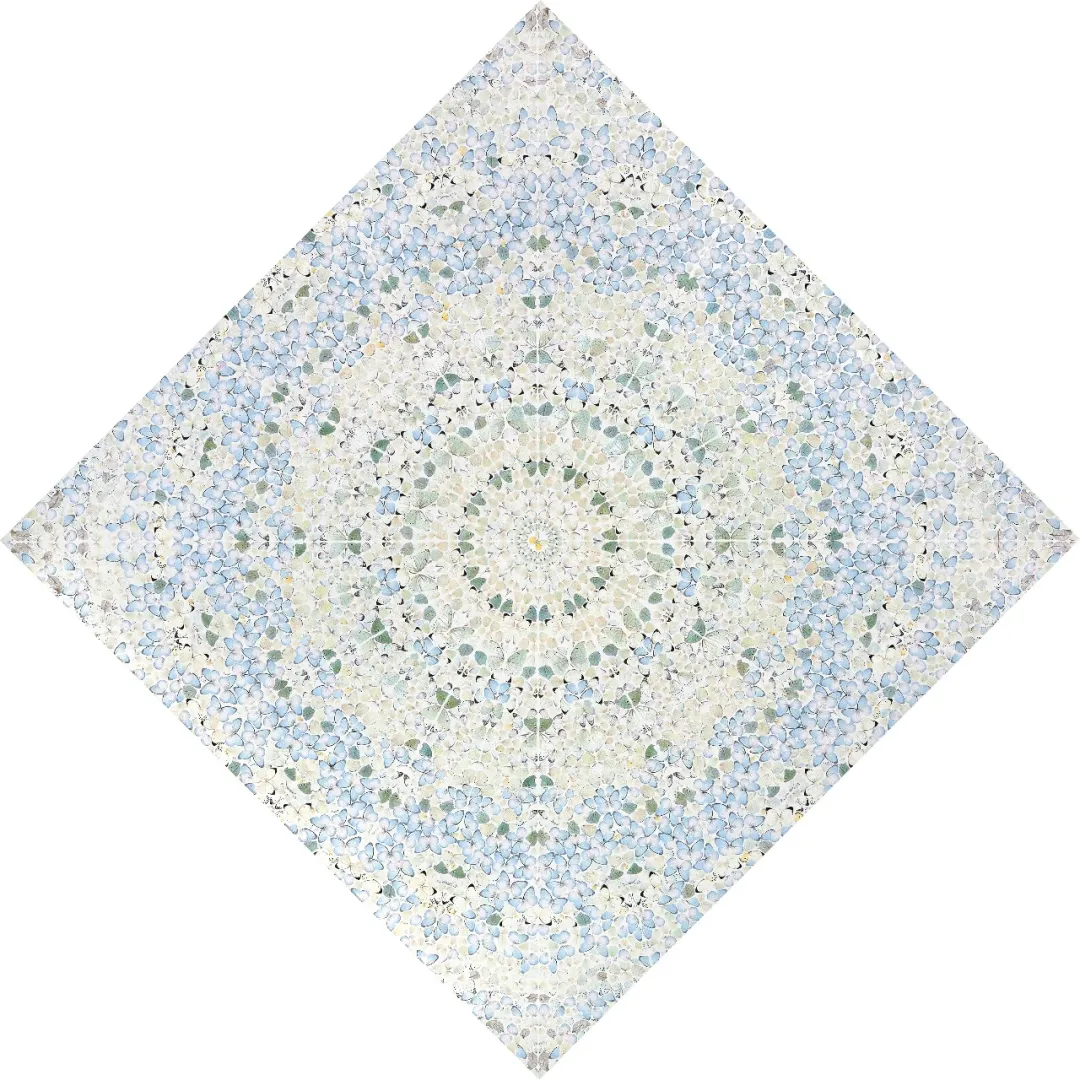
The Five Aspects of God - The Unity of All Things
This work is Hirst's largest and most conceptually driven series of paintings. Completed in the same year, it was exhibited at the Sacred Heart Church in Cologne, Germany, and has a well-documented provenance. The five works can be viewed independently, yet together they form a cyclical narrative about "birth, death, redemption, and eternity," a truly awe-inspiring epic masterpiece that transcends Western art history, natural science, philosophy, and theology.
More exciting auction items
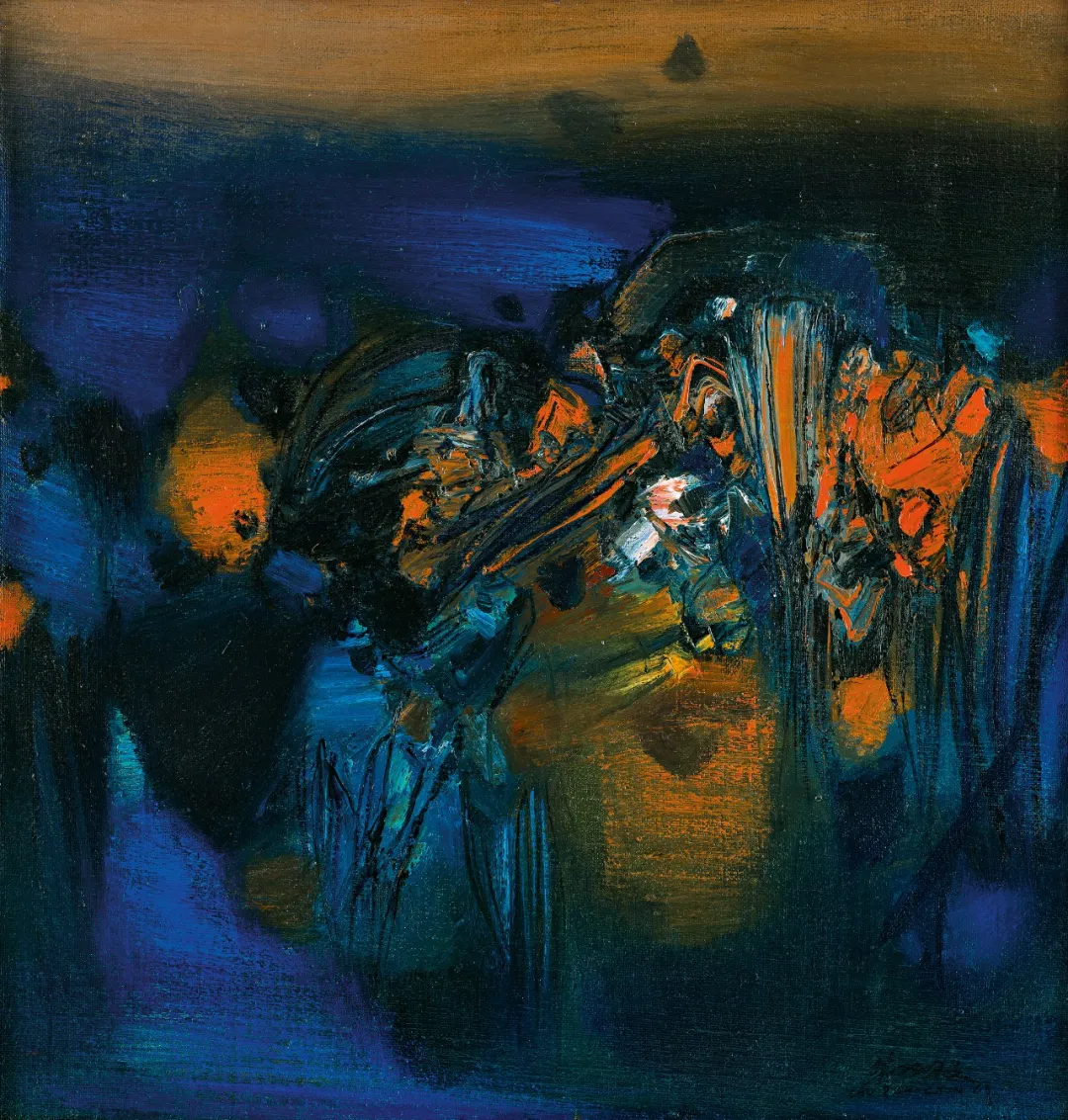
Zhu Dequn
Number 273
oil paint canvas
65 × 62 cm
Painted in 1968
Estimate: HKD 3 million to 5 million
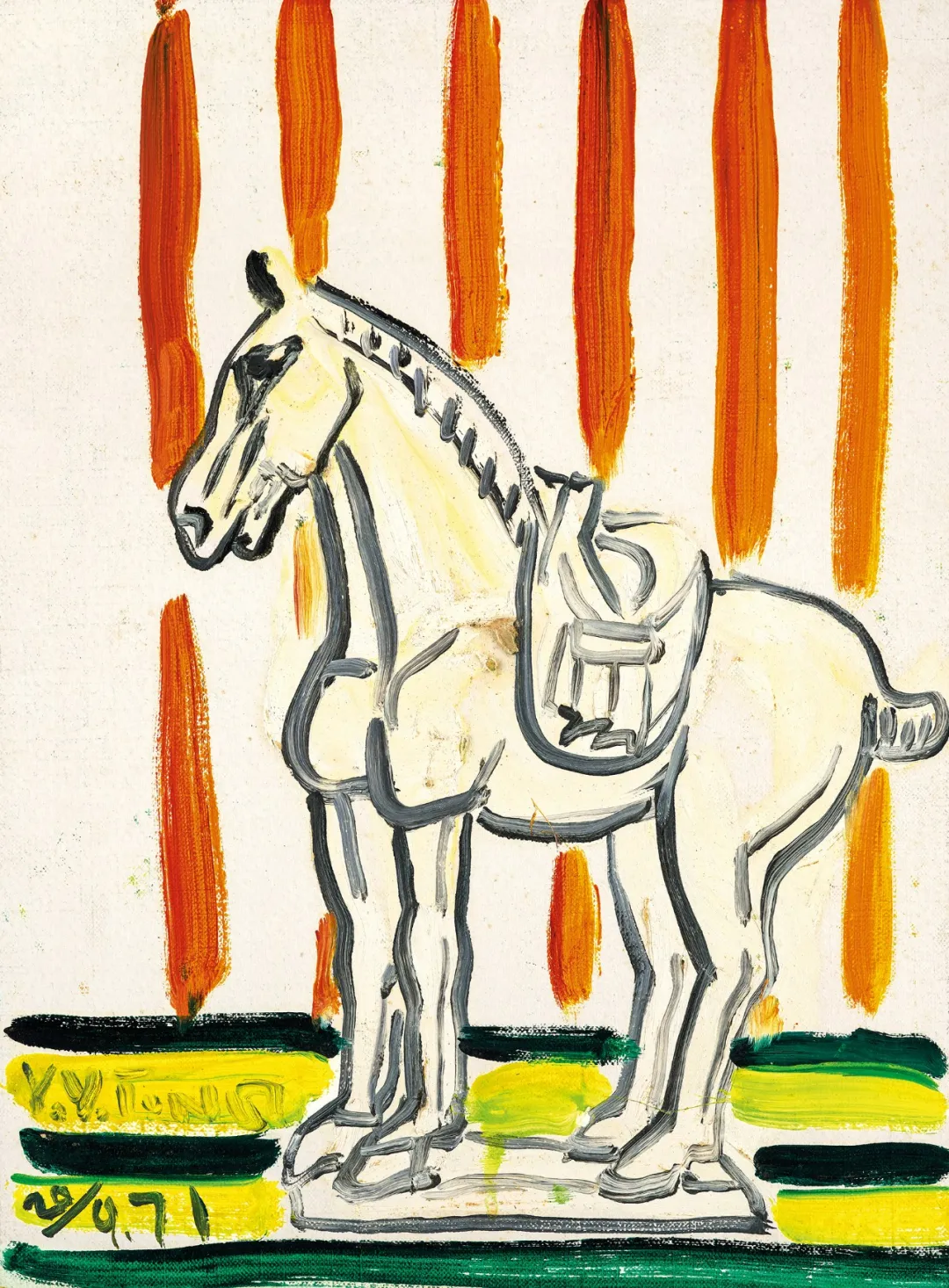
Ding Yanyong
Tang Horse
Oil painting board
41 × 31 cm
Made in 1971
Estimate: HKD 1.5 million to 2.8 million
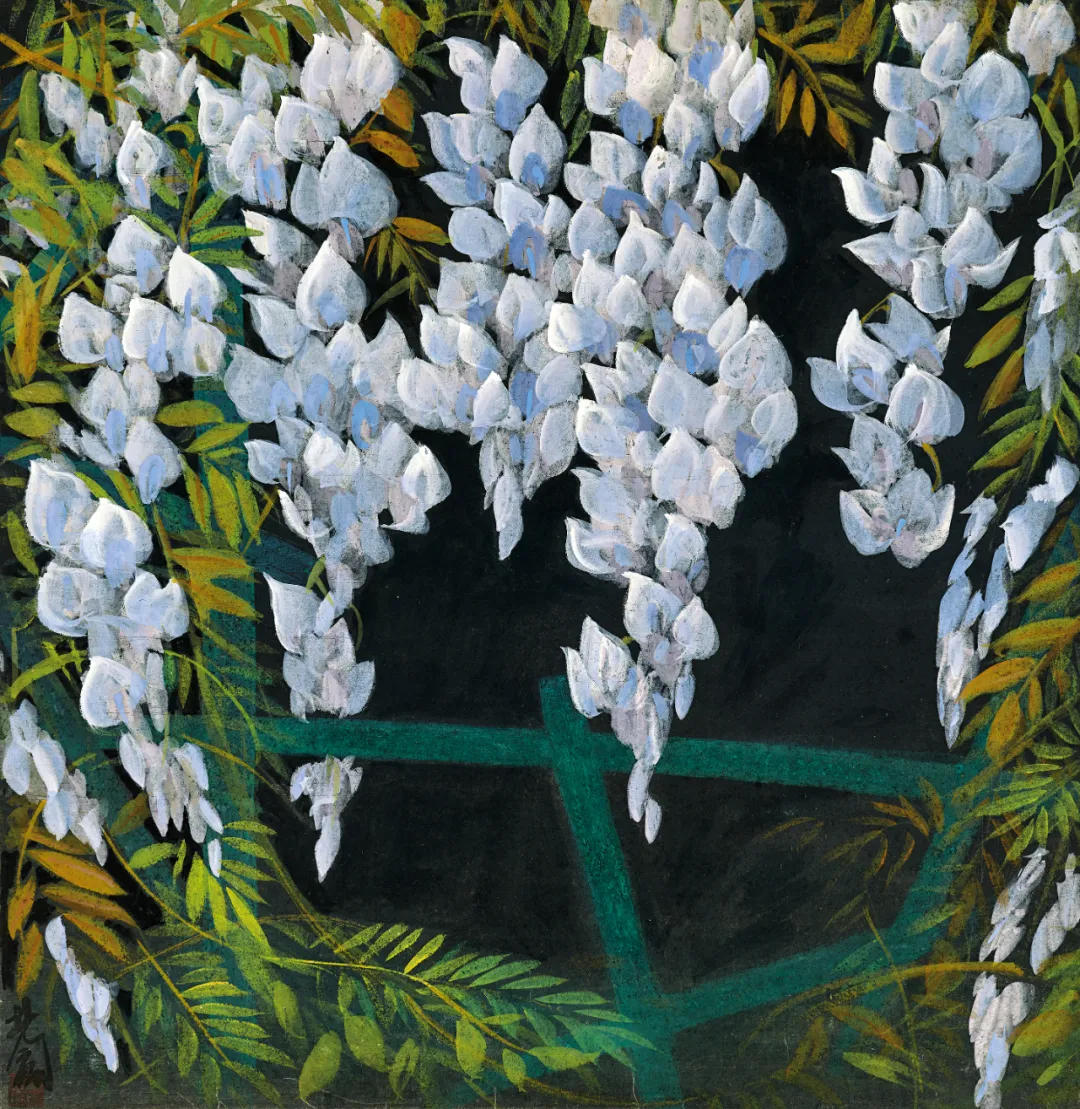
Lin Fengmian
Wisteria
Color ink on paper
67.5 × 66 cm
Made in the 1960s
Estimate: HKD 1.6 million to HKD 2.6 million
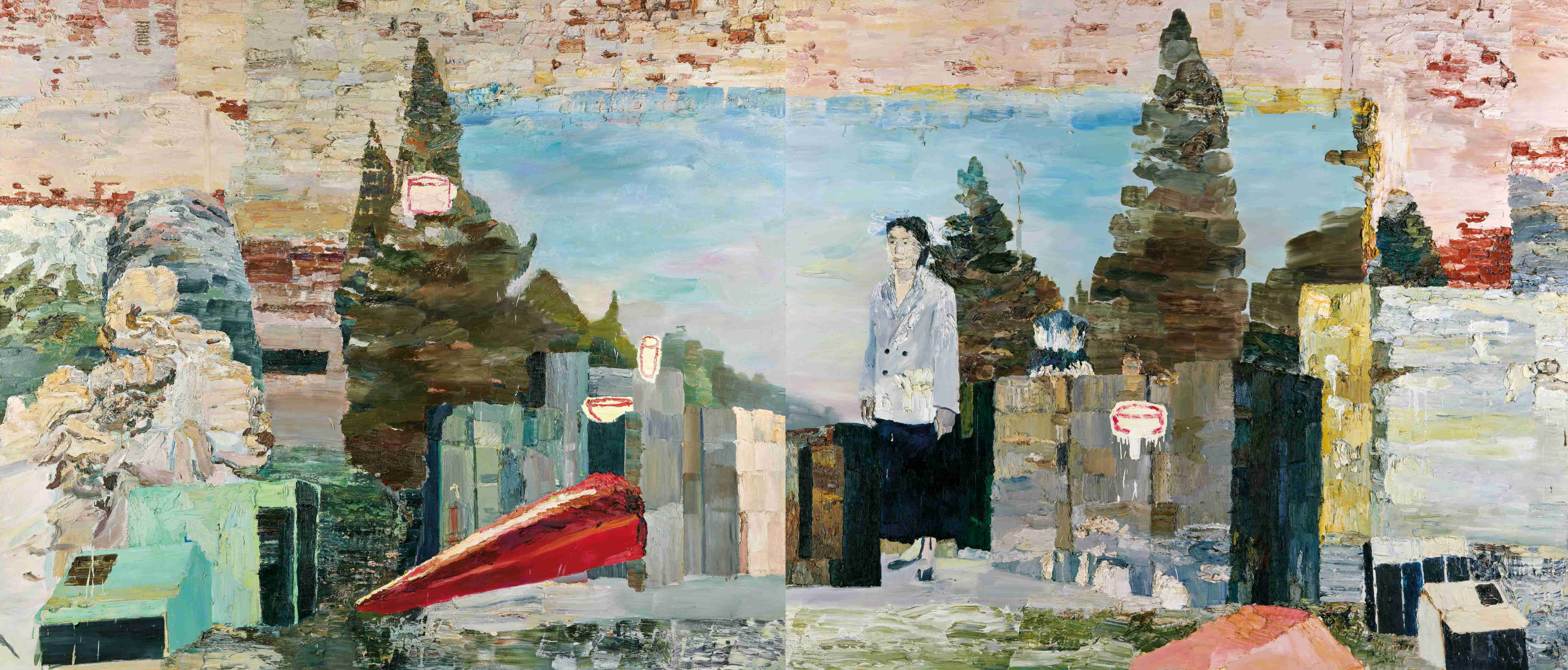
Qiu Xiaofei
"The Isolated Tree" (Diptych)
oil paint canvas
300 × 350 cm × 2
Created in 2010
Estimate: HKD 4.5 million to 7 million
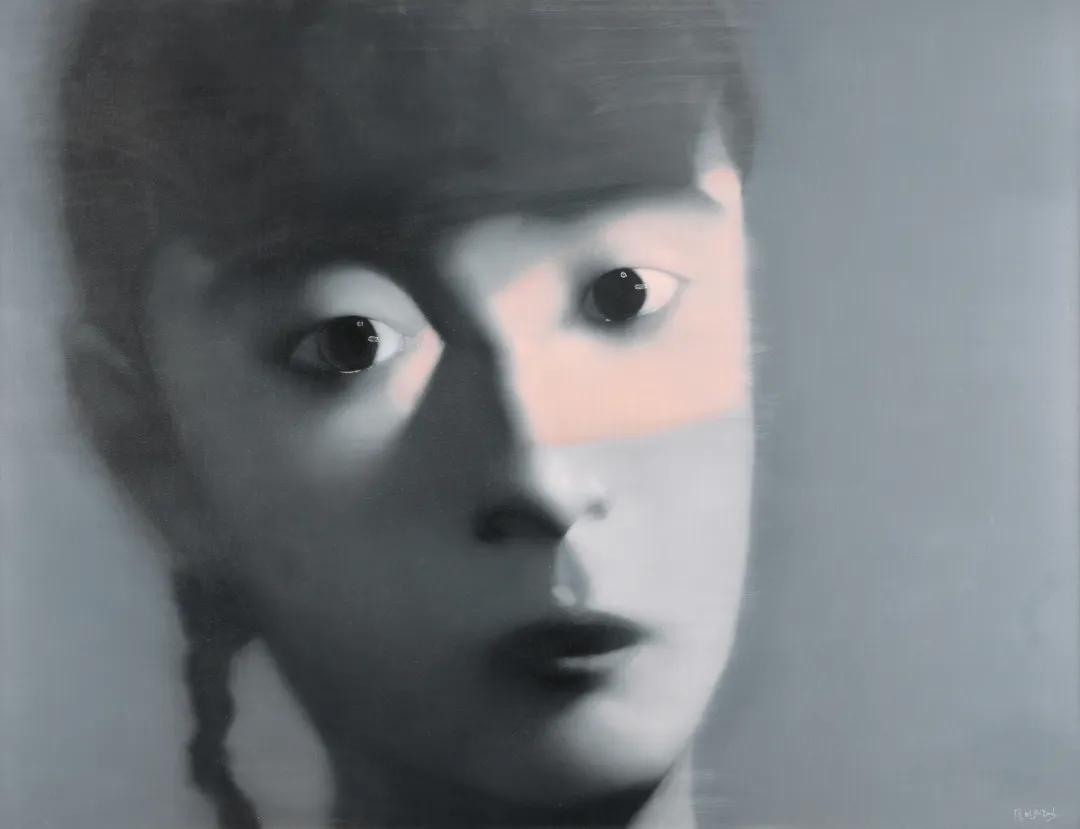
Zhang Xiaogang
Amnesia and Memory—The Girl with Braids
oil paint canvas
200 × 260 cm
Created in 2006
Estimate: HKD 2.1 million to 3 million
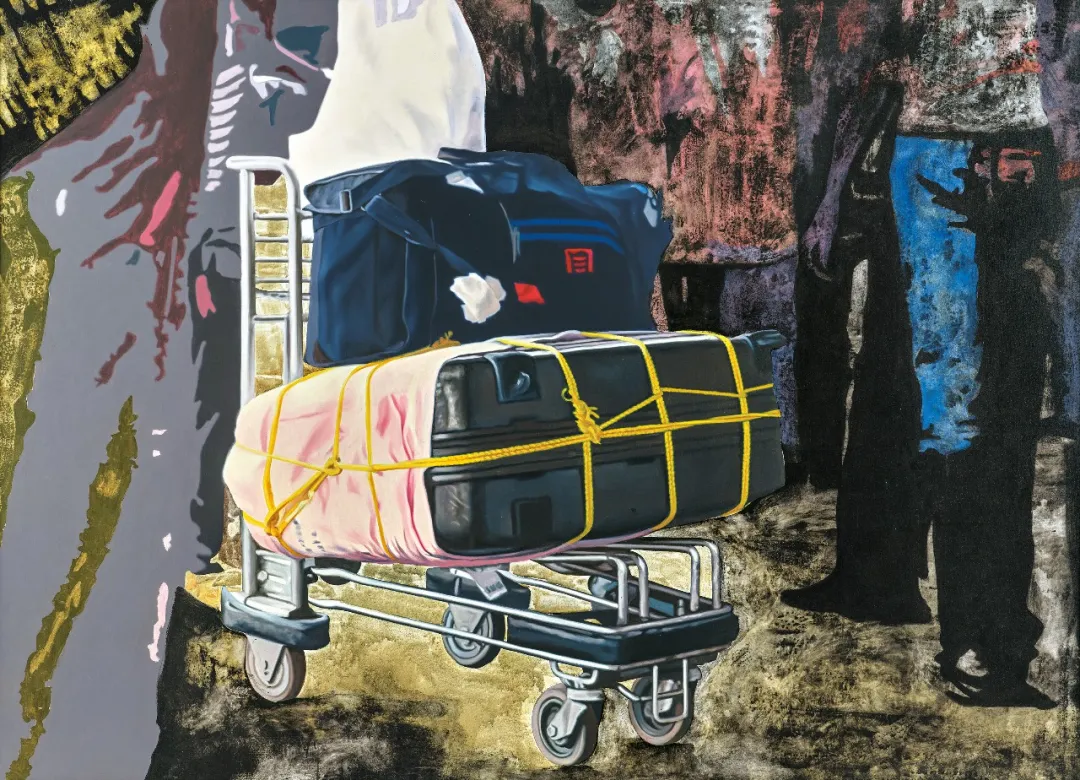
Subodh Gupta
Untitled
oil paint canvas
165.9 × 228.5 cm
Created in 2005
Estimate: HKD 900,000 to 1,500,000
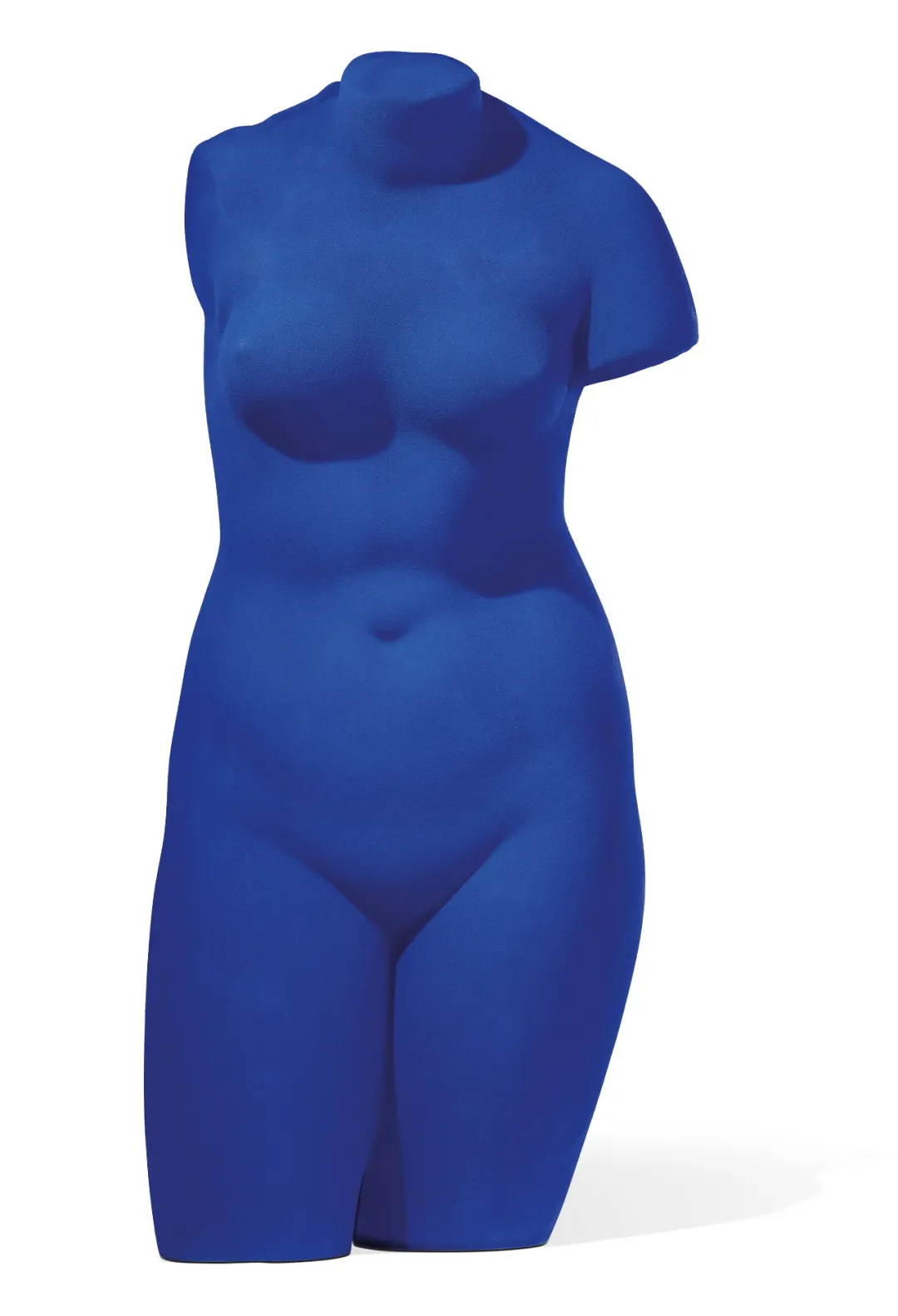
Yves Klein
Venus Alexandria (Blue Venus, S41)
Dry pigments, synthetic resins, plaster sculptures
Version number: Non-commercial version 10/50
69.5 x 30 x 20 cm
Painted in 1962, posthumously commissioned by the Klein Estate in 1982.
Estimate: HKD 550,000 to 850,000
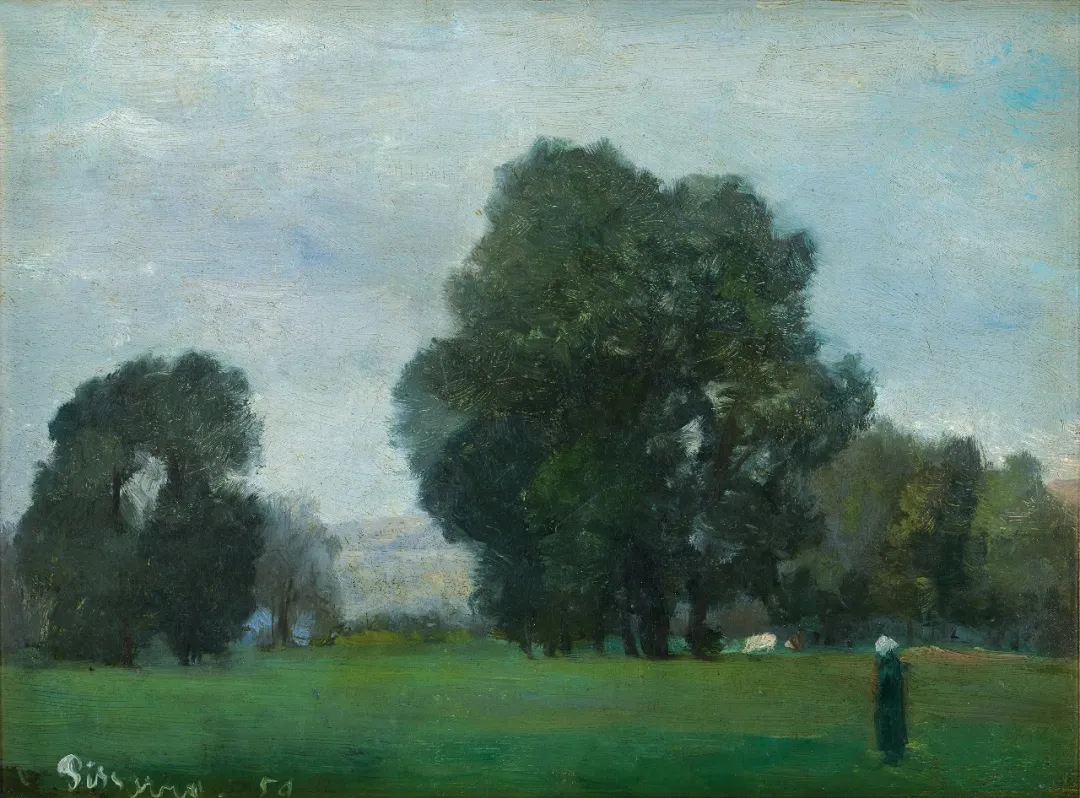
Camille Pissarro
"The Meadows of La Roche-Guillon"
Oil on paper mounted on canvas
17.4 × 24.2 cm
Painted in 1859
Estimate: HKD 450,000 to 850,000
Auction Arrangements
20th Century Modern and Contemporary Art in Asia
Taipei Preview:
September 12-13 | 10:00-18:00
Fubon International Conference Center
B2, No. 108, Section 1, Dunhua South Road, Taipei City
Hong Kong Preview and Auction:
October 3 to 8
Hong Kong Convention and Exhibition Centre, Hall 1DE
1 Expo Drive, Wan Chai, Hong Kong
Stay tuned to ArtPro for the latest updates on the global art market.