Based on Chinese contemporary art, discuss the important characteristics of Li Xiushi’s works and the deep emotions in her creation
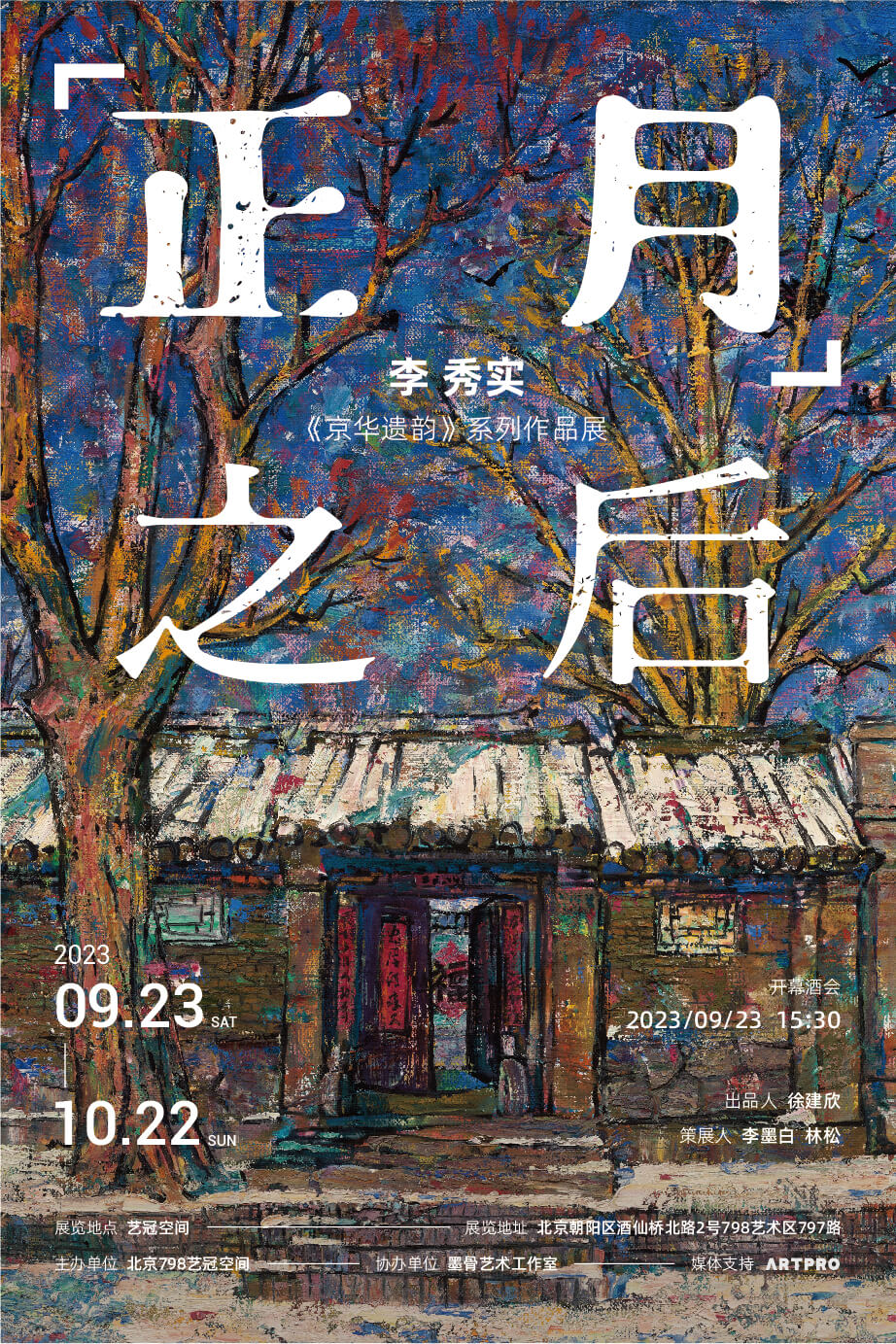
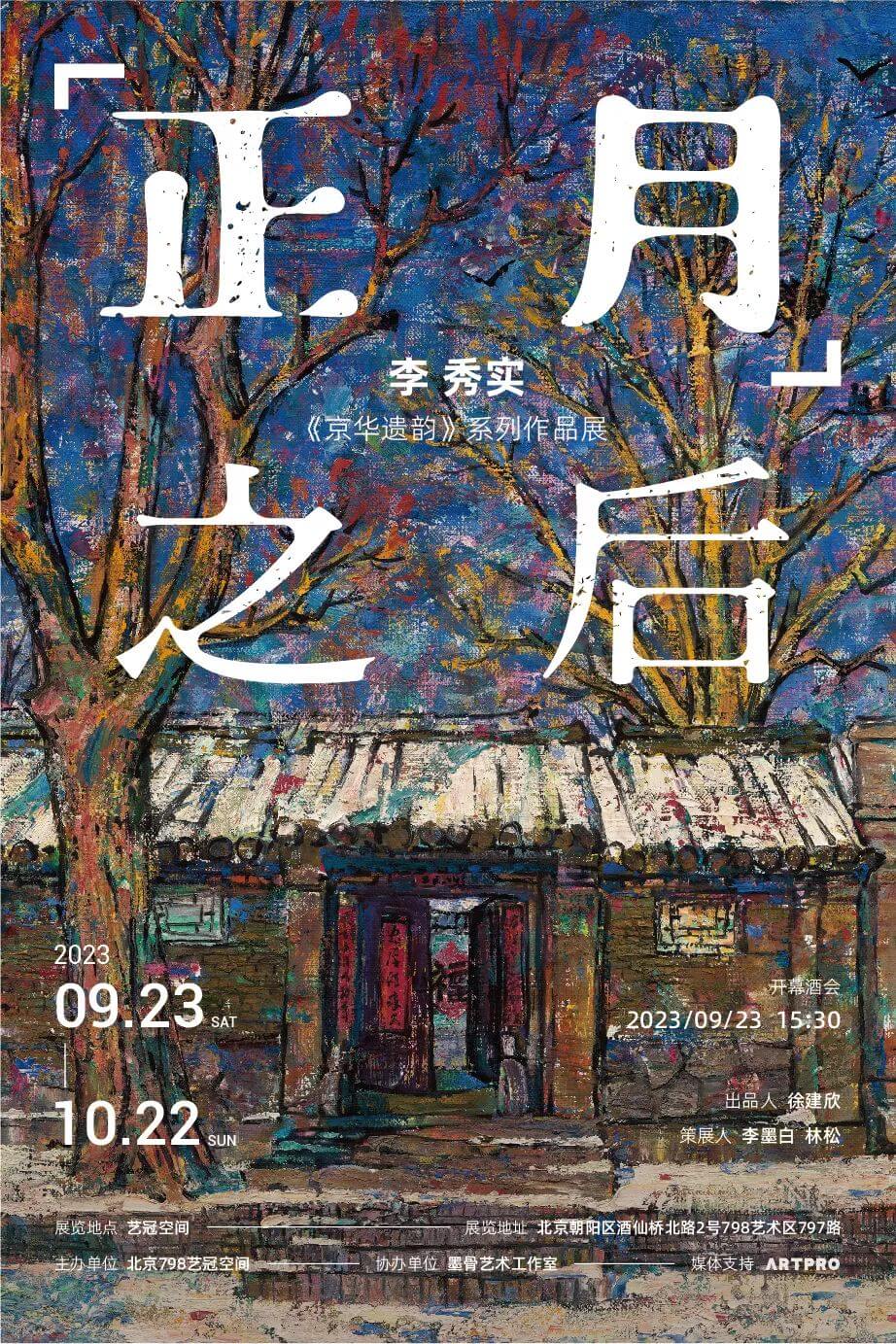
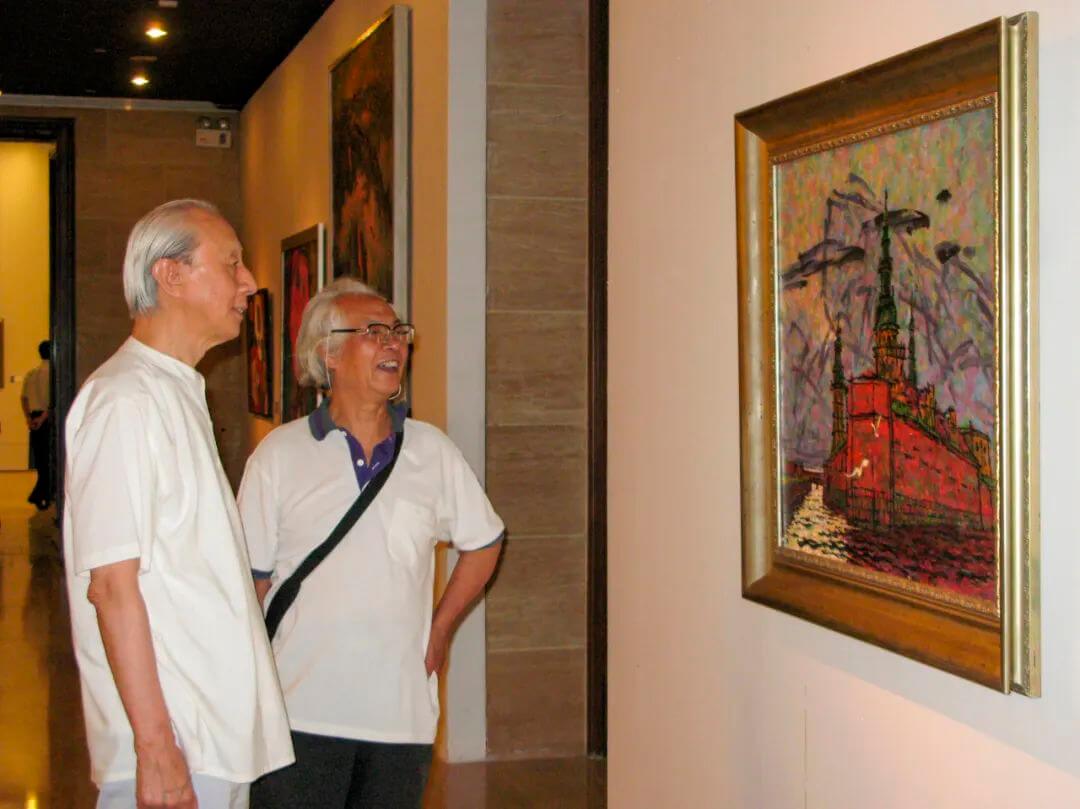
On September 23, 2023, Li Xiushi's "After the First Moon" opened at Beijing Art Crown Space. The exhibition selected Mr. Li Xiushi's "Beijing Heritage" series of works and comprehensively interpreted Mr. Li Xiushi's thinking and practice on Chinese and Western culture and art. The exhibition runs until October 22nd.
At 16:00 on September 23, four scholars and experts discussed Li Xiushi’s artistic creation. The guests present wereLin Song, deputy secretary-general of Beijing Gallery Association and founder of Hanmo Art Space, Yan Yan, deputy director of Today Art Museum, Tan Wei, director of China Contemporary Art Archives, and Li Mobai, independent curator of Mogu Art Studio.Through the speeches of these guests, we can have a deeper understanding of Li Xiushi’s artistic exploration and process, as well as his importance in Chinese contemporary art.
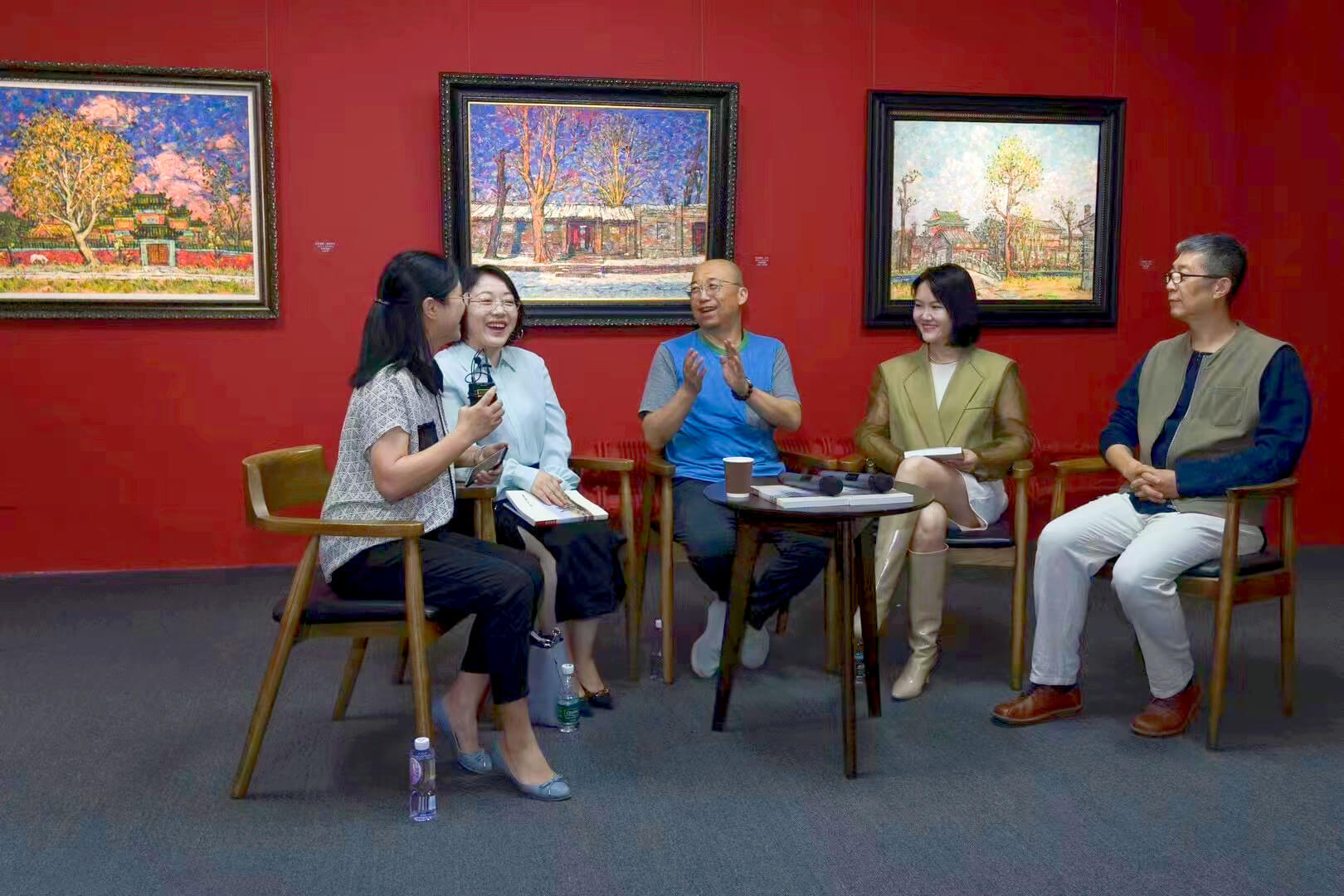
Lin Song, deputy secretary-general of Beijing Gallery Association and founder of Hanmo Art Space, gave a systematic explanation from the perspective of art history.He talked about the diversity and experimental development of Chinese contemporary art in the 40 years of reform and opening up, as well as the process by which old, middle-aged and young artists continue to imitate and experiment under the impact of Western ideological trends and the influence of various schools. The efforts and innovations of these artists have injected rich connotation and diversity into Chinese contemporary art.
In his early years, teacher Li Xiushi was famous for his realism and thematic creations. However, as Chinese contemporary art entered a new stage of exploration, teacher Li Xiushi also turned to abstract art. His works have changed from the traditional Chinese oracle bone inscription series to abstract works. This change is a new impact on Chinese contemporary art.His experimental and innovative spirit has allowed him to establish a unique mark in the contemporary art world, injecting new connotations into Chinese contemporary art.
Li Xiushi is one of the outstanding artists in the Chinese art world.Yan Yan, deputy director of Today Art Museum, believes that his artistic career is full of persistence, experimentation and exploration.Looking back on his artistic journey, we can discover how an artist constantly challenges himself and pursues innovation at different stages, as well as his profound love for art. In the process of creation, artists often explore and pursue the artistic expression method that best suits them. Just like ink bone oil painting to Mr. Li Xiushi, he regards it as the establishment and interpretation of a style. Sometimes it is even like a propositional composition, using some premises as the basis for creation. This personal label gradually formed a unique artistic style.

Tan Wei, Director of China Contemporary Art ArchivesSpeaking of it, Li Xiushi's ink bone oil paintings started in 1989, and in 1985, he participated in the Huangshan Oil Painting Conference and the 4th Beauty Congress. I reviewed some speeches at the US Congress at that time, which help to understand why Lee Soo-sil had such a big change, and what theories the theorists at the time put forward to inspire him. These academic reports cover the creation of young art groups, the current situation of Western art after World War II, and the impact of Western art trends on the history of modern Chinese oil painting. This belief has been with Lee Soo-sil throughout his life, allowing him to create works today that are free from the constraints of traditional Western painting methods and techniques.His works are not only a technical display, but also express the spiritual core.
The important characteristics of Li Xiushi’s works and the deep emotions in her creation
After years of artistic practice, Mr. Li discovered that the freehand spirit of Chinese literati paintings and calligraphy full of imagery expression are what he needs most. These two are not just "meaningful forms" and "emotional symbols", but ancient Chinese culture. Essence accumulated over thousands of years. He combined it with the colors of Impressionism and tried to establish a set of "pictorial language" that was both his own and able to communicate with the world in a modern context.
In decades of artistic creation, I have pursued various pursuits from realism to freehand brushwork, from concreteness to abstraction, from characters to landscapes, but how do I form my own style? When I was exposed to Chinese painting since I was a child, I was deeply impressed by the "Six Methods" of my ancestors, and I deeply felt the profoundness and beauty of Chinese calligraphy. When I was studying at the Academy of Fine Arts, I also had a special liking for the color charm of the Impressionist expression techniques. Therefore, in the "Beijing Rhythm" series of works, I wanted to use a completely different expression language from the past, between Western Impressionism and Eastern literati paintings. During this period, between the overall concrete expression and the local points, lines, and surfaces, he uses relaxed and flowing music melody to deal with the deep and heavy sense of the picture, painting works with Chinese cultural connotations, and seeking his own artistic style.
——Lee Soo-sil
Yan Yan, deputy director of Today Art MuseumMentioned, Lee Su-sil's works are known for their rich and colorful colors, especially in the paintings of night scenes and lanterns. He is able to vividly express the color effects in the night, which is very similar to Monet's paintings of ponds and night scenes with falling leaves, but Lee Soo-sil's colors are more vivid and rich.He is good at using bright colors to stand out against rich and colorful backgrounds. This formal language is full of richness and conflict., which is also one of the reasons why his works are attractive.
Lee Soo-sil's work is also very modern, using pigments to create highly saturated colors that fit in with today's visual styles of consumerism and advertising. His work presents unmixed colors that are more directly relevant to today's public's visual reception and connection.This sense of modernity and style makes his work very relevant today, provides us with important topics for discussion.
Lin Song, deputy secretary-general of Beijing Gallery Association and founder of Hanmo Art SpaceIt was pointed out that Li Xiushi's works are full of deep emotions, expressing real memories and emotions about the scenery, customs and life. These emotions are expressed through the artist's lifetime of experience and exploration and become part of the work. This makes these worksHistorical value, social value, humanistic value, artistic value and cultural value also carry personal experiences and emotions.
Academic research on older generation artists and works
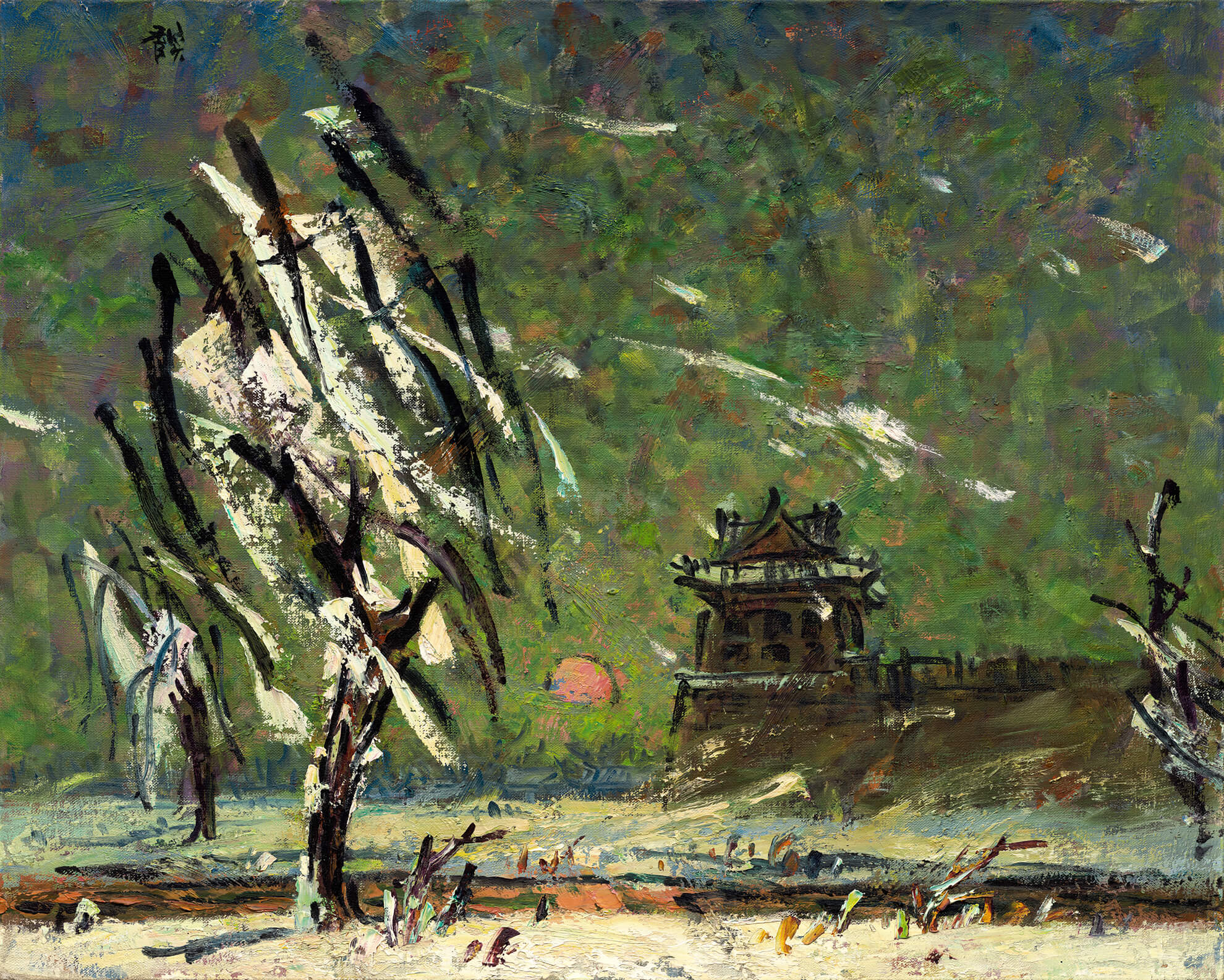
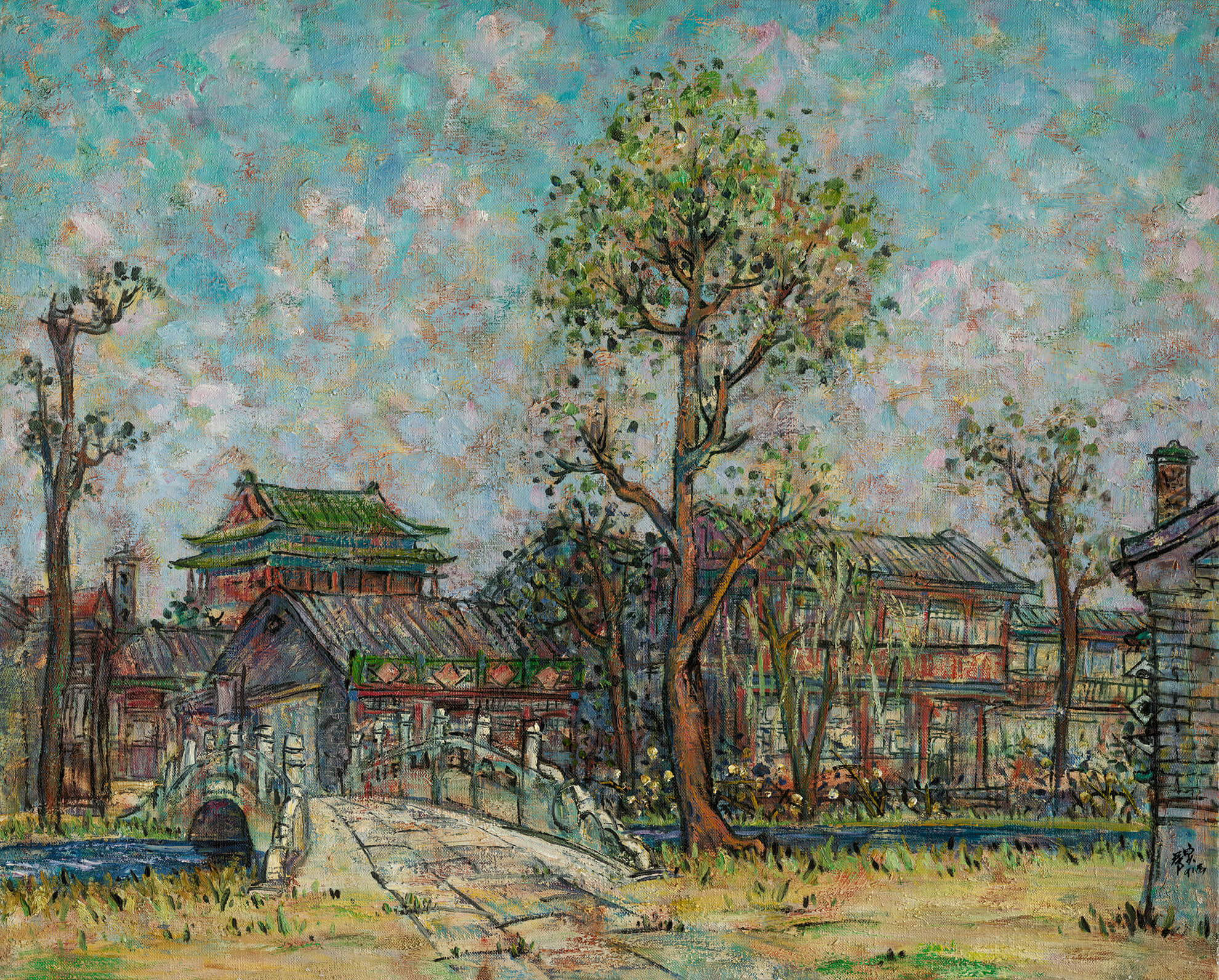
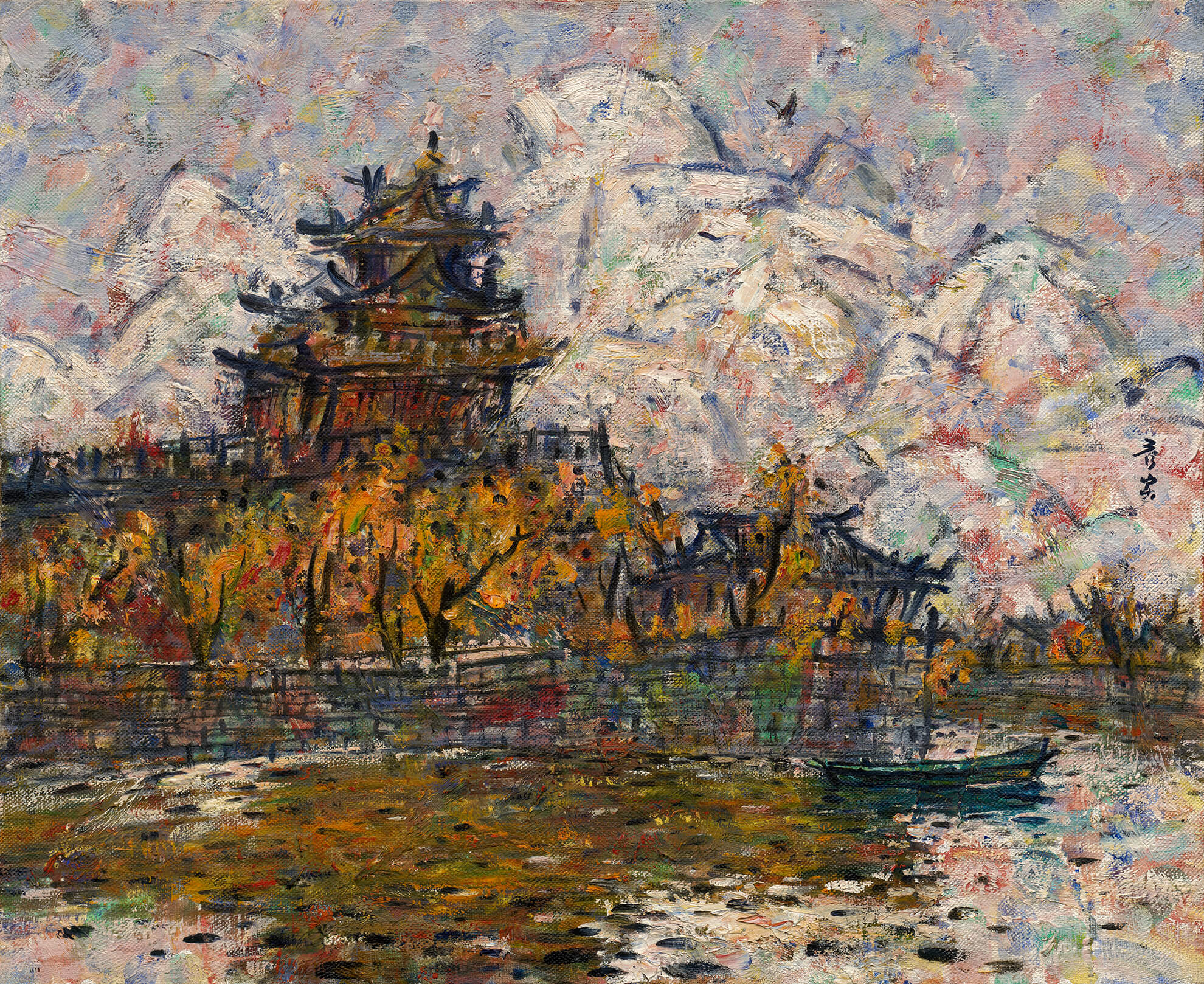
However, there are two most difficult problems to solve when converting freehand lines into oil paints in Chinese paintings. One is how to change the three-dimensional space of the oil painting landscape into a two-dimensional space, and the second is how to naturally insert black into the tones of the picture. Lee Soo-sil's solution is to convert the overall space of the painting into a flat or semi-flat surface, but the colors will never be flat. Instead, the color blocks with contrasting cold and warm colors will be scattered, staggered and overlapped, and the white background of the canvas will be appropriately left breathable... …
Tan Wei, Director of China Contemporary Art ArchivesSpeaking of it, micro-history is very important for Sinicization and the research path of Teacher Li. Exploring techniques, the combination of Chinese and Western techniques, or how Western techniques transcend them may seem limited because today's research methods are no longer limited to techniques. From the perspective of historical slices and micro-history, including the background, creative process and thoughts of each painting, there may be more depth. As people who do archival science, we pursue three certificates, that is, supporting the administration, assisting the administration, and dictating. This can also be applied to Teacher Li’s research.His works can be regarded as supporting and assisting the administration, as well as oral history and documentary materials of the general background of the times.
It will be more interesting to study Mr. Li's works in depth through this method, which will highlight his importance in the history of art as a whole. Some artists from the 1970s and 1980s to today may have been forgotten by history, but by reorganizing their history, especially from the perspective of correspondence and micro-history, we can re-explore their artistic conception and changes in their paths, which also represents that period. The common memory of a generation makes the study of artists of the older generation more interesting.
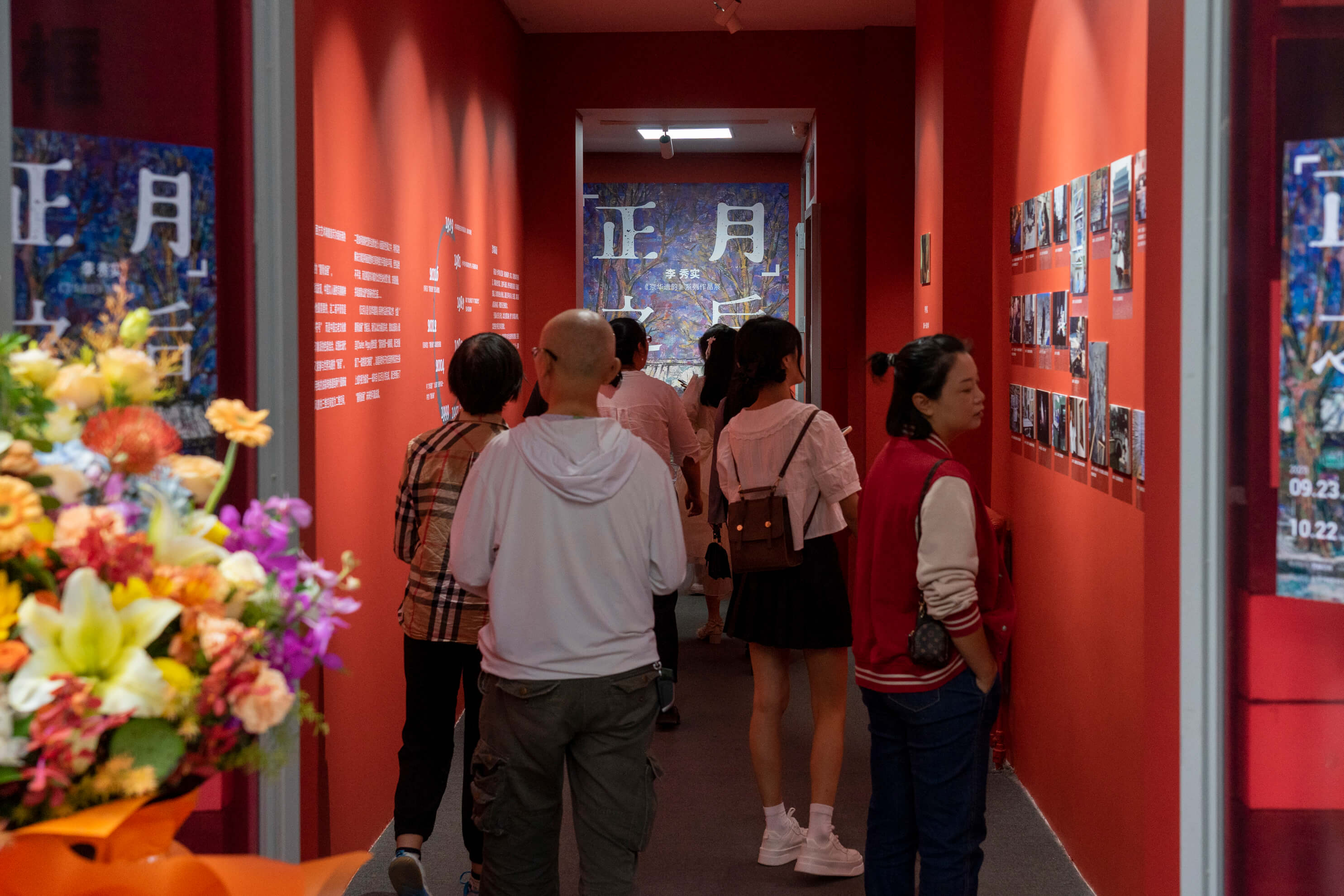
The birth of "ink bone oil painting" expresses the characteristics of love
Mr. Li Xiushi’s love for Beijing is romantic, colorful and full of cultural collisions.
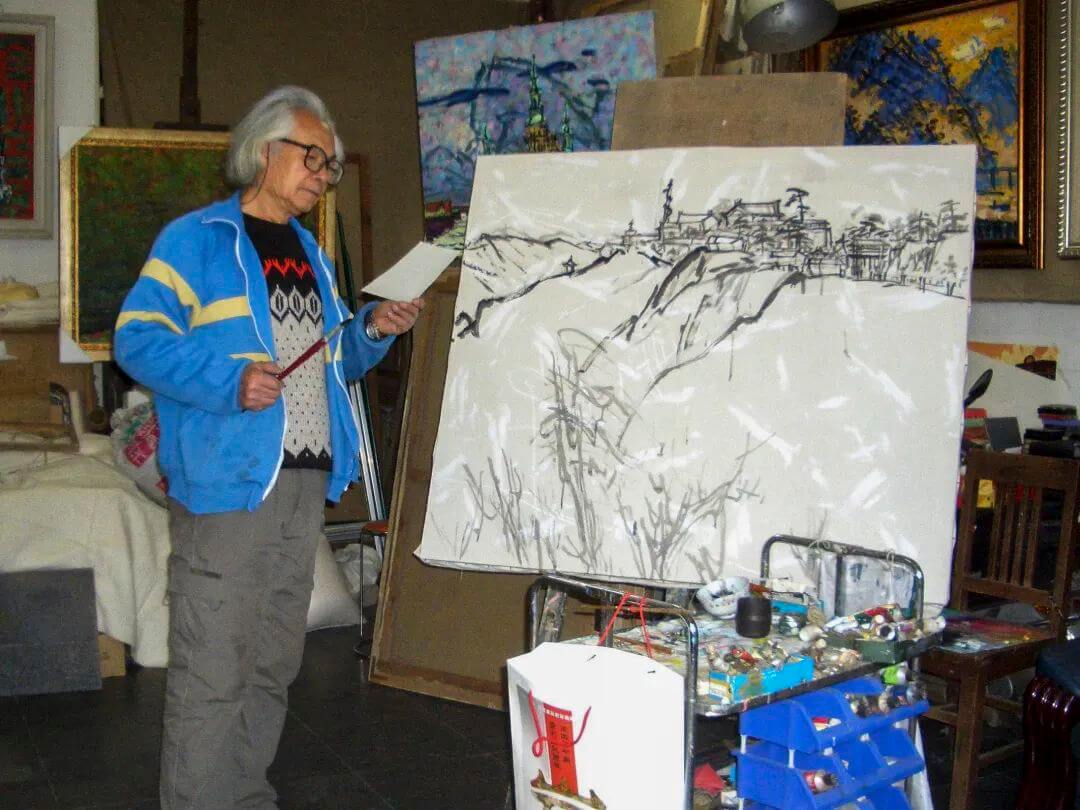
In Mr. Li Xiushi's paintings, the sky is not only blue, but also green in the old wind and snow, yellow in the frost, and purple in the Black Dog series. If you look carefully, every piece of yellow, green or There are more and smaller colors in blue, some are adjacent, some are staggered, some are overlapping, or they meet. This is Mr. Li’s post-impressionist rich color layout. At the same time, Mr. Li also uses the modeling techniques of Chinese painting - Lines are interspersed in it. On the basis of "bone method and brushwork", it transcends the outline constraints of objects and intersperses across boundaries, breaking the rules of traditional oil paintings based on surface modeling, thus forming an extremely personal expression of painting language and achieving the integration of Eastern and Western art. The essence is all in the freehand realm that I use.
This is Mr. Lee Soo-sil's original "ink bone oil painting".
"The First Moon" is the first work in the series "The Rhythm of Beijing".It is also the starting point of "ink bone oil painting", we named the exhibition after this, as the French poet Charles Péguy once said: "Monet's first water lily has already repeated all other water lilies." This strange sentence may be more appropriate for Mr. Li Xiushi - perhaps the completion of "The First Moon" has already foreshadowed the considerable achievements of "Ink Bone Oil Painting" in the future.
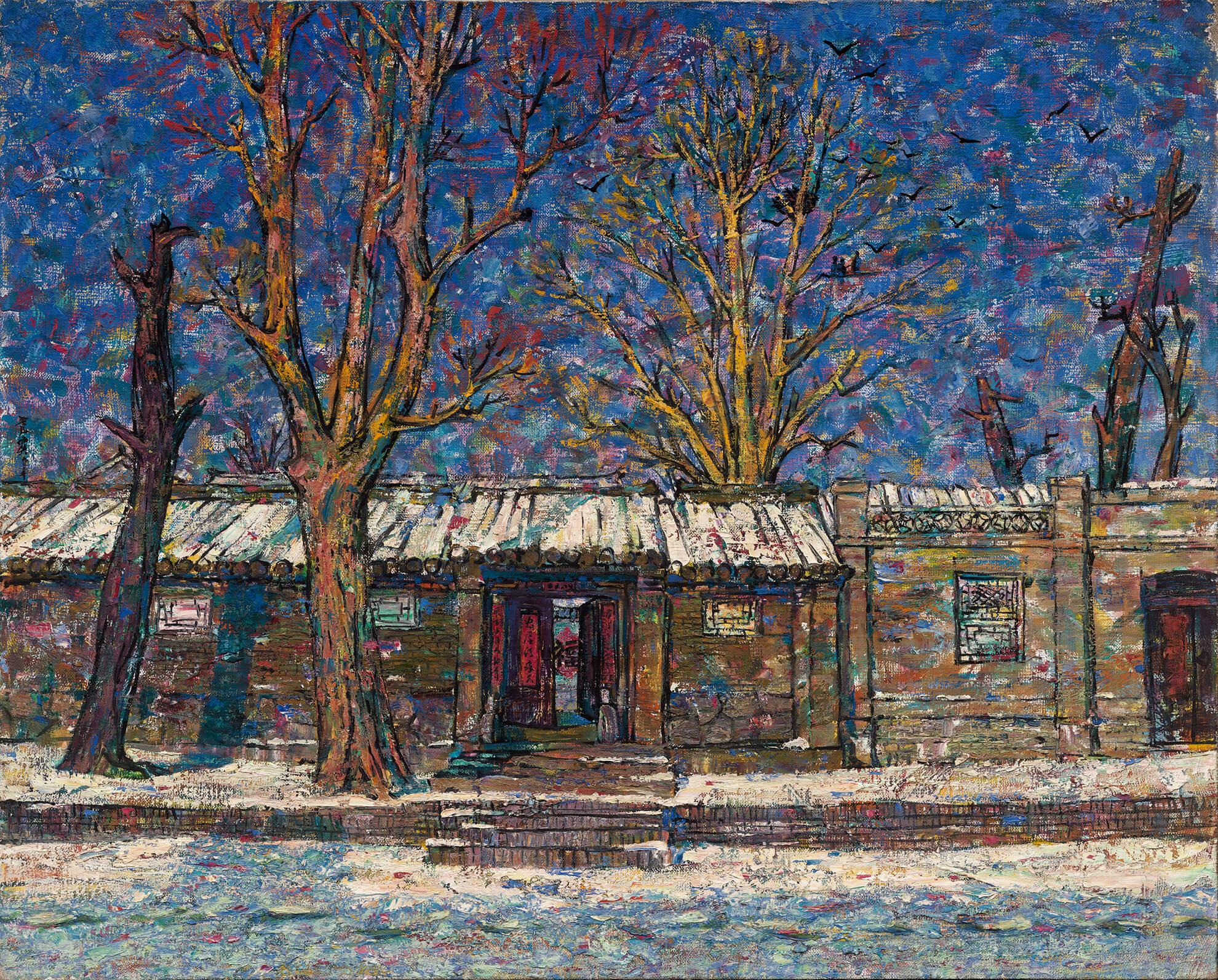
"The First Moon" was very laborious to draw, mainly because I was afraid of repeating the lesson of the single-line painting during the Great Leap Forward in 1958. Also, the West was motivated by the idea of victory between nature and man, and was aggressive and required realistic resemblance. Unlike us in the East, which advocated the unity of nature and man, Advocating the spirit and paying attention to the similarities in intentions but being so different makes it difficult for me to move! So I experimented while painting, scratching and revising, which lasted for one winter from 1989 to 1990...
——Lee Soo-sil
Mr. Li Xiushi has been engaged in artistic creation for more than 70 years, more than 40 of which have been spent in Beijing. I am full of special emotions for the red bricks and blue tiles of Beijing and the spring, summer, autumn and winter.
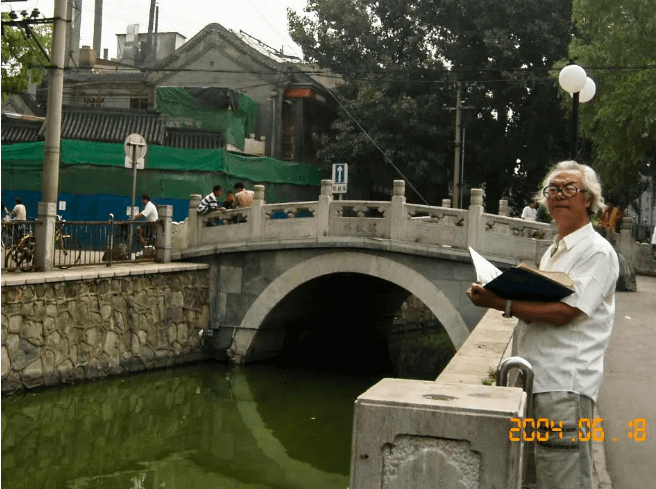
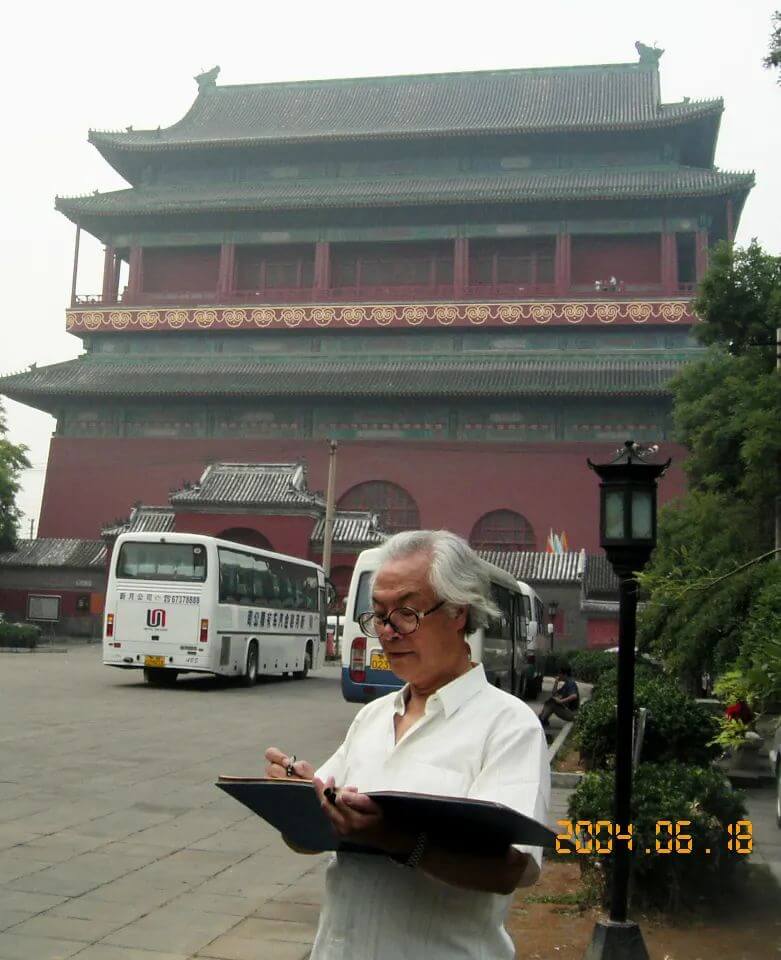
In 1988, Mr. Li Xiushi was transferred back to Beijing. After 27 years away from Beijing, he discovered that “using line outlines to express the complex shapes, structures, doors and windows of ancient Chinese buildings, coupled with traditional inherent colors, can achieve twice the result with half the effort than using traditional oil painting techniques.” , so I started to try to use lines to draw Beijing’s houses and drum towers again..."
Thus, the "Beijing's Legacy" series of works was born. She is Mr. Lee Soo-sil's idiosyncratic expression of love.
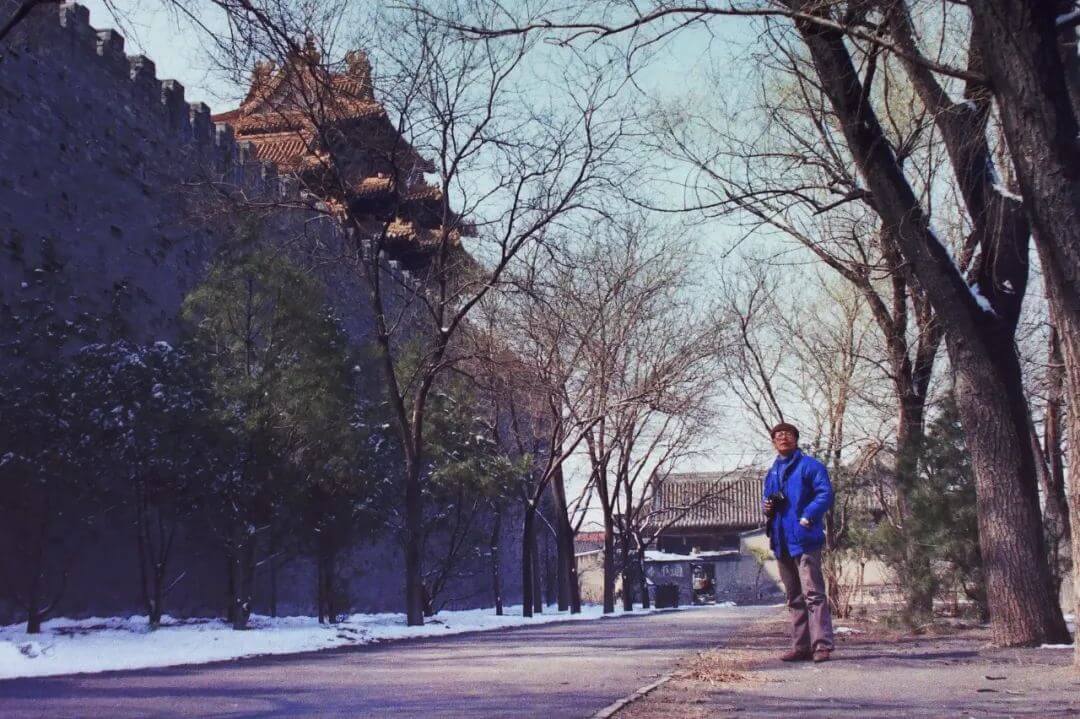
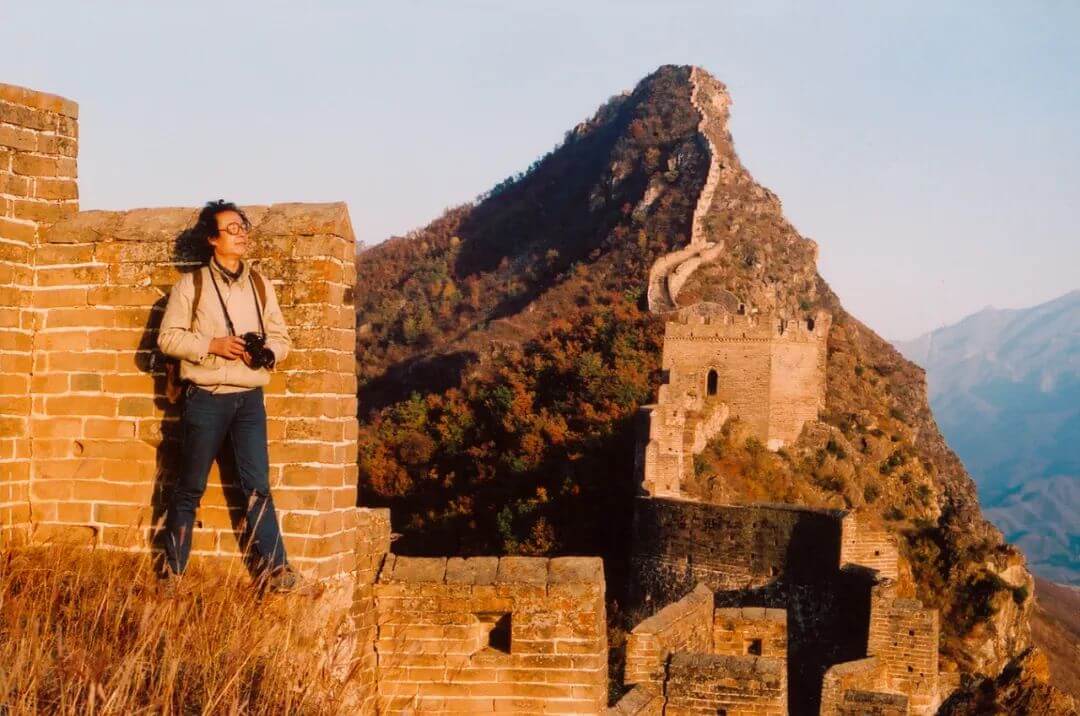
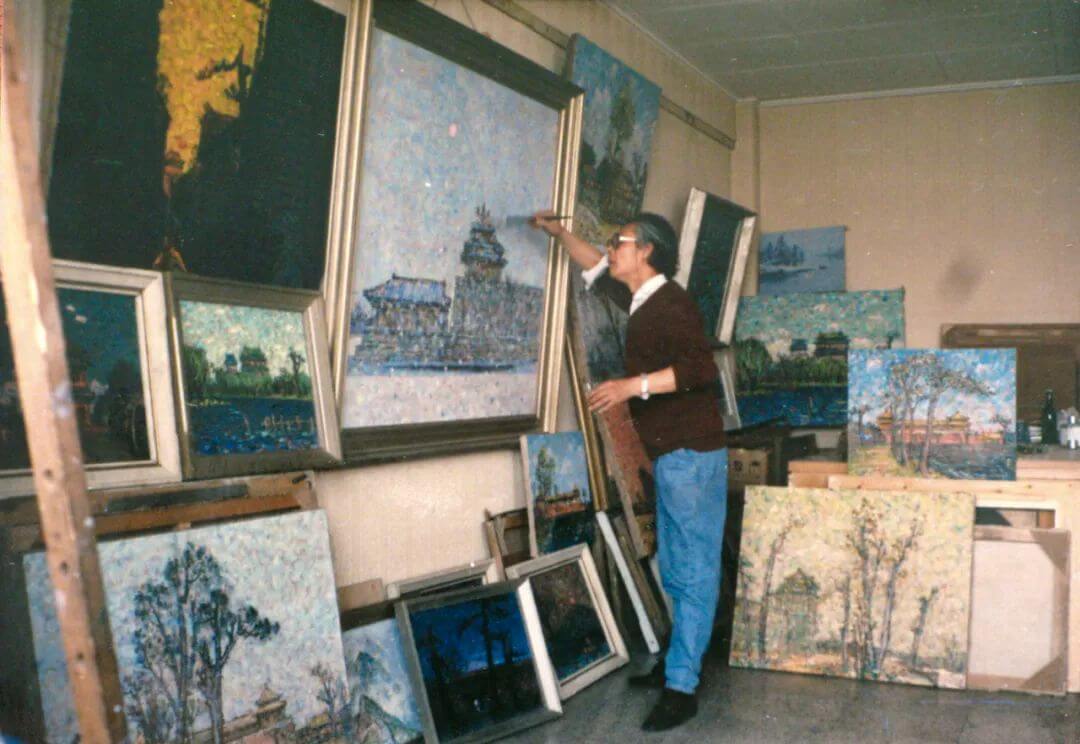
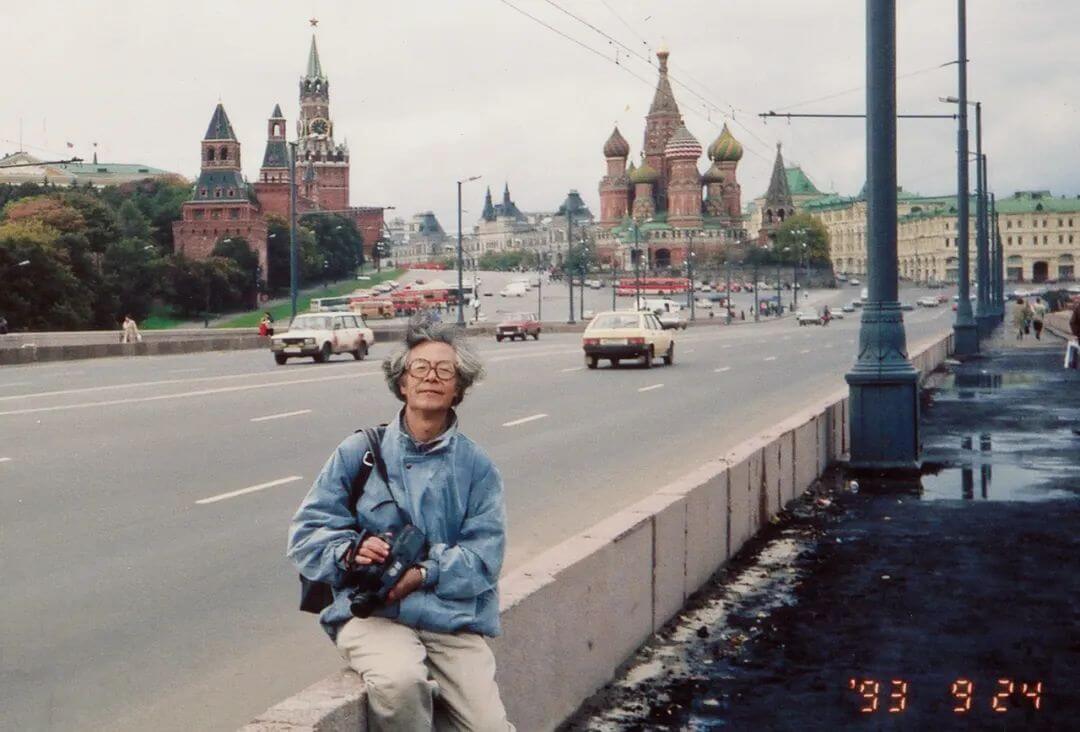
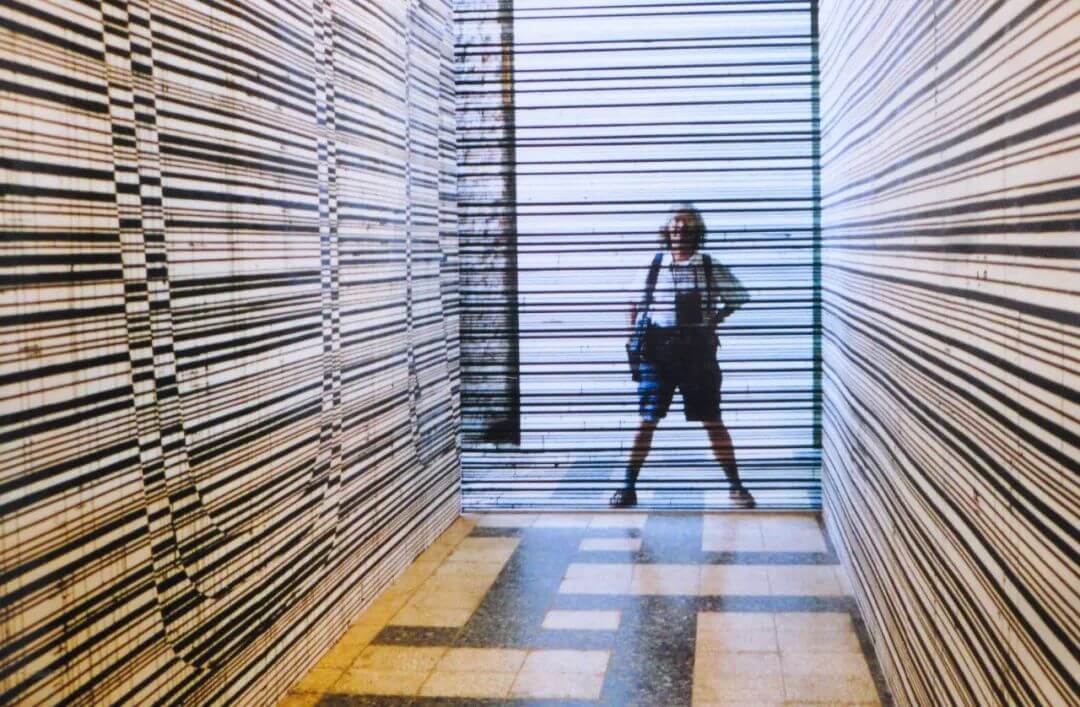
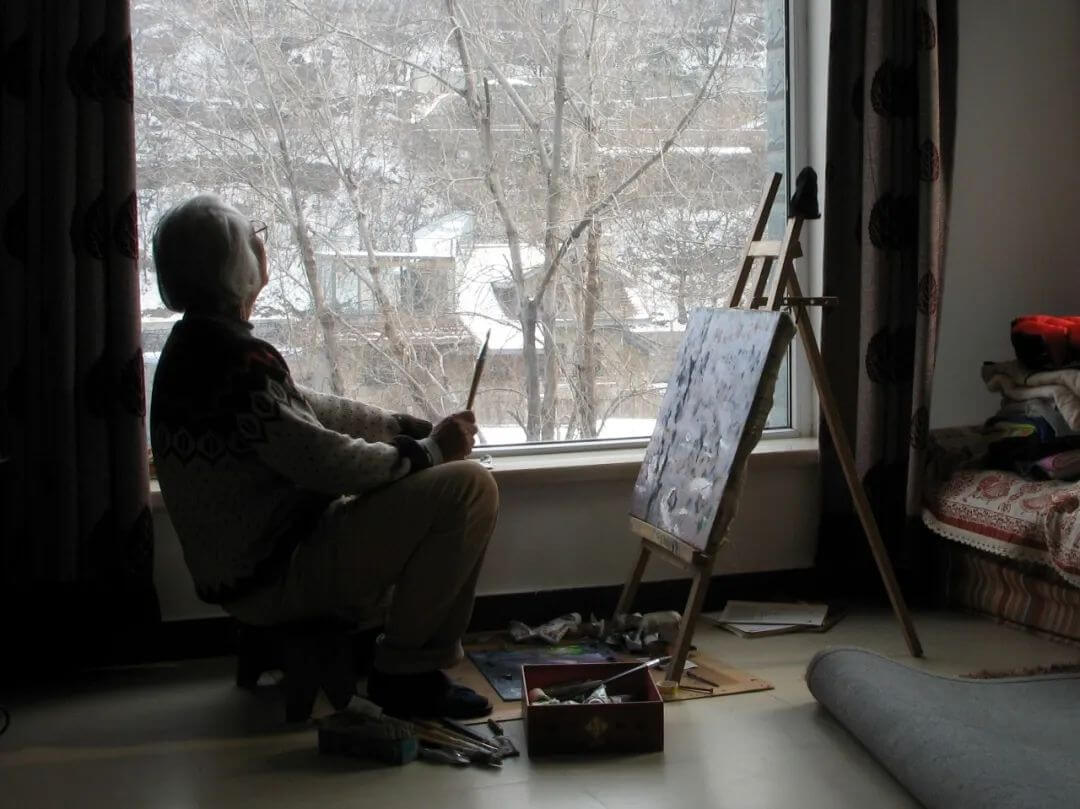
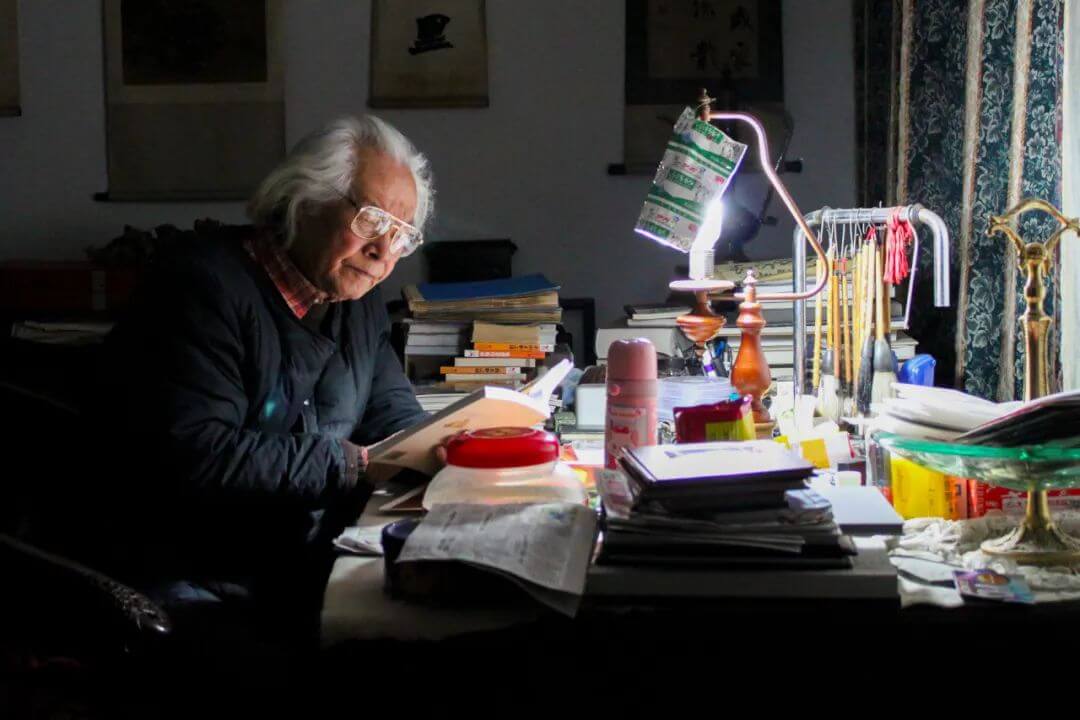
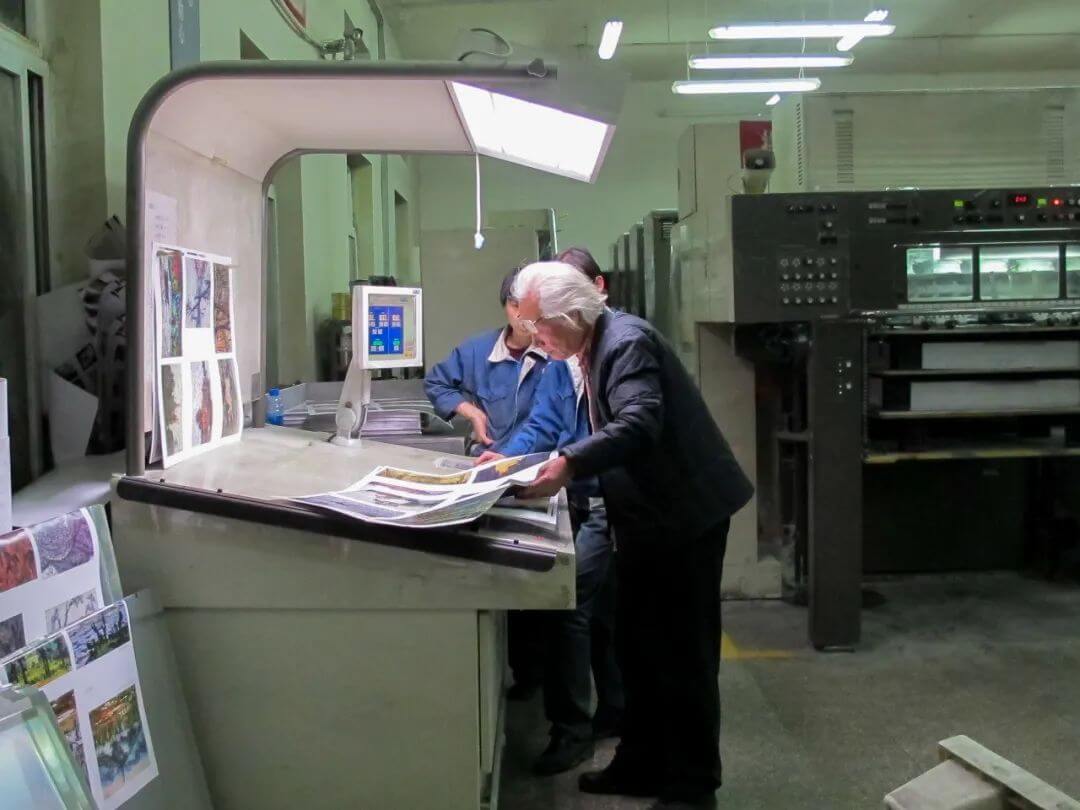
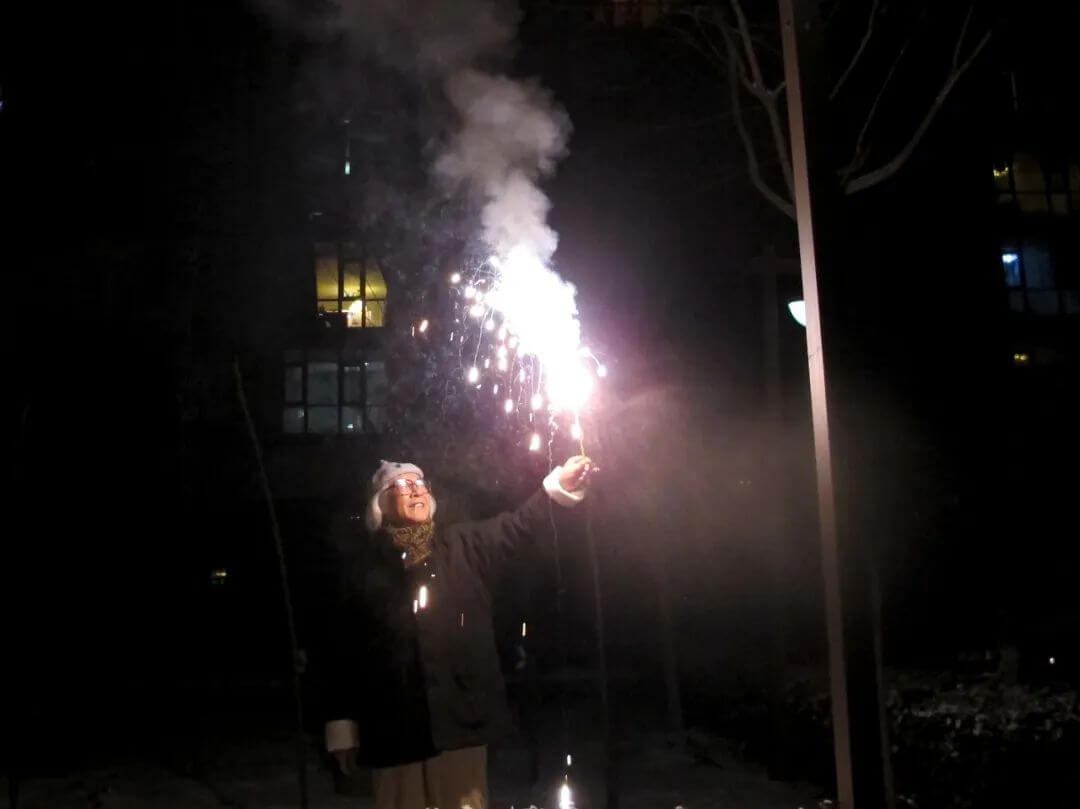
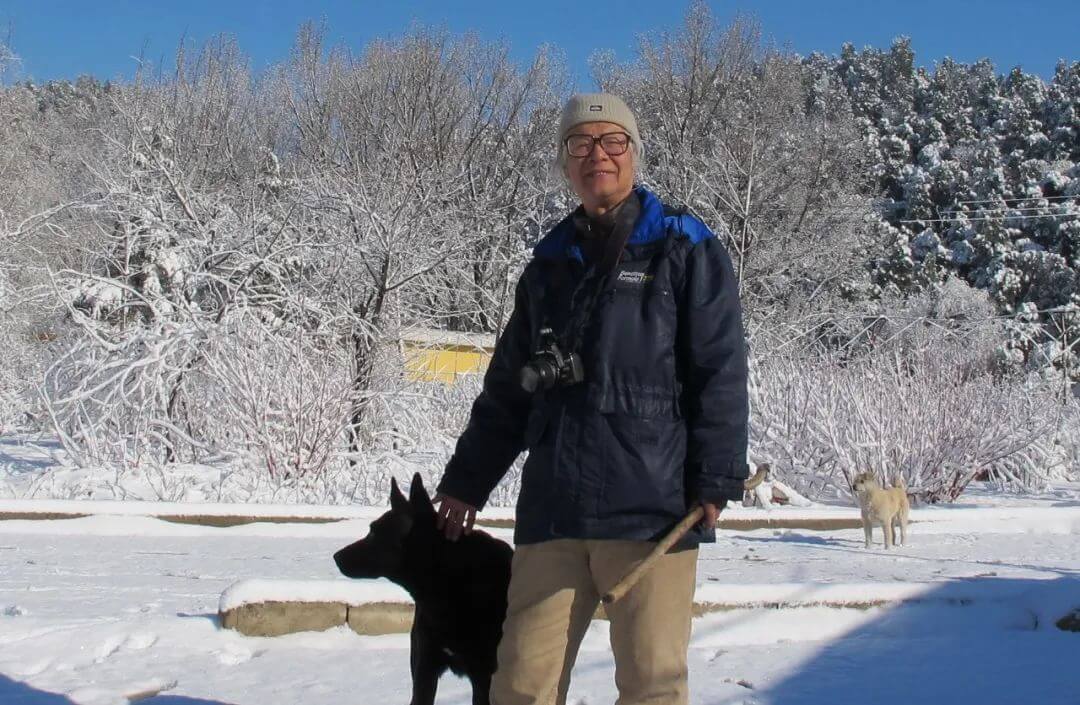
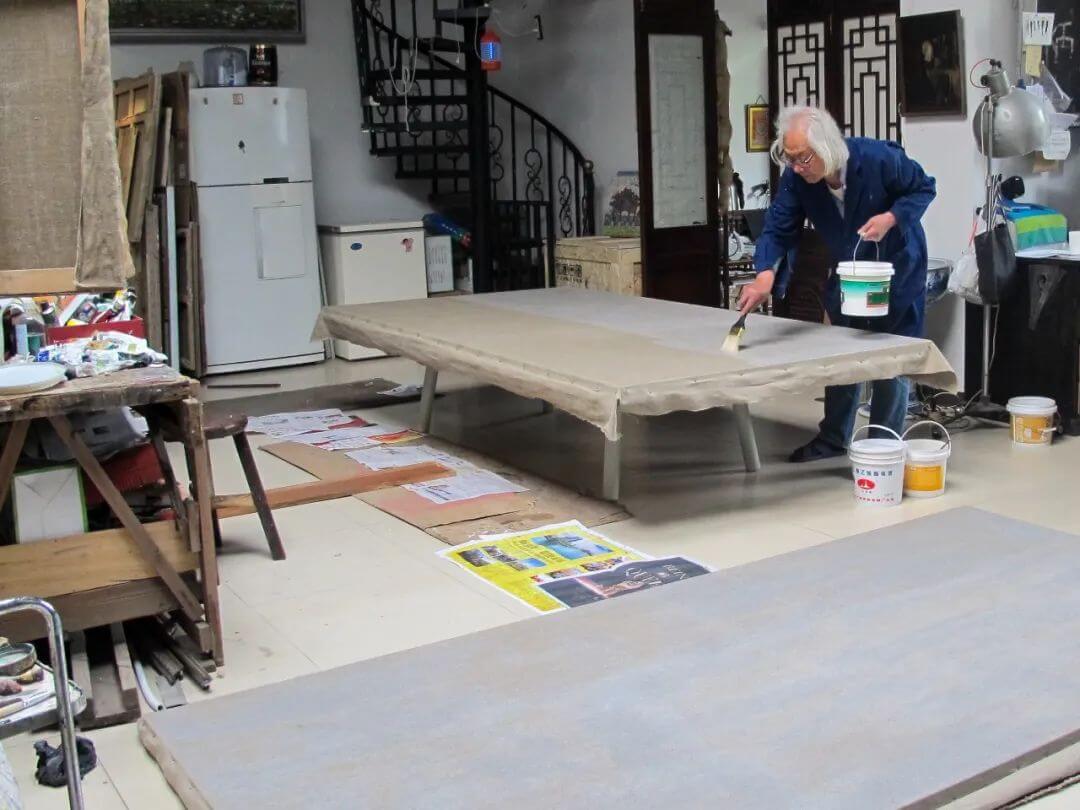
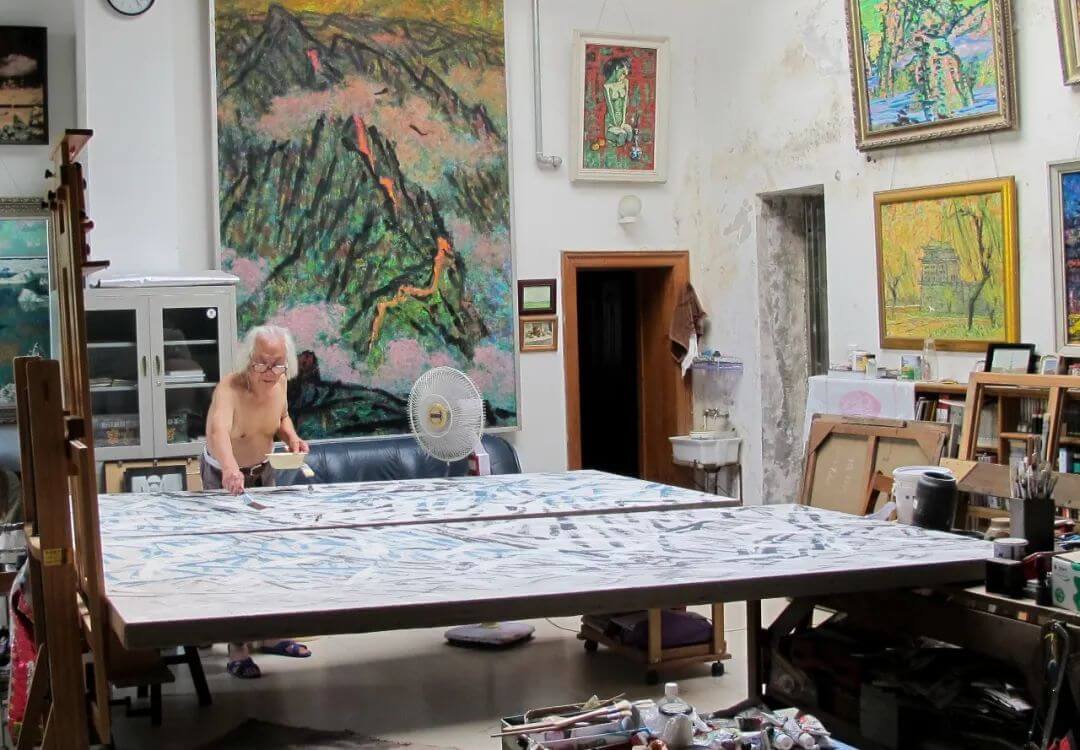
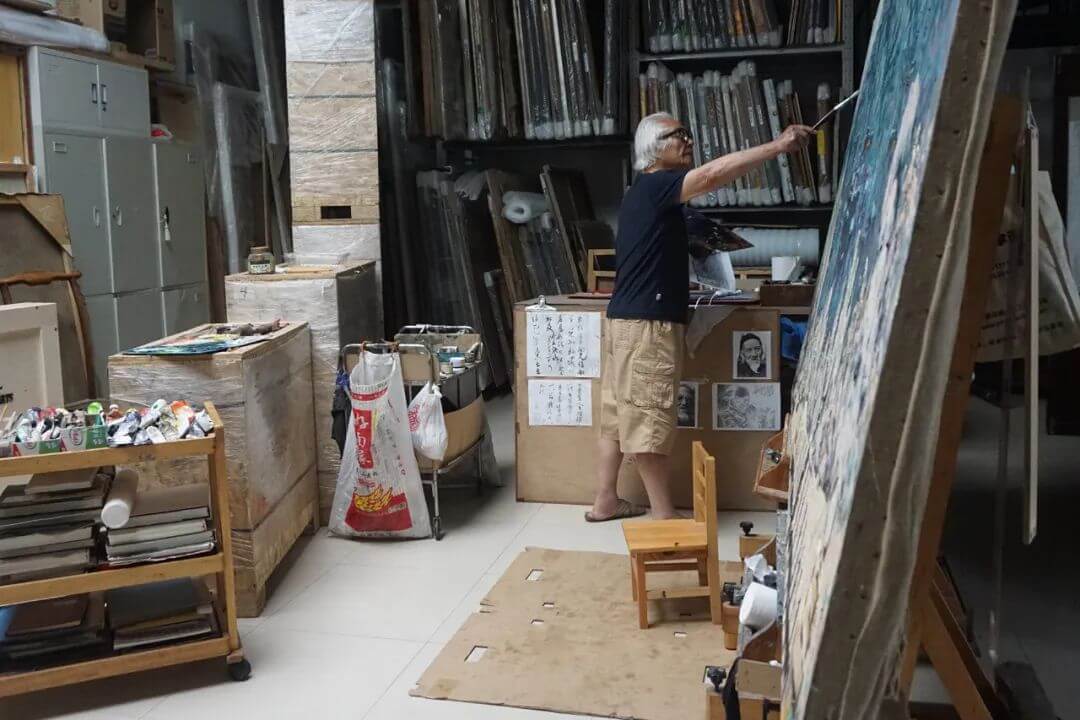
Exhibition key works
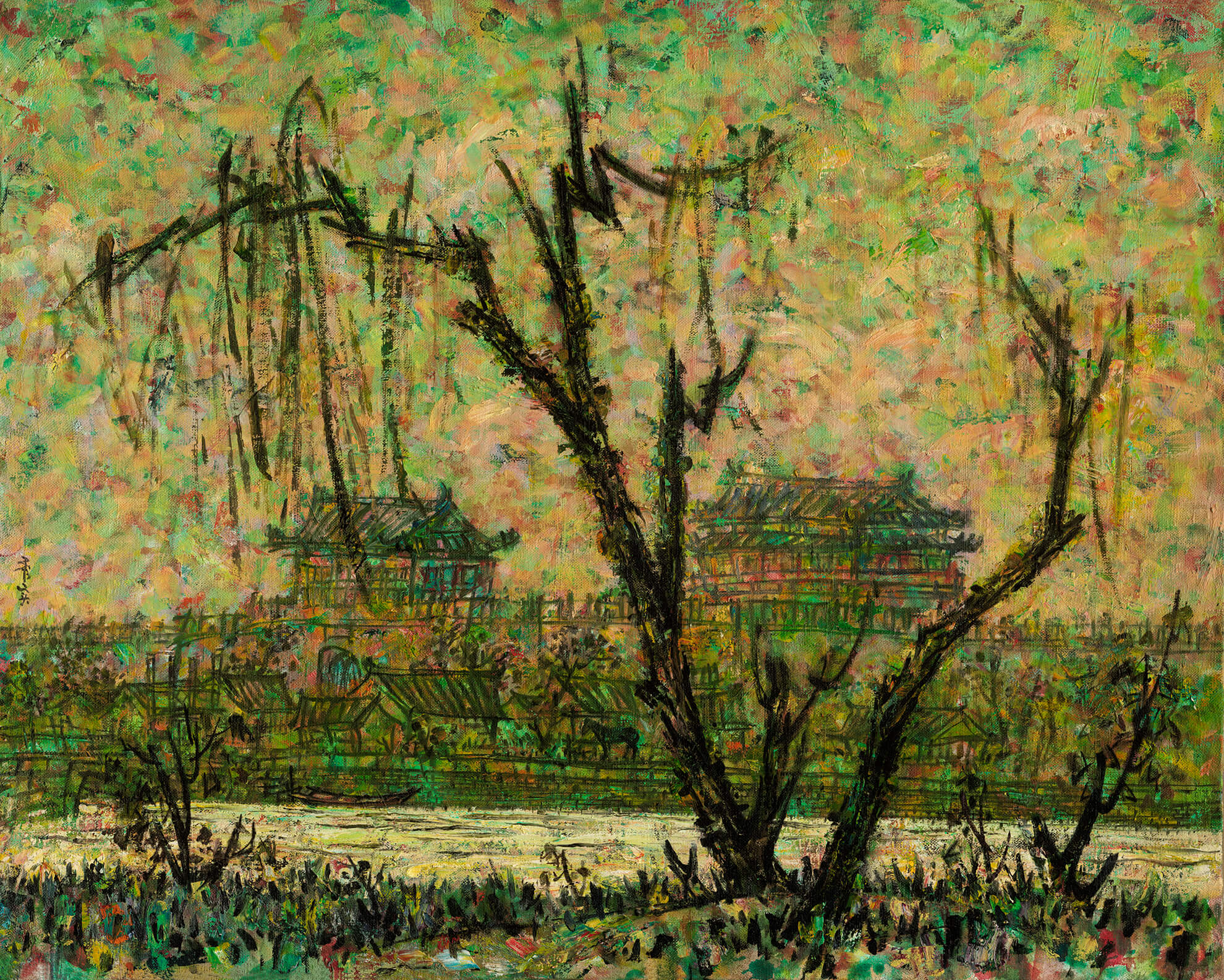
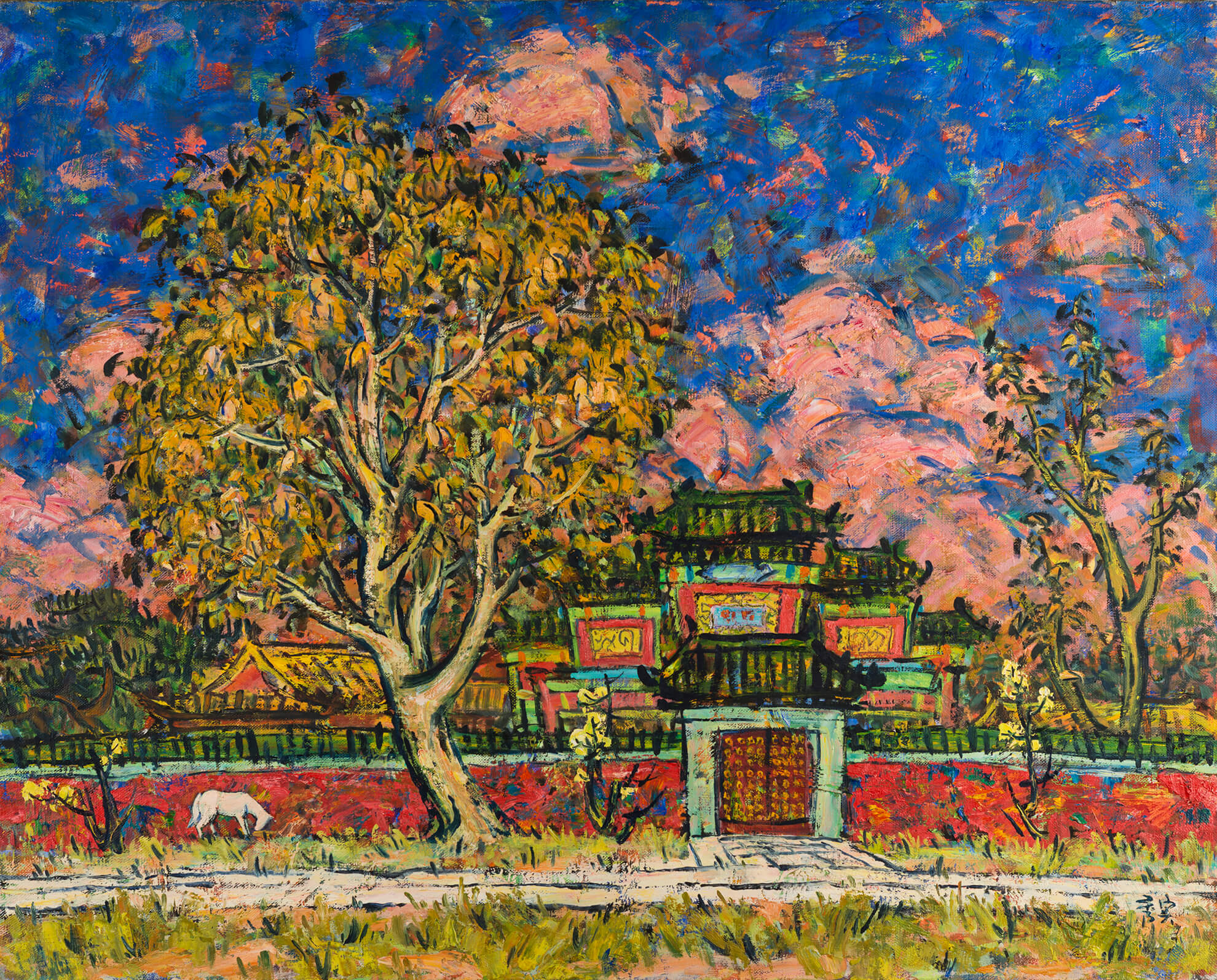
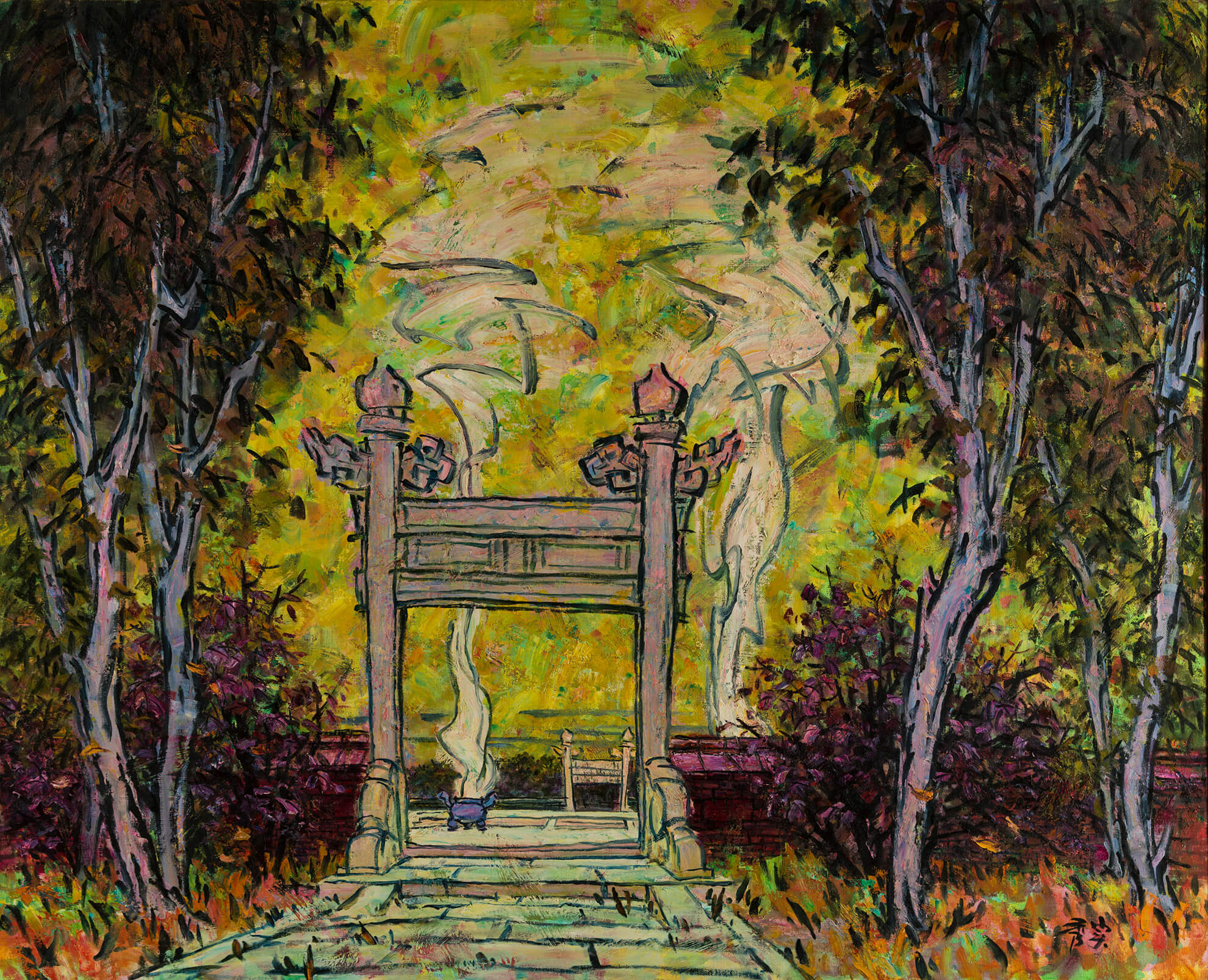
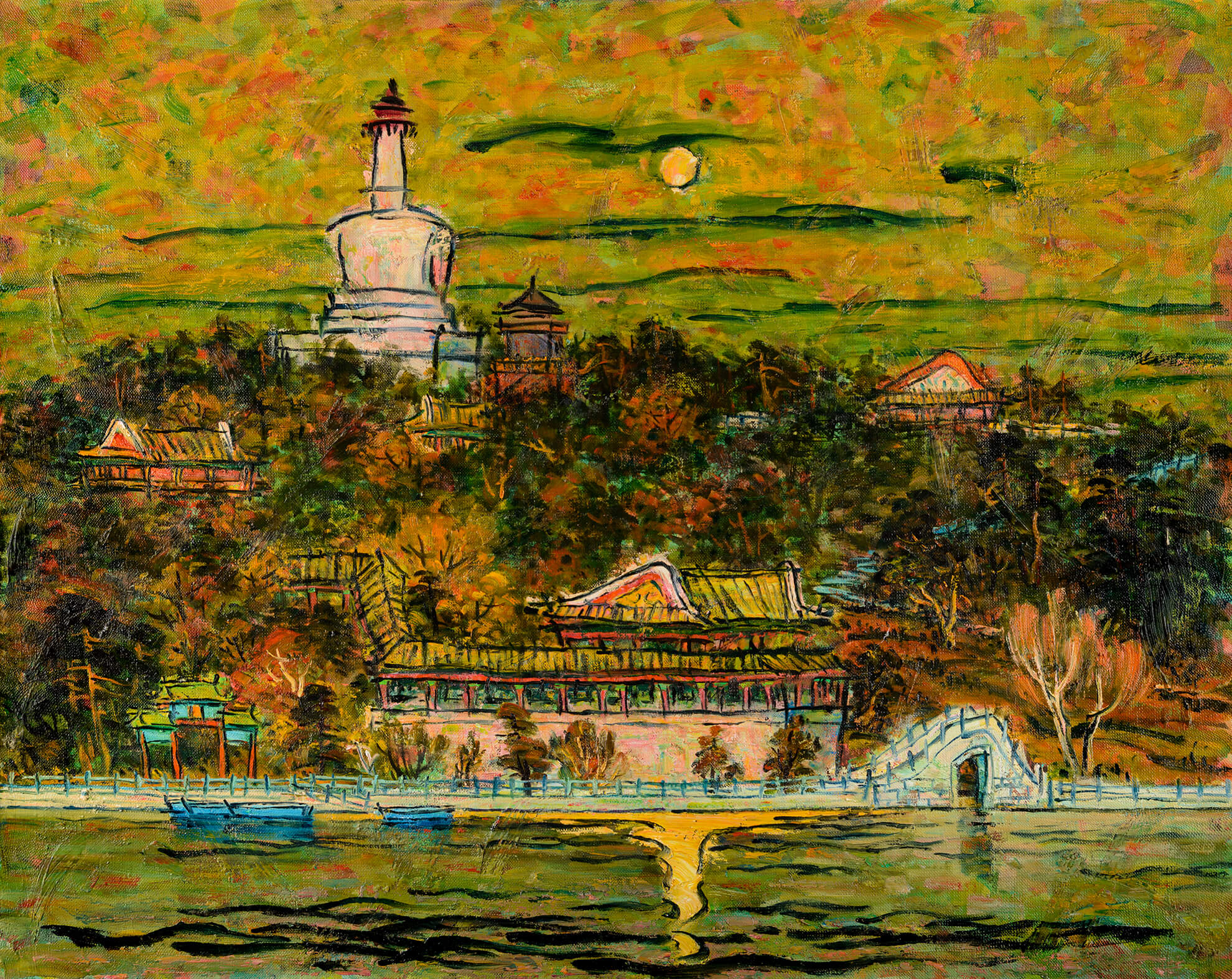
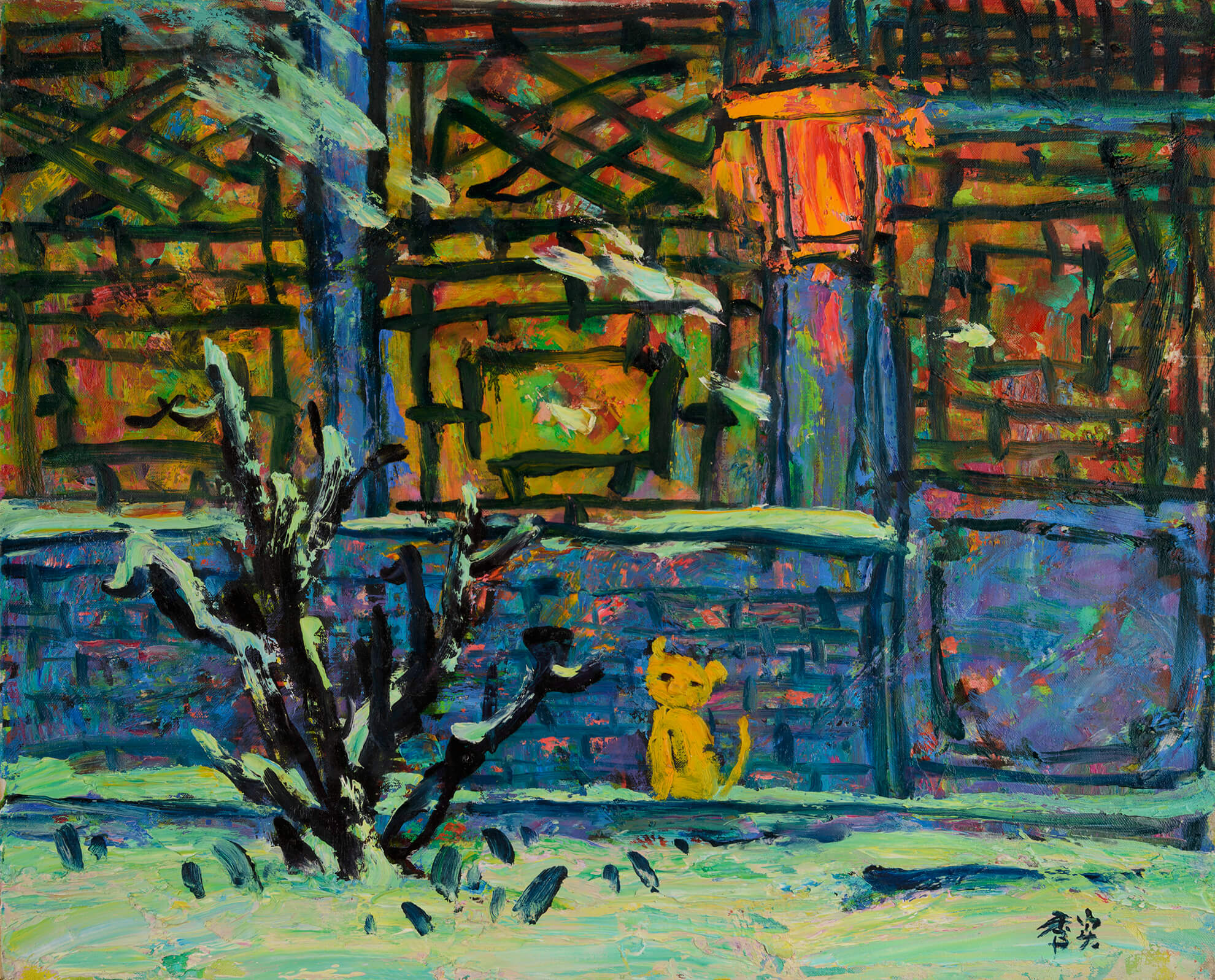
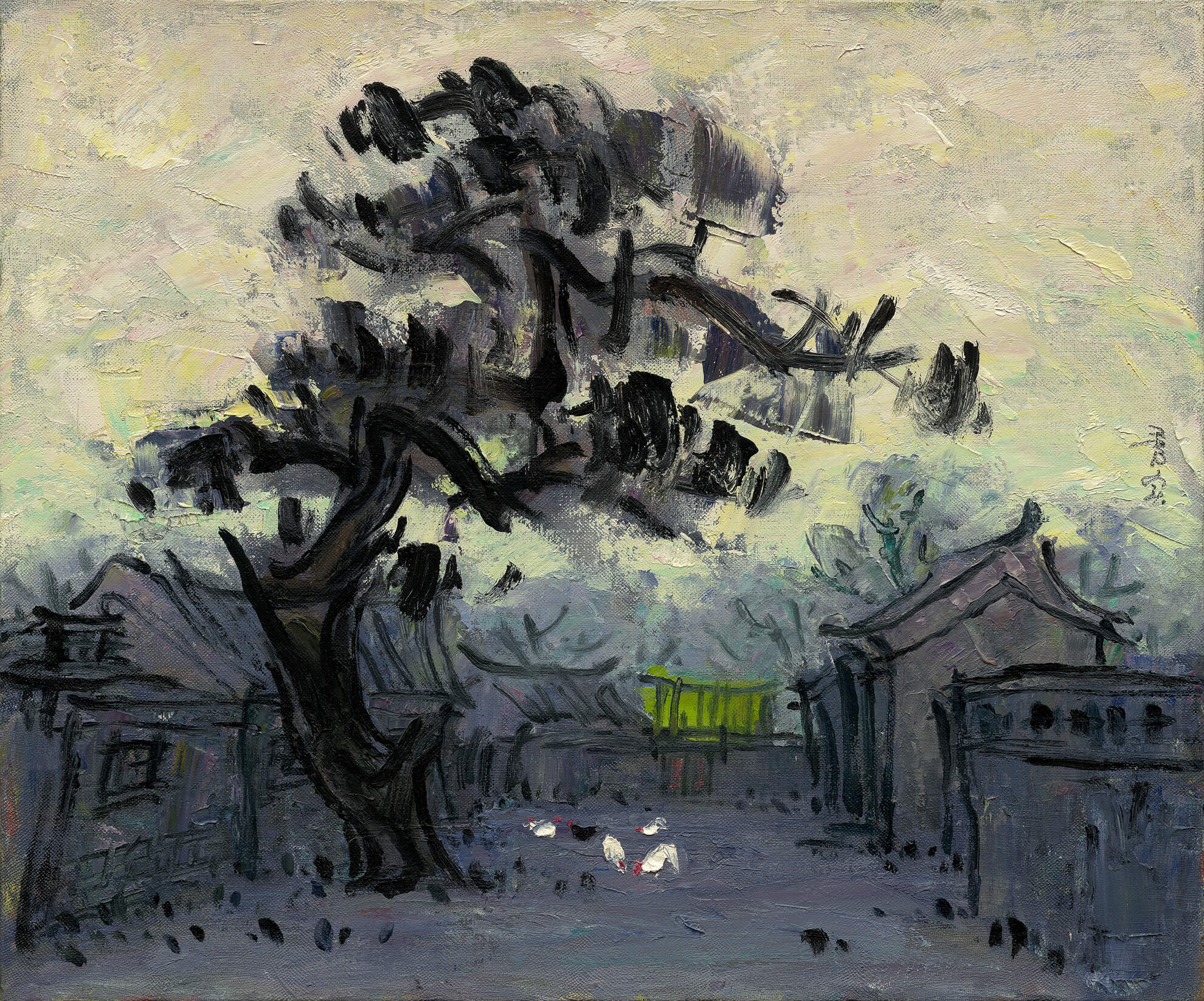
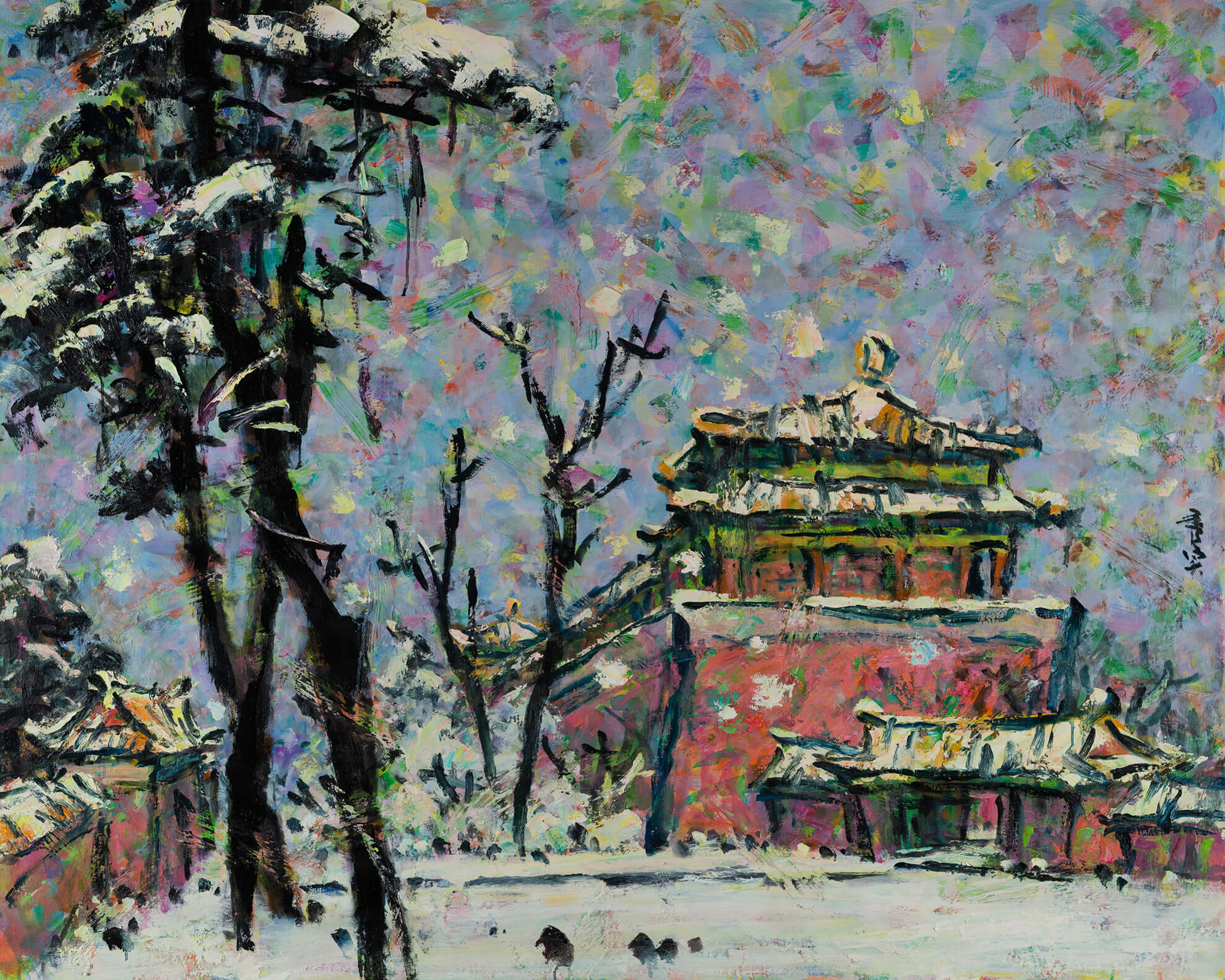
About the artist

Born in Jinzhou City, Liaoning Province in 1934, he graduated from the "Dong Xiwen Studio" of the Oil Painting Department of the Central Academy of Fine Arts in 1961. In 1959, his "Ten Thousand Miles Across the Yangtze River" was well-known throughout the country and was published in People's Daily, Guangming Daily and major newspapers and publications across the country. All are published with introductions.
Since 1959, Li Xiushi has been engaged in the research and creation of oil painting art for more than 50 years, and has participated in many national art exhibitions, as well as large-scale art exhibitions and personal exhibitions at home and abroad in France, the United States, Japan, Italy, Singapore, etc. Representative works include "Ten Thousand Miles Across the Yangtze River", "Blast", "Spring Arrives in Xing'an Mountains", "Past, Present and Future" and in recent years, "Ink Bone Oil Painting", "Relics of Beijing", "Mountain Residence Series", "Black Dog", "Shichahai Spring and Autumn", " Neighbors" and other series of works. His works have won many awards and have been collected by many parties. He has published more than ten personal painting collections such as "Selected Oil Paintings of Li Xiu Shi" and "Exterior Reality in Beauty - Li Xiu Shi's Art Path" published by the People's Fine Arts Publishing House.
National Art Exhibition
1962
The 3rd National Art Exhibition "Morning"
1964
The 4th National Art Exhibition "Food"
in 1980
The Fifth National Art Exhibition "Blast" and "Northern Xinjiang Autumn Sun"
1984
The 6th National Art Exhibition "Past·Present·Future" "Meandering through the ages"
1994
The 8th National Art Exhibition "Memories of St. Petersburg"
Year 1999
The 9th National Art Exhibition "Mountain Dwelling Collection - Guyu"
personal exhibition
2022
"The 1980s - A Generational Exhibition of Li Xiushi's Works" was exhibited at 798 Art Crown Space in Beijing
2021
"Backlight - Li Xiushi's Works through Generation Exhibition" was exhibited at 798 Art Crown Space in Beijing
2018
"Neighboring the East and the West - An Exhibition of New Ink Bone Oil Paintings by Li Xiushi" was exhibited at the Art Museum of Minzu University of China
2017
"My 60 Years - Li Xiushi's Art Retrospective Exhibition" was exhibited at the Shanghai Oil Sculpture Institute Art Museum
2017
"My 60 Years - Li Xiushi's Art Retrospective Exhibition" is on display at the National Art Museum of China in Beijing
2016
"Contemporary Spirit - Exhibition of Li Xiushi and Ink Bone Oil Paintings" was exhibited at 798 Bai Yaxuan Art Center in Beijing
2015
"Burning Point - Exhibition of Works by Wu Guanzhong, Luo Erchun and Li Xiushi" was exhibited at the Collector Art Center in Sanya, Hainan
2015
"Li Xiushi and Ink Bone Oil Painting" toured in four cities in Taiwan: Taipei, Taichung, Tainan and Kaohsiung
year 2004
"Li Xiushi's "Beijing's Legacy" Series Exhibition" is on display in Singapore
1997
China Oil Painting Society's "Four Visiting Italian Painters Joint Exhibition" was exhibited at the Ding Art Center in Italy
1981
"Joint Exhibition of Works of Four People" was exhibited at the National Art Museum of China in Beijing
Please continue to pay attention to ArtPro for more latest developments in the global art market in 2023.
For more details about the exhibits, please click on the exhibition to view