
In-depth analysis | What Makes an Icon Jeff Chang: What truly matters is never the object itself, but the relationships sealed within it.
In today's era, constantly reshaped by traffic, algorithms, and social media, "icons" seem to be born more and more easily. An image, a style, or an emotion can be spread infinitely and go viral in a short period of time. But at the same time, those that can truly transcend time and be repeatedly viewed and discussed remain scarce.
What kind of person, work, or object can become a true "icon"?
This year, Sotheby's released "Icons: 100 Extraordinary Objects from Sotheby's History," a book that uses 100 important lots that have passed through Sotheby's hands as a thread to review a series of memorable moments in auction history. Behind each work lies a story about art, era, and value. Around the theme of "ICON," Sotheby's is holding a series of "What Makes an Icon" dialogues in several cities around the world. Following London, Zurich, Beijing, and Hong Kong, discussions will also be held in Suzhou and Bangkok.
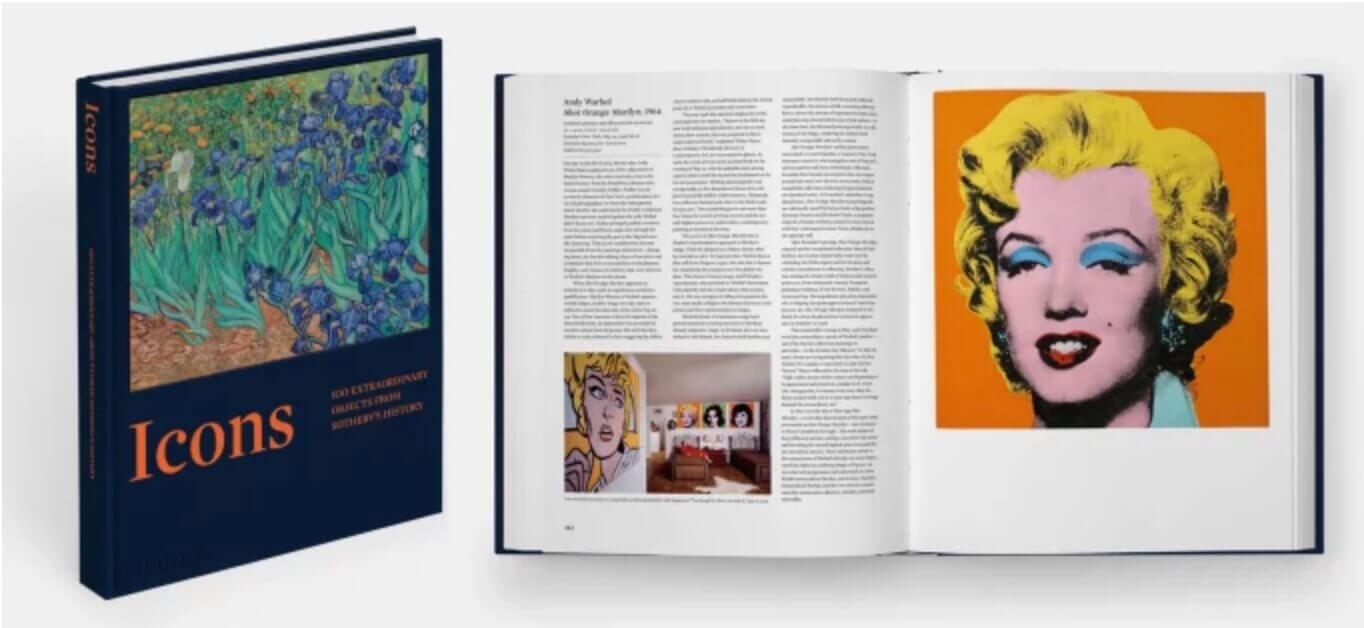
Meanwhile, Sotheby's Asia launched an in-depth interview series in mainland China, hoping to extend the discussion about "ICONs" to a broader cultural sphere. The series invites representative creators from various fields such as music, dance, photography, and literature to share their understanding of time, value, art, and classics from their own life experiences and professional perspectives.
This issue's interviewee is Jeff Chang, one of the most representative singers in the Chinese music scene.
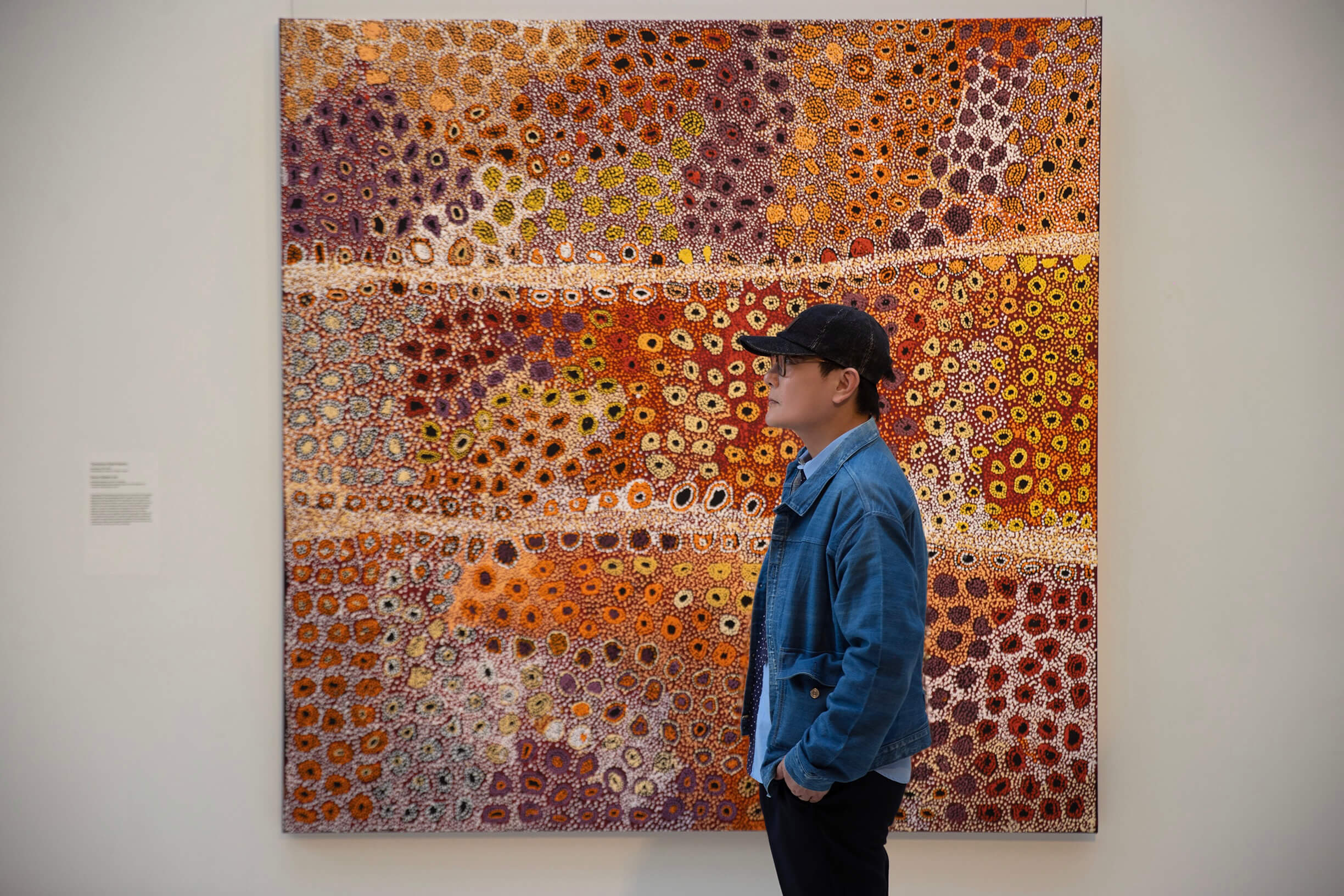
For more than 30 years, he has left behind classic songs that are part of the shared memories of a generation, such as "Love Like a Tide" and "Too Much". At the same time, he is also a senior collector who has long been interested in traditional Chinese textiles, cheongsams, calligraphy and paintings, antique furniture and stationery, and has collaborated with Sotheby's on commissioned auctions and curated projects on many occasions.
As a creator of music and a guardian of traditional culture, Jeff Chang has always been pondering the same question:What exactly is it that allows a work of art, a song, or even an aesthetic to be preserved by time?
In this interview, Jeff Chang discussed the relationship between collecting and memory, how the value of art is validated by time, and what truly endures in an increasingly fast-paced era.
The following is the content of this interview:
Q: For over thirty years, you've been doing two things: creating songs that could become icons, and protecting things that have already become icons. Standing at the intersection of creator and protector, what do you think is the most essential element of something that can transcend time, whether it's a song or a painting?
A (Zhang Xinzhe, omitted below): What transcends time is the "warmth of humanity." Whether it's music or objects, it's because at a certain moment, a person's emotions, beliefs, or aesthetics are completely sealed inside. True emotions are not necessarily grand, but they are certainly the most genuine. When time washes away the superficial techniques, only the feeling of "it was real at that time" remains.
Q: Your first collection was influenced by your great-grandmother. From then on, you began to explore traditional Chinese textiles and embroidery. Many people collect to own, but you seem more concerned with "preserving" a memory. For you, what truly makes an item worth keeping?
A:Objects are carriers of memories, not the material things themselves.My great-grandmother taught me that objects may age, but the memories attached to them will never fade with time. Collecting is a way to combat forgetting; what's worth keeping is never the object itself, but the relationship sealed within it.
Q: In a 2017 interview with Sotheby's, you said, "I don't collect things because of investment; rather, the things I collect gradually become valuable." Does this logic also hold true in reverse? Is the "value" of an item inherent in itself, or is it bestowed by time, story, and the market?
A: The two are symbiotic. Back then, I didn't think of buying those things as an investment; I just thought they were beautiful.Every item has its core – craftsmanship, beauty, and scarcity; these are its essence.But for roots to sprout, they need time, stories, and how future generations perceive them. When times change and people look back to understand the meaning that was once unvalued, then it gains value.
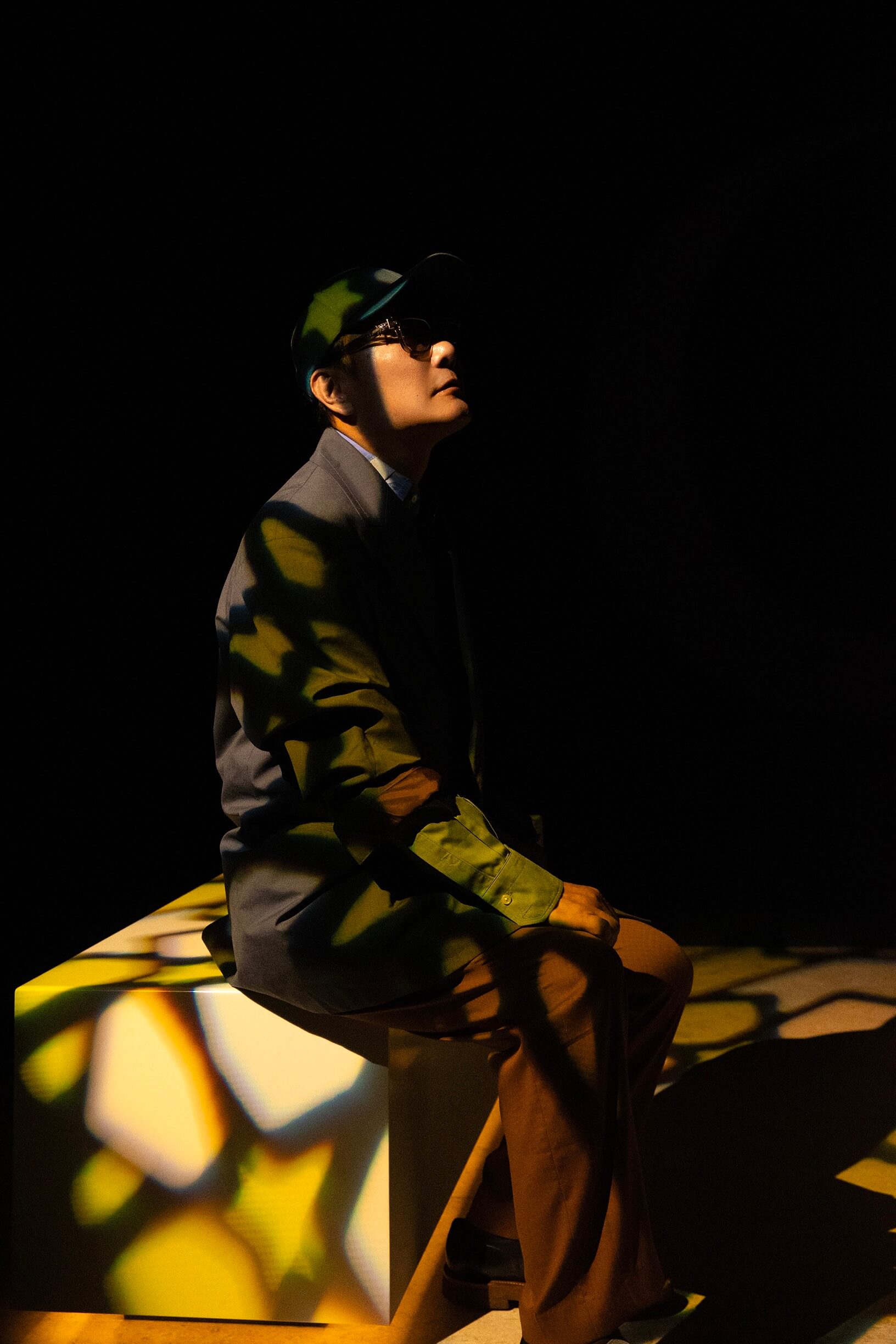
Q: You once said, "When you come into contact with beautiful things, you will open your eyes to aesthetics." Have any of the patterns on the cheongsams you collect, the glazes of the Song porcelain, or the smiles on the calendar posters ever quietly slipped into one of your songs?
A: Yes, I should say not "which time," but "every time." Take the colors of Song Dynasty porcelain, for example. They aren't dazzling; they're deep and subdued, almost to the point of being bland. If you stare at them for a while, you'll discover their layers and depth—they're "hidden." So, those patterns, glazes, and smiles never directly become a melody or a lyric; they become something more intrinsic—a sense of proportion. That's how aesthetics are for me. It's what I see with my eyes and what flows out with my voice. It's not about technique; it's the undeniable quality I bring to my interpretation of a song.
Q: While browsing through this book, *Icons*, was there any piece that deeply moved you? Did it resonate with a memory or emotion within your collection?
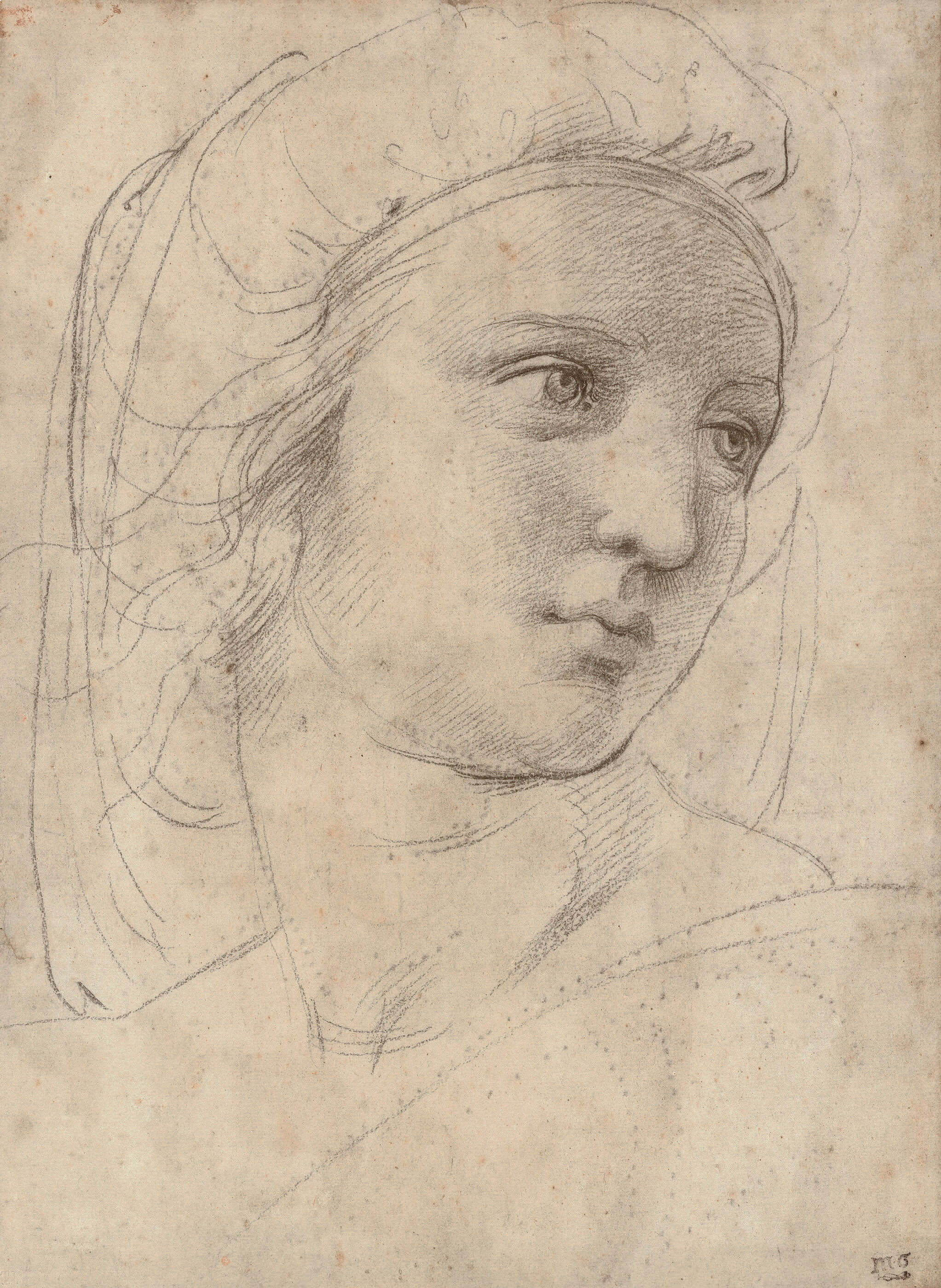
A: Every piece is exquisite, but Raphael's sketches, with their almost reverent composure in the brushstrokes, held my attention for a long time. Nothing in my collection can compare to Raphael, but I recognize that meticulous, deliberate slowing down. Every stitch in his embroidery is executed with extreme slowness and steadiness, devoid of any ostentatious technique, yet possessing a power that calms the mind. Looking across East and West, what moves me is the same: the creator's unwavering focus, regardless of time or purpose, when facing what is "sacred" within them. They are not rushing, but arriving.

Q: You have made several important consignments to Sotheby's. For you, what do these two kinds of "letting go" and "keeping" mean, handing over an old collection to the auction house and keeping it with you?
A: Holding on is an emotional need—having the things around is like having history and memories still vivid in your mind. Letting go is a sign of maturity—going to someone who understands it to continue the story. It's not that I don't love it anymore.Letting go is not about giving up, but about letting the life of your collection flow.Just like a song, once it's sung, it will exist in the memories and stories of many more people.
Q: You donated your treasured collection of late Qing and Republican-era clothing to the Shanghai Museum, and later appeared as a special curator in the "Modern Chinese Style" exhibition. The exhibited items were selected from your collection of over 5,000 pieces. From "collecting" to "donating" and then to "curating," what insights has this transition brought you?
A: The deepest realization is that my role has changed, and so has my mindset. It's a transformation from "I own it" to "they own me," and then to "I serve them." I have become their "storyteller," not their "owner." I am just a guardian in their long journey.My responsibility is to pass them on to the future and tell that story well.
Q: In your opinion, do a song and an object need the same core qualities to become something that can be "passed down from generation to generation"?
A: I think they're the same. Both need to have an "unfinished" quality, leaving a reason to "come back." The same song evokes different feelings at different stages of life. Similarly, with good objects, each viewing may reveal details previously unnoticed. They are not closed perfections, but open invitations; the creator hides their deepest emotions in a visible form, waiting for later generations to unravel them. This tension of being "constantly interpretable" is vitality.
Q: Today, everything is accelerating. Creation happens quickly, being seen happens quickly, and being forgotten happens quickly. In such a "fast" era, for people and their works to become the icons that "remain," has the most fundamental element changed?
A: The core hasn't changed, but of course, the requirements are higher and more difficult now. Before, when things were slower, all you needed was "authenticity." Now, what hasn't changed is that you still need "sincerity" and "skill," but what has changed is the need for more "compassion." In this era where everything is fleeting, choosing to do things slowly and express deep emotions makes you an icon in itself.
Q: One last question. You are a musician, a creator; you are also a collector, a guardian. Returning to the topic of ICON, what do you hope to leave behind in the end is a song that can be sung by generations, an object that can be passed down by generations, or something that transcends both?
A: What I hope to leave behind is not a particular song or a particular collectible, but a feeling: that someone simultaneously did two seemingly slow things—singing and collecting, creating and preserving—and did it all with great joy. I want people to believe that no matter how fast the world changes, it's still worth pausing to appreciate the shape of a cloud, to be moved by the stitches on an old embroidery piece, to shed tears for a sincere musical note. If I can prove that the creator and the guardian can be the same person, that beauty can exist simultaneously in sound and in objects, then this "possible posture" is more important than any icon I possess.
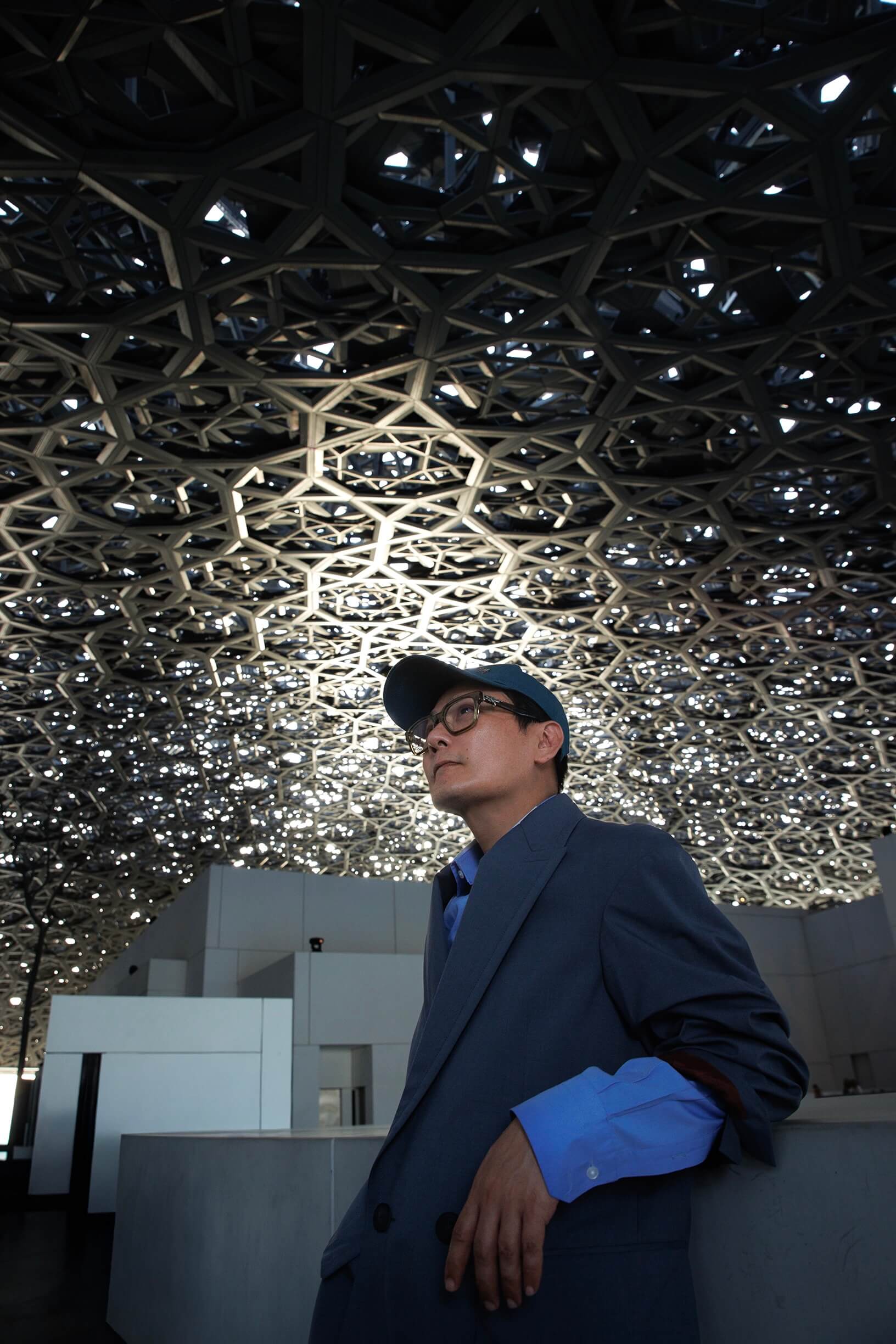
From music to collecting, from creator to guardian, Jeff Chang has always been doing two seemingly slow but equally important things:Create new memories, and preserve old ones.
In his view, what truly transcends time is never technique, popularity, or the market itself, but rather the emotions, beliefs, and human warmth that are fully preserved within the work.
Perhaps this is the most precious meaning of "ICON"—It is not a fleeting clamor of a particular era, but rather something that, even as time continues to pass, allows later generations to connect with the past.
As Jeff Chang said:What's worth keeping is never the object itself, but the relationship sealed inside.
Stay tuned to ArtPro for the latest updates on the global art market.