
In-depth analysis | Tsinghua Art Fair's "Another Perception" Contemporary Technology Exhibition: Let's set aside our anthropocentric sensory scale.
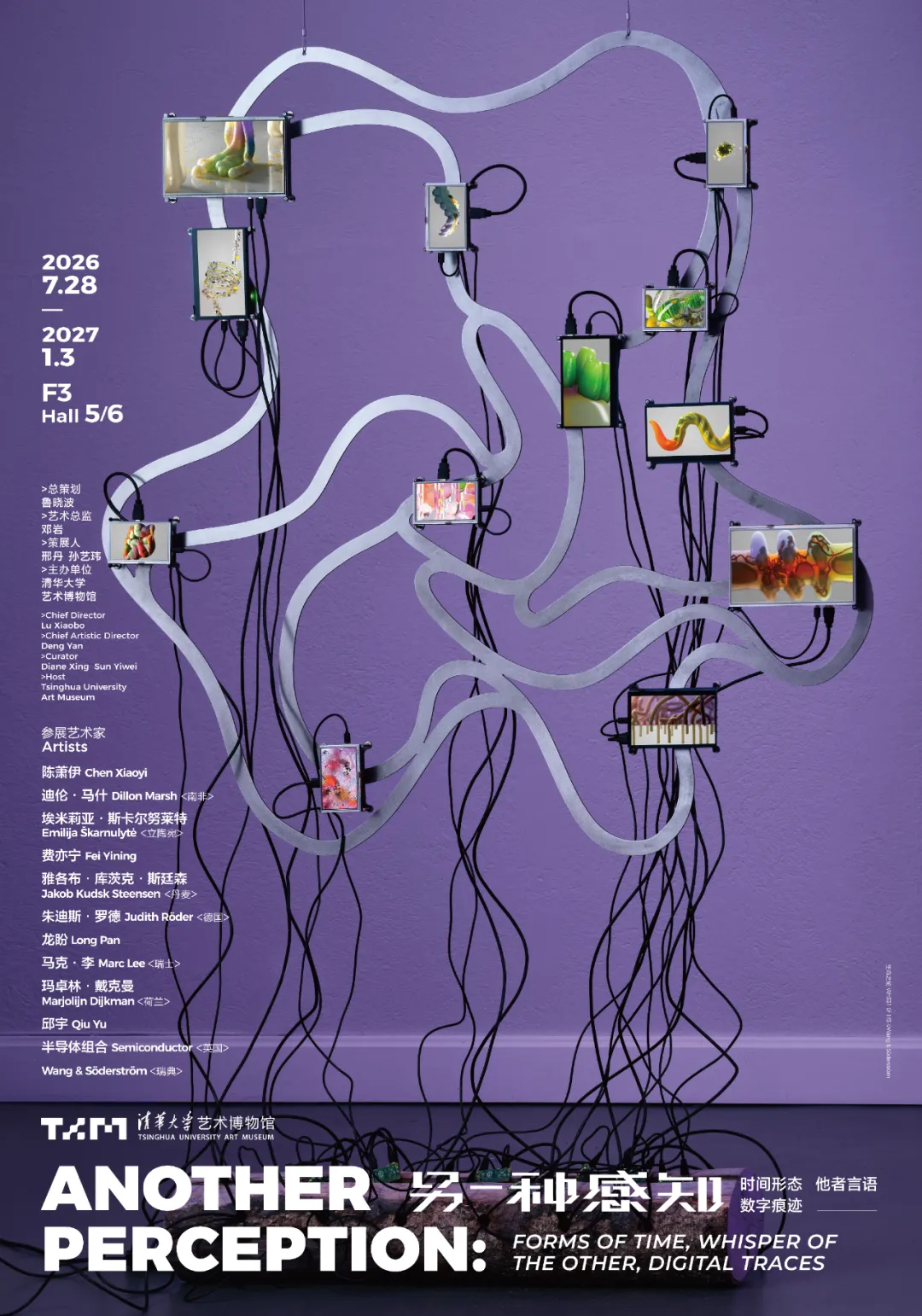
Exhibition Foreword
In the past, people were accustomed to categorizing media into fixed classes such as painting, sculpture, photography, and video, and using this to document the evolution of style and form. Since the second half of the 20th century, this framework has been continuously dismantled. The media and materials mobilized by artistic creation no longer serve the purity of a particular medium, but directly point to a more fundamental proposition: how media constructs perception and experience. With the development of technology, media is no longer merely a carrier, material, or tool for artistic expression; it itself constitutes the experiential process of how we face the world.
However, the perception shaped by media today is being extended to a broader dimension. We are accustomed to measuring the world with our own standards: only what the eyes can see exists, only what the ears can hear is sound, and only what the hands can touch is real.
However, most of the world operates outside this scale—rocks etch a single fold of the Earth's crust over millions of years, mycelium weaves networks underground older than the internet, and algorithms make decisions in milliseconds that we can never see. When media cease to be merely channels for transmitting information but become fields that generate perception, it offers us the opportunity to re-examine this human-scale framework.
As philosopher Graham Harman pointed out, objects possess an aspect that is inaccessible to us; the "thing-in-itself" is forever in a state of withdrawal. We cannot directly contact objects, but we can possess a kind of "contactless contact," which is precisely the position of art: the artist is not the sole spokesperson for the silent object, but rather a recorder of perception. They sensitively linger on the boundary between the object's retreat and revelation, constructing a mode of "contact" that transcends everyday experience through media transformation and aesthetic processes. The 12 artists/groups in this exhibition work precisely on this boundary—they do not attempt to "represent" the non-human world, but rather create a theater that allows the audience to have a "contactless contact" with those withdrawn objects.
This exhibition is divided into three chapters.
These refer to three perceptual dimensions that require our re-immersion: temporal form (perceiving non-human time scales), other's speech (perceiving non-human expressions), and digital traces (perceiving the material traces of algorithms and data).
As the latest in the Tsinghua University Art Museum's Media Art series, we invite visitors to participate in a sensory exercise: temporarily setting aside anthropocentric sensory scales to perceive how rock strata remember, how fungi communicate, and how algorithms make decisions.The exhibition, through works by 12 artists/groups from 9 countries using different media, focuses on how we perceive life, matter, and processes that are non-human or transcend human scale.
Here, the artists don't offer answers, but rather create moments that make viewers realize that "their own perception may not be enough." They don't show us definitive results, but rather allow us to touch a subtle "crack." Here, you will become an open perceiver—to perceive the world that is normally ignored or inaccessible by human senses.
Unit 1: Time Patterns
Chapter One: Forms of Time
Humans, with their short lifespans, cannot perceive the weathering of rocks, the movement of glaciers, or the growth of mycelium.
The artists in this section use artistic techniques to transform these non-human moments existing in nature into frequencies that humans can perceive.By capturing those imperceptible traces, art allows viewers to witness firsthand that things we perceive as static are actually in constant motion and happening. Art makes the invisible tangible, allowing perception to transcend the limitations of the real world. Every medium defines the scope of seeing and perceiving, defining another dimension of time.
The artists in this section are like translators of time.
Semiconductor's *Brilliant Noise* translates solar astronomy data into a rain of white noise that is audible and visible, making the energy bursts of a star more than just curves on scientists' screens. Judith Röder's *Projection VII (Beijing)* uses light to create flowing organic structures within a glass panel; the vast spectrum, ranging from silver-gold to deep blue, invites viewers into a meditative experience of time. Chen Xiaoyi's *The Handprint of the Mountain* likens the roads and fractured mountains of the Hengduan Mountains, spurred by mining, to "handprints carved into the mountain," where geological and human time overlap.
Artists: Chen Xiaoyi, Semiconductor (UK), Judith Röder (Germany), Marjolijn Dijkman (Netherlands)
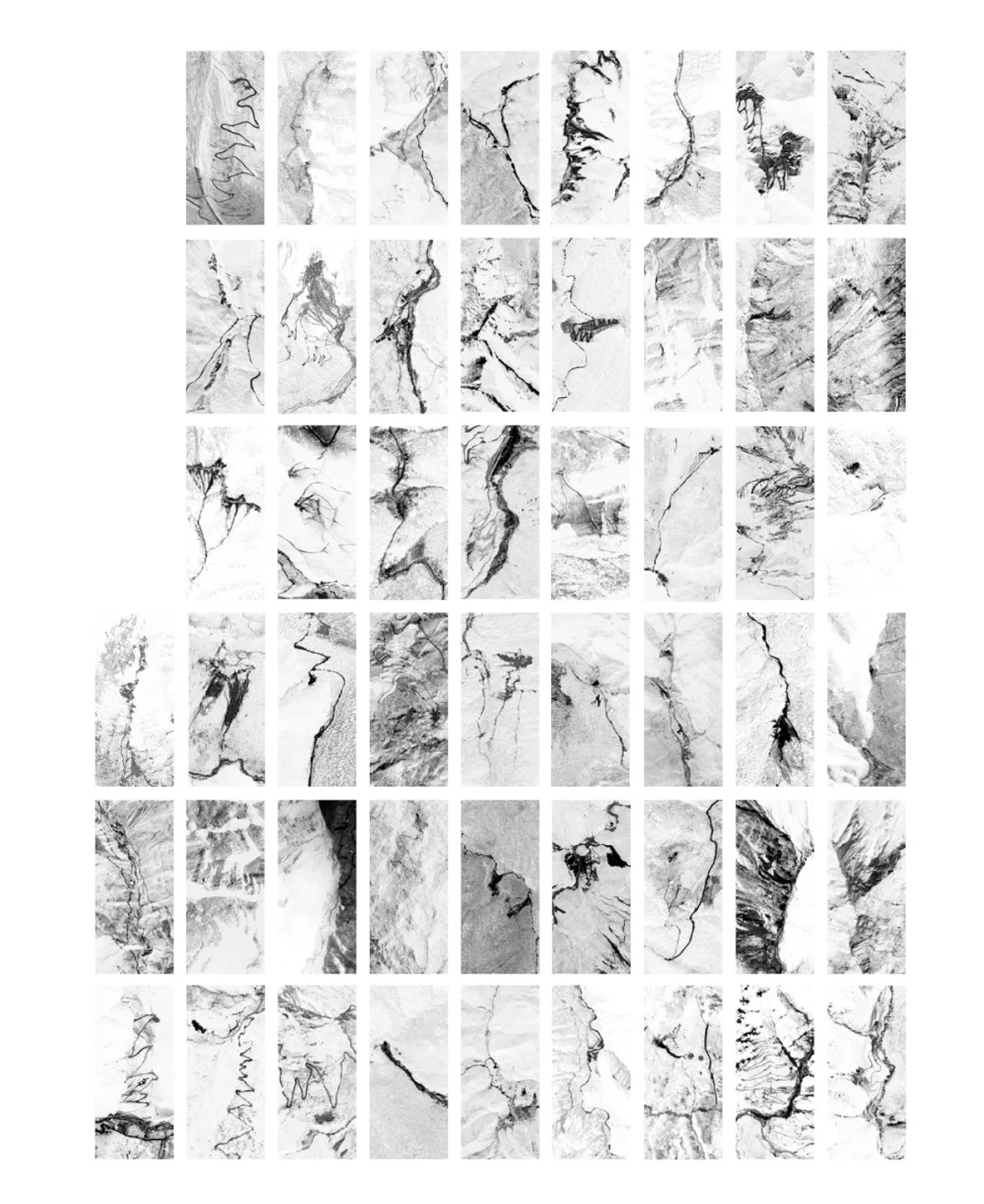
Palmistry of the Mountain
Chen Xiaoyi
UV printed aluminum plate
50cm×22cm×51
2021
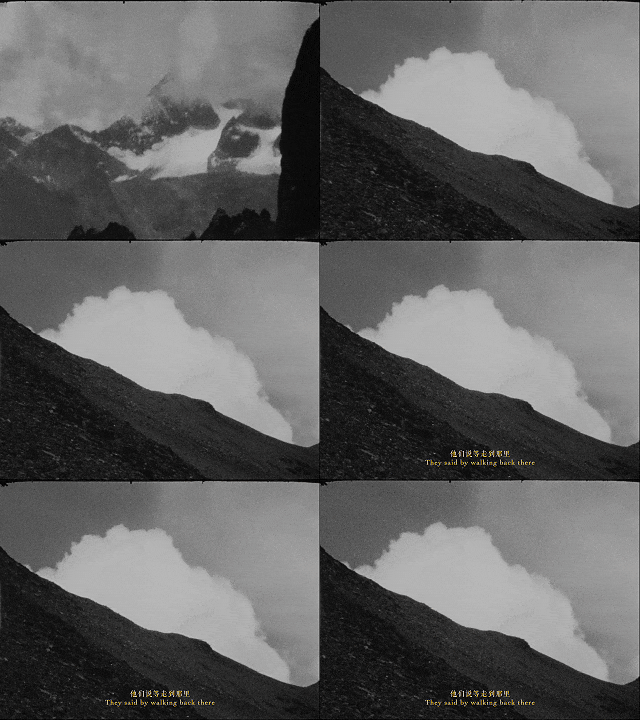
Heartless World
Beyond Sattva
Chen Xiaoyi
Black and white single-screen video recording (Super 8 film and digital)
25 minutes and 26 seconds
Sound: White Water
2025
Chen Xiaoyi was born in Sichuan, China, and received her Master of Fine Art Photography degree from the University of the Arts London in 2014. She currently lives and works in Chengdu. Her work blends various media and forms, often stemming from her perception and reflection on nature and life forms, and is dedicated to exploring the material manifestation of the cosmic landscape and deep time in the present moment. In recent years, she has focused on the historical traces of the Hengduan Mountains in southwestern China, exploring how to use human presence as a starting point, and from a perspective that transcends human time and space, to find and reconstruct the intersection of different modes of existence, thereby sensing those folded, invisible ecological memories and knowledge systems.
Chen Xiaoyi was born in Sichuan, China, and received her MA in Photography from the University of the Arts London in 2014, and currently lives and works in Chengdu. Her practice integrates multiple medium and forms, often originating from perceptions and reflections on nature and life forms. She is dedicated to exploring how cosmic landscapes and "Deep Time" manifest within contemporary materiality. In recent years, focusing on the historical traces of the Hengduan Mountains in southwestern China, she focuses on how to take human presence as a starting point to adopt a perspective beyond human space-time scales. She seeks to find and reconstruct the intersection of different modes of existence, thereby sensing the folded, invisible ecological memories and knowledge systems.
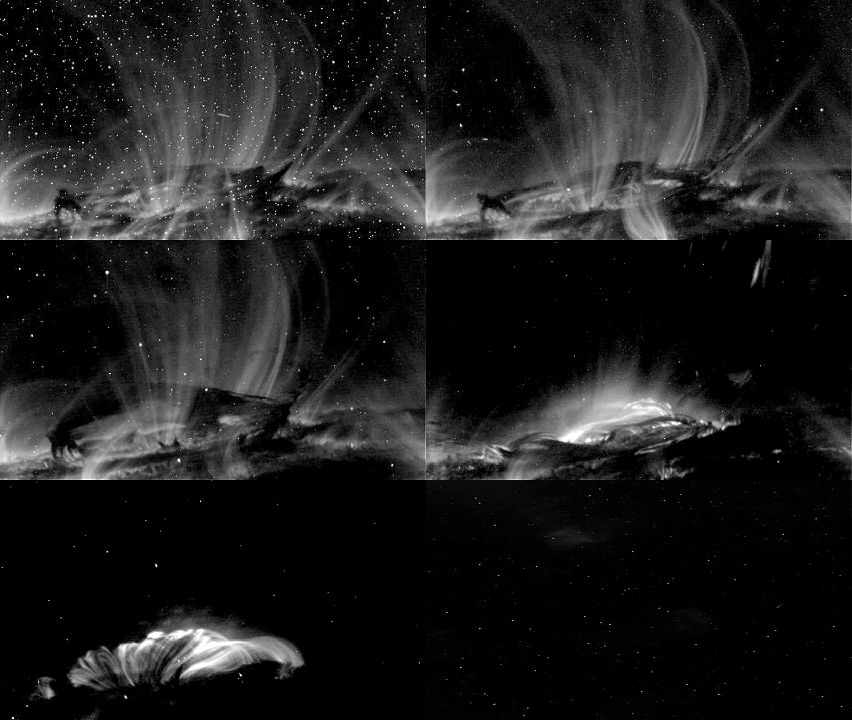
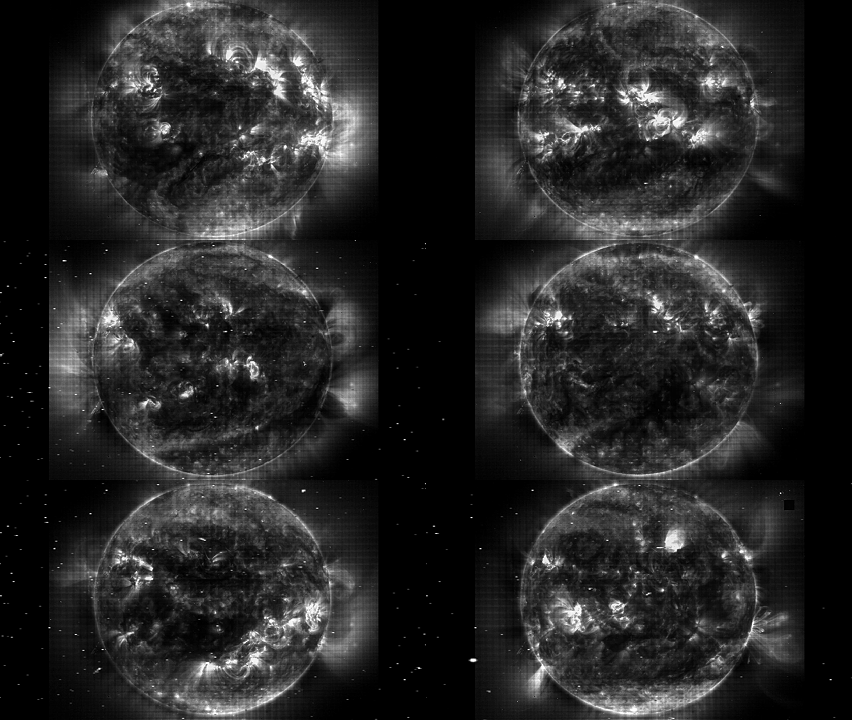
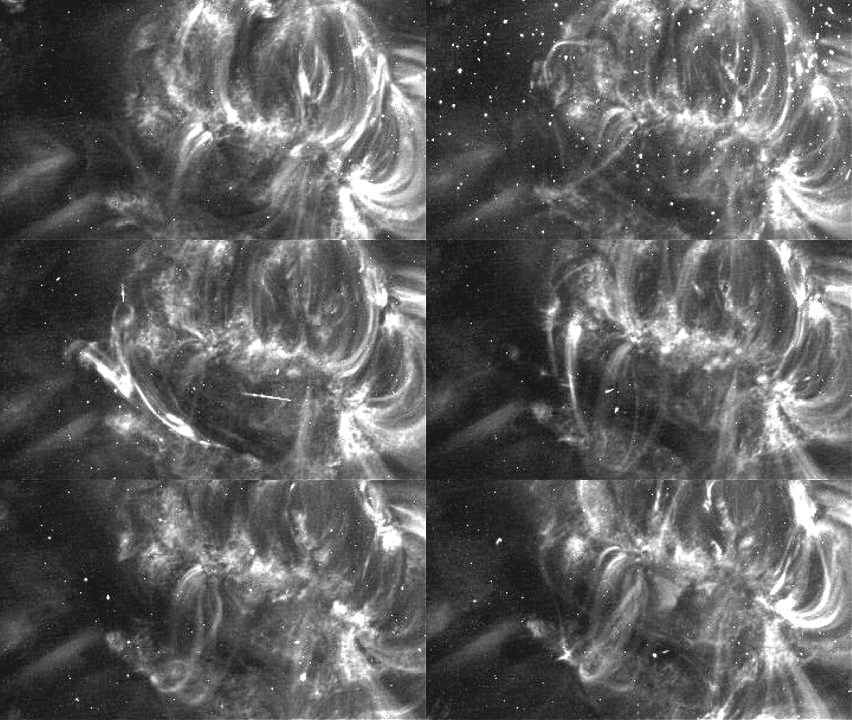
Brilliant Noise
Brilliant Noise
Semiconductor Art Group
High-definition multi-channel images
9 minutes and 40 seconds
2006
For over two decades, British artist duo Ruth Jarman and Joe Gerhardt, known as Semiconductor, have been exploring the human experience at the intersection of science and technology. Their highly innovative works guide us to confront the seemingly elusive and fleeting nature of the natural world around us, transforming scientific data into captivating sculptures, moving images, and paintings that inspire us to expand our perception of reality and reflect on our role as observers.
The Semiconductor Art Group is known for its rigorous research. Each of their works employs a different technical approach, often involving months of residency in scientific laboratories around the world, studying instruments used to understand the natural world. These include: CERN in Geneva (2015); NASA's Space Science Laboratory at UC Berkeley (2005); the Mineral Science Laboratory at the Smithsonian National Museum of Natural History (2010); the Limitless Light Laboratory at the University of Glasgow (2023); and the Charles Darwin Research Station in the Galapagos Islands (2010). Their work has been exhibited internationally, including at the Venice Biennale, Tate Modern, the Museum of Modern Art (MoMA) in New York, and the Hirshhorn Museum and Sculpture Garden.
For over 25 years, UK artist duo Ruth Jarman and Joe Gerhardt, aka Semiconductor, have explored the human experience at the intersection between science and technology. Their innovative works confront us with the seemingly unknowable ephemerality of the natural world around us, translating scientific data into captivating sculpture, moving image and drawings that encourage us to expand our perceptions of reality and question our role as observers.
Known for their meticulous research, Semiconductor utilises a different technological approach with each piece, often spending months in science laboratories around the world studying the devices used to make sense of the natural world, these include: CERN, Geneva (2015); NASA Space Sciences Laboratory, UC Berkeley, California (2005); Mineral Sciences Laboratory, Smithsonian National Museum of Natural History (2010); Extreme Light Laboratory, University of Glasgow (2023) and the Charles Darwin Research Station, Galapagos (2010). Their work has been exhibit internationally, including at the Venice Biennale, the Tate Modern, The Museum of Modern Art (MoMA) in New York, and the Hirshhorn Museum and Sculpture Garden.
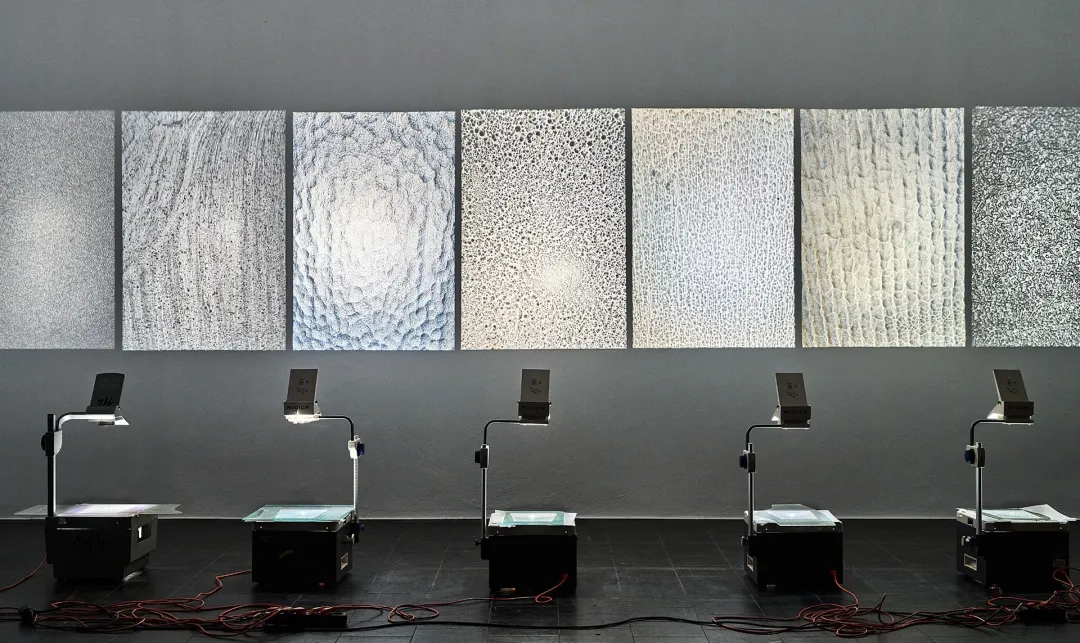
Projection VII (Beijing)
Projection VII (Beijing)
Judith Rhodes
Slide projector, glass slide
900×200×120cm
2021-2026
Judith Rohde is a German-born artist currently residing in Berlin. Her artistic practice encompasses sculpture, installation, and spatial intervention, with a particular focus on the perceptual qualities and material properties of glass. She explores how light, transparency, and reflection shape our experience of space and objects. Rohde's work often reuses discarded industrial and building materials, transforming fragments of daily life into contemplative visual experiences. Her work has been widely exhibited in Europe and Asia and is held in the collections of numerous museums, galleries, and public institutions.
Judith Röder is a German-born artist based in Berlin. Her artistic practice spans sculpture, installations, and spatial interventions, with a particular focus on the perceptual and material qualities of glass. She investigates how light, transparency, and reflection shape our experience of space and objects. Röder’s work often repurposes discarded industrial and architectural materials, transforming fragments of everyday life into contemplative visual experiences. She has exhibited widely across Europe and Asia, with her works featured in museums, galleries, and public institutions.
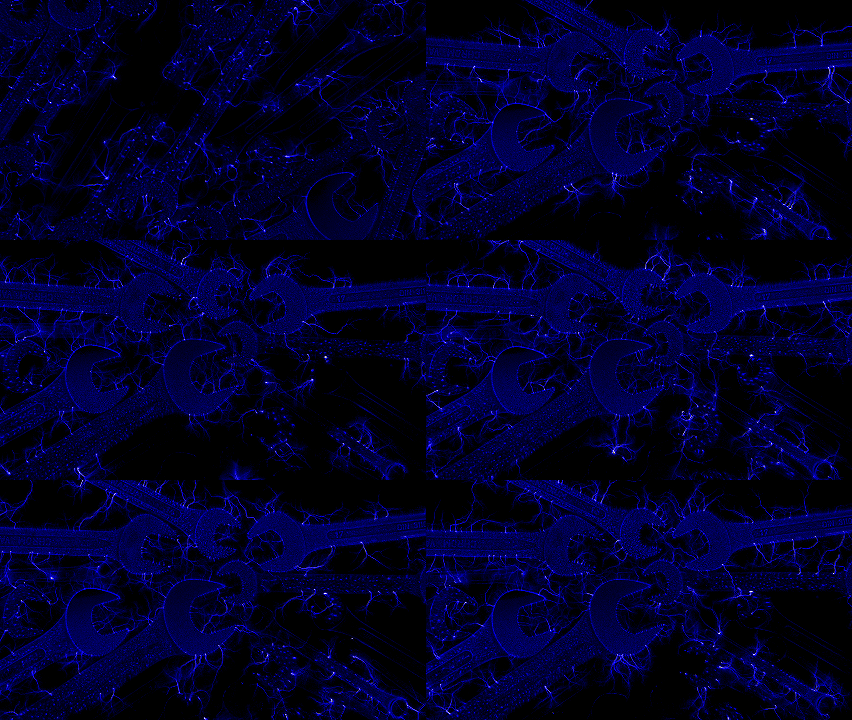

Depth of Discharge
Depth of Discharge
Máralin Deckman
Single-channel video with sound
27 minutes and 40 seconds
2021
Márajín Dijkmann was born in the Netherlands in 1978 and currently resides in Brussels, Belgium. She graduated from the Gerrit Rietfeld Academy of Fine Arts in Amsterdam (2001) and the Peter Zutter Academy of Fine Arts in Rotterdam (2003), and was a researcher at the Jan van Eyck Academy of Fine Arts in Maastricht from 2006 to 2007. Since 2009, she has been a tutor at the AKV/St. Joost Academy of Fine Arts in 's-Hertogenbosch.
Her creative practice encompasses two aspects: ongoing international projects and work development related to specific contexts or interests, and art practice initiatives such as "Enough Room for Space." Her practice stems from a wide range of interests, employs diverse media, often draws on elements of culture and science, and frequently interweaves different temporal dimensions and geographical spaces. These works can be seen as a form of science fiction—partly based on facts and research, but often venturing into the realms of fiction, abstraction, and speculation.
"Enough Room for Space" (ERforS) has been launching experimental research projects and exhibitions since 2005. ERforS strives for maximum freedom of action, always placing context and ideas above the medium, and challenging the boundaries between different disciplines such as art, science, or activism.
Marjolijn Dijkman was born in the Netherlands, she lives and works in Brussels, Belgium. She graduated from the Gerrit Rietveld Academie in Amsterdam (2001) and the Piet Zwart Institute in Rotterdam (2003), and was a researcher at the Jan van Eyck Academie in Maastricht from 2006 to 2007. Since 2009, she has been a tutor at the Master Institute of Visual Cultures, AKV/St. Joost, in Hertogenbosch.
Her artistic practice consists of two strands: ongoing international projects and the development of works related to particular contexts or interests, as well as artistic initiatives such as Enough Room for Space. Grounded in a wide range of interests, her practice employs diverse media and often draws on elements from culture and science, interweaving different temporalities and geographical spaces. Her works may be understood as a form of science fiction—partly rooted in fact and research, yet often extending into the realms of fiction, abstraction, and speculation.
Since 2005, Enough Room for Space (ERforS) has initiated experimental research projects and exhibitions. Striving to operate with the greatest possible freedom, ERforS consistently places context and ideas before medium, challenging the boundaries between disciplines such as art, science, and activism.
Unit 2: The Language of the Others
Chapter Two: Whisper of the Other
Animals, plants, fungi, bacteria—they don't use human language, but they constantly "whisper" through smells, vibrations, chemical signals, and electrical impulses. The artists in this section don't translate these "whispers" into human vocabulary, but rather retain their sense of alienation, while subtly conveying a message.
As Bruno Latour stated, non-human actors are not silent objects, but active beings—they “speak,” only they do not use human language.
The artists in the second unit are closer to "listeners"—they listen to expressions beyond human language.Long Pan's "Leaves" uses plant ash glaze made from burning heavy metal-rich plants. The vibrant glaze crystals are actually traces of industrial emissions, mineral flow, and ecological pollution—beautiful, yet recording the violent memory of matter. Wang & Söderström's "Wheel of Life" (Wh331 0f 1!f3) metaphorically describes the mutation and replication process of computer viruses as digital life forms traversing the "Wheel of Life," seeking to prove digital rebirth—making the invisible code infection tangible. Fei Yining's "Niao Niao" series uses ceramic shards to depict frame by frame the moment when crows mourn their kin and the take-off posture of Oriental white storks—the uncontrollability of the kiln fire gives the texture of "ceramic shard animation" a graininess similar to film, freezing non-human emotions and regeneration scenes into an ancient dynamic image. Emilija Škarnulytė's "Æqualia" is a nine-minute film that travels through the churning waters of the Amazon basin, where a post-human chimera—a combination of a pink pufferfish and a mermaid—swims at the confluence of two water systems, blurring the lines between human, non-human, and supernatural beings.
Artists: Wang & Söderström (Sweden), Fei Yining, Emilija Škarnulytė (Lithuania), Long Pan
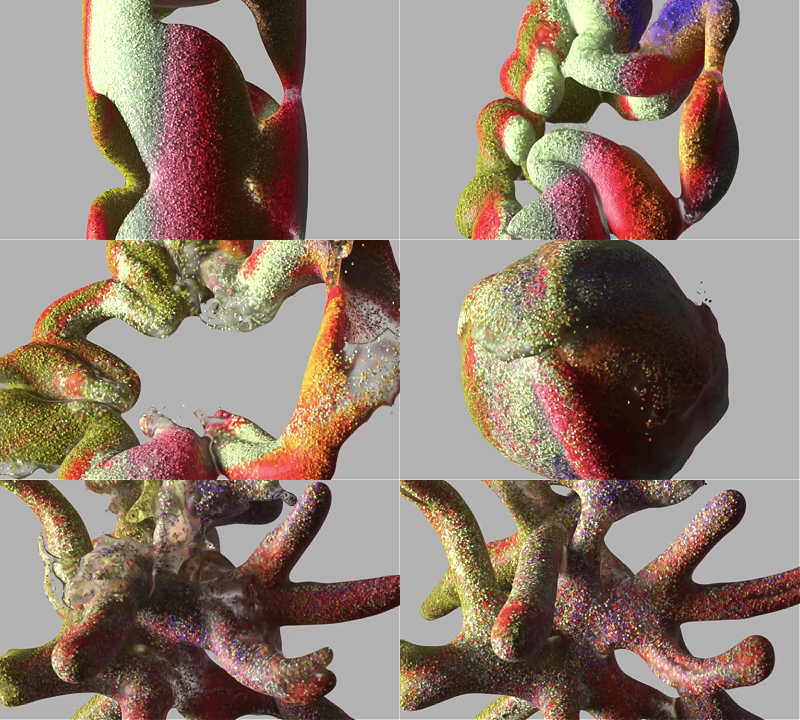
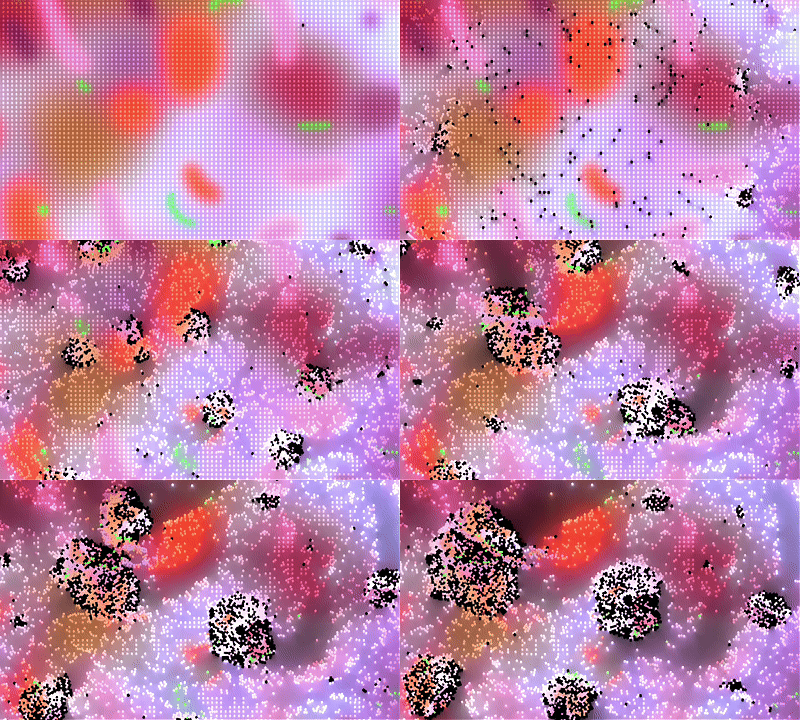
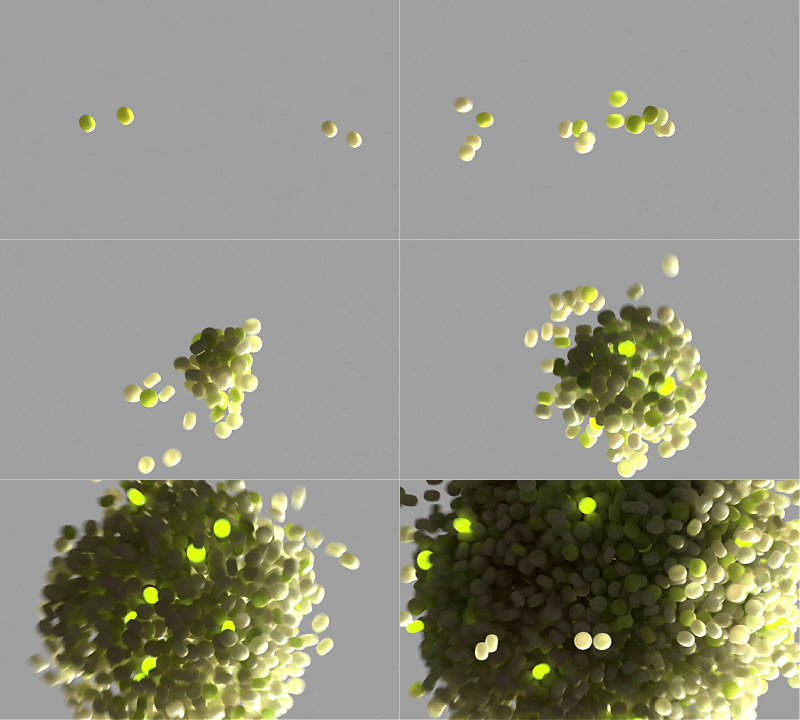
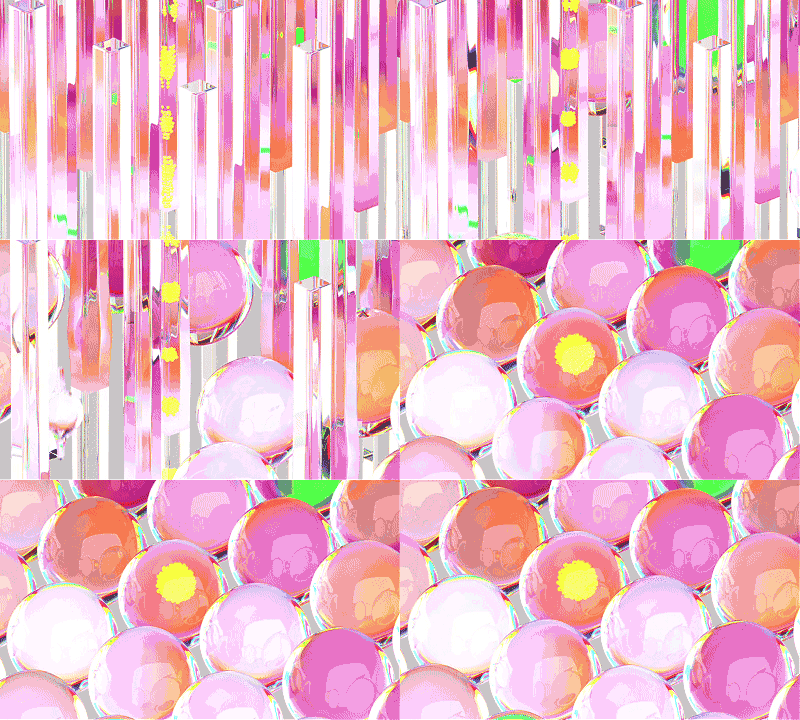
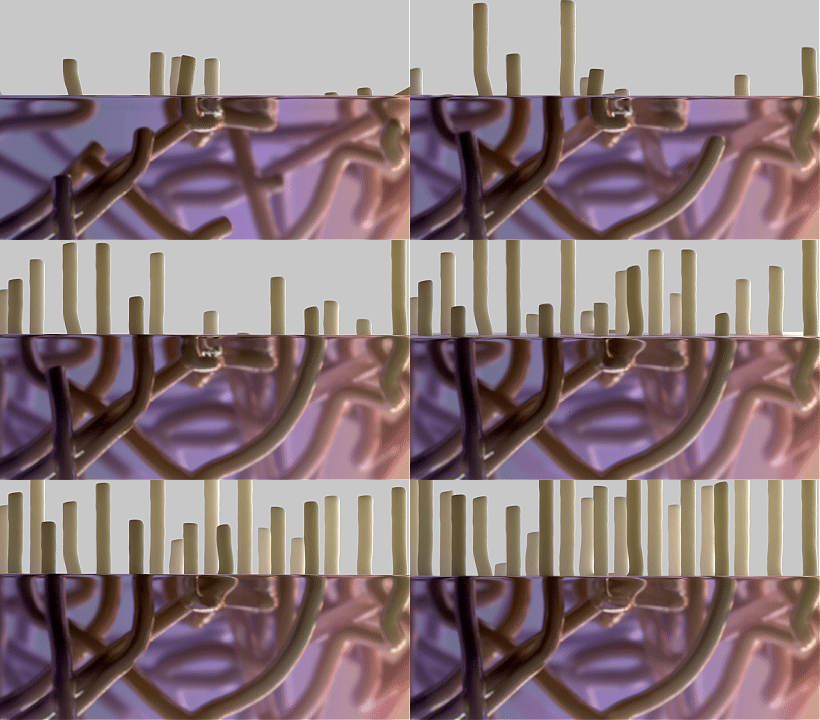
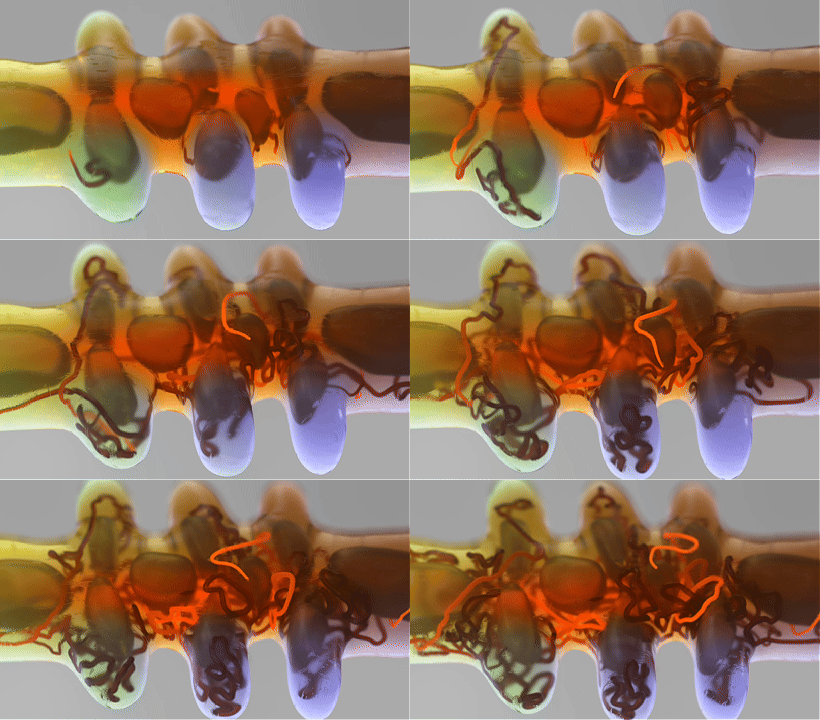
The Wheel of Life
Wh331 0f 1!f3
Wang & Söderström
Mixed Media Device
Plasma cutting of steel frames, 3D animation, spruce logs, single-board computers, LCD screens (various lengths)
Metal frame: 150×150cm; Log: 105×25×25cm
2022
Wang & Söderström are a Copenhagen-based artist duo. Their collaborative practice encompasses mixed-media installations, digital animation, and sculptural interventions, exploring the intersection of digital culture, biological systems, and spiritual symbolism. By integrating custom-designed electronic devices, 3D animation, and readily available natural materials, their work investigates how digital life forms reflect, mutate, and challenge our understanding of existence, infection, and transcendence. Wang & Söderström's work has been exhibited internationally in Europe and Asia.
Wang & Söderström is an artist duo based in Copenhagen, Denmark. Their collaborative practice spans mixed-media installation, digital animation, and sculptural intervention, exploring the intersections of digital culture, biological systems, and spiritual symbolism. Through the integration of custom-built electronics, 3D animation, and found natural materials, their works investigate how digital lifeforms mirror, mutate, and challenge our understanding of existence, contamination, and transcendence. Wang & Söderström have exhibited internationally across Europe and Asia.
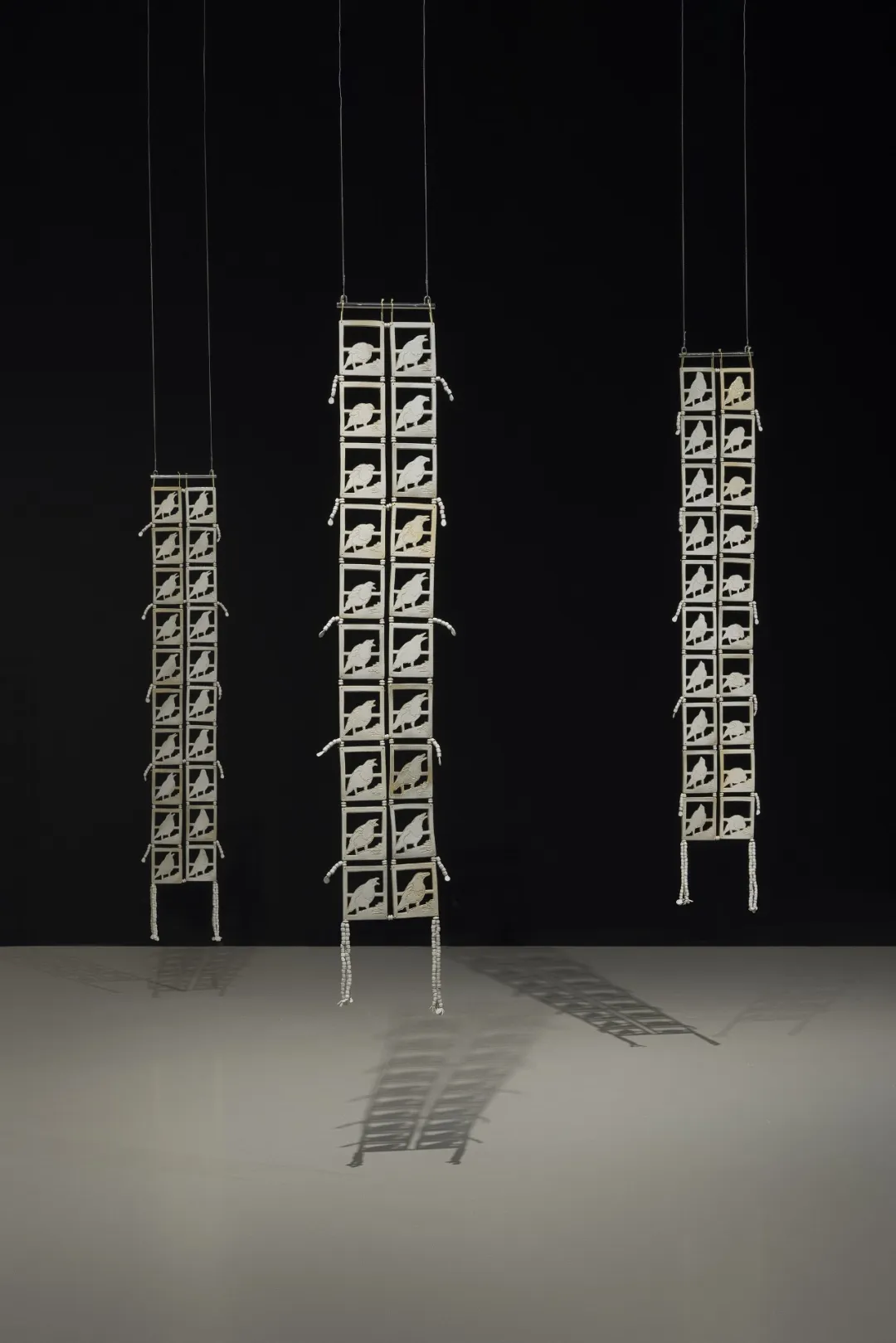
"Niao Niao: A Sorrowful Sound"
Wisping: A Lament
Fei Yining
Glazed ceramics, wire, stainless steel
196×27×1cm×3
2026
Fei Yining, born in 1990, currently lives and works in Shanghai. She graduated from the School of Journalism at Fudan University and later earned a Master of Fine Arts degree from Parsons School of Design in New York. In her practice, she uses media such as video, installation, and sculpture to explore the mythical power of natural narratives and their potential to shape multi-planetary narratives. Her projects typically stem from research in ecology, biology, and related fields, collaging fictional and real materials to create alternative histories and imagined futures, presenting a complex interplay between nature, myth, and technology.
Fei Yining lives and works in Shanghai. She received her BA from the School of Journalism at Fudan University, and later completed an MFA at Parsons School of Design in New York. Fei's practice moves across moving image, sculpture, and installation. She develops evolving topologies of the moving image to examine the mythic force of nature narratives and their capacity to generate multiple planetary stories. Her projects often begin with research in ecology, biology, and related fields, where she treats scientific narratives as a material that can be cut, spliced, and re-bound. Collaging the factual with the fabricated, she assembles alternative histories and speculative futures that hold nature, myth, and technological infrastructure in a tense, interlaced state. Her works fuse inquiry and imagination to test how uncertainty is narrated, inhabited, and sensed across shifting environments.
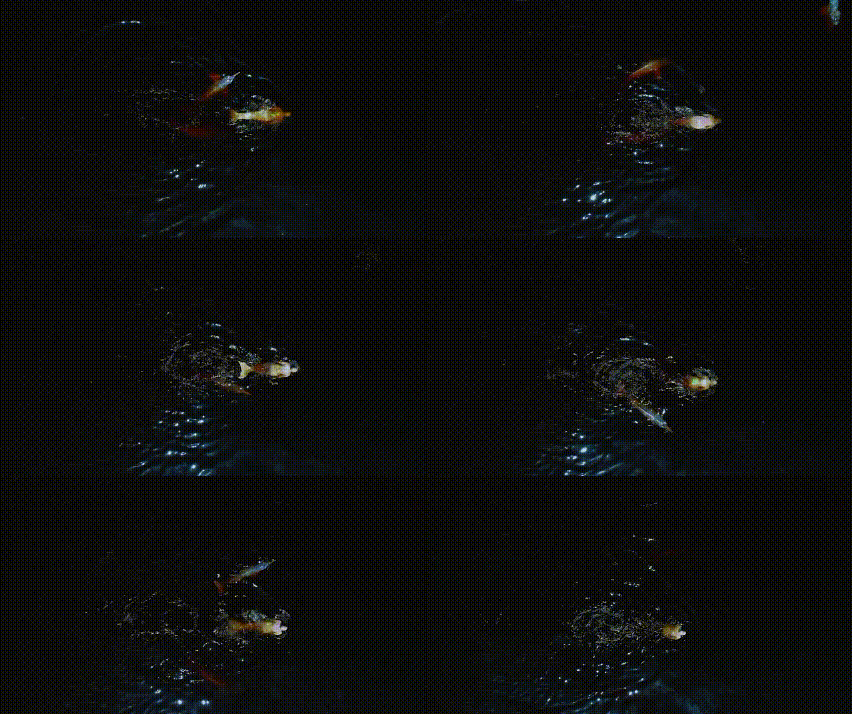
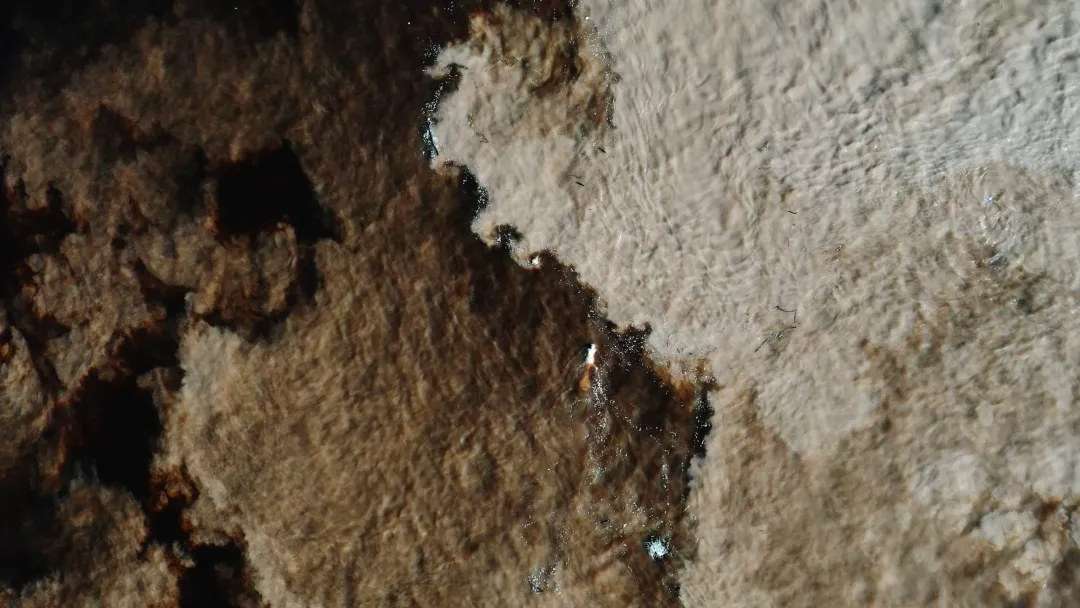
Water Sense
Æqualia (2023)
Emilia Skarnulette
Single-channel video with sound, 9 minutes
Commissioned by Canal Projects and Gwangju Biennale
2023
Emilia Skalnuret is a Lithuanian-born artist and filmmaker. Her work straddles the line between documentary and fiction, encompassing film, installation, sculpture, painting, and immersive temporal media, exploring the intertwined relationships between humanity, ecology, and the universe. Her work dwells in deep time, traversing geological eras, underwater architecture, and post-human futures to examine the history of both humans and non-humans. In her videos, viewers are often presented with extreme or inaccessible environments: abandoned nuclear power plants, deep-sea data centers, forgotten underwater cities, endless desert landscapes, and bizarre natural phenomena. The artist, through the lens of a futuristic archaeologist, suggests that those images we imagine as science fiction or fantasy already exist on our own planet. By combining poetic and analytical visual languages, Skalnuret explores how the infrastructure of power—ecology and myth—extends into the invisible and unknowable realms of the ocean depths, cosmic matter, and memory.
Emilija Škarnulytė is a Lithuanian-born artist and filmmaker. Working between documentary and imaginary realms, Škarnulytė makes films, installations, sculptures, drawings, and immersive time-based media that explore the entanglement of the human, the ecological, and the cosmic. Her work inhabits deep time, spanning geological epochs, submarine architectures, and post-anthropocentric futures to examine human and non-human histories. In her videos, viewers often encounter extreme or inaccessible environments: decommissioned nuclear power plants, deep-sea data storage, abandoned and underwater cities, endless desert landscapes, and uncanny natural phenomena. Inhabiting a future archaeologist’sperspective, the artist suggests that the worlds we imagine to be science fiction or fantasy are already forgotten to be found on our own planet. By combining poetic and analytic visual languages, Škarnulytė examines how infrastructures of power—ecological and mythological—extend into unseen and unknown territories of oceanic abyss, cosmic matter, and memory.
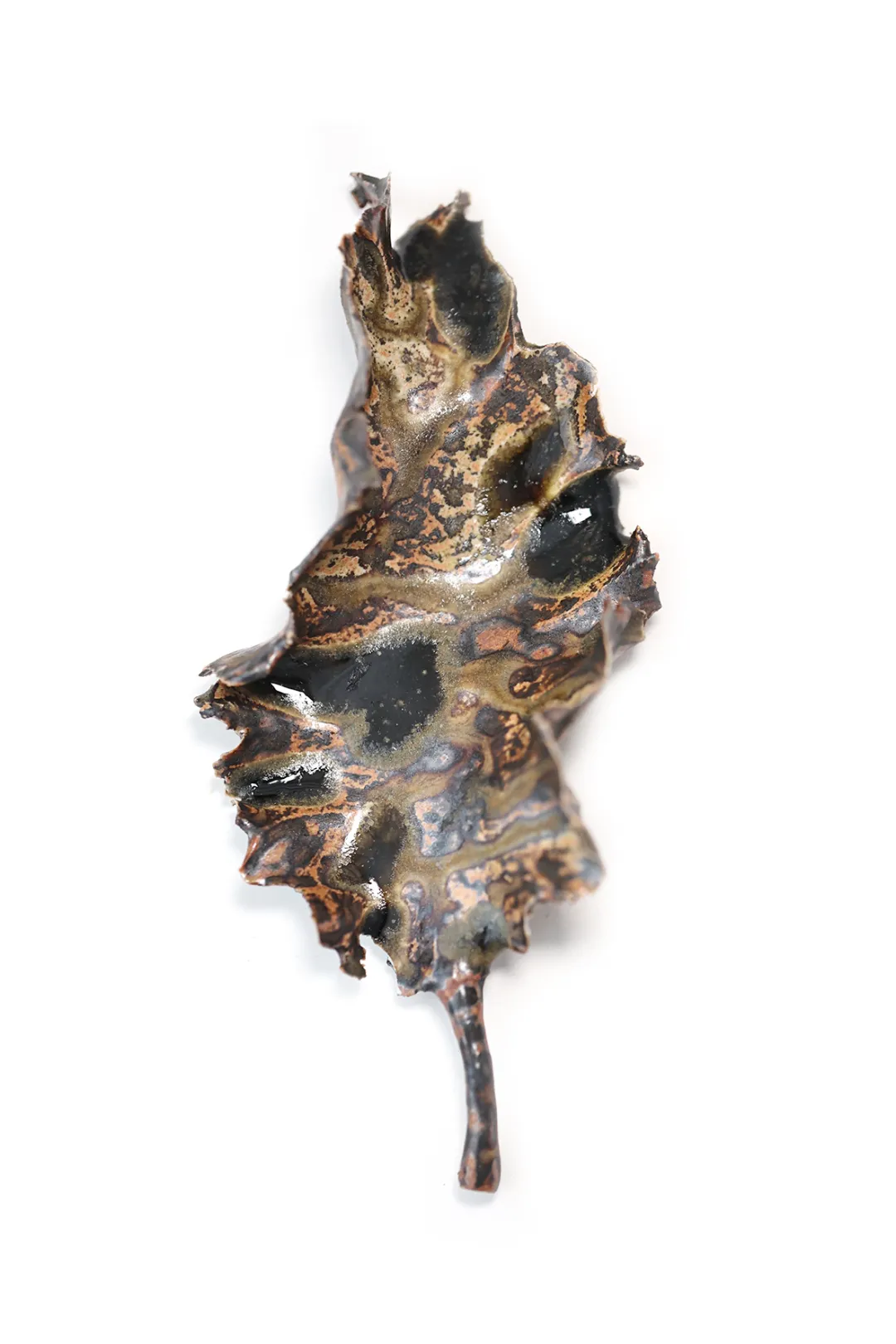
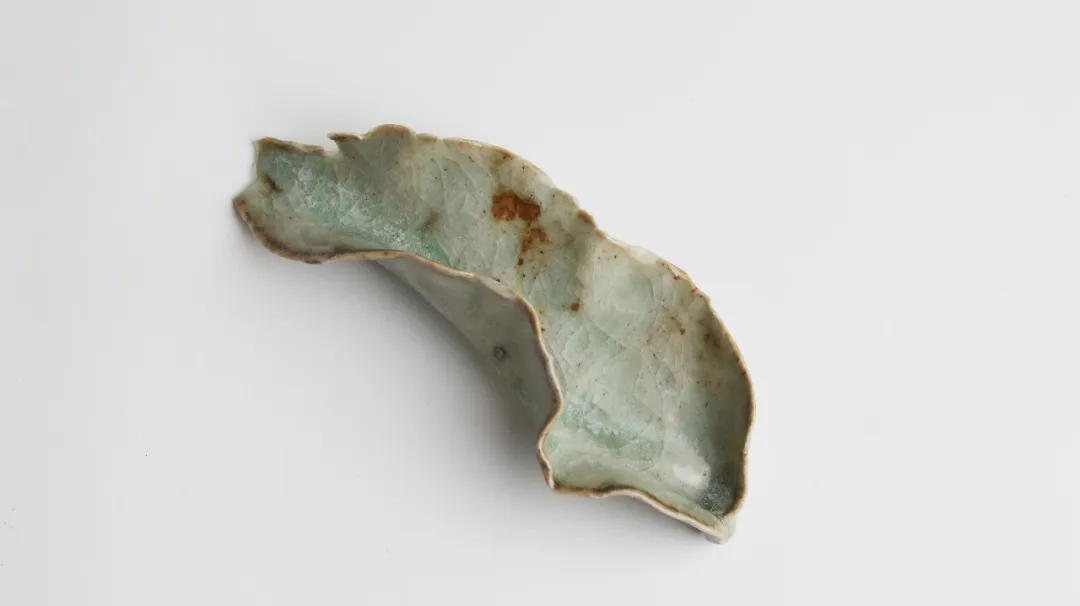
"leaf"
Leaves
Long Pan
Ceramic products, clay, wood ash
8cm×3cm×5cm×20
(2022-ongoing)
Long Pan received her Master's degree from the China Academy of Art in 2019. Her artistic practice is deeply rooted in interdisciplinary research, fieldwork, and laboratory collaboration. Her core research revolves around issues of bioremediation and biopolitics, aiming to interpret the deeper, often overlooked relationship between human survival and the environment in contemporary industrial society through the perspective of non-human organisms, exploring and presenting the "secret correspondences" of the entire life network in which humanity exists. In her work, biological media are not merely materials, but also become the narrative subject for reinterpreting the predicament of the Anthropocene. She uses biotechnology such as "plant metallurgy" and "fungal degradation" to visualize invisible alienation phenomena in the environment.
Long Pan is an artist based in China, whose recent work is often situated in the Southwest and Northwest regions of the country. Her artistic practice is deeply rooted in interdisciplinary research, fieldwork, and laboratory collaboration. Her core research revolves around bioremediation and biopolitics, aiming to interpret the deeper, often overlooked relationships between human existence and the environment in contemporary industrial society through the perspective of non-human beings. She explores and presents the "hidden correspondences" within the entire web of life that humanity inhabits. In her creations, biological media are not merely materials but become narrative subjects for reinterpreting the dilemmas of the Anthropocene. She employs biotechnologies such as "phytomining" and "mycoremediation" to materialize the invisible phenomena of alienation present in the environment.
Unit 3: Digital Traces
Chapter Three: Digital Traces
Technology is not a neutral tool—it has its own logic, its own sense of time, and its own "desires." The artists in this section do not praise or criticize technology, but rather allow the audience to experience for themselves: how algorithms make decisions that humans cannot understand, how data possesses its own life, and how the "invisible hand" behind the screen shapes it.
In the age of code and algorithms, art seeks out the emergence of life and meaning, those incalculable fissures.
The artists in the third section are “anatomists of media.” Marc Lee’s *Losing Oneself – Voices from the Deep Sea* constructs a speculative context: deep-sea creatures have evolved the ability to access artificial intelligence models, observing and interpreting humanity from the ocean depths—visitors engage in real-time, multilingual dialogue with this synthetic ensemble, blurring the boundaries between observer and observed, human and non-human. Qiu Yu’s *LUCA – Uncomputable Inscription* uses 12 relays to simulate 4 billion years of computation (equivalent to the human brain’s computing power in a day), questioning in the endless clicking: perhaps life can be inscribed, but not truly calculated. Dillon Marsh’s *For What It's Worth* uses South African copper mines as its subject, employing algorithmically calculated spheres to precisely represent the total weight of copper mined from each mine—visualizing the “gains” and “sacrifices” of industrial mining as suspended spheres. Jakob Kudsk Steensen's "The Ephemeral Lake" also resonates in this section—its real-time simulated virtual ecosystem is both nature in "slow motion" and another kind of nature generated by algorithms.
Artists: Marc Lee (Switzerland), Jakob Kudsk Steensen (Denmark), Qiu Yu, Dillon Marsh (South Africa)
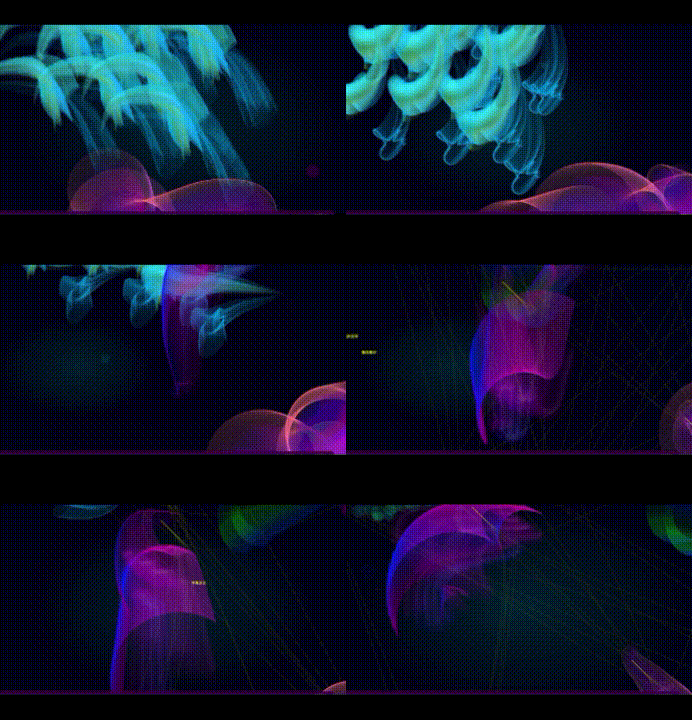
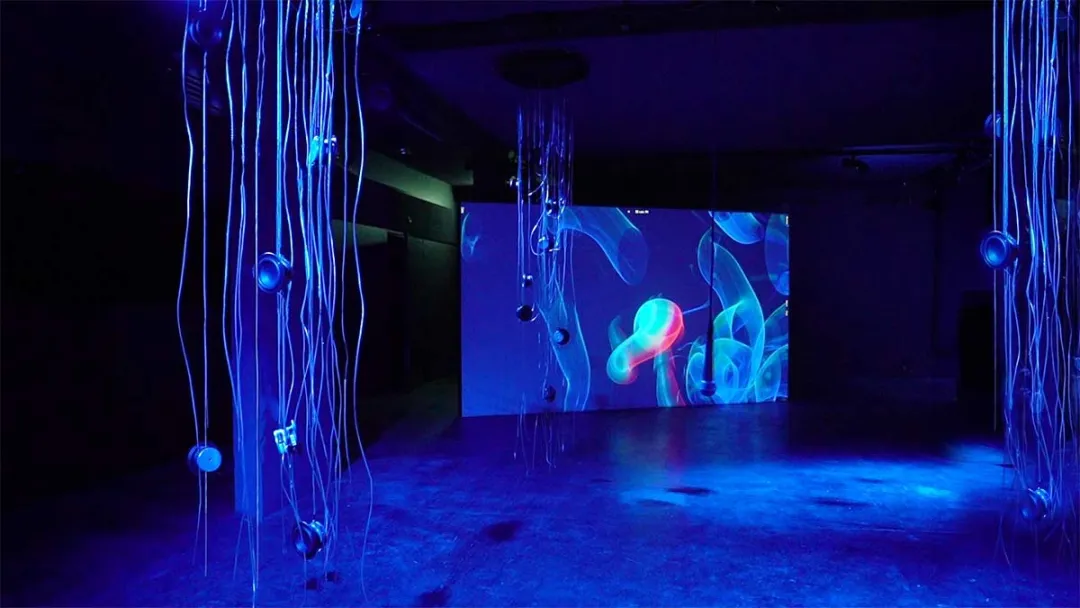
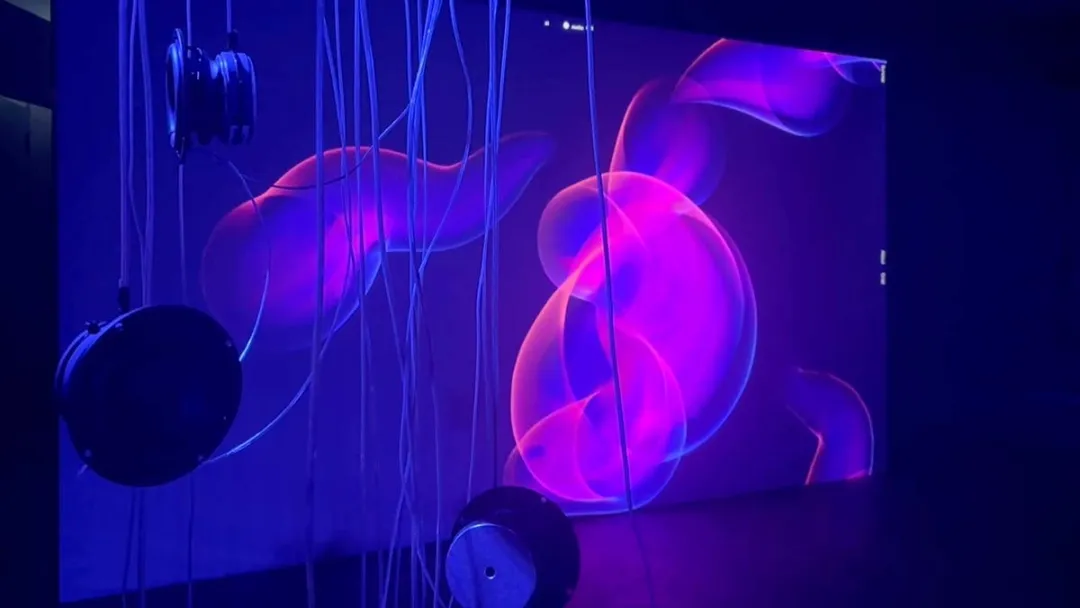
Lost in Self: Voices from the Deep Sea
Losing Oneself – Voices from the Deep Sea
Mark Lee
Interactive network devices
2026
Marc Lee is a Swiss artist specializing in real-time processing, computer-programmed audiovisual installations, AR, VR, and mobile applications. His work critically reflects on creativity, culture, society, ecology, politics, and future predictions. His work has been exhibited in major museums and new media art exhibitions, including the Center for Media Art in Karlsruhe (ZKM), the New Museum in New York, the National Museum of Modern and Contemporary Art (MMCA) in Seoul, the International Ars Electronica (ISEA) festivals in Gwangju and Paris, the Transmediale festival in Berlin, and the Ars Electronica festival in Linz, and has received numerous prestigious awards, including the Stuttgart Network Culture Extended Media Award (2024), the Pax Art Prize in Basel (2021), the Hamburg Network Art Prize (2008), and the Transmediale Prize (2002). He also teaches and conducts lectures and workshops on art and software art at numerous institutions, including the China Academy of Art, the Strelka Academy in Moscow, the Shanghai Institute of Visual Arts, the National Museum of Modern and Contemporary Art (MMCA) in Seoul, and the Zurich University of the Arts (ZHdK).
Marc Lee is a Swiss artist. He focuses on real-time processed, computer- programmed audiovisual installations, AR, VR and mobile apps. He critically reflects on creative, cultural, social, ecological, political and speculative aspects. His work has been shown in major museums and new media art exhibitions including ZKM Karlsruhe, New Museum New York, MMCA Seoul, ISEA Gwangju and Paris, Transmediale Berlin, Ars Electronica Linz and has received major awards including: the Expanded Media Award for Network Culture Stuttgart (2024), the Pax Art Award Basel (2021), the Netart Award Hamburg (2008) and the Transmediale Award (2002). He has lecturing, teaching and holding workshops about art and software art in many schools including the CAA Hangzhou, Strelka Moscow, SIVA Shanghai, MMCA Seoul and ZHdK Zurich.
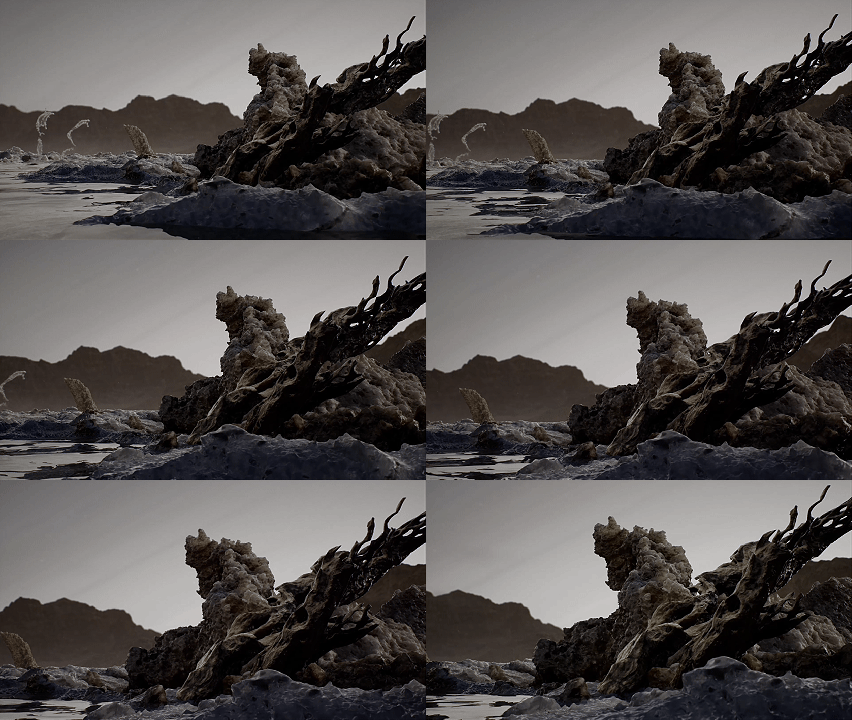
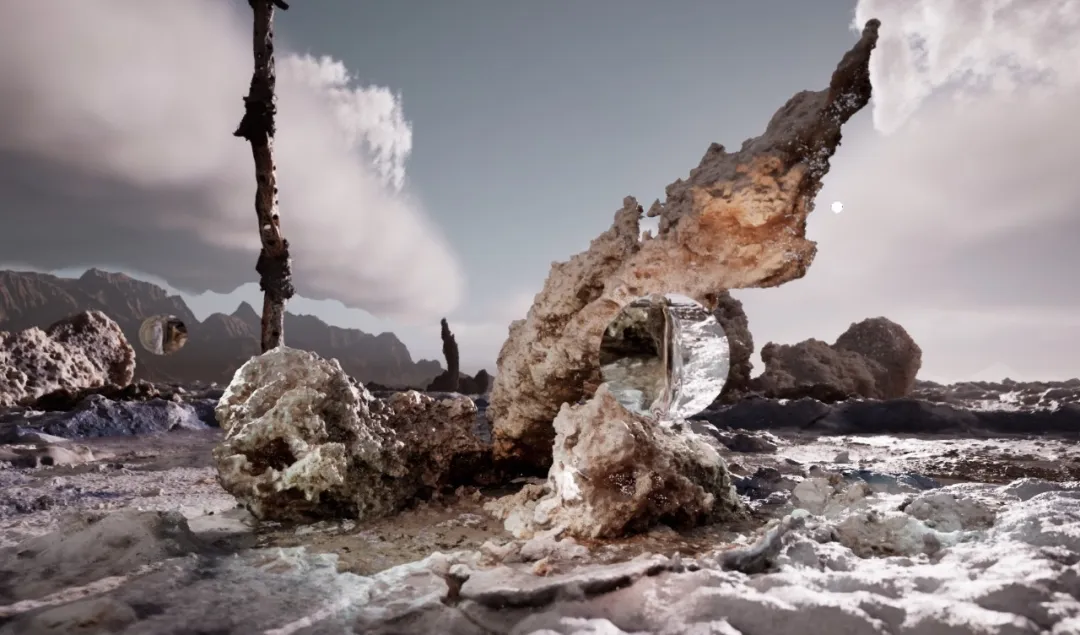
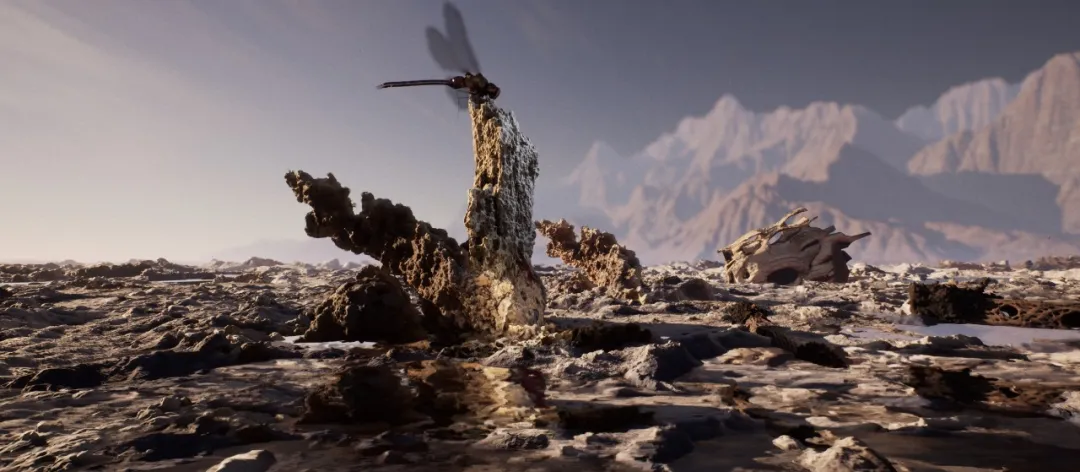
Seasonal Lakes by Jacob Kutsk Stinson
The Ephemeral Lake
Real-time analog and generative sound, with variable dimensions.
Commissioned by the Hamburg Museum of Fine Arts.
2024
Jacob Kutzke Stinsen is a Danish artist working at the intersection of ecology, digital media, and immersive narrative. His practice combines fieldwork, 3D scanning, game engine technology, and generative sound to create real-time simulations that explore neglected ecosystems and the deep temporal layers of geology. Stinsen's work reimagines landscapes affected by climate change, resource extraction, and human intervention, inviting viewers into a speculative environment where the boundaries between nature and synthesis dissolve. His work has been exhibited at international institutions such as the Venice Biennale, the Aarhus Art Museum, and the Tokyo Museum of Contemporary Art.
Jakob Kudsk Steensen is a Danish-born artist working at the intersection of ecology, digital media, and immersive storytelling. His practice combines fieldwork, 3D scanning, game engine technology, and generative sound to create live simulations that explore overlooked ecosystems and geological deep time. Steensen’s works reimagine landscapes shaped by climate change, extraction, and human intervention, inviting viewers into speculative environments where the boundaries between the natural and the synthetic dissolve. He has exhibited internationally at institutions including the Venice Biennale, ARoS Aarhus Kunstmuseum, and the Museum of Contemporary Art Tokyo.
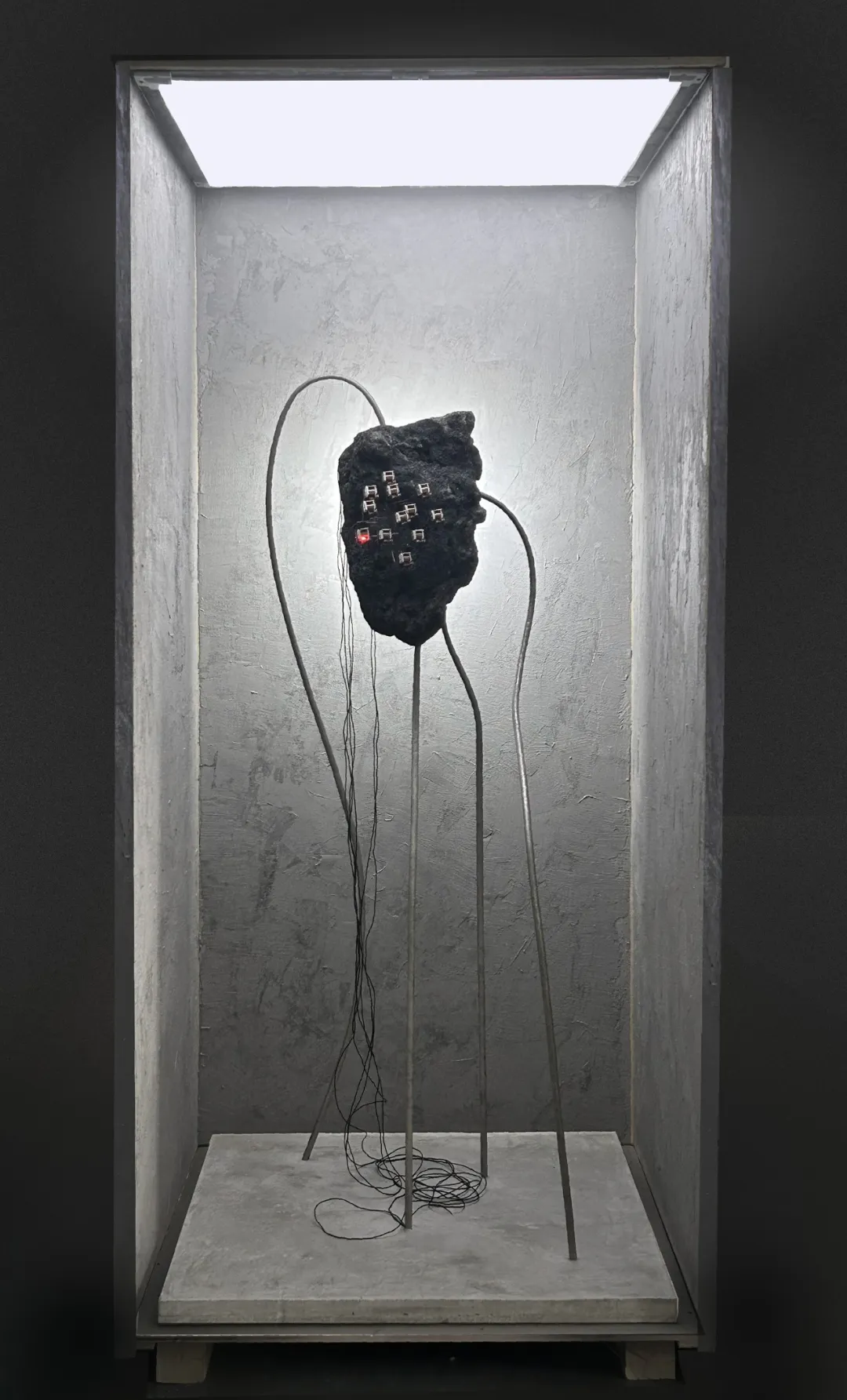
LUCA - Incalculable Inscription
LUCA: The Uncomputable Inscription
Qiu Yu
Hybrid Media Device
Volcanic rock, relays, copper wires, control circuits, aluminum alloy pipes, etc.
110×110×230cm
2026
Qiu Yu graduated from the Central Academy of Fine Arts with a doctorate in Art and Technology. He engages in the creation and research of art and technology, using mixed media such as sound, video, installation, and biology in his work, combined with technological means to explore the inherent logic and linguistic relationships within these media, as well as the perception of life under the influence of mixed media. His works have been exhibited in numerous domestic and international exhibitions, including the Beijing Media Art Biennale, Chengdu Biennale, B3 Biennale, Wuhan Biennale, Jinan Biennale, Xinjiang Biennale, Jinji Lake Biennale, Anren Biennale, Asian Digital Art Exhibition, "Motion for Action" 35 Years of Chinese Media Art, and "Growth" International Bio-Art Exhibition.
Qiu Yu, Ph.D. in Art & Technology, Central Academy of Fine Arts (CAFA), Qiu Yu's creative research in technology-based art operates at the intersection of experimental media systems and expanded cognition. Through the deployment of hybrid media — sound, moving image, bio-installation, and cybernetic interfaces — his practice interrogates the ontological syntax embedded within technological substrates while probing emergent modes of biological cognition shaped by transmedial interactivity. His works have been exhibited in Beijing Media Art Biennale, Chengdu Biennale, B3 Biennale, Wuhan Biennale, Jinan Biennale, Xinjiang Biennale, Jinji Lake Biennale, Anren Biennale, 35 Years of Chinese Media Art, Asia Digital Art Festival, Bio Art Exhibition, and other domestic and international exhibitions.
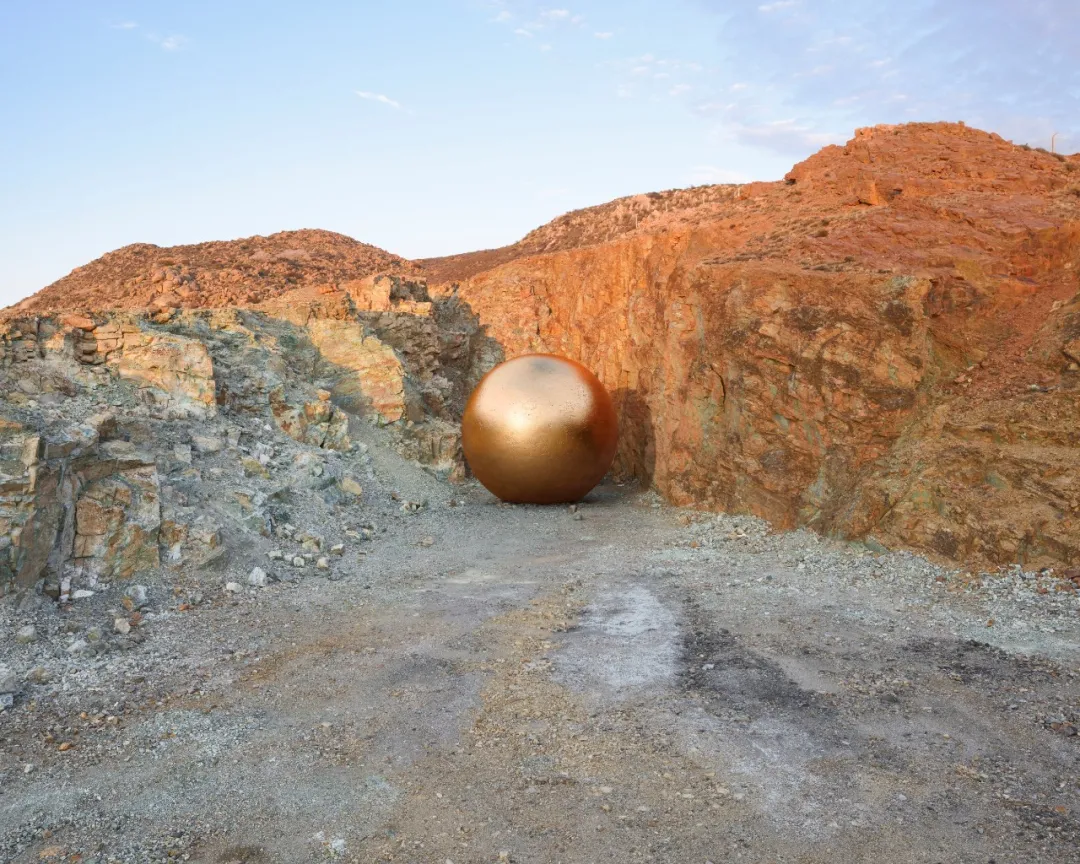
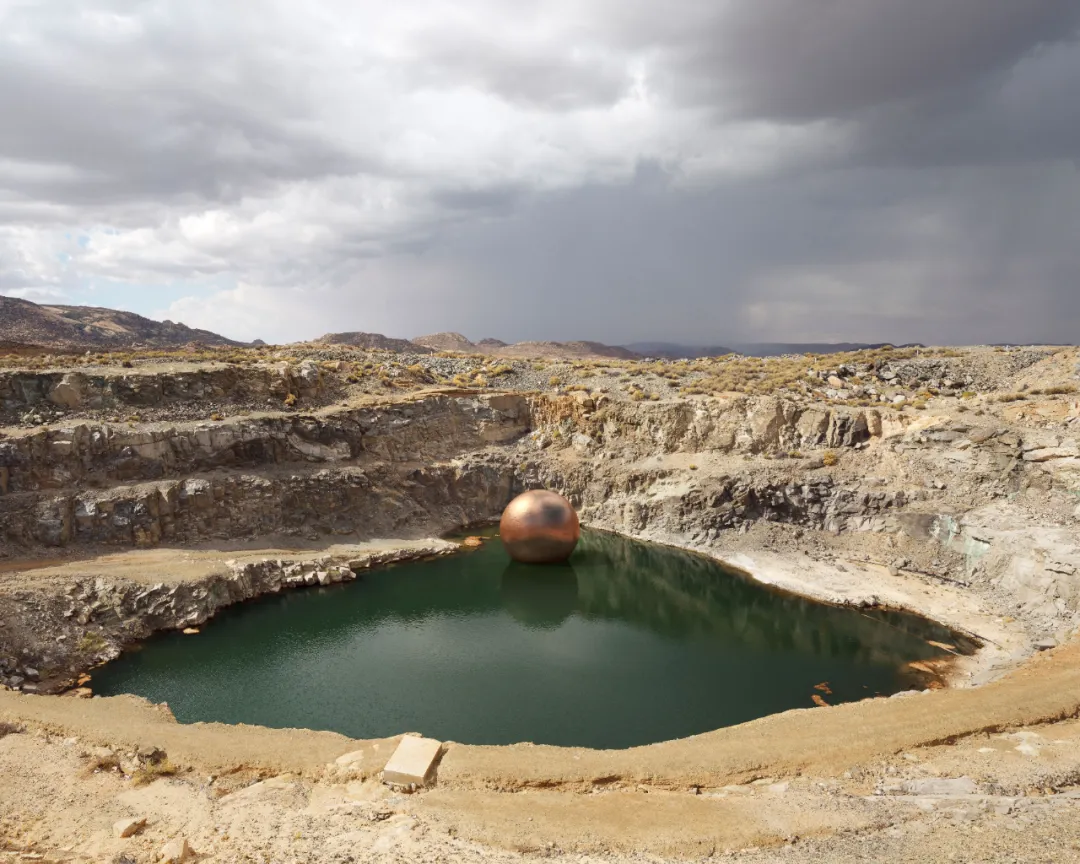
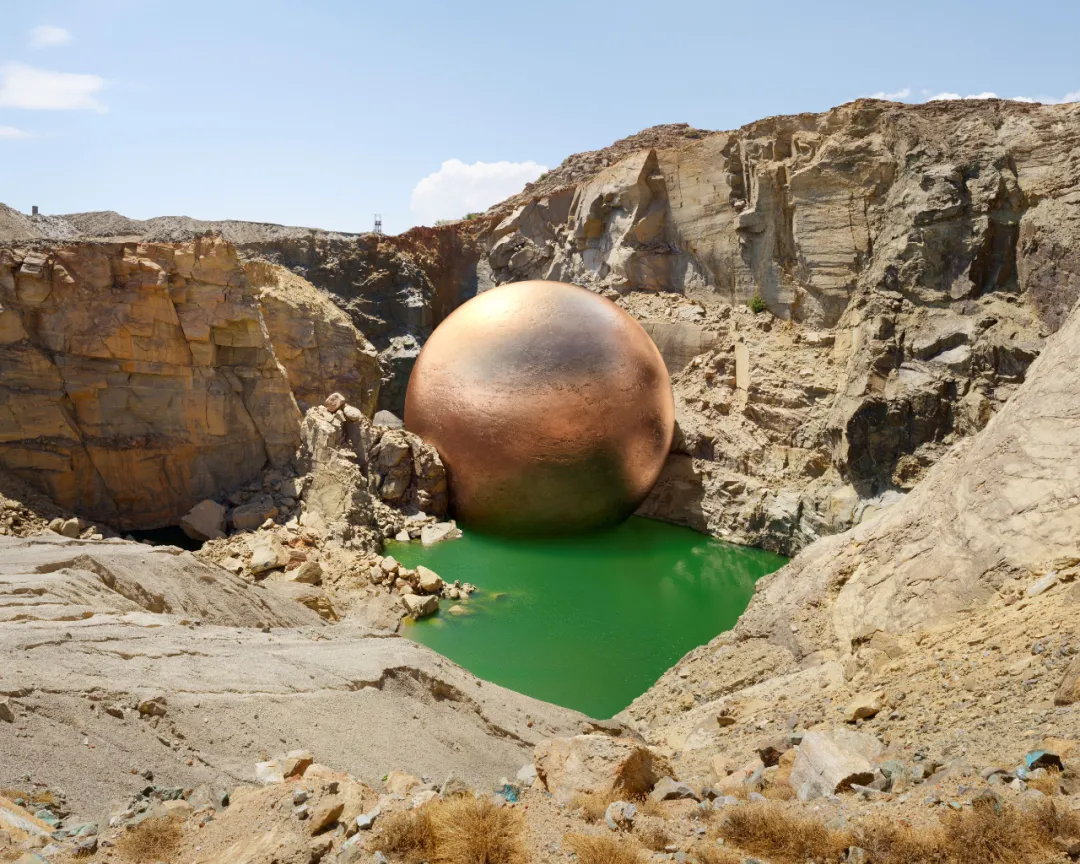
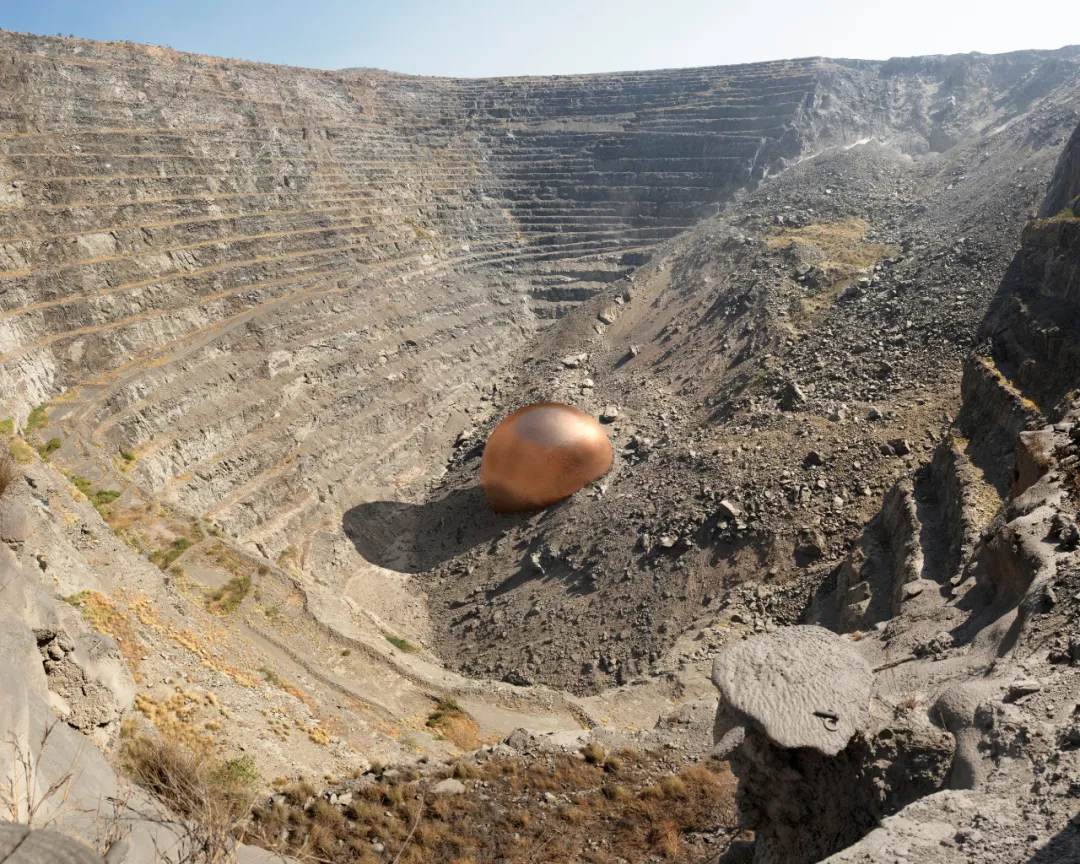
Value for Money
For What It's Worth
Dylan Marsh
Digital printing
100×125cm×5
2016
Dylan Marsh is a Cape Town-based South African visual artist. His practice combines photography, digital modeling, and archival research to examine the relationship between humanity and the natural world, particularly in the context of resource extraction and environmental change. Marsh's work transforms quantified data into visually impactful forms, making visible the often-hidden scale and lasting consequences of industrial activity. His projects have been exhibited internationally, including at the Izziko National Gallery of South Africa and the Bamako African Photography Biennial.
Dillon Marsh is a South African visual artist based in Cape Town. His practice combines photography, digital 3D modeling, and archival research to examine humanity's relationship with the natural world, particularly in the context of resource extraction and environmental transformation. Marsh's work translates quantitative data into compelling visual forms, making visible the often-hidden scales of industrial activity and their enduring consequences. His projects have been exhibited internationally, including at the Iziko South African National Gallery and the Bamako Encounters Biennial of African Photography.
Another perception:
Temporal form, other's language, digital traces
Exhibition Time
July 28, 2026 to January 3, 2027
Exhibition venue
The third floor exhibition hall of Tsinghua University Art Museum
General Planning
Lu Xiaobo
Artistic Director
Deng Yan
Curator
Xing Dan, Sun Yiwei
Academic coordination
Fang Xiaofeng
Exhibition Coordination
Wang Chenya
Stay tuned to ArtPro for the latest updates on the global art market.