
[2025 Spring Auction] Focus on Shanghai! Golden Harvest 20th Century and Contemporary Art Sale to be held on June 15
The Shanghai Jiahe 2025 Spring and 15th Anniversary Celebration Auction will be previewed at the Shanghai Jing'an InterContinental Hotel (No. 500, Hengfeng Road, Jing'an District) from June 13th to 14th, and the official auction will be held from June 15th to 16th, covering a variety of categories such as Chinese calligraphy and painting, 20th century and contemporary art.
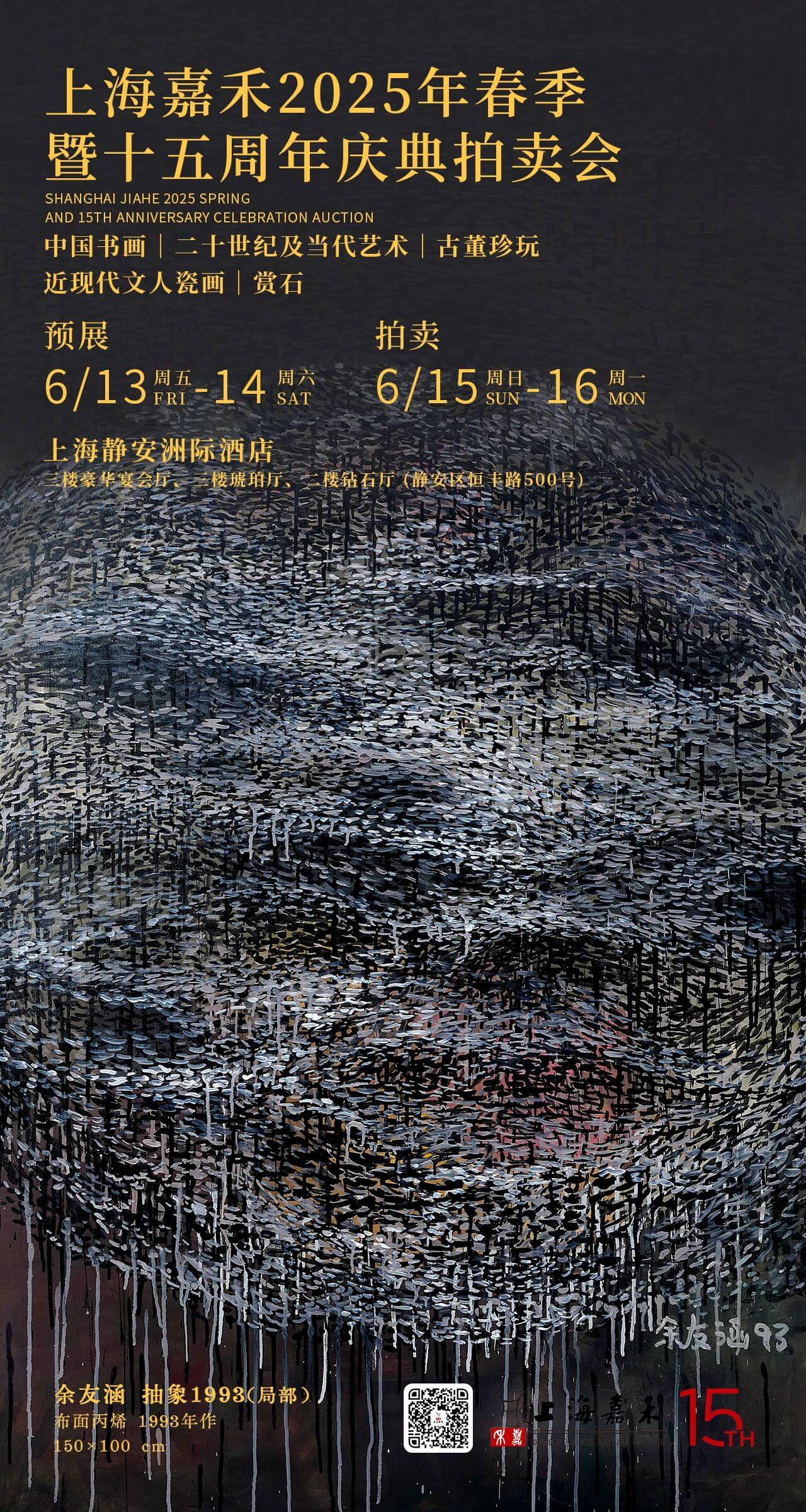
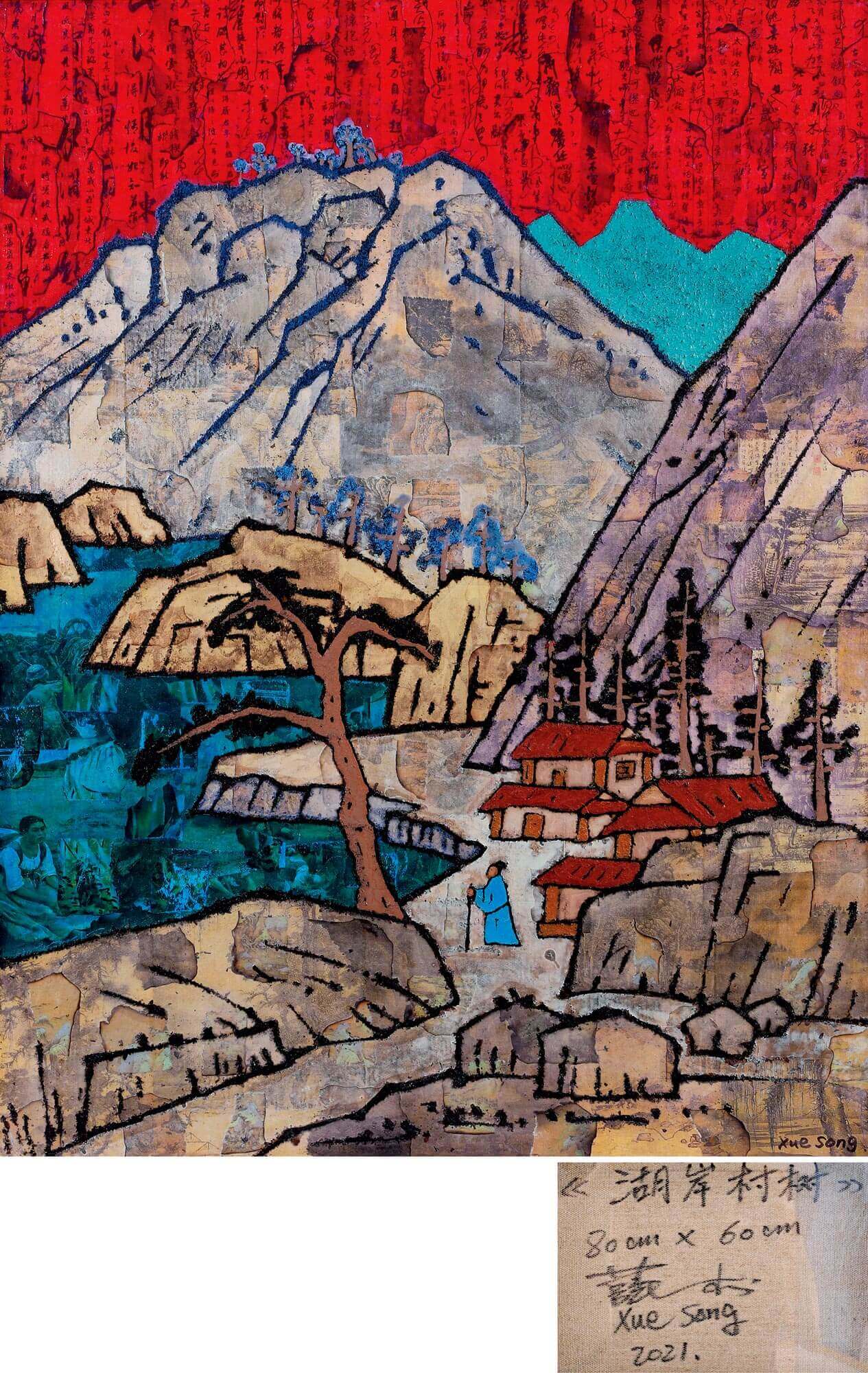
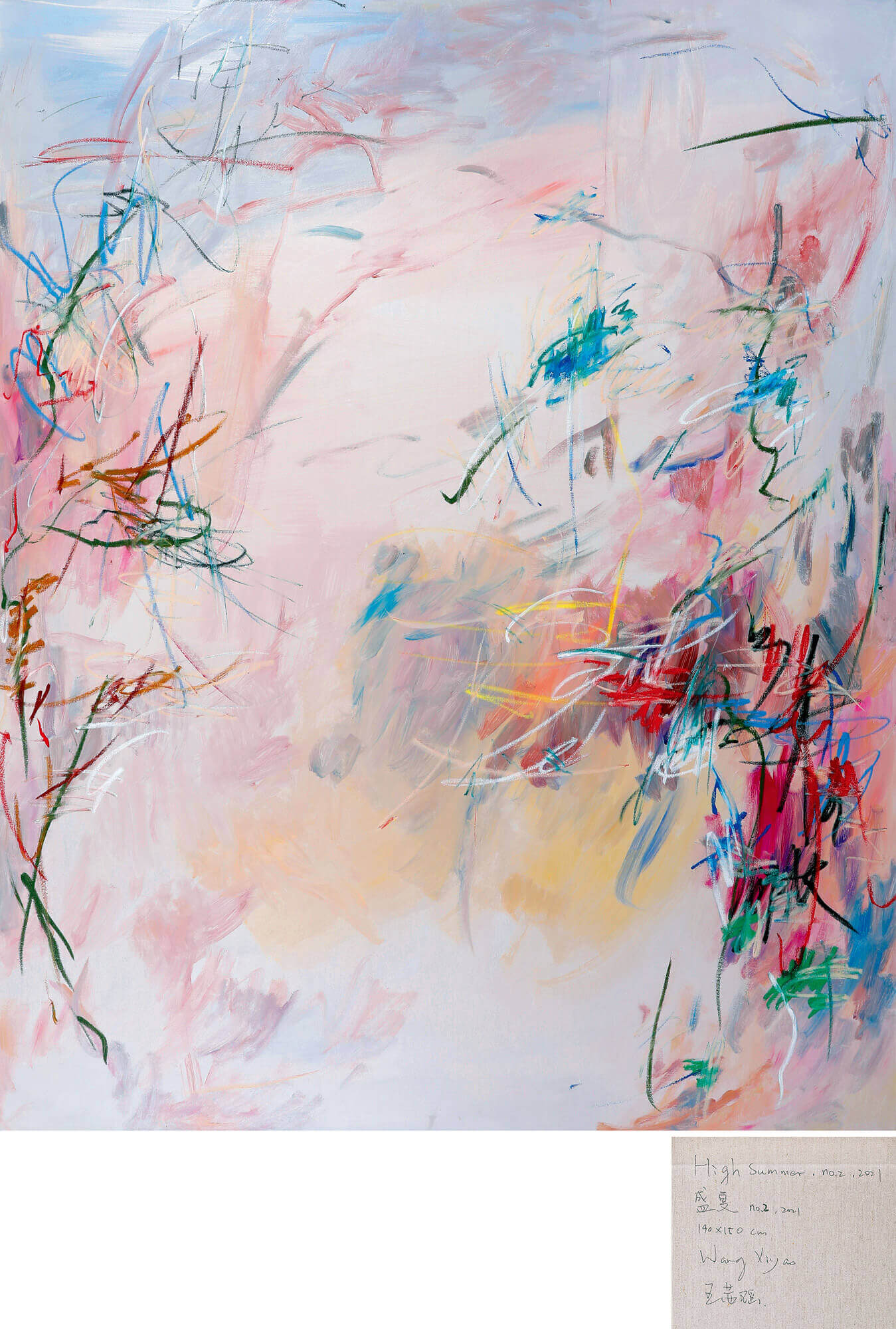
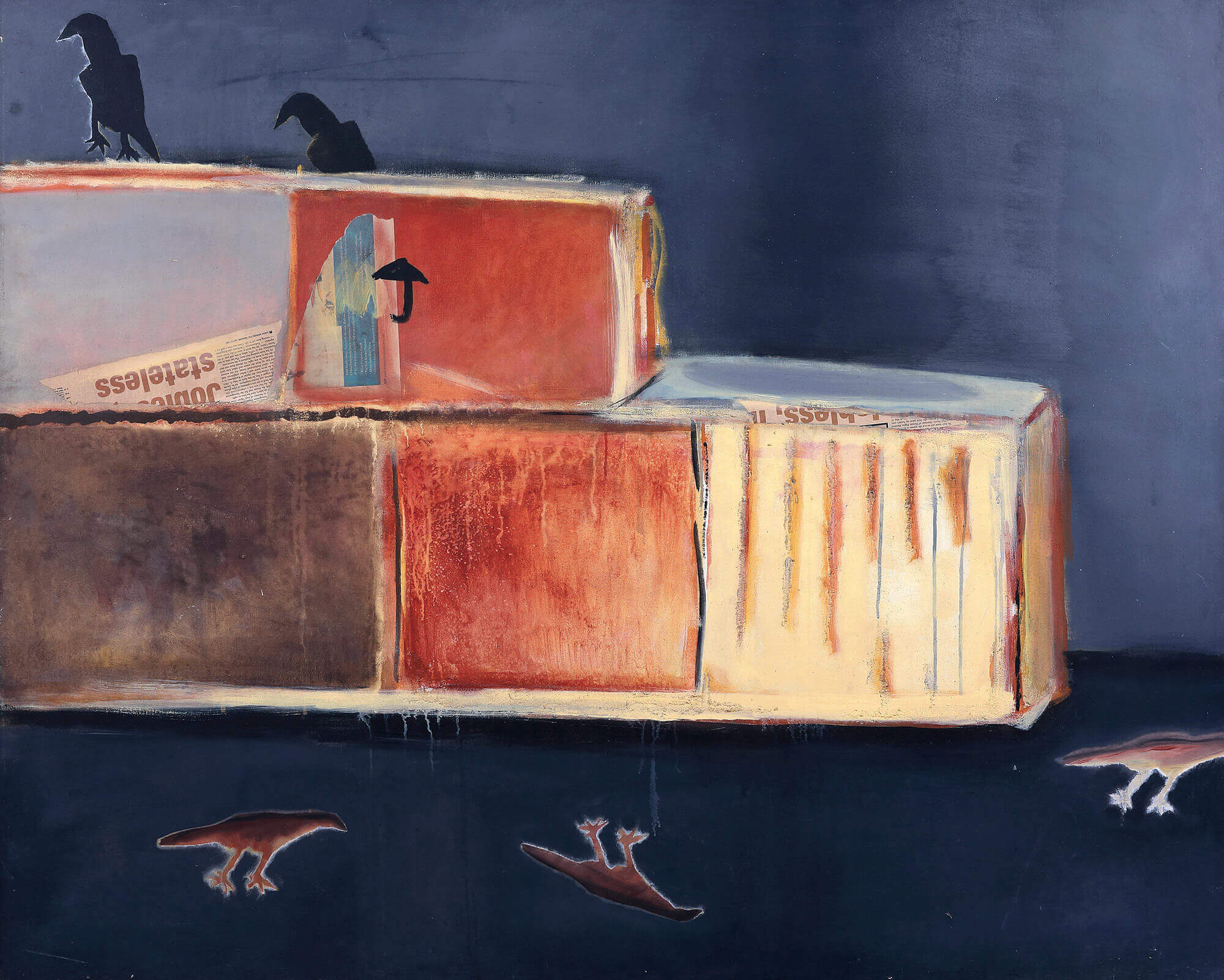
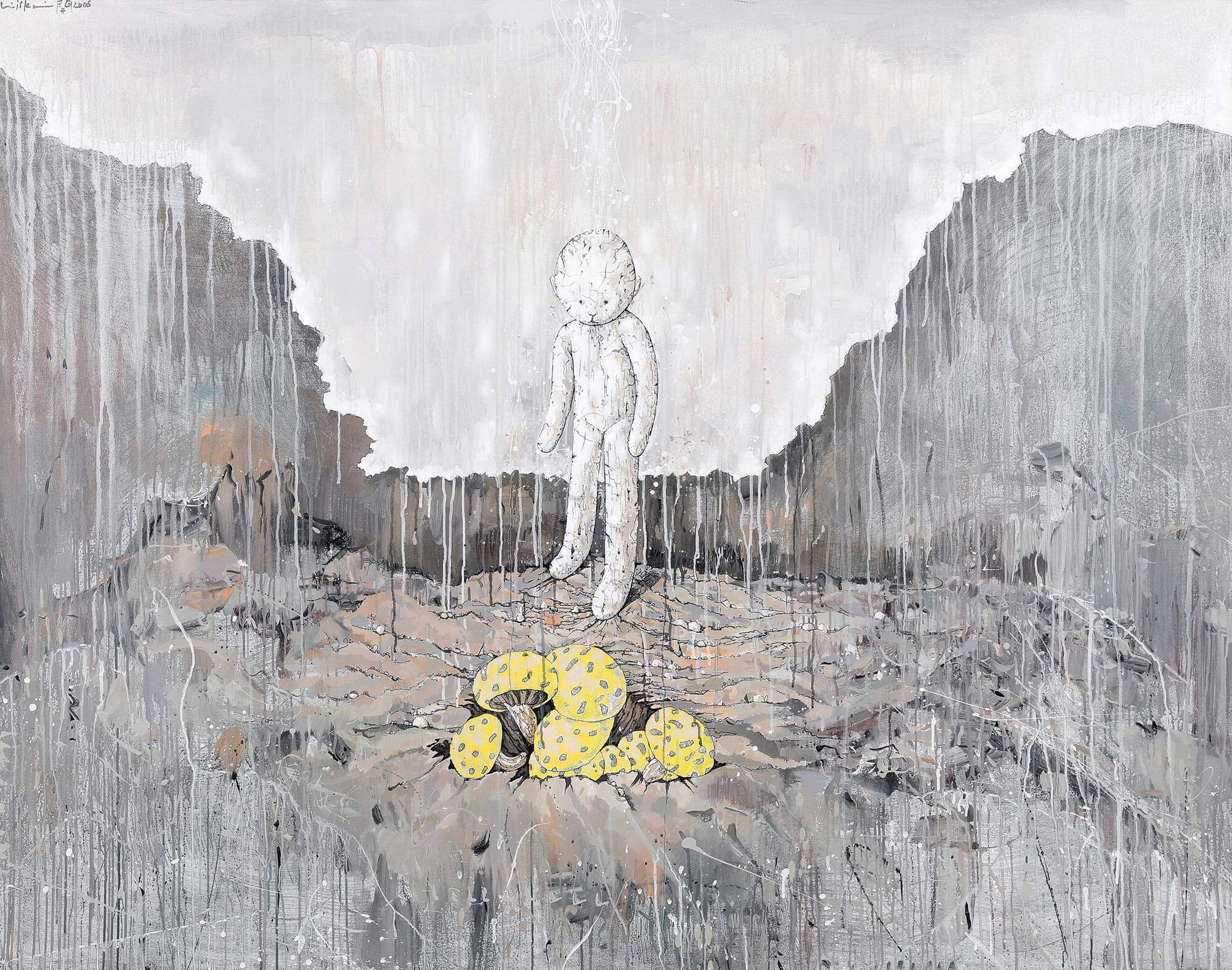
Among them, the 20th Century and Contemporary Art Night has attracted much attention, bringing together more than 180 fine works by many modern and contemporary artists from all over the world. It not only presents classic works by milestone figures such as Yu Youhan, Chen Yifei, and Li Shan, connecting the early exploration of Chinese contemporary art, but also selects representative works of young and middle-aged artists such as Ma Ke to show individual language breakthroughs; at the same time, the works of the Shanghai Abstract Art Cluster included in authoritative publications such as "Chinese Abstract Art" highlight the status of the region's academic highland; there are also new works by young artists such as Wang Qianyao and Chen Yingjie, who are hailed as the "blue chip stocks" of the future international art market, as well as the diverse perspectives of female artists such as Liu Manwen and Liu Hong, presenting a panoramic view of the diverse development of Chinese contemporary art over the past 30 years.
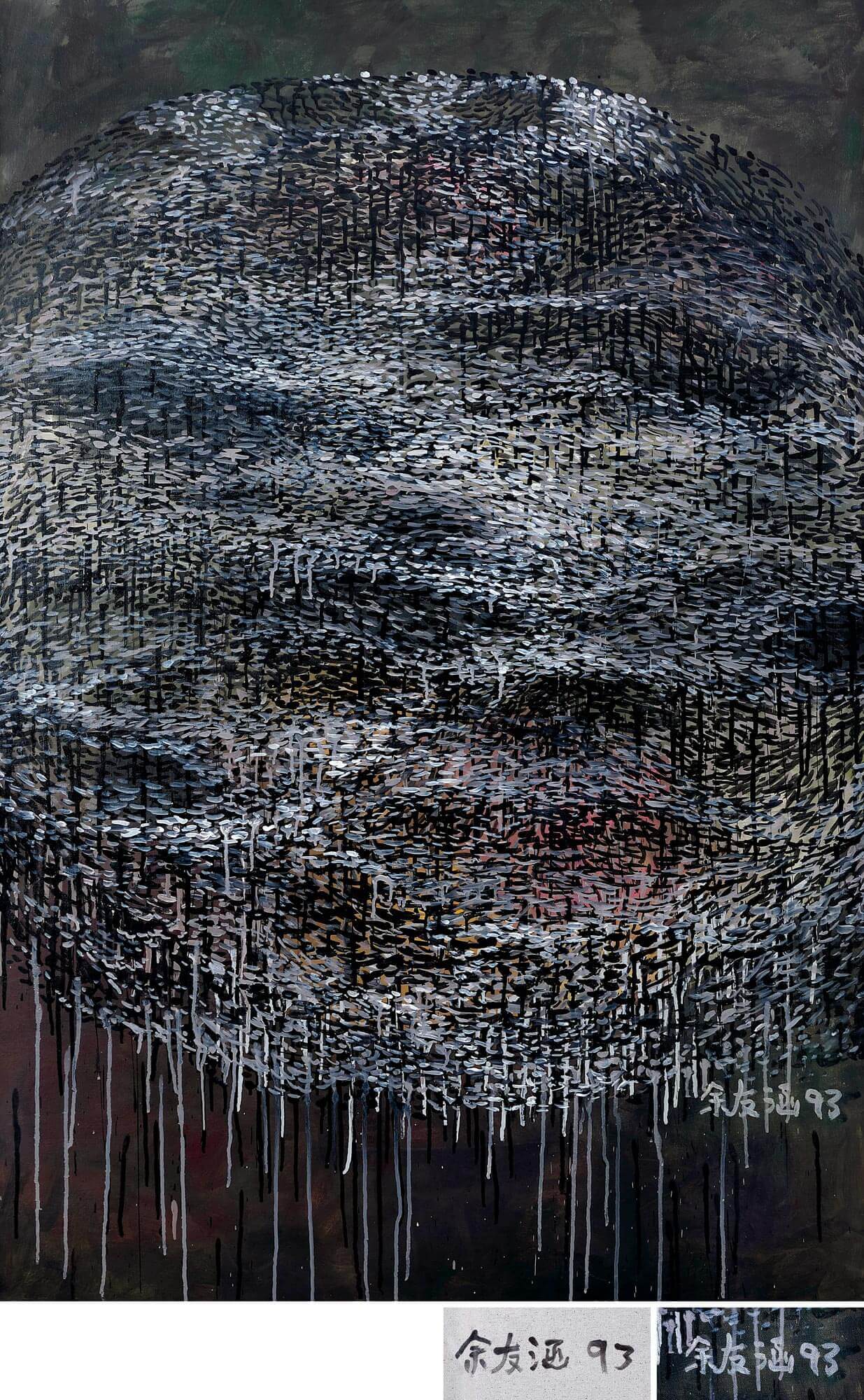

Yu Youhan (1943-2023)Born in Shanghai, he graduated from the Central Academy of Arts and Crafts. He is an innovative explorer in the field of contemporary Chinese art. As a key promoter of the "85 New Wave" art movement and a pioneer of the "Political Pop" art in the 1990s, he built a unique abstract art system with "circle" as the core pattern. British art historian Edward Lucy Smith once commented that he "was the first to transform the international style into a personal artistic language, and he may occupy an important position in the history of Chinese art."
Since the 1980s, he has endowed the "circle" with dual cultural connotations: it not only carries the philosophical symbol of "repetition" in the Chinese cosmology, but also becomes the structural fulcrum of his abstract formal language. Different from the "de-semanticization" of Western abstract art, the circle in his paintings is a carrier of cultural genes and emotional tension, a visual translation of the cycle of time and spiritual gaze, and a field for dialogue between the contemporary and the traditional.
In the 1990s, Yu Youhan's artistic creation entered a mature period, and his market value also increased significantly due to his breakthrough in style and international recognition: the "Circle" series of works during this period completely broke away from specific images and evolved into an organic combination of points, lines, color blocks and geometric shapes within the circle. Through the conflict and echo of colors, the flow and condensation of brushstrokes, he created infinite spatial tension in a limited composition.In 1993 and 1994, he represented China for the first time at the Venice Biennale and the Sao Paulo Biennale.His works have received widespread attention in the international art market and have become an important example for Western collectors to understand Chinese contemporary art.
The "Abstract 1993" on auction is an important representative work of his "Circle" series in the 1990s, and it is also the first time that the new product has appeared in the auction.In the work, against a low-saturation dark grey background, dense black, grey and white dots are aggregated into a large circle with a sense of shaking, dotted with dark red and dark yellow blocks like glimmers of emotion. The traces of the natural flow of paint give the picture a sense of weight of time, which is like a solid condensation of meditation and a dynamic record of the flow of consciousness, exquisitely showing the artist's balance between order and uncertainty.
The reason why the works of this period have both academic value and market scarcity is that they are avant-garde in transforming traditional philosophical symbols into modern art language, and also because of the global exposure they have gained through international biennials, and the scarcity of circulation formed after some of the fine works have been permanently collected by museums and art galleries. As Yu Youhan said, "The circle is a simple image, and it has become the main image in my series of paintings." This continuously rotating visual symbol, in the context of social transformation in the 1990s, not only reflects the era texture of consumerism and nostalgia, but also constructs a spiritual universe that activates the traditional context and responds to the proposition of modernity. It still echoes the aftertaste of philosophical thinking in the context of contemporary art.
Chen Yifei (1946-2005),Chinese oil painter, visual artist, film and television director, with his outstanding artistic talent and profound cultural insight, has left a strong mark in the history of Chinese and even world art. He was born in Ningbo and graduated from Shanghai Academy of Fine Arts. In Shanghai, a city full of artistic atmosphere and modern charm, Chen Yifei is like a shining star. The cultural heritage and artistic atmosphere of Shanghai deeply nourish his creative inspiration, and he also uses his brush and diversified artistic practice to give back and enrich the art landscape of Shanghai.
Recently, the "Era Yifei: Chen Yifei Retrospective" held by Pudong Art Museum once again allowed us to focus on the brilliant achievements of this art master. Mr. Chen Yifei's artistic path is a model of the fusion of Eastern and Western cultures. He is well versed in the artistic conception and charm of traditional Chinese art, and is brave enough to absorb Western realistic techniques and modern art concepts.
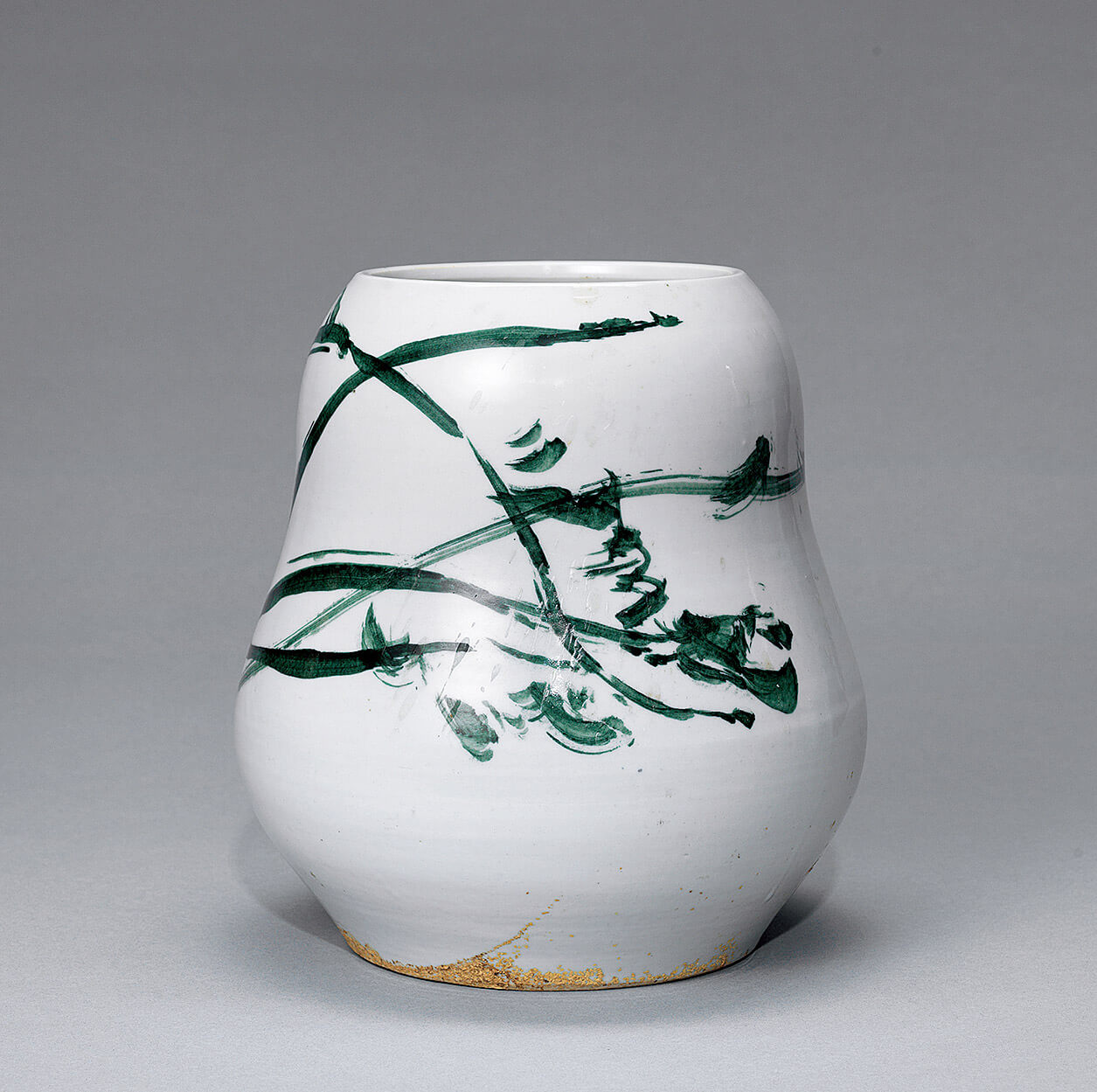
Mr. Chen Yifei is also a cross-border artist. He has also made remarkable achievements in the fields of film, television, fashion design, etc., and promoted the diversified artistic practice under the concept of "big art, big vision". The two exquisite hand-painted porcelains and two exquisite paintings auctioned this time are like the shining pearls in Chen Yifei's artistic career, which embody his unique artistic language. His porcelain works are a perfect fusion of traditional craftsmanship and Western abstract expression. Every line and every color tells an artistic dialogue across time and space. The ink portrait of a woman outlines the unique gentle beauty of oriental women with delicate brushstrokes, and contains endless poetry and tenderness in the black and white world.
The oil painting "Snow in Water Town" vividly displays the charm of snow in the south of the Yangtze River with delicate and subtle brushstrokes. Every snowflake, every roof tile, and every water wave are full of the painter's deep attachment to the water town in the south of the Yangtze River, reflecting the poetic realm pursued by the Chinese realist school of painting.
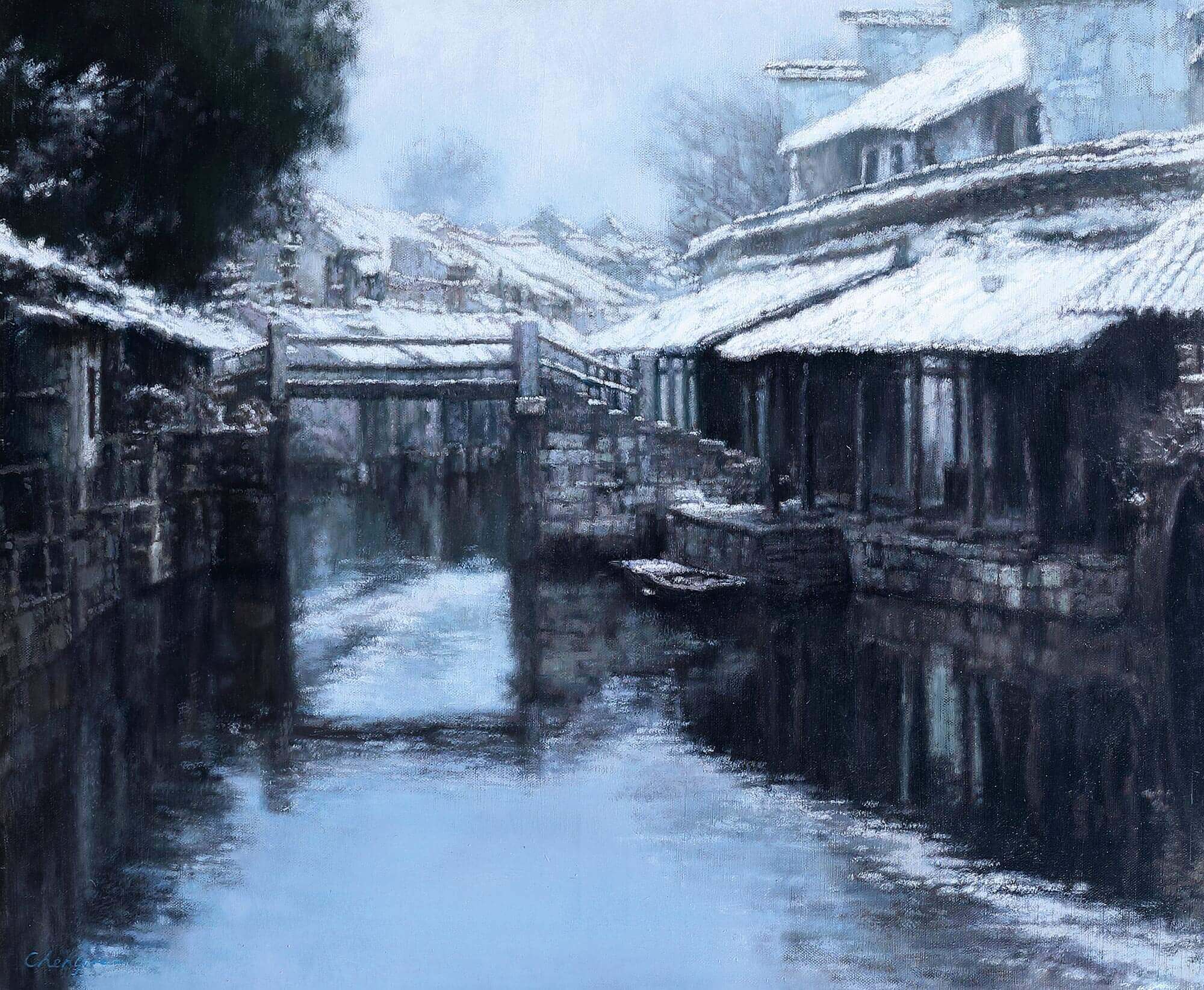
Chen Yifei uses extremely delicate brushstrokes to capture the subtle changes in light and shadow on the snow, buildings and water, and creates a realistic and poetic visual feast through rich and harmonious color layers.
From the perspective of academic research, "Water Village Snow" is included in "The 20th Anniversary of Chinese Realistic Painting School", which is like a precious chronicle of the development of Chinese Realistic Painting School. In addition, "Water Village Snow" made a stunning appearance at the 20th Anniversary Exhibition of Chinese Realistic Painting School held at the Central Academy of Fine Arts Art Museum on December 19, 2024. This exhibition is a comprehensive review and in-depth review of the 20-year development of Chinese Realistic Painting School.As one of the important leading figures of Chinese realistic painting school, the exhibition of Chen Yifei's "Snow in Water Village" here is not only a high recognition of his personal artistic achievements, but also a strong impetus to the development of Chinese realistic painting school.
Chen Yifei's "Snow in Water Town" has deservedly become a classic of Chinese realism painting with its exquisite techniques, profound cultural connotations and unique artistic style.
Today, although Mr. Chen Yifei has left us, the artistic spirit and numerous works he left behind are like a lighthouse that never goes out, forever shining in the vast river of art.
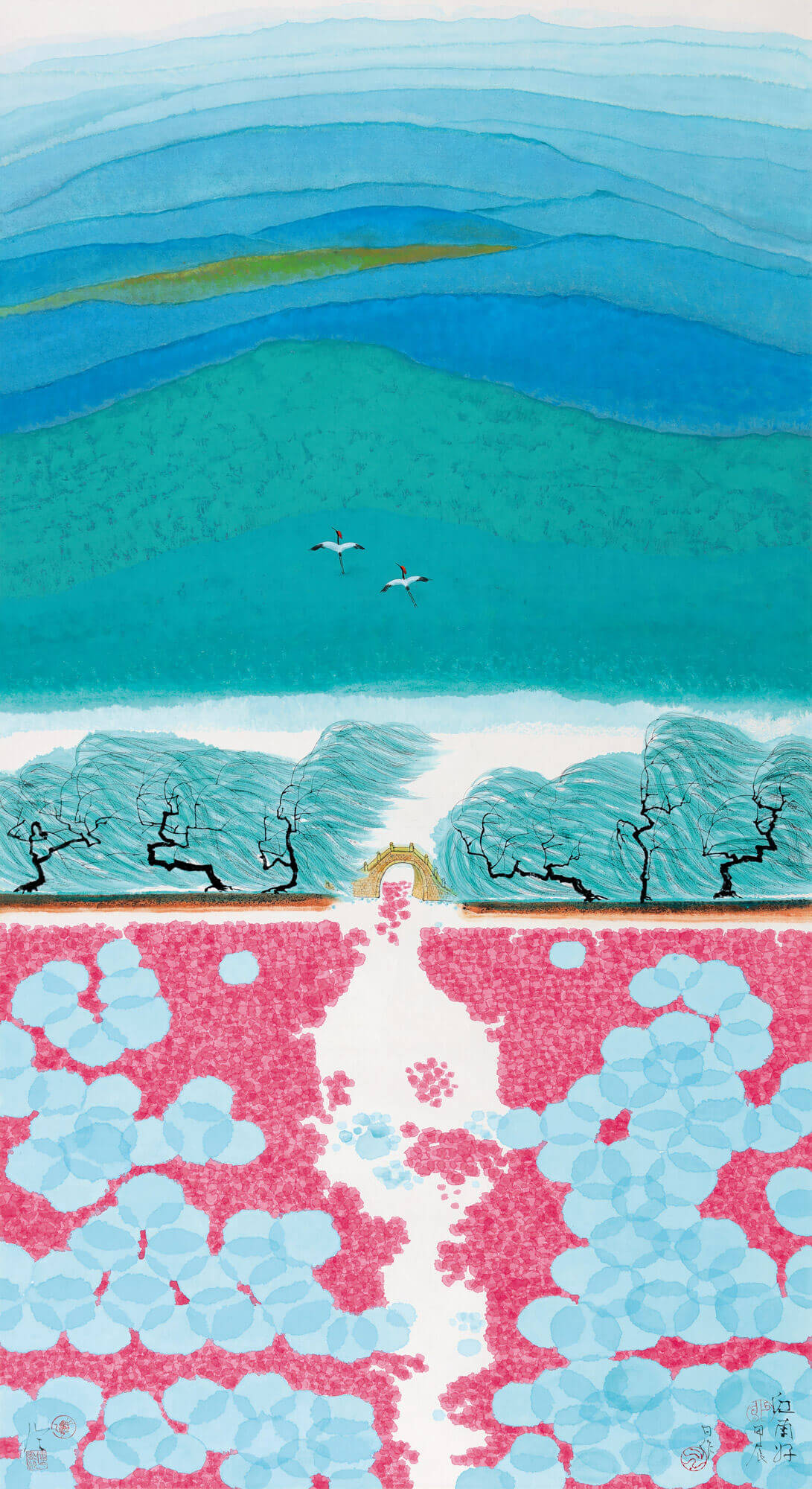
Chen Jialing, born in Hangzhou, Zhejiang in 1937, is a highly influential painter in contemporary China, and plays an important role in the inheritance and innovation of Shanghai School painting. He graduated from Zhejiang Academy of Fine Arts (now China Academy of Art) and studied under art masters such as Pan Tianshou and Lu Weizhao. His artistic creation combines the charm of traditional ink painting with the compositional consciousness of modern painting, creating a unique artistic style and becoming one of the important representatives of the innovation of contemporary Chinese ink painting. As one of Chen Jialing's representative works, "Jiangnan Hao" is themed on the West Lake. The vertical blank space runs through the painting like water. A horizontal river bank divides the painting into an upper and lower structure. A small bridge connects the east and west banks, forming a spatial order between the virtual and the real. On the river bank, a row of blue-green willow trees sway in the wind, light and rhythmic; at the bottom of the painting, pink and blue lotus leaves are laid out to create a shimmering water surface, echoing the green mountains above the painting. Two red-crowned cranes soar in the sky, implying auspiciousness and elegance. The whole painting fully reflects Chen Jialing's artistic concept of "ink colorization" - color in ink, rhythm in color, soft but powerful. He broke the restrictions on the use of color in traditional ink painting and integrated rich colors into ink painting, so that the picture not only maintains the charm of traditional ink painting, but also adds the visual impact of modern painting. The clever arrangement of blank space brings a sense of breathing to the space, making the overall composition full of poetry and decorativeness. This creative method of perfectly combining traditional artistic conception with modern composition reflects the artist's profound understanding and smart expression of the natural scenery and humanistic charm of Jiangnan.
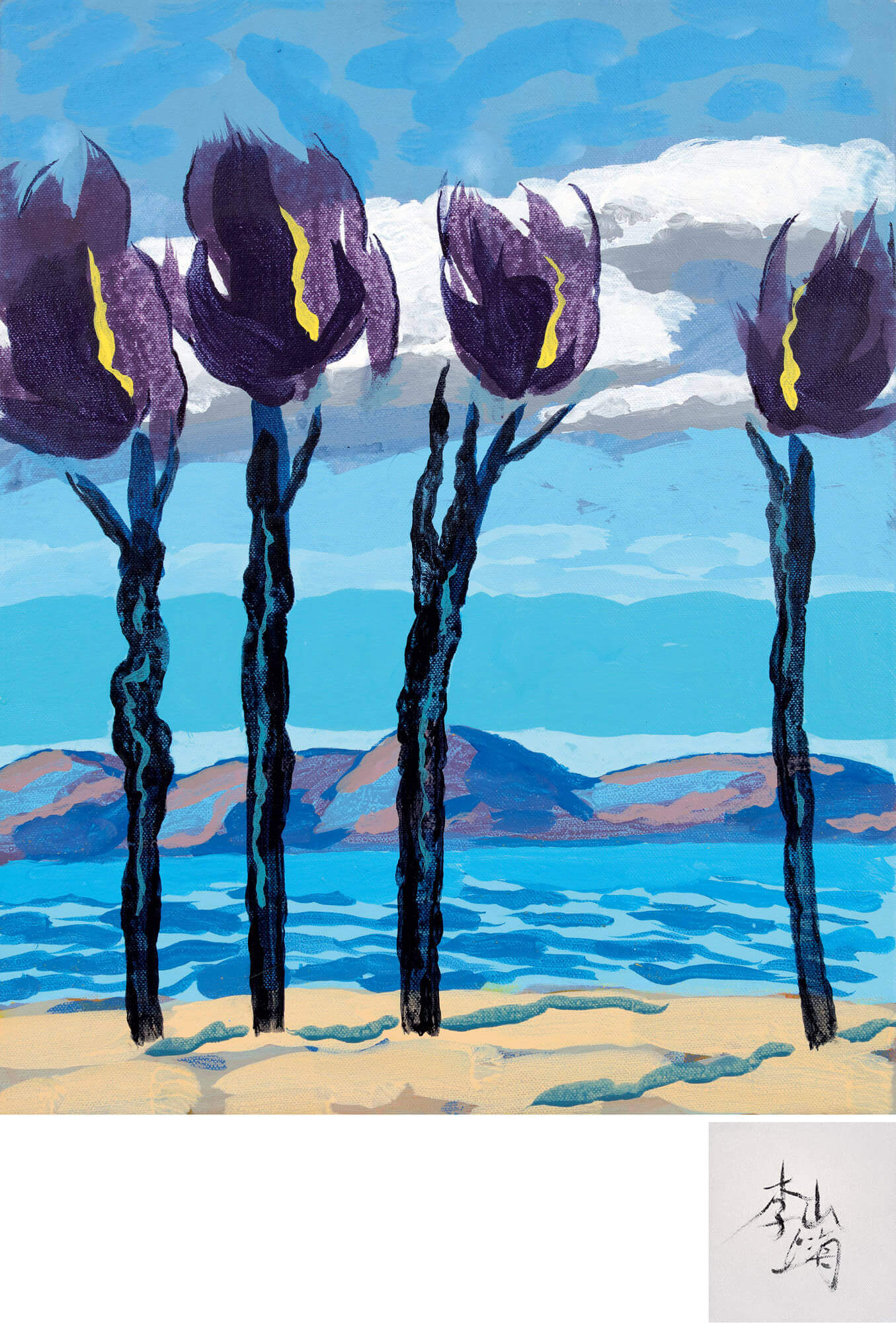
Li Shan was born in Heilongjiang in 1942., graduated from Shanghai Theatre Academy in 1968, and has been rooted in Shanghai for a long time to create art. In the field of contemporary art, he has always been a pioneer in exploring the boundaries of art. His oil painting "Rouge Series Poppy Blossom" created in 2016 is an important work in the "Rouge" series in his artistic career. The painting was unveiled at the 2022 "Life is Presence" Shanghai Contemporary Art Exhibition, and it comes directly from the artist himself, with both artistic value and collection value.
Li Shan's artistic journey is full of breakthroughs and innovations. In the late 1970s, he took the lead in the experimental journey of abstract painting; he became famous for his political pop style works; in the early 1990s, he devoted himself to the field of biological art as an avant-garde.1993 was a major turning point in Li Shan’s artistic career. He participated in the Venice Biennale.With the discovery of DNA, the rise of cloning technology and genetic engineering, humans have been able to touch and rewrite the basic unit of life - genes. This major progress in the field of science made Li Shan keenly aware that the exploration of life in artistic creation can no longer remain at the level of philosophical speculation and poetic expression. Artists must face and think about the unavoidable and important issue of future life forms. Inspired by this, Li Shan began to ponder "whether life itself can become the material of artistic creation", and this thought became an important starting point for his biological art creation.Rouge Series: Poppy Blossoms is the precious result of his exploration in the field of biological art, fully demonstrating his continuous cultivation and innovation in artistic language and creative concepts.
In this 50×40 cm oil painting, purple petals are stretched freely on the linen cloth. The uniquely shaped plants in the picture have twisted stems full of tension, and the flowers blooming at the top present a brilliant color of purple and yellow. The background is dominated by the blue sky, distant mountains and waters, which are simple and layered, forming a sharp contrast with the flowers in the foreground, which not only highlights the shape of the flowers, but also creates a unique atmosphere of tranquility and vitality. From this, the viewer can deeply feel Li Shan's exquisite control of color and composition, as well as the life characteristics he tries to convey through the picture. For collectors, collecting "Rouge Series Poppy Blossom" is not only to take a treasure of great artistic value into the pocket, but also to collect an important witness to Li Shan's artistic exploration process.
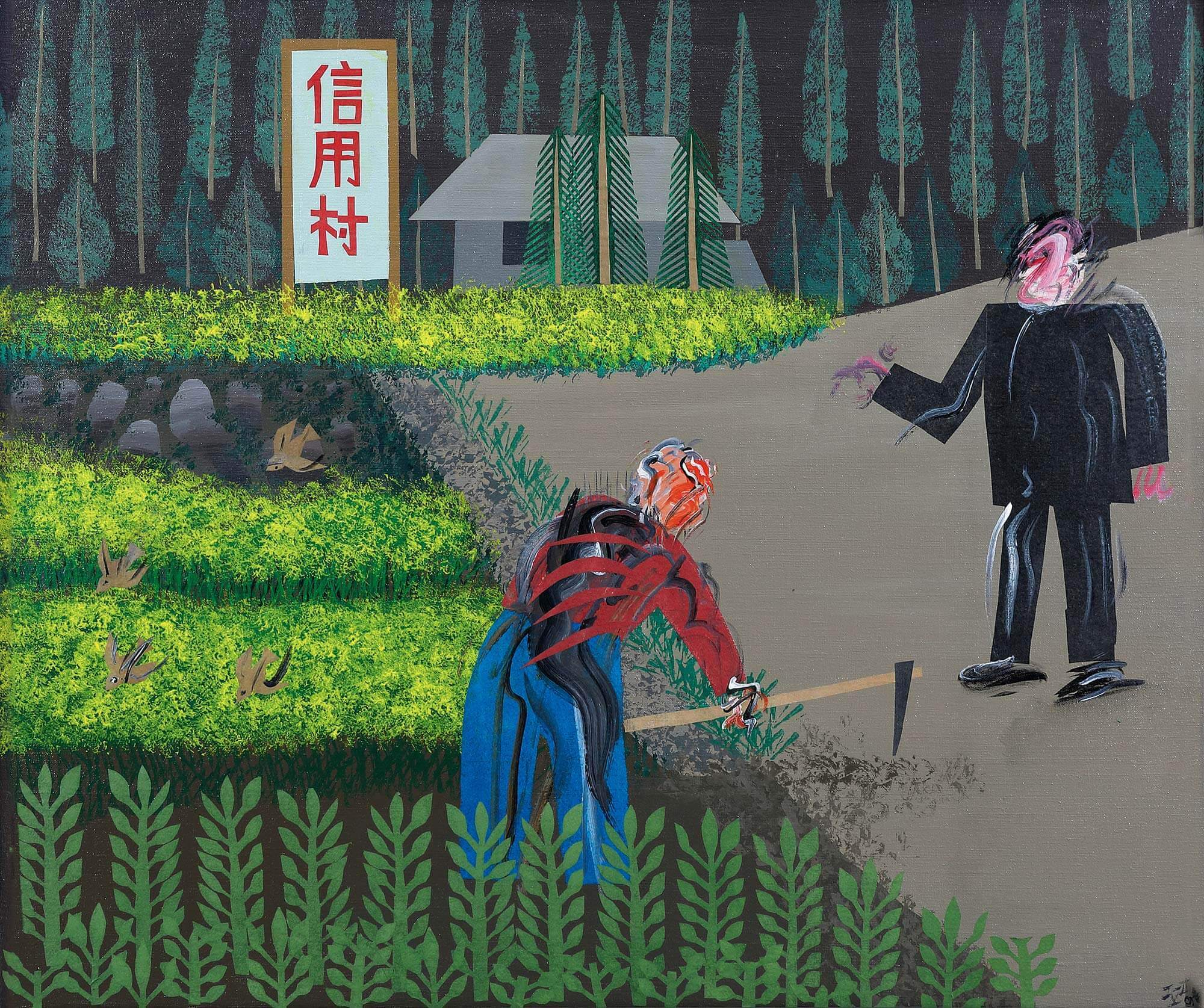
As an artist who has traveled across the Taiwan Straits, Hong Kong and Macau, Xia Yang (1932- )The life trajectory of more than 80 years has always been closely linked to cultural migration. Born in Xiangxiang, Hunan, this artist went to Taiwan in 1949 and played a pioneering role in Taiwan's modern art movement. During his stay in Paris and New York in the 1960s, he completed the deep integration of Eastern and Western artistic languages. His works were collected by institutions such as the Guggenheim Museum in New York, establishing his exemplary status as an "Oriental artist with a global vision."
His settlement in Shanghai in 2002 marked his transition from international wandering to a deep return to the culture of his homeland. Shanghai at that time was at the forefront of the collision between globalization and local culture, providing fertile soil for his creative concept of "deconstructing Western forms with Eastern philosophy."
This choice left a deep mark on his artistic practice: the "Credit Village" created in 2004 was derived from the sketches of Jiangnan around Shanghai. The interweaving of traditional houses and modern art symbols in the picture is the embodiment of his thinking on regional culture and globalization issues after settling in Shanghai. Since then, his artistic activities have frequently been associated with Shanghai, such as the 2019 Long Museum retrospective, the 2022 double exhibition with Ding Liren, and the donation of 130 works to the Shanghai Museum of Contemporary Art in 2025, all of which confirm Shanghai's status as the center of his artistic practice in his later years. As he wrote in the couplet on the door of his Shanghai studio: "I left Jinling at a young age to avoid the flames of war in the east... I went to the island of treasure again in danger, wandered overseas, and my life of more than 70 years was mostly forced to swallow bitter fruits." Settling in Shanghai is not only a geographical return, but also the ultimate confirmation of cultural identity.
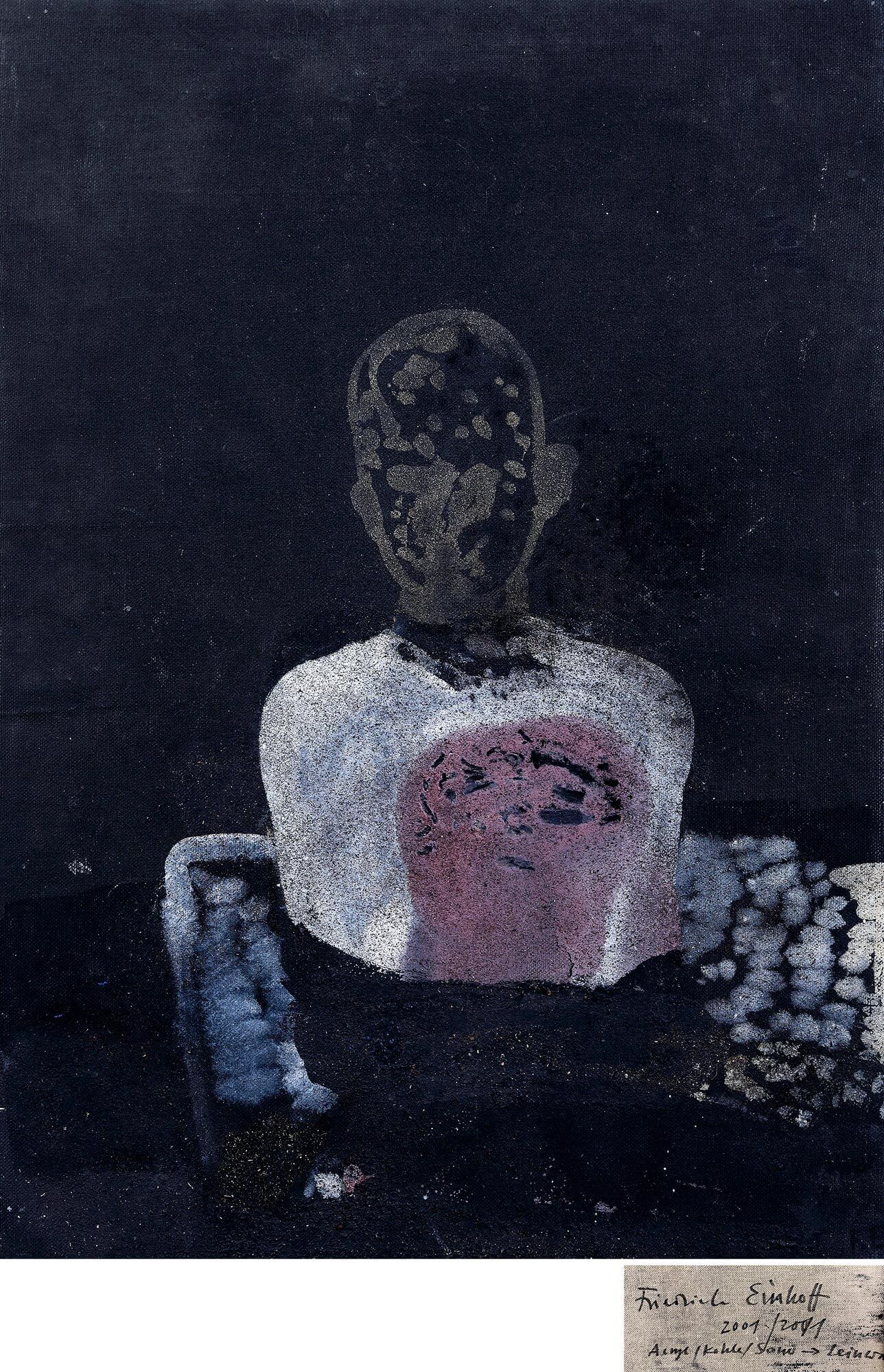
Friedrich Einhof (1936-2018)He is one of the most famous contemporary German expressionist artists, known as "the man who put Hamburg on the German art map" and "a wanderer between genres". In the German neo-expressionism (Neue Wilde) wave in the 1980s, Einhof was one of the few artists who rejected the grand historical narrative.
While Kiefer used ruins to metaphorically represent German history and Baselitz challenged visual authority with inverted portraits, he turned his attention to the “archaeology of trauma” of micro-humanity. This creative orientation made him a “heterogeneous person” in the genre—the “opposite world” (Gegenwelten) philosophy he proposed transformed expressionism from a distortion of external reality to an exploration of the “implicit spirit” of human beings, and the “still life” and “incomplete aesthetics” of human figures broke the single mode of “emotional catharsis” in the expressionist tradition and established the visual grammar of “material trauma”.
Art historian Werner Hofmann once commented: "He used canvas to build a laboratory of humanity, which turned expressionism from social criticism to existential self-analysis."
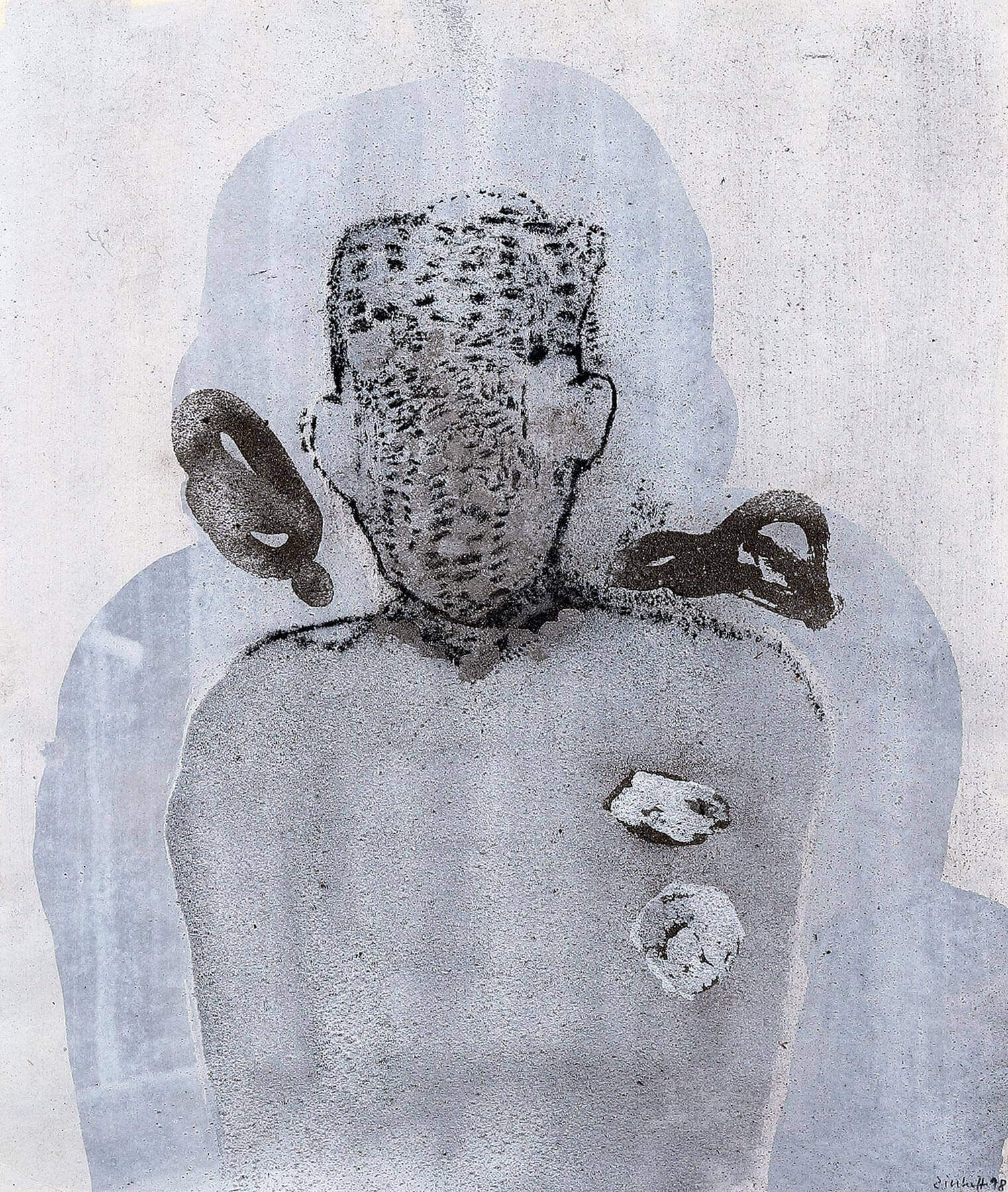
He continued the German Expressionism's pursuit of "spiritual truth". The alienated forms of the characters in his works share the expression of modern anxiety with the distorted urban people in Ernst Ludwig Kirchner's works, but Einhofer turned this anxiety from social criticism to life ontology. The "bedside perspective" given by his childhood hospital experience made his characters closer to "souls imprisoned by illness" (such as the mutilated bodies in the "Untitled" series). His material experiments broke the medium boundaries between painting and sculpture. The thick texture of sand and soil is close to Anselm Kiefer's "material painting", while the creative logic of "archaeological restoration" echoes Damien Hirst's "trauma aesthetics" across time and space. This cross-genre integration ability has made him known as a "wanderer between genres", and his artistic practice has provided an important reference for the transformation of expressionism in the new era.
In the art market in recent years, the prices of Einhof's works have been rising steadily. Some of his works that are moderately sized, well-preserved and have a typical style have repeatedly set new highs in auctions, attracting more and more collectors to participate in the bidding.The market audience for his works has gradually become clear, mainly including academic collectors who pay attention to the development of art history and have in-depth research on expressionist art, as well as high-end art collectors who pursue the uniqueness and spiritual depth of works.
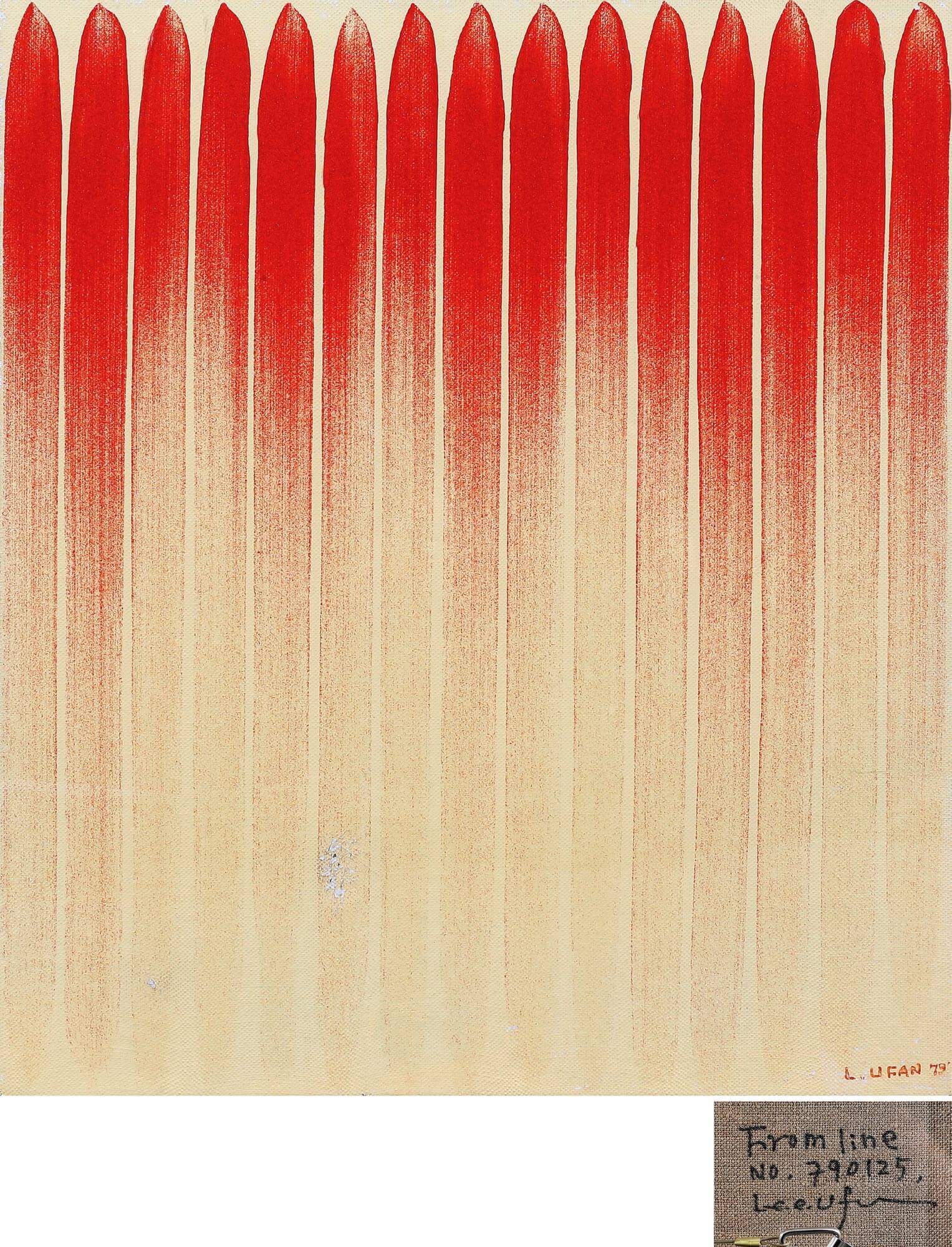
Lee Ufan (1936-), Korean minimalist painter, sculptor and scholarBorn in Haman, South Korea, he was deeply influenced by traditional Eastern thought and moved to Japan in 1956. His single-stroke paintings made him famous in the Mono-ha movement, and in the 1970s he created sculptures using industrial materials such as steel plates and rubber sheets, as well as natural materials such as stone.
As a core figure of the Japanese Mono-ha movement, Lee Ufan created From line No.790125 in 1979, which uses mineral pigments on canvas to construct minimalist vertical lines. Through the "touch" creation of pigments that naturally penetrate under the action of gravity, it combines the "ink play" tradition of Mi Fu in the Song Dynasty with the rational order of industrial rulers. In the picture, the texture of linen cloth and the crystal reflection of mineral particles form a microscopic landscape. The three-quarters "white space" echoes Zhuangzi's philosophy of "empty room gives birth to whiteness", completing the contemporary translation of oriental aesthetics in a minimalist form.
The work belongs to the "From line" series, which uses a numbering system as a conceptual art declaration, transforming creation into a record of life traces. On the eve of the Japanese economic bubble in 1979, Lee Ufan used a language of returning to nature to fight against materialistic civilization. His lines are not Mondrian-style rational divisions, but the embodiment of breathing, which resonates with Bada Shanren's spirit of "few ink dots, many tear dots", making painting a place for spiritual practice. This practice of integrating Eastern context and modernity is regarded as a cultural breakthrough comparable to Zao Wou-Ki's abstract expressionism.
In recent years, the “From line” series has performed strongly in the secondary market, confirming the academic community’s reassessment of its “New Orientalism” system. More importantly, the work reconstructs the viewing ethics in the digital age - when the materiality of mineral pigments and linen collides with spiritual philosophy, the vertical line that travels through time and space knocks on the cosmic echo wall in the viewer’s heart with primitive energy, demonstrating the eternal shock when matter and spirit meet.
More exciting items
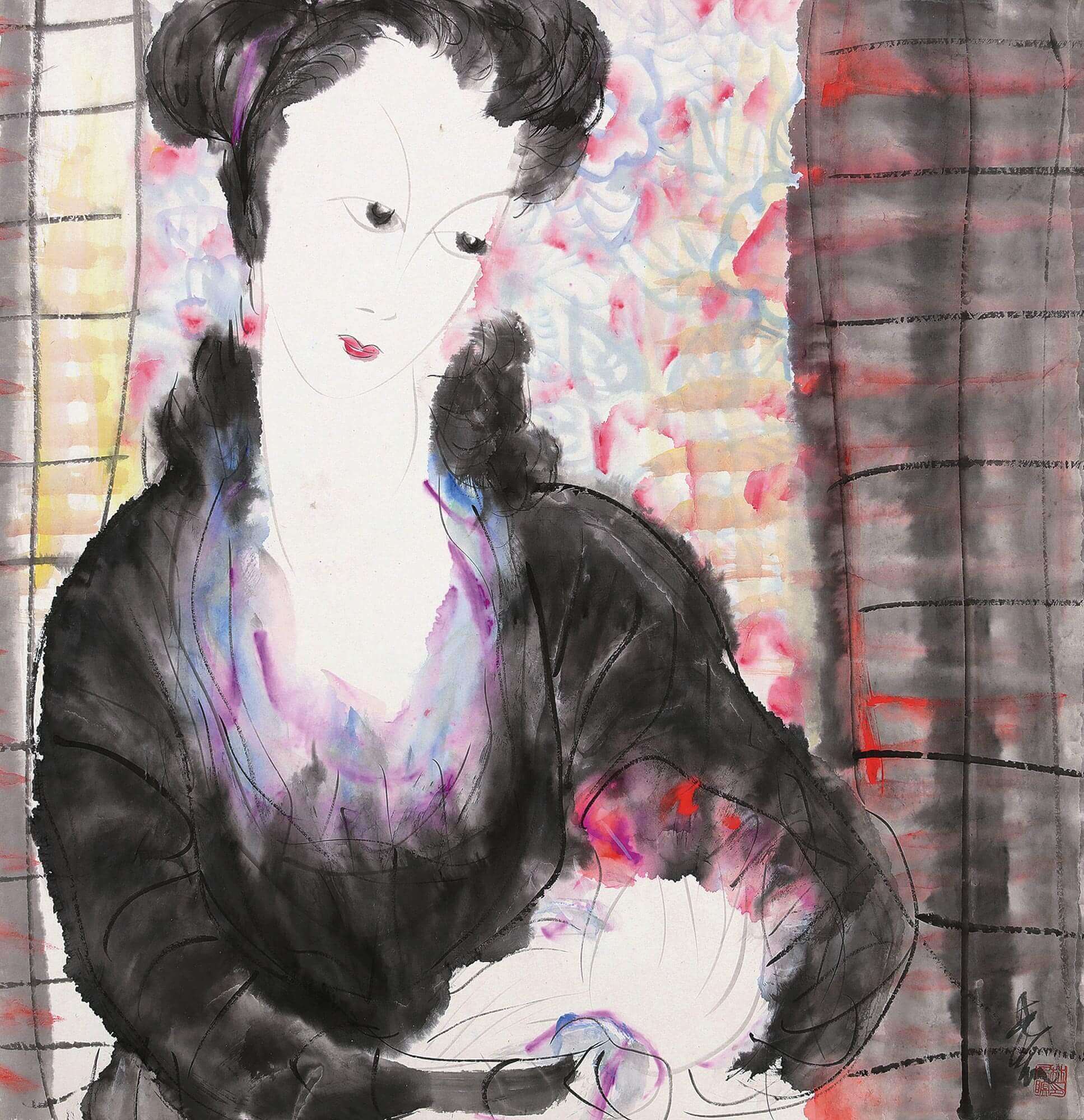
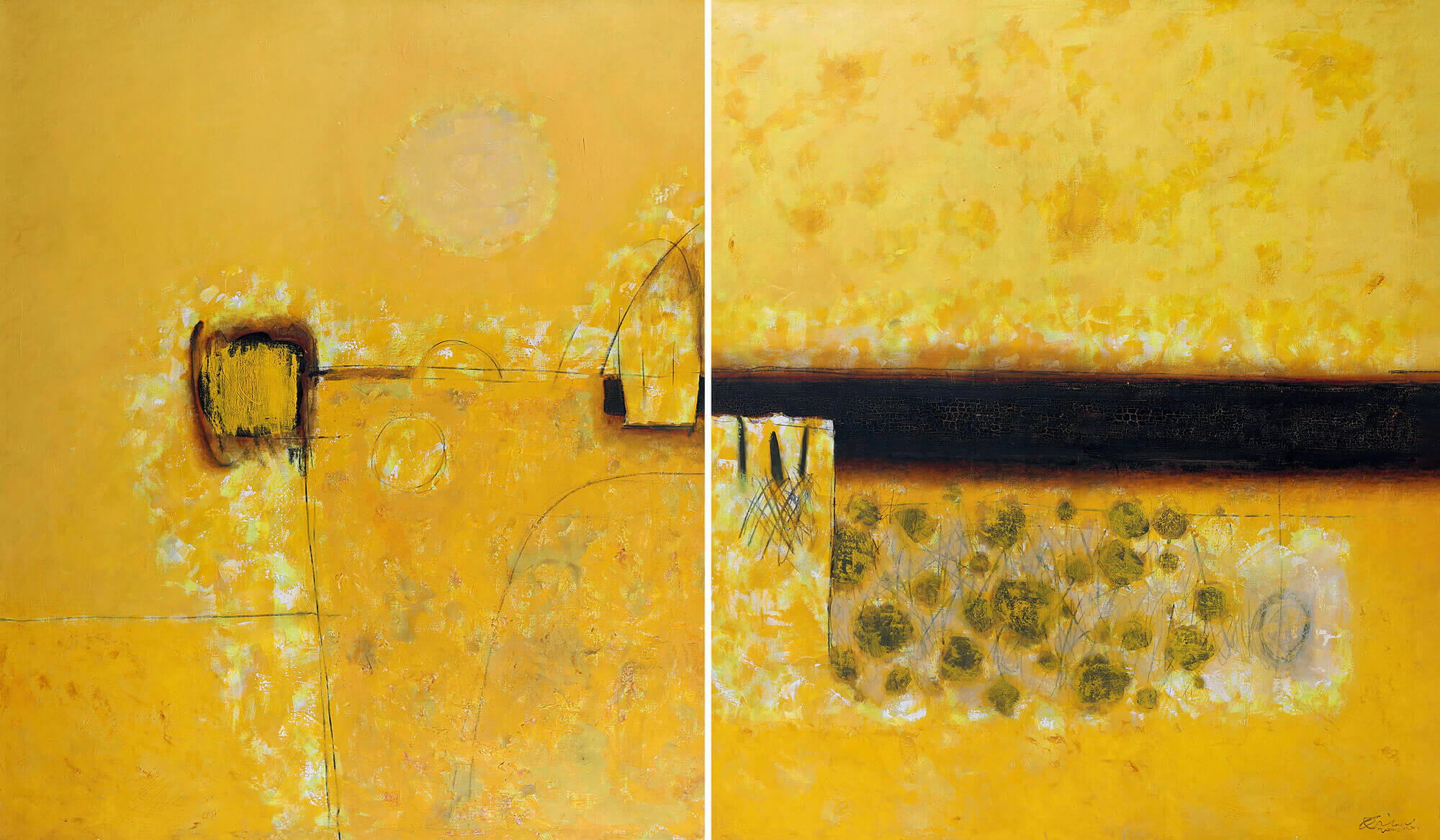
Please continue to follow ArtPro for more latest developments in the global art market.